
The Echoes of Power: Economic Optimism in an Uncertain Age
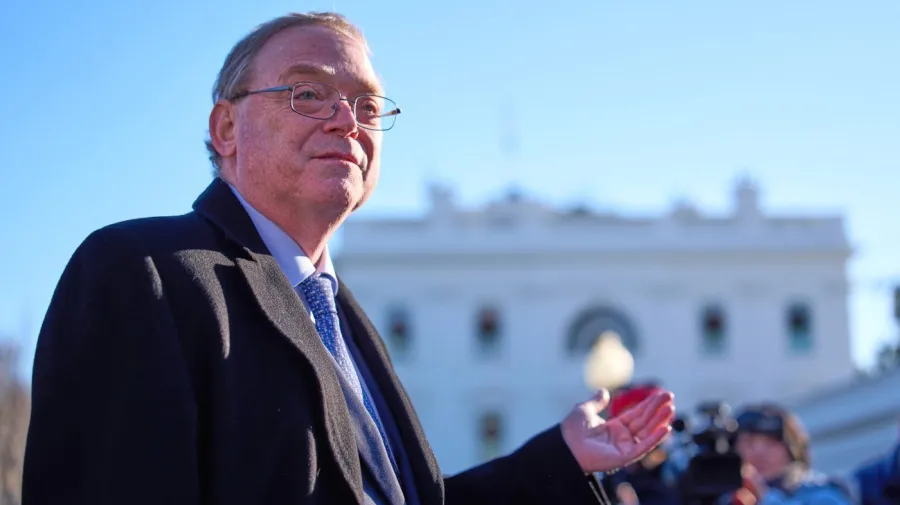
Amid escalating geopolitical tensions, notably the ongoing Iran conflict, the economic narrative presented by President Trump’s advisors signals a resolute belief in the resilience of the American economy. On Wednesday, a senior economic adviser confidently projected a “very, very strong” job market future, asserting that despite the perils of war, consumer confidence remains buoyant. Evidence from the financial sector reveals credit card expenditures soaring, with banking officials indicating that consumer spending is “through the roof.” This apparent economic vigor seems to reinforce the conservative narrative that, under America’s free-market enterprise, resilience persists—even when the geopolitical horizon darkens.
This stance aligns with a broader ideological framework that views the free market as a bulwark against global instability. Yet, critics—often from progressive or Keynesian perspectives—question whether this optimism obscures underlying vulnerabilities. Renowned political theorists like Friedrich Hayek have long argued that market signals serve as vital feedback mechanisms; however, in moments of crisis, these signals can be manipulated or misinterpreted, shaping public perception and policy decisions in ways that favor the powerful. The decision by government officials and financial elites to project unwavering confidence illustrates a classic power struggle: the attempt to maintain market stability while preserving the influence of entrenched economic interests, even as the tangible lives of ordinary Americans hang in the balance.
Decisions That Define the People: The Political Stakes
At the heart of this economic outlook lies an ongoing power struggle. The political class, wielding influence over fiscal policies and international relations, sets the tone for how decisions impact the populace. The recent policy shifts—particularly under the shadow of war escalation—highlight key tensions: will the government prioritize military engagement or domestic recovery? As policy reforms accelerate, the question remains whether the prevailing narrative effectively shapes the people into both beneficiaries and spectators of these strategic battles.
Historical parallels resonate deeply in these moments. Just as Reagan’s economic policies aimed to invigorate American enterprise amid Cold War tensions, today’s leaders brandish optimism to shore up morale and mitigate fears. Yet, the risk remains that this optimism may mask profound structural vulnerabilities: debt accumulation, inflation spirals, and unequal wealth distribution. The constitutional architecture of the nation—its checks and balances—faces ongoing tests of resilience, as executive power increasingly confronts calls for accountability amid crisis. The political landscape is a crucible where ideas about populism vs. elitism, security vs. liberty, and protection vs. free enterprise clash fiercely, shaping the destiny of the republic.
The Stage of Politics: Where Destiny Is Forged
As the drums of war echo around the globe, the true battleground is within the corridors of power. Decisions enacted today—be they military commitments or economic policies—will carve out the future for generations. The rhetoric of strength and resilience cloaks complex power struggles that threaten to redefine constitutional norms and democratic accountability. Political theorists warn that in such moments, the state’s capacity to endure hinges on a delicate balance: harnessing the energies of its populace without succumbing to authoritarian temptations.
Ultimately, politics becomes a stage where the destiny of nations is scribed in the ink of strategic choices and ideological victories. Just as Carl Schmitt declared, “The sovereign is he who decides on the state of exception,” today’s leaders deftly navigate crises—real or perceived—to cement their influence. As the world watches, the question persists: will those in power shape history for the collective good or for their own enduring empire? In this play of power, the stakes are nothing less than the destiny of an entire civilization, written in the shadows of diplomacy, war, and economic prudence.