Matox News

Truth Over Trends, always!

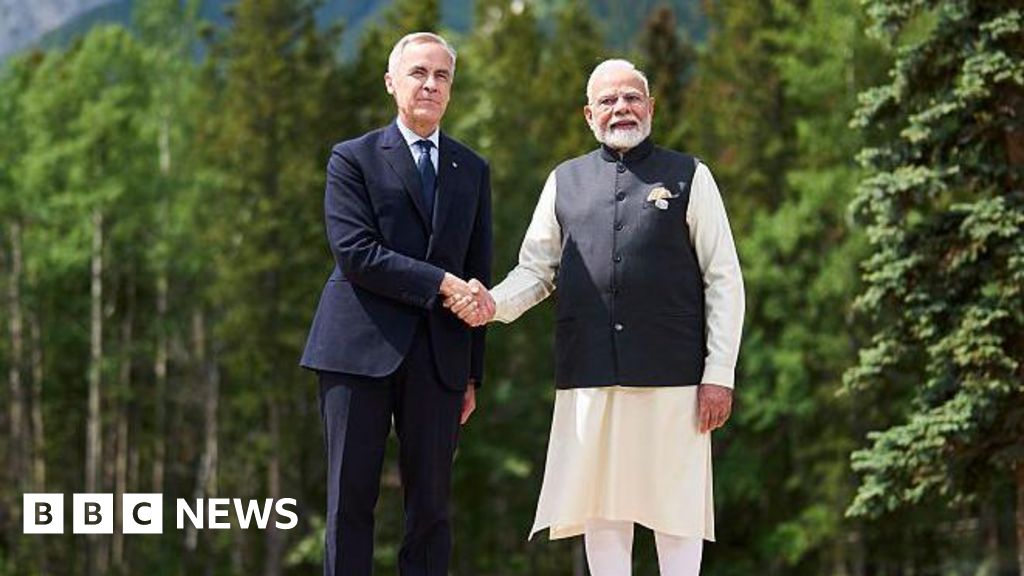
Carney’s India trip: A subtle Canada challenge, Modi scores a win-win

The international landscape is once again gripped by tension as Canada and India face a pivotal crisis that could reshape diplomatic alliances. In 2023, a startling accusation from Canadian Prime Minister Justin Trudeau has sent shockwaves across global political corridors. Trudeau publicly alleged that India was involved in the assassination of Hardeep Singh Nijjar, a prominent Sikh separatist leader, who was shot dead in British Columbia. This accusation not only challenged longstanding diplomatic norms but also ignited a broader debate about sovereignty, espionage, and international justice.

The Indian government quickly dismissed the allegations as baseless and politically motivated, asserting its stance that Canada’s accusations undermine the diplomatic efforts to maintain peace and stability in the Indo-Pacific region. The fallout resulted in a series of retaliatory actions, including the expulsion of diplomatic personnel from both nations. The situation grew further complicated as investigators in Canada charged four individuals with Nijjar’s murder. Although the case remains before courts, the incident has exposed underlying tensions between the two nations, with profound geopolitical impact that stretches well beyond their borders.

Analysts and international watchdogs underscore the broader ramifications of this diplomatic rupture. Global institutions such as the United Nations are closely observing, fearing this incident might *set a dangerous precedent*—where accusations can escalate into open confrontations without sufficient evidence, thus destabilizing international relations. Moreover, India and Canada are both key players in regional security architectures, with India trying to bolster its influence across Asia and Canada maintaining strategic ties with the United States. Any further deterioration could undermine efforts towards multilateral cooperation, especially in counterterrorism initiatives and trans-continental diplomacy.

This episode underscores the delicate balance of modern diplomatic engagement amid rising nationalistic sentiments and shifting global alliances. How decisions in Ottawa and New Delhi will echo in international forums and across societies at home remains uncertain, but such crises serve as stark reminders of the high stakes involved. As history watches silently, the world stands on a knife’s edge—every move, every statement potentially tipping the scales toward confrontation or reconciliation. The unfolding story continues to test the resilience and maturity of nations that, in this interconnected era, are bound by the weight of their actions and the legacy they leave behind. In that quiet, yet thunderous space where diplomacy meets destiny, history is once again in the making.
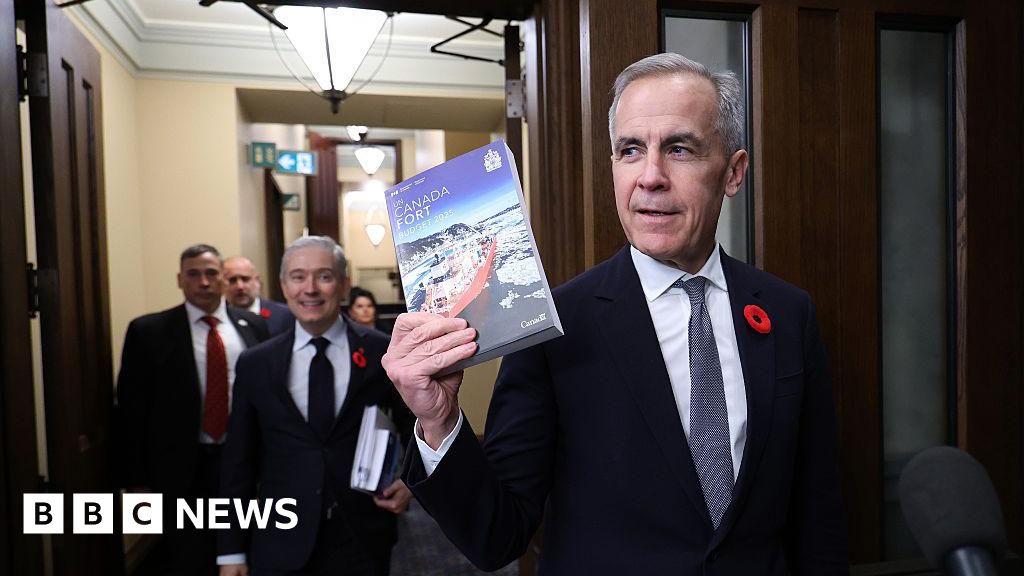

Carney's federal budget ramps up spending to fight back against US tariffs, youth demand stronger economic resilience
Carney’s federal budget ramps up spending to fight back against US tariffs, youth demand stronger economic resilience

Canada’s Bold Fiscal Shift: Carney’s Budget Sparks Global Geopolitical Ripples

In a decisive move reminiscent of emerging economic strategies, Canada’s Prime Minister Mark Carney has unveiled his government’s inaugural federal budget, an ambitious blueprint aimed at transforming Canada’s economic landscape amid increasing US tariffs and trade tensions. Touted as an “investment budget,” it signifies a deliberate pivot towards resilience and global competitiveness, with a stark acknowledgment of Canada’s economic vulnerabilities and the need for swift, bold action. The plan projects a record-breaking deficit of C$78 billion—second only in Canadian history—yet underscores a strategic gamble: attracting C$1 trillion in foreign investment over the coming five years to offset the fiscal deficit and energize growth.

Internationally, the geopolitical impact of Canada’s budget resonates beyond its borders. By committing to a C$280 billion investment in trade infrastructure, the government aims to double exports to non-US markets over the next decade, signaling a strategic diversification of its trade dependencies—a move heavily scrutinized by analysts as a potential recalibration of North American economic ties. This shift is part of a broader bid to challenge the US’s economic dominance and make Canada a more attractive hub for international business than its southern neighbor. In tandem, the budget allocates nearly C$1 billion to integrate artificial intelligence into government and commercial sectors, reflecting a forward-looking approach in harnessing technological advancements to bolster national resilience and global influence.

However, critics skewer the plan as a double-edged sword, pointing to the austerity measures within its framework. The government plans to cut 40,000 federal jobs by 2029 and slash international aid to pre-pandemic levels, demonstrating a readiness to accept short-term societal pain for long-term strategic gain. This, combined with lowering immigration targets and restricting student visas, fuels internal debate about how decisions shape Society’s fabric. The budget’s passage, hampered by a fragile minority government and potential defections—such as the recent defection threat from a Conservative MP—heightens the risk of political upheaval, possibly even triggering a federal election. Such instability only underscores the *turning point* at which Canada finds itself—a nation at crossroads, balancing economic revitalization against social and political turbulence.

Recognized by international organizations and historians alike as a critical moment, this expansive budget reflects a broader blueprints for national sovereignty amid global shifts. Analysts from the International Monetary Fund and economic historians warn that Canada’s strategies could redefine the geopolitical landscape of North America, challenging the U.S.’s supremacy while building a more autonomous Canadian economy. Yet, the true impact remains uncertain—whether these bold initiatives will succeed in rescuing the nation’s future or merely deepen the shadow of mounting deficits and social unrest. As the dust settles over Ottawa, the world waits, shoulder to shoulder with Canadians, for the next chapter in this unfolding saga—an era where the decisions made today may well dictate the course of history for generations to come.

Social Media Auto Publish Powered By : XYZScripts.com


