
Matox News

Truth Over Trends, always!

Bolivian Military Plane Crashes, Killing at Least 11 with Cash for the People

In the wake of an unfolding international crisis, South America finds itself confronting the complex repercussions of a recent tragedy involving a concealed financial dispute. According to Minister of Defence Marcelo Salinas, authorities are actively addressing an incident where illicit funds—lacking official recognition—are purportedly involved in a scenario of grave national concern. Salinas declared, “I want to make it clear to those who are trying to take money from the plane involved in this tragedy that this money has no legal value since it has not been issued by the Central Bank and does not have a serial number, and that attempting to use this money is a crime.” This statement underscores the gravity of the illicit financial conduct intertwined with a situation that appears to hold broader implications for regional stability and security.

The incident signals more than just a local misadventure; it echoes with geopolitical ramifications that reach beyond national borders. Analysts warn that the covert handling of unregulated currency may be a symptom of larger financial disarray or clandestine dealings amidst the horn of Latin America. The **Central Bank**—a pillar of economic sovereignty—has explicitly disavowed any association with these unfiled notes, emphasizing the importance of legal tender in maintaining economic order. International economic watchdogs, such as the WTO and IMF, are closely monitoring reports, highlighting how even minor financial irregularities can ripple into regional instability and undermine international confidence. The social and political echoes of this incident threaten to destabilize hard-won diplomatic relations, especially as neighboring nations brace for potential fallout.

Historically, such incidents serve as stark reminders of how fragile economic sovereignty can be in a volatile geopolitical landscape. Historians and geopolitical analysts point to past crises—such as the destabilization caused by unregulated financial activity during regional conflicts—to illustrate the potential consequences of unchecked illicit transactions. The incident also invigorates debates about sovereignty, national security, and the reach of transnational criminal networks. According to International Security Council reports, these covert financial operations often serve as funding sources for broader destabilization efforts, complicating efforts by governments to safeguard their sovereignty. As regional leaders convene to assess the situation, the question remains whether this shadowy financial activity signals a deeper infiltration into national security infrastructure or an isolated anomaly.

As the world watches, the fate of this incident is poised to influence the geopolitical map for years to come. The unfolding narrative is not simply about a clandestine financial transaction; it encapsulates the enduring struggle for sovereignty in an interconnected world where internal vulnerabilities can quickly escalate into external threats. With every decision and investigation, history unfolds—reminding us that the lines between stability and chaos are often dictated by unseen financial currents. The weight of events continues to press down on nations, compelling leaders to confront the destructive potential of illicit financial networks. As the echoes of this crisis reverberate across the continent, one fact remains clear: the pages of history are turning, and the choices made today will shape the destinies of nations for generations to come.
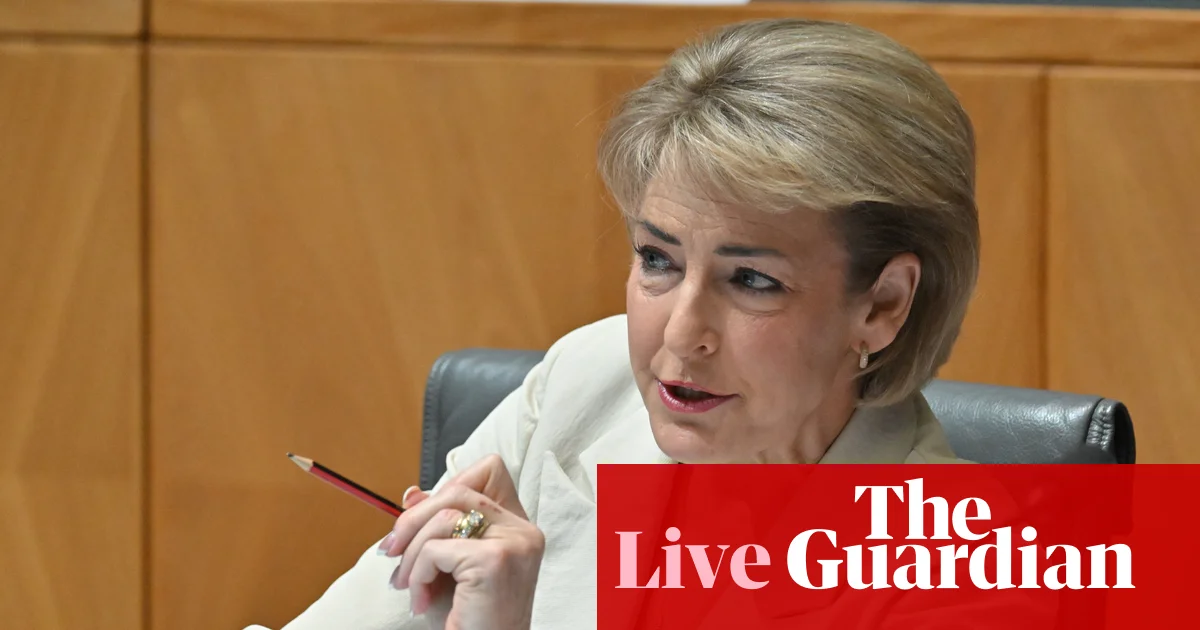

Australia News Live: Cash urges PM to condemn Chinese jet clash; Joyce grilled over One Nation shift

In a world continually edging closer to a new era of confrontation and uncertainty, recent developments underscore the volatile geopolitical landscape. From tense military encounters in the South China Sea to political maneuvering in Australia, the global stage is rife with flashpoints that threaten to ignite larger conflicts. Analysts warn that these incidents are more than isolated events—they reflect a broader strategic contest involving China, the United States, and regional powers, with international institutions often unable—or unwilling—to prevent deterioration.

The incident that has drawn significant international attention occurred over the South China Sea, where reports emerged of a Chinese fighter jet releasing flares dangerously close to an Australian surveillance aircraft. Michaelia Cash, Australia’s shadow foreign affairs spokesperson, condemned the act as a “serious escalation” that endangers the lives of Australian defense personnel. The incident marks the third provocation within a year, highlighting China’s provocative posture as it seeks to assert dominance in the strategic maritime region. In response, Cash called upon Prime Minister Anthony Albanese to publicly condemn the action, warning that failure to do so would be a “failure to stand up for Australia’s national interests.” These provocative maneuvers expose a pattern of Chinese military assertiveness that complicates diplomatic efforts and deepens regional tensions.

Meanwhile, within Australia, political dynamics are heating up as key figures like Barnaby Joyce and David Littleproud navigate complex intra-party relationships, with indications of potential shifts towards One Nation. Joyce, the member for New England, remains notably reticent about his political future amid rumors of defecting to the far-right party. Such moves could have profound geopolitical impact by emboldening nationalist sentiments and possibly altering Australia’s traditionally close alignment with the US on defense and foreign policy issues. The political realignments mirror a global trend where nationalist and populist movements threaten to undermine established diplomatic alliances and multilateral efforts to maintain regional stability.

Simultaneously, tensions extend beyond the Pacific with U.S. President Donald Trump and Australian Prime Minister Anthony Albanese engaging in a high-profile meeting at the White House. The visit saw the signing of a significant minerals and strategic partnership deal, signaling a pivot towards greater resource-driven cooperation. However, the broader message remains clouded by diplomatic undercurrents and the looming threat of military escalation. Historian and international security analyst Dr. Richard Martin notes that “these developments are indicative of a world where traditional power balances are shifting rapidly. The risk of miscalculation grows as nations test the limits of their strategic patience.” The risk of misunderstandings escalating into open conflict is heightened as superpowers and regional actors seek to secure their spheres of influence amid weakened international institutions.

As the world’s superpowers jostle for dominance, the flashes of military bravado, political confessions, and international diplomacy reveal a fragile geopolitical order. With Great Power dynamics on a knife’s edge, and regional allies watching nervously, the ongoing story remains one of tension—and opportunity—for those daring enough to shape it. The weight of history is pressing down, reminding us that every decision today writes the prelude to future conflicts. The question remains: how many more incidents of provocation and political upheaval can the global system withstand before shaping a new chapter—one written in the aftermath of chaos, or in the hope of a measured peace? The pages are still being turned; the unfolding drama continues to test humanity’s resolve and strategic wisdom.

Unlock Your Home’s Cash: Smart Options to Consider!

Home Equity: Exploring Cash-Out Options for Homeowners

In an era where financial flexibility is becoming increasingly crucial, homeowners are considering various ways to unlock the value of their properties. Among these methods, cashing out home equity stands out as a popular option. This practice enables homeowners to access funds for various needs while maintaining ownership of their homes. As mortgage rates remain relatively favorable, the appeal of cash-out refinancing and other financial strategies is growing.

Cash-out refinancing allows homeowners to replace their existing mortgage with a new one that has a larger principal amount. The difference between the new loan total and the old mortgage is disbursed to the homeowner in cash. This method not only provides immediate funds but can also secure a lower interest rate compared to the original mortgage, depending on market conditions. However, homeowners must be cautious, as this option increases the overall debt on the property, which may have long-term financial implications.

Another avenue for accessing home equity is through home equity lines of credit (HELOCs). Unlike cash-out refinancing, a HELOC operates more like a credit card, allowing homeowners to borrow funds as needed up to a predetermined limit. Typically, these loans offer flexibility and can be utilized for various purposes, from home renovations to debt consolidation. However, as with any borrowing option, careful consideration is necessary to ensure that the repayment structure aligns with the homeowner’s financial strategy.

In addition to cash-out refinancing and HELOCs, some homeowners may opt for home equity loans. These loans offer a lump sum amount that is paid back in fixed monthly installments, generally over a term of 5 to 15 years. Home equity loans can be particularly effective for substantial expenses, such as funding a college education or starting a business. However, homeowners need to weigh the costs associated with these loans, including fees and closing costs, against their financial goals.

While tapping into home equity can provide much-needed liquidity, it is essential for homeowners to remain vigilant about the potential risks. Increased indebtedness can lead to a higher monthly mortgage payment and may contribute to financial strain if not managed properly. Moreover, fluctuations in the real estate market can affect property values, potentially leaving homeowners with negative equity should they need to sell. Properly assessing one’s financial literacy and risk tolerance is crucial in determining the right path forward.

As the landscape of home financing continues to evolve, it is vital for homeowners, particularly younger individuals entering the housing market, to remain informed about their options. Financial decisions regarding home equity can significantly impact one’s future, making it crucial to carefully evaluate all available options, understand the implications of borrowing, and consult with financial advisors when necessary. Ultimately, the ability to tap into home equity offers powerful opportunities for those looking to enhance their financial situation, provided they approach it with diligence and forethought.

Source link

Experts Pick 2022’s Top Cash Back Card for Young Savers

As the financial landscape shifts in 2022, experts are highlighting a standout option for savvy spenders: the best cash back card of the year. For young consumers eager to maximize their purchasing power, this card offers competitive rewards that can make a real difference in monthly budgets. With rising living costs, having a reliable cash back card is more essential than ever.

This cash back card not only features generous rewards on common spending categories like groceries and gas but also comes with no annual fee—perfect for those still navigating the financial world. For young professionals and students, this combination allows for flexibility in managing expenses while still benefiting from cash back on everyday purchases. If you’re aiming to make the most of your finances, this card could be a strategic tool in your financial toolkit.

Social Media Auto Publish Powered By : XYZScripts.com