Matox News

Truth Over Trends, always!

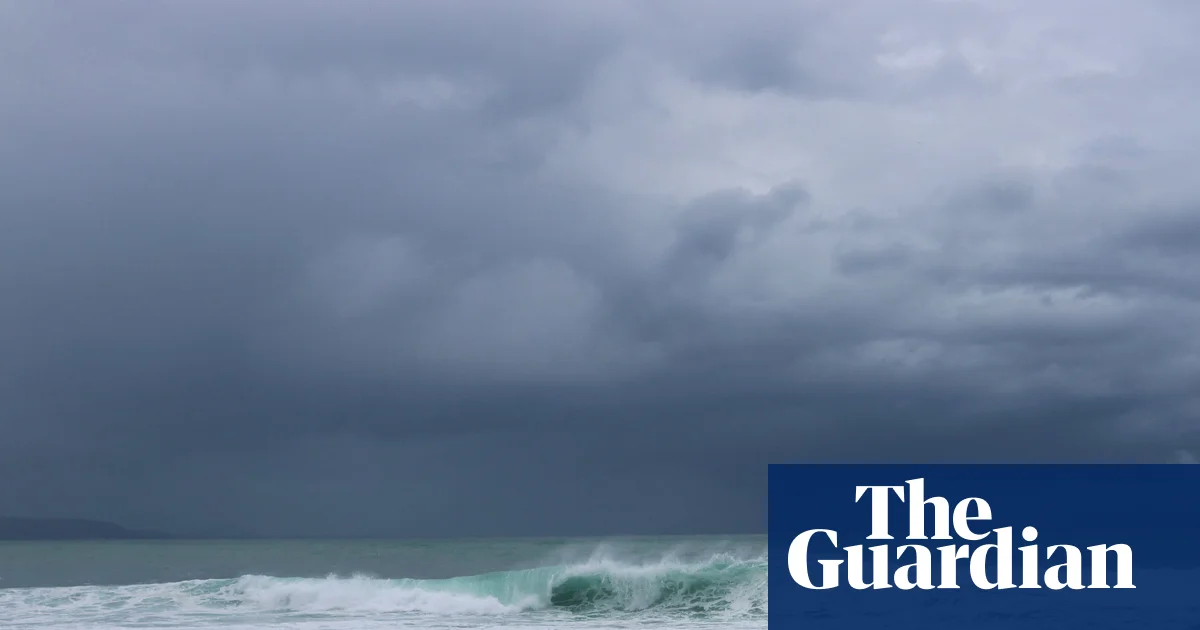
Jamaica Prepares for Mega Hurricane Melissa as Cat 5 Threatens the Island

As Hurricane Melissa rages through the Caribbean, expectations are mounting among international observers regarding its geopolitical impact. Originating off the coast of West Africa and rapidly intensifying into a formidable Category 4—and potentially Category 5—storm, Melissa’s trajectory toward Jamaica and Cuba highlights the region’s vulnerability to extreme weather. The forecasted winds of 160 mph could make Melissa the strongest hurricane in Jamaican history, surpassing the notorious 1988 Hurricane Gilbert. Such natural calamities serve as stark reminders that climate change, now a global issue, is manifesting in increasingly destructive forms—shaping not only environmental but also geopolitical realities.

Analysts from the United Nations and renowned climate experts warn that these natural disasters are more than just weather events—they act as catalysts for regional instability. Damage assessments forecast “extensive infrastructure damage, long-duration power and communication outages, and the potential for widespread flooding,” indicating that local governments with fragile economies and limited disaster preparedness could experience lasting socio-political upheaval. The economic costs associated with recovery may strain national budgets and divert resources from development priorities, fueling social unrest and international aid debates. As history shows, natural disasters often bring to light deeper systemic vulnerabilities that can ripple across international borders, impacting alliances, trade routes, and regional security.

The U.S. National Hurricane Center has issued cautionary warnings about the storm’s potential for “life-threatening flash floods, storm surges, and landslides,” emphasizing the risk of logistical collapse in affected nations. Meanwhile, in a distinct yet equally alarming development, reports from New Zealand highlight that severe weather remains a global phenomenon, with recent storms demolishing critical infrastructure—roofs torn from buildings, power outages affecting 90,000 homes, and transportation disruptions across the nation. These events have underscored the unpredictability of natural threats in a world increasingly interconnected, emphasizing that no part of the globe is immune to the larger repercussions of climate volatility.

International organizations, including the World Meteorological Organization, warn that the frequency and strength of such storms are likely to increase unless global policy shifts significantly. When climate policies are sidelined in favor of short-term economic gains from fossil fuels, the consequences become starkly visible on the geopolitical stage. The tension is palpable: nations are forced to choose between economic growth and climate resilience, with many vulnerable states suffering the brunt of these decisions. As historians and analysts observe, these crises will most likely leave a lasting mark on the geopolitical landscape, forcing the world to confront uncomfortable truths about the costs of inaction.

As the storm’s fury nears landfall, and while other nations grapple with their own climate-induced calamities, the weight of history continues to unfold. The decisions made in the coming days—regarding disaster response, climate policy, and international cooperation—will shape a new chapter in a world where natural disasters no longer remain isolated events but are central to the ongoing contest of power and survival. The question remains: in this rapidly changing climate, who will lead the charge for resilience, and who will be left to confront the storm’s aftermath in silence?
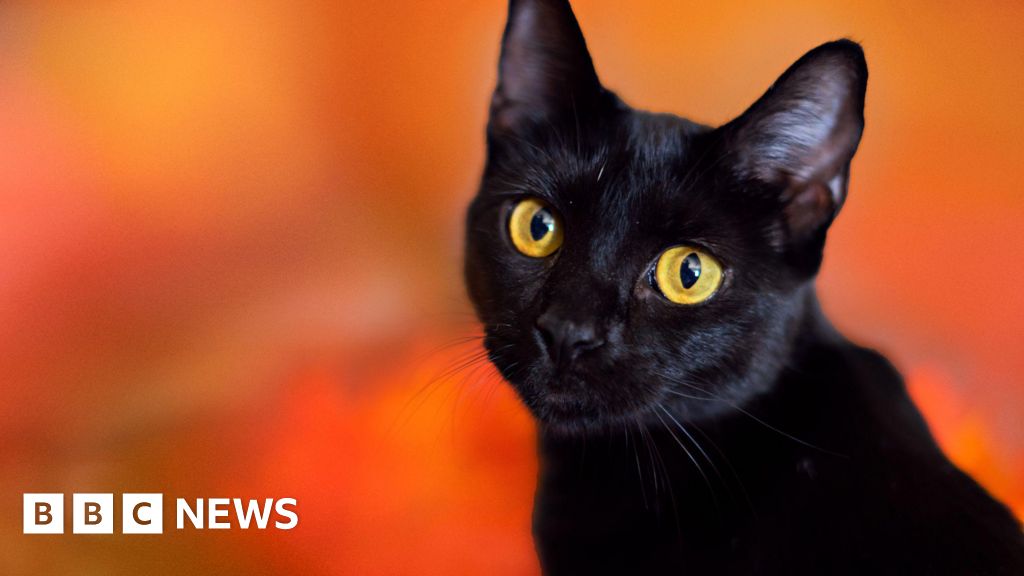

Catalonia town bans Black Cat adoptions this Halloween, citing safety concerns

Shadows of Tradition and Modern Morality: The Black Cat Ban in Terrassa

In a world increasingly attuned to the nuances of culture, animal welfare, and security, Terrassa, a historic town in Catalonia, has taken a controversial step that underscores the global tension between tradition and modern-day safety concerns. The town’s decision to temporarily ban the adoption of black cats during Halloween—set to last from October 6 to November 10—has sparked debates that reach far beyond its provincial borders. This measure, justified by local authorities as a safeguard against potential ritualistic abuse, embodies a broader societal shift where concerns for animal welfare increasingly influence policy-making amid fears of exploitation.

While Terrassa’s city council reports no local record of cruelty toward black cats, the decision aligns with a rising wave of precautionary policies motivated by incidents elsewhere—an approach reinforced by warnings from international animal rights organizations. European and Western communities have long associated black cats with superstitions rooted in witchcraft and misfortune, yet in many other cultures, such as in Japan and Egypt, these animals symbolize prosperity and good luck. The contrasting symbolism underscores how cultural perceptions can influence policy decisions that, ostensibly, aim to protect animals but also reflect societal fears and prejudices. Prominent historians and analysts suggest that such actions are frequently reactions to heightened societal anxieties, especially amid cultural shifts emphasizing safety and morality over centuries-old traditions.

Geopolitical Impact and Society’s Response to Cultural Shifts

The black cat ban in Terrassa could be viewed as emblematic of a larger global trend in which local authorities adapt policies based on perceived threats—whether they stem from cultural misunderstandings or real incidents—meanwhile influencing international standards. Such measures might appear minor, but they carry significant geopolitical implications. When a European town adopts an anti-\u201crituals\u201d stance without evidence of actual abuse, it adds to the narrative of a continent increasingly cautious—or perhaps afraid—of its own cultural rituals and symbols. Analysts warn that this could set a precedent, encouraging other jurisdictions to implement similar restrictive policies rooted in moral panic rather than factual crime rates.

Organizations like the World Animal Protection have expressed concerns about such bans, emphasizing that they often obscure deeper societal issues of superstition and misinformation. Yet, the decision’s impact on society reaches beyond animal welfare, touching on broader matters of cultural identity, immigration, and the ongoing clash between tradition and modern modernization. This is a reflection of how international communities are increasingly caught in debates where security and morality are prioritized over cultural diversity and historical significance. Political commentators argue that such measures, while temporary on the surface, could deepen divisions within Europe, particularly amid the continent’s ongoing struggle with multicultural integration and societal cohesion.

Yesterday’s Traditions, Today’s Fear: The Unfolding Tale of Cultural Evolution

As Terrassa‘s measures take hold, history will record whether this is a fleeting precaution or a sign of deeper societal transformation. The city’s decision to restrict animal adoptions during Halloween, though presented as an “extra precaution,” hints at a broader narrative echoed across borders: the ongoing effort to reconcile age-old cultural symbols with modern moral standards in an interconnected world. International organizations monitor these shifts, warning that too often, fear-driven policies obscure genuine cultural exchange and risk marginalizing traditions that have defined societies for centuries.

Indeed, as history continues to unfold, the world stands at a crossroads—where decisions on seemingly minor issues like the fate of black cats embody the profound tensions shaping the future of cultural identity, security, and morality. This is not just about animals or superstition; it is about how societies choose to navigate the complex dance between honoring the past and protecting the present, with the specter of history hovering in the background as an unyielding witness to all that is lost and gained in the march forward.

Top 8 Cat Water Fountains for Modern Pet Owners – WIRED’s 2025 Picks

Tech Disruptors Transform Pet Care with Innovative Water Fountains

The pet industry is experiencing a seismic shift as innovation in smart water fountain technology accelerates, driven by startups and industry giants alike. Leading firms such as Petkit and Happy & Polly are redefining pet hydration with connected devices that leverage IoT, automation, and advanced filtration. This disruption not only enhances pet health but also presents massive business implications for the future of pet care and technological convergence.

At the forefront of this revolution are products like the Petkit Eversweet Max and Happy & Polly Gothic Cat Drinking Fountain. These devices meld innovation in design and digitization, offering features such as remote monitoring, filter replacement alerts, and hydration analytics. For example, the Petkit Eversweet Max introduces a cordless, battery-powered fountain that logs every sip, providing pet owners with real-time data on their pets’ drinking patterns via dedicated apps. Such innovations transform traditional pet accessories into data-driven, intelligent systems that optimize pet health while creating new business opportunities in IoT-enabled pet products.

Furthermore, the market is shifting from simple bowls to disruptive, health-centric ecosystems. Products like the Oneisall Stainless Steel Pet Fountain emphasize hygiene and durability, addressing concerns about plastic bacterial buildup while offering substantial water capacity and ease of cleaning. Industry analysts, including Gartner and MIT researchers, point out that these technological integrations are establishing a new industry standard, where hygiene, automation, and user-friendly interfaces drive consumer adoption. This trend signals a decline of traditional pet bowls and a rise in premium, tech-enabled hydration solutions that can collect actionable health data, facilitating a more scientific approach to pet wellness.

However, not all products meet expectations. The Petcube Ceramic Pet Water Fountain exemplifies the risks of overhyped innovation, with reports of malfunction and high price tags that inhibit market penetration. Industry experts caution that not every disruption is sustainable; some will fade without proper quality control and consumer trust. Yet, the overall trajectory is clear: technological integration is poised to fundamentally alter the pet hydration industry, making it a prime battleground for startups, tech giants, and investors seeking to capitalize on the pet economy’s exponential growth.

Looking ahead, the convergence of hardware, AI, and consumer data signals a new era of personalized pet care. As Elon Musk and industry executives emphasize, the future belongs to those who innovate swiftly and adapt to the industry’s fast-paced disruption. This moment calls for entrepreneurs and investors alike to recognize the urgency: the pet care market is evolving into a high-tech frontier, with water fountains serving as just the beginning of a broader ecosystem. The winners will be those who leverage innovation to deliver healthier, smarter, and more engaging products for pets and their owners. Ultimately, the industry is on the cusp of a technological renaissance—if you blink, you risk missing the next big shift in pet care technology.

Social Media Auto Publish Powered By : XYZScripts.com



