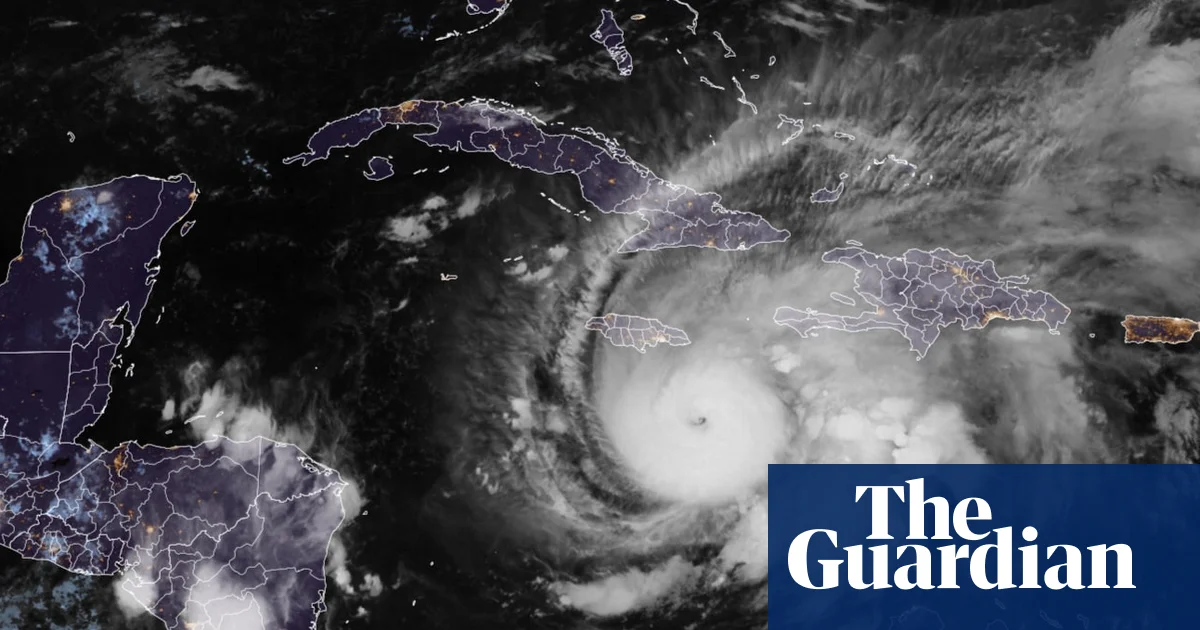

In an era marked by accelerating climate crises, the recent onslaught of Hurricane Melissa has laid bare the intertwined vulnerabilities of geopolitics and natural disasters. Striking the Caribbean with unprecedented strength, Melissa reached record wind speeds as a Category 5 hurricane, the fiercest to make landfall in Jamaica since record-keeping began in 1851. This natural tragedy has triggered a confluence of international aid, local resilience, and geopolitical chess—a stark reminder that when nature unleashes its fury, nations are tested on their capacity to respond and adapt.
At the heart of this catastrophe lies a clear convergence of human-driven climate change and geopolitical response. As the National Hurricane Center reported Melissa’s rapid intensification—upgrading from a Category 3 to a Category 4 storm—climate analysts have pointed to the human cause behind this escalation: the rapidly warming of oceans due to greenhouse gas emissions. This pattern, documented by numerous climate scientists, indicates that the increasing frequency and ferocity of such storms are not merely natural variations but symptoms of a broader planetary crisis. It is *emphatically* evident that the world’s power structures, especially major industrial states, bear responsibility for curbing emissions or facing an existential threat of escalating natural disasters.
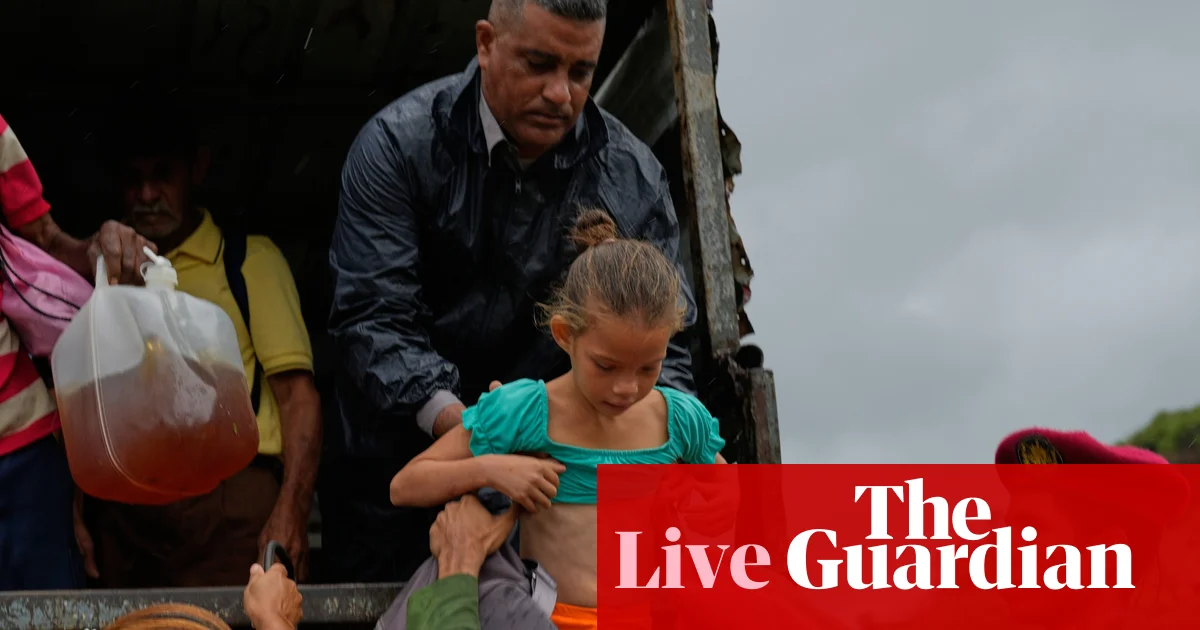
Geopolitical dynamics come sharply into focus as the United States, Cuba, Jamaica, and regional allies mobilize resources to cope with Melissa’s destruction. On Air Force One, President Joe Biden declared the U.S. “prepared to aid Jamaica and other affected nations,” signaling a readiness that, while vital, also exemplifies how climate-induced disasters are reshaping alliances and emphasizing the West’s influence over the Caribbean. Meanwhile, Cuba’s President Miguel Díaz-Canel Bermúdez warned of a “very difficult night,” urging citizens to stay in shelters as Hurricane Melissa threatened to deliver an “extremely dangerous” landfall. The 735,000 Jamaicans evacuated their homes, and aid organizations like the Red Cross prepare to deploy, forecasting an impact potentially surpassing previous natural calamities. These responses underscore a geopolitical landscape where climate disasters are no longer isolated incidents but pivotal factors in regional stability and security—how nations react now will define their geopolitical influence and societal resilience for decades.
International organizations and regional governments confront the brutal truth: their capacity to respond is directly linked to geopolitical stability. Experts warn that the hurricane’s rapid intensification is a *turning point*—a reflection of the climate crisis that demands urgent, coordinated global action. The Caribbean’s vulnerability exposes broader geopolitical vulnerabilities—small nations with limited resources face existential threats, while larger powers are tasked with balancing aid, strategic interests, and climate commitments. As some analysts suggest, *the storm’s wrath could serve as a catalyst*, forcing the international community to reckon more seriously with the human costs of climate neglect. In such moments, history is witnessing the emergence of a new geopolitical calculus—climate resilience and multilateral cooperation—at the forefront of global strategy.
Looking ahead, the relentless march of Hurricane Melissa remains a grim harbinger of what’s to come if decisive action is not taken. As the storm prepares for potential landfalls in Cuba and the Bahamas, with winds reaching up to 145 mph, the world must recognize that these natural events are an *urgent call*—to reimagine environmental policies, to fortify resilience, and to confront the geopolitical shifts that such crises accelerate. This storm, destructive yet illuminating, leaves behind a tumultuous legacy—a reminder that, in the grand theatre of history, nature’s fury is a force no nation can afford to ignore. The unfolding chapter of Melissa’s destruction now writes itself into the annals of history, a stark testament to our epoch’s challenges, and a warning that the weight of the future hangs delicately still in the balance.