
Intensifying Kidnapping Crisis Threatens Nigeria and the Global Security Landscape
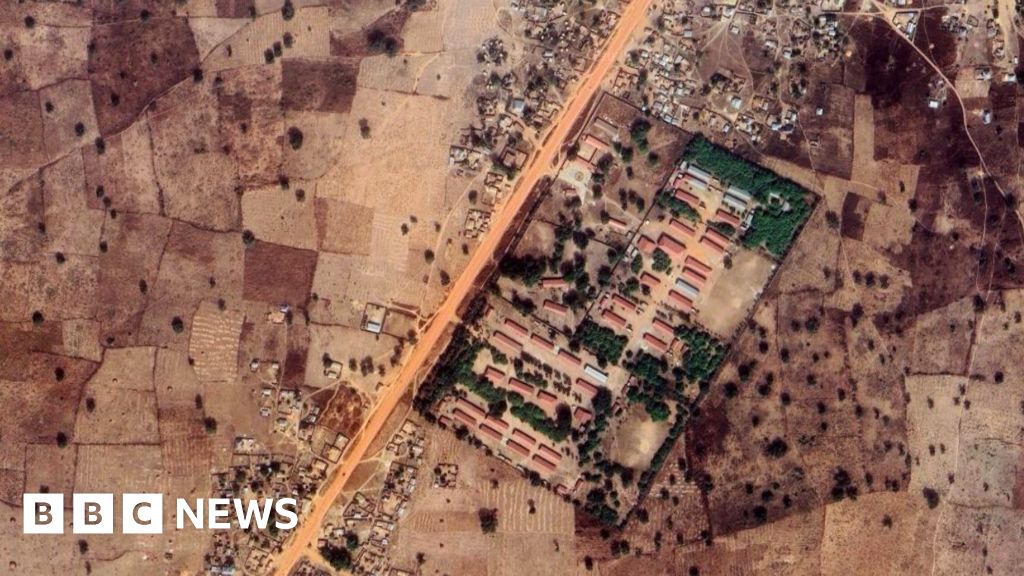
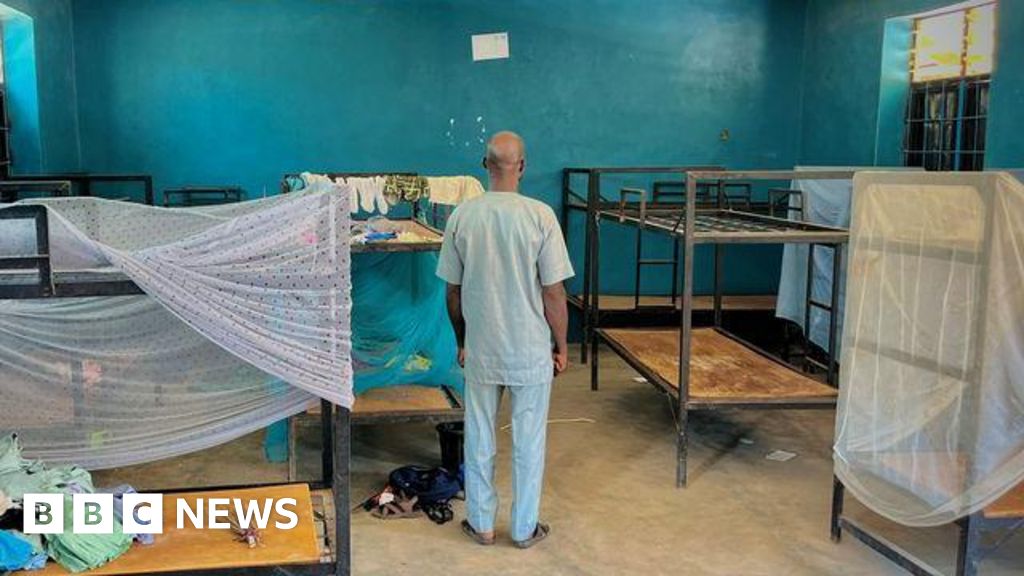
The recent escalation of violent kidnappings in Nigeria reveals a profound failure of the nation’s security apparatus and exposes the fragile fabric of its society. In the early hours of Friday, gunmen operating on motorcycles stormed a Catholic boarding school in Niger, abducting over 300 students and staff, according to the Christian Association of Nigeria. This brutal act underscores the dangerous shift in Nigeria’s insecurity, complicating the country’s internal stability and raising alarm among international observers about the effectiveness of its governance amidst a surge of violent criminal activity.
For years, Nigeria has struggled with a multifaceted security crisis involving Islamist militant groups, regional insurgencies, and criminal gangs. While Islamist militants like Boko Haram have long sought to destabilize the nation, recent kidnappings for ransom, conducted by organized criminal gangs or “bandits,” have become increasingly sophisticated and widespread. These groups exploit Nigeria’s vast forests and rugged terrain—particularly in regions like Niger State—using remote hideouts and routes to conduct their operations. Despite Nigeria’s government policy of outlawing ransom payments, these illicit transactions persist, channeling significant funds into the coffers of criminal entities and fueling ongoing violence.
The security failures are compounded by political decisions, or lack thereof. Niger State governor Umar Bago dismissively downplayed the abductions, suggesting the numbers were exaggerated and blaming school authorities for daring to keep schools open despite credible threats. Such response exemplifies a broader pattern of inadequate crisis management that further destabilizes public trust. Meanwhile, President Bola Tinubu’s decision to cancel his participation in the G20 summit to oversee the crisis signals the severity of the situation. In a rare display of prioritizing internal security, the president vowed to “not relent” in protecting Nigerians, but international analysts question whether such rhetoric can translate into effective action against well-armed, entrenched criminal networks.
- Despite government claims of rescued hostages, parents and local communities report lingering fears and ongoing searches, highlighting a disconnect that hampers recovery efforts.
- Widening insecurity has prompted school closures across Nigeria, disrupting the education of thousands and creating a lost generation vulnerable to extremist recruitment and additional violence.
- The international community, including US President Donald Trump, has expressed concern, with Trump threatening military intervention if Nigeria does not curb the violence—a stark reminder of how internal crises resonate globally.
These events serve as a stark warning about the perilous state of Nigeria, a nation at a crossroads. As violence intensifies and societal trust erodes, the geopolitical implications loom large. Nigeria’s instability threatens not only regional security but also the continent’s economic stability, given its position as Africa’s most populous country and economic powerhouse. International organizations warn that unresolved insecurity fuels migration, arms trafficking, and the spread of extremism, which could destabilize neighboring countries and complicate regional diplomacy.
Historians and analysts caution that the Nigerian government’s current approach—often reactive rather than strategic—risks plunging the nation into a protracted and unresolved crisis. The weight of history suggests that events such as these not only shape the immediate political landscape but also forge the narrative of a nation struggling to keep the promise of stability and progress alive. As families mourn and communities rally against the darkness descending upon them, the unfolding story of Nigeria’s security failure may yet define the legacy of an entire generation—unless decisive, long-term measures are taken. The pages of history turn ever faster, and the future remains uncertain as the world watches how Nigeria confronts its toughest challenge yet, with the echoes of lost innocence haunting its every step into the shadows of chaos.