Matox News

Truth Over Trends, always!

Barnsley drug dealer sets up 'Home Alone'-style booby traps to protect stash—crime spree caught on camera
Barnsley drug dealer sets up ‘Home Alone’-style booby traps to protect stash—crime spree caught on camera

Local Crime Sparks Broader Concerns Over Societal Security

In a striking development that underscores the persistent challenges of law enforcement in the modern era, a British citizen named Ian Claughton, 60, has been sentenced to seven years in prison after orchestrating an elaborate scheme of booby traps—reminiscent of Hollywood’s “Home Alone”—to deter intruders at his properties near Barnsley in South Yorkshire. His ex-wife, Lesley Claughton, received a suspended sentence, highlighting the ongoing fight against organized crime that often blurs the line between street-level criminality and organized enterprise.

Claughton’s trial revealed a fortified network of houses that included not only firearms and drugs but also homemade booby traps, stun guns, and flame-throwers made from everyday materials. His workshop, walled with warnings of fatal consequences for intruders, demonstrates a disturbing mentality—one that appears to prioritize defense over justice. This incident exemplifies how illicit networks are becoming increasingly sophisticated, employing makeshift weapons and elaborate security to protect their operations. According to criminal analysts, such tactics elevate the threat level in local communities and strain emergency response systems, creating ripple effects that extend beyond immediate neighborhoods.

Border Security and International Smuggling—A Global Concern

The Claughton case also illuminates devastating gaps in border security and international trafficking. Authorities intercepted parcels from China containing imitation firearms, which prompted police raids on the properties. This interdiction was crucial, as it prevented potentially lethal weapons from reaching criminal hands. The UK’s Border Force officials, along with regional organized crime units, underscore the importance of vigilant customs procedures as frontline defenses against the proliferation of illegal arms and drugs, both of which contribute directly to violence and destabilization in communities.

Experts warn that the global trafficking of firearms and narcotics exacerbates societal divisions and fuels local violence. The discovery of approximately £27,000 in cash hidden within Claughton’s properties, along with large amounts of amphetamines and illegal weapons, signals a turning point in how illicit operations adapt to law enforcement strategies. These findings, coupled with international smuggling from regions like Asia, highlight the interconnectedness of global crime networks and their capacity to destabilize nations from within. Such patterns threaten geopolitical stability, particularly in countries with weak border controls or corruption, which provides fertile ground for organized crime to flourish.

Implications for Society and the Geopolitical Sphere

The decision to clamp down on these criminal enterprises sends a strong message about the importance of maintaining law and order. For many analysts, these convictions are more than local issues—they are part of a broader struggle to safeguard societal values and security. Historians such as Niall Ferguson caution that the spread of organized crime feeds into an environment of chaos where state authority is challenged, often leading to an erosion of civil liberties and economic stability. International organizations like INTERPOL emphasize the need for cross-border intelligence sharing as critical tools to combat the globalized nature of these syndicates.

As authorities unleash cautions and sanctions, society faces a crucial choice: continue to allow criminal networks to entrench themselves or strengthen global cooperation to fortify borders and reduce the influence of illicit markets. The Claughton case, with its menacing booby traps and smuggling attempts, symbolizes the shadowy frontlines of this ongoing war—a reminder that the fight against organized crime is not merely a matter for local police but a strategic challenge for the entire international community.

In the grand unfolding of history, this event might seem like a detour in the narrative of global stability; yet, it exemplifies how local decisions and clandestine pursuits can shape wider geopolitical outcomes. The choices made today, between escalation and cooperation, will determine whether societies can withstand these dark forces or fall victim to a future haunted by chaos and crime—an ongoing chapter authored by those who dare to test the limits of law and order.


Our private moment turned into a national spectacle in China—hidden cameras caught us off guard

In a disturbing revelation that underscores the vulnerabilities of modern privacy, a couple residing in Shenzhen uncovered that their most intimate moments had been unlawfully recorded and shared as spy-cam pornography. This incident has sent shockwaves through both local communities and international security circles, highlighting an alarming trend of technological exploitation and the potential geopolitical ramifications that stem from domestic security lapses.

The incident involves a pervasive problem that extends far beyond national borders. Experts warn that such invasions of privacy are emblematic of a broader surge in clandestine surveillance, often linked to sophisticated cyber espionage operations. International organizations, including INTERPOL and UNODC, have issued statements emphasizing the increasing reliance of malicious actors on hidden cameras to harvest personal data, which can later be weaponized for various geopolitical motives. Analysts argue that this incident not only breaches individual rights but also exposes vulnerable infrastructures, potentially enabling hostile foreign actors or domestic malefactors to tap into sensitive societal divides.

Historian and security analyst Dr. James Morrison notes that the rise of the so-called “spy-cam economy” is deeply intertwined with shifting geopolitical landscapes. Countries like China, Russia, and even Western nations are witnessing a proliferation of covert surveillance tools, often used to weaken dissent or advance national interests. The Shenzhen case exemplifies the alarming ease with which private spaces can be compromised, reflecting a failure of regulatory measures and cybersecurity defenses. This incident serves as a stark warning to nations globally: the security of personal data is now inseparable from national security, threatening to destabilize social cohesion if left unaddressed.

  • The Shenzhen case has heightened tensions surrounding domestic surveillance policies and the oversight of emerging technologies.
  • International security agencies are increasingly scrutinizing the supply chains of consumer electronics that enable covert recording capabilities.
  • Many nations are now accelerating efforts to implement stricter privacy laws, aiming to curb the spread of malicious spyware and protect citizens from unseen threats.

As governments and civil society grapple with these challenges, the geopolitical impact becomes undeniable. The proliferation of clandestine surveillance tools and the exploitation of personal privacy risks undermining trust in technological progress itself. Critics argue that unchecked technological freedoms could be exploited by authoritarian regimes seeking to crush dissent or destabilize democratic institutions. Conversely, defenders insist that combined international cooperation and robust cybersecurity policies are essential to safeguard individual liberties while ensuring national security. Time is running out, and the crossroads of history demand decisive action. The future we forge will determine whether society remains a space of freedom or succumbs to unchecked surveillance and control.

In the final analysis, the Shenzhen incident is more than a domestic privacy breach; it is a clarion call resonating across the geopolitical landscape. As nations stand at the precipice, forced to confront the darker potentials of technology, history watches with wary eyes. The choices made today will echo through the corridors of power for generations to come, shaping a world where privacy is either preserved as a fundamental right or sacrificed to unseen, pervasive shadow powers. The unfolding story is not merely about a couple in Shenzhen—it is the unfolding tale of civilization’s battle to safeguard its core values amidst the relentless tide of technological upheaval.

Intelligence Chief’s Brother Caught Smuggling Cigarettes into Gaza

In a development that underscores the persistent challenges within Israel’s security and law enforcement spheres, Bezalel Zini, an Israeli military reservist on active duty, has been formally accused of engaging in a significant smuggling operation. According to official reports, Zini allegedly facilitated the trafficking of 14 cartons of cigarettes, a seemingly routine contraband, in exchange for approximately $117,000. While this incident might seem isolated, its implications extend far beyond individual misconduct, touching on broader issues of national security, internal stability, and the fragile balance of law enforcement integrity within a key international player.

Israel’s geopolitical landscape remains tightly intertwined with ongoing regional tensions, especially concerning its immediate neighbors and the broader Middle East. The incident involving a reservist on active duty raises questions about potential vulnerabilities within the country’s military and security apparatus. Critics, including prominent international analysts and some human rights organizations, argue that such breaches – whether at the individual or systemic level – could be exploited by adversaries to undermine Israel’s strategic deterrence. Furthermore, questions abound about the extent of illicit activities operating within the military establishment and how they might be leveraged for foreign influence or destabilization efforts.

Historically, Israeli military officers and government officials have emphasized the importance of integrity within the armed forces, viewing any breach of discipline as a potential risk to national security. According to security experts and organizations like the International Institute for Strategic Studies (IISS), maintaining an unassailable reputation is vital not only for internal cohesion but also for fostering confidence among allies and the global community. The Zini case sparks broader debates about whether internal corruption or lax oversight could jeopardize Israel’s diplomatic standing, especially amidst an ever-evolving geopolitical environment marked by regional upheavals and the persistent threat of asymmetric warfare.

The incident also echoes historical warnings given by analysts such as Michael Oren and Avner Cohen, who have long cautioned about the potential for internal fissures within Israel to manifest as external vulnerabilities. As the Jewish state faces mounting security challenges, including threats from Iran and militant groups, any hint of compromised integrity within the ranks could provide openings for opportunistic actors to sow discord and destabilization. This case serves as a stark reminder that internal discipline—or the lack thereof—can have profound ramifications for geopolitical stability. As international institutions continue to monitor developments in the region, the incident is a sobering testament to the importance of vigilance, oversight, and accountability in safeguarding a nation’s sovereignty.

As history unfolds and the world watches, the emergence of internal vulnerabilities remains a potent symbol of the delicate balance upon which national security rests. The Zini affair is more than a simple case of smuggling; it is a microcosm of the challenges faced by modern states fighting to maintain legitimacy and resilience in an unpredictable era. With each decision and each revelation, the narrative of Middle Eastern geopolitics is being written anew—ambiguous, complex, and driven by the ongoing struggle to define the future. In the shadow of this incident, one thing remains clear: the weight of history continues to press down upon us, as nations and societies brace for the next chapter in an unfolding drama of power, trust, and survival.

France on Edge: Kids Caught in Crossfire of Marseille Drug War

In the historic port city of Marseille, a disturbing psychose has gripped its once lively streets, revealing the devastating impact of unchecked organized crime and social neglect. Reports emerging from local authorities, community leaders, and international analysts depict a city in chaos, where the fabric of law and order is unraveling amid a surge of violence, juvenile involvement, and a rapidly evolving drug trade. The harrowing scenes of children witnessing brutal murders, such as in the recent case of 15-year-old Adel, serve as grim symbols of a society under siege, with violence becoming part of everyday life.

Over the past eight years, France’s Ministry of Justice estimates a more than fourfold increase in teenagers recruited into the drug trade, a crisis amplified by social media’s dark influence and the erosion of traditional social structures. French police have responded with what officials euphemistically term “security bombardments,” raiding disorganized drug dens and arresting hundreds, yet the problem persists. With an estimated 20,000 individuals involved in Marseille’s illicit industry—culminating in confiscated assets worth €42 million in a single year—the city remains a battleground. Analysts warn that such measures are merely surface responses, failing to address the root causes entrenched within poverty, marginalization, and systemic corruption.

Adding fuel to the fire is the growing role of *foreign* actors, with local politicians like Franck Alissio claiming that much of the criminal leadership comprises immigrants or foreigners with dual nationality. This controversial assertion, though difficult to verify, underscores the debate over national sovereignty and social integration. Meanwhile, community organizer Mohamed Benmeddour describes children as young as 13 being coerced into violence and drug trafficking, often under threat of torture or death. The social fabric is fraying, as a younger generation becomes ensnarled in cycles of violence, with the grisly murder last month of Mehdi Kessaci, a young police trainee, serving as a stark turning point. His family’s mourning, coupled with the community’s trauma, illustrates how violence is now a weapon used by gangs to sow fear and exert control.

Many experts, including Philippe Pujol, caution against over-reliance on stronger police actions alone, emphasizing that such tactics only mask deeper societal wounds. Instead, they advocate for comprehensive reforms addressing the chronic poverty, educational neglect, and political failures that nourish organized crime. Yet, political factions such as the far-right National Rally propose draconian measures—including stricter border controls and immigration policies—as quick fixes. This discourse reveals a fractured society struggling to reconcile its rich history as a melting pot with the realities of modern urban chaos.

As Marseille teeters on the brink of societal collapse, her streets tell a story of decline, where hope battles the specter of despair. Amid the relentless gunfire, scorched bodies, and the sirens echoing through alleyways, history remains an unfinished narrative—a story not just of crime, but of nations failing to safeguard their future generations. With each new tragedy, the city’s scars deepen, serving as a dark warning: unless decisive action is taken to confront the deeper roots of this crisis, Marseille’s story may become a tragic blueprint for the unraveling of urban societies across the world.

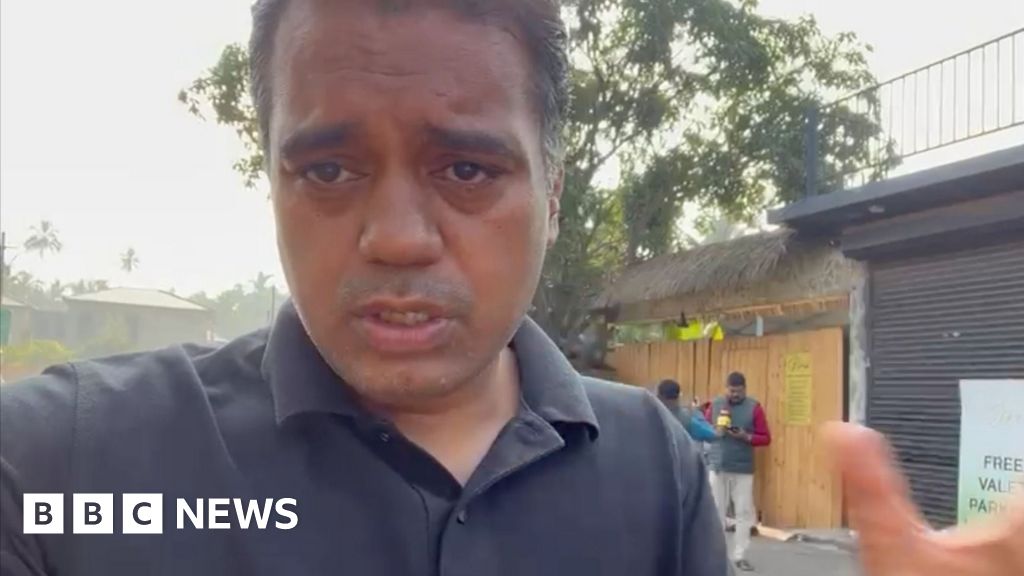
BBC reports tragedy at Goa nightclub blaze—youths caught in deadly fire

The devastating fire at the nightclub Birch in Goa, India, which claimed the lives of 25 individuals, including staff and tourists, has sent shockwaves across both local communities and the international community. As authorities launch investigations into the cause of the blaze, this tragedy emphasizes the persistent dangers faced by social venues worldwide, especially in countries where regulatory oversights may be insufficient.

The incident unfolded when witnesses described the nightclub being engulfed in what one eyewitness called a “complete fireball,” suggesting a rapid and catastrophic spread of flames. The BBC’s India Editor Vikas Pandey’s visit to the scene illuminated the extent of the destruction, prompting urgent discussions about safety standards in popular tourist destinations. Fire safety lapses, poor infrastructure, and inadequate emergency response protocols have become recurring themes in such disasters, prompting international analysts to caution against complacency. Global institutions such as the World Health Organization and UNEP have long warned that lax safety regulations in developing nations not only threaten lives but also tarnish their reputations on the tourism and investment fronts.

While investigations continue, the geopolitical impact of such incidents cascades beyond India’s borders. Countries heavily dependent on tourism, like Thailand and Mexico, watch these events with concern, recognizing the fragile balance of economic reliance on safety and hospitality standards. Decisions regarding regulation enforcement and safety investment directly influence how tourists perceive risks, ultimately affecting international travel flows. Moreover, this tragedy compounds existing narratives about safety in emerging markets—narratives that are often exploited by political actors aiming to undermine confidence or push for reforms. How nations respond to such crises can determine their future standing on the world stage.

Analysts and historians stress that history repeatedly demonstrates how failures in public safety often serve as catalysts for systemic policy shifts. In India, this incident could become a pivotal moment, accelerating reforms in safety standards for entertainment venues nationwide. Such reforms, however, carry their own political and economic implications, potentially imposing burdens on local businesses and shaping regulatory landscapes for years to come. The international community, through organizations like the International Labour Organization, emphasizes the importance of proactive measures—yet many developing nations grapple with implementing such policies amidst the pressures of tourism-driven growth. How governments prioritize safety and regulatory adherence reflects a broader question about their commitment to citizen and visitor security.

As the smoke clears over Goa and investigators sift through the charred remains of the nightclub, the true weight of this tragedy is yet to unfold. The loss of life serves as a stark reminder that beneath the allure of entertainment and relaxation, societal vulnerabilities remain. History’s pages are being written in real-time, and while nations strive to rebuild and reform, the shadow of this fire looms large—its echoes urging the international community to wake from complacency and remember that the margin for error in safety is razor-thin. This incident is a stark chapter in the ongoing saga of human resilience and societal responsibility, with the weight of history still unfolding.

Drunk raccoon crashes liquor store after break-in, caught snoozing on the job

In an era marked by rapid geopolitical shifts, the decisions and actions of international powers continue to shape the course of world stability and global influence. As nations navigate complex alliances, economic strategies, and long-standing treaties, the stakes have never been higher. Recent developments underscore how the weight of history presses heavily upon policymakers, often with unpredictable consequences. Analysts from organizations like the United Nations and leading geopolitical think tanks emphasize that the choices made today will resonate through decades, impacting the social and economic fabric of societies worldwide.

This ongoing saga is exemplified by the mounting tensions between China, the United States, and their respective allies. The renewed confrontations in the Indo-Pacific region have drawn international concern, with many experts warning of a new Cold War era. The recent signaling from Washington about increased military presence and economic sanctions demonstrates a deliberate effort to contain China’s rise, which Beijing perceives as a direct challenge to its sovereignty and economic ambitions. Meanwhile, Europe, caught between these global giants, faces its own crossroads as it seeks to balance energy security and economic resilience against the backdrop of a shifting global power dynamic. The recent breakdown of longstanding treaties and the marginalization of traditional diplomacy highlight a world increasingly driven by direct confrontation and strategic posture.

Adding to this volatile landscape are internal conflicts and societal upheavals that ripple from these global tensions. Impactful decisions on trade, military alliances, and diplomatic engagement carry consequences that extend far beyond the halls of power. The destabilization of key regions manifests through refugee crises, economic downturns, and the erosion of national sovereignty. Notably, international organizations such as the World Economic Forum and European Union have issued warnings of potential fragmentation and economic fallout, emphasizing that how nations respond to these challenges will shape international order for generations. As history’s architects continue to chart their strategies amidst a whirlwind of uncertainty, the world braces for the ripple effects of decisions whose final outcomes remain dangerously unpredictable.

In this unfolding drama, the underlying threads of national pride, economic interests, and strategic dominance weave a complex tapestry. The question facing the world is whether diplomacy can prevail over conflict, or if the tides of history will continue to push humanity toward an era of unanticipated chaos. As analysts and historians scrutinize every move, one truth remains clear: thech-nations today stand at a precipice, with the weight of history pressing heavily upon their shoulders, crafting an uncertain but undeniably pivotal chapter of global affairs. The story is still being written—its ending, however, remains shrouded in the fog of what is yet to come.

Teen 'Slender Man' attacker Morgan Geyser caught after fleeing custody
Teen ‘Slender Man’ attacker Morgan Geyser caught after fleeing custody

In recent years, young individuals across the globe have become entangled in developments that underscore the fragility of societal safety nets and the influence of digital folklore. The case of Morgan Geyser, the 23-year-old involved in the infamous 2014 Slender Man stabbing, exemplifies how online mythologies can transcend virtual boundaries, inspiring real-world violence that shocks entire nations. Her escape from a group home in Wisconsin, and subsequent arrest at a truck stop in Illinois, serve as a stark reminder that the confluence of mental health challenges, youthful impressionability, and digital subcultures demands urgent international policy attention.

  • The attack was carried out by Geyser and her childhood friend, Anissa Weier, both aged 12 at the time, motivated by stories from creepypasta—the internet’s dark folklore describing the shadowy figure known as Slender Man.
  • Geyser was sentenced in 2018 to 40 years in a mental hospital—an outcome that reignited debate over juvenile justice, mental health treatment, and the influence of cyberspace on impressionable minds.
  • Her recent attempt to flee detention highlights the ongoing security and societal risks posed by individuals who have been conditionally released, especially when societal cohesion is strained by misinformation and the unchecked spread of fringe narratives.

This incident underscores a >concerning trend recognized by international organizations such as the United Nations, which warns that digital ecosystems can radicalize youth and obscure the line between myth and violent reality. Historians and analysts have long debated whether modern media amplify youthful vulnerabilities or simply reveal existing societal fissures. The Geyser case starkly exemplifies the <psychological toll> of digital mythology, which can distort perceptions of reality, especially among the most impressionable. Many experts argue that the online environment, unlike traditional folklore, is less regulated and more potent in shaping dangerous beliefs—an aspect nations worldwide are now grappling with.

The geopolitical impact of such incidents extends beyond criminal justice. They highlight potential vulnerabilities in national security frameworks, as online subcultures and misinformation networks can proliferate violent ideas across borders without regard for state sovereignty. Some international security agencies are advocating for strengthened cooperation to monitor and counteract the spread of harmful narratives that could incite violence, emphasizing the need for a coordinated approach that involving technological, educational, and legal measures. As nations prioritize these strategies, the consequences of their decisions—whether stronger mental health initiatives or internet regulation policies—will have lasting effects on how societies manage youth wellbeing and digital literacy.

In the broader context of an increasingly interconnected world, the Geyser case is a stark chapter in a narrative still being written. It reminds policymakers, communities, and families that the digital age demands vigilant stewardship of the minds of future generations. History will judge whether decisive, collaborative action can stem the tide of such tragedies or whether mankind will continue to watch helplessly as the line between myth and reality blurs in the chaos of a digital dawn—not with hope, but with the weight of the lessons lost and the future yet to be shaped.

South African man caught at neo-Nazi rally loses Australian visa, protecting our values

In a disturbing display of rising populist extremism, Australia recently confronted a stark reminder of the global threat posed by far-right ideology and neo-Nazi sympathies. A South African immigrant, Matthew Gruter, who has been residing in Australia since 2022, was seen participating in a neo-Nazi rally outside the New South Wales parliament organized by the National Socialist Network. The event, attended by approximately 60 men dressed in black and chanting racist slogans, revealed that Europe’s old demons are finding fertile ground in the Pacific continent—a development that nations must take seriously in the face of returning fascist rhetoric and anti-Semitic mobilization. Australian authorities swiftly responded, revoking Gruter’s visa on character grounds and detaining him as they prepare to deport him, underscoring the government’s firm stance against hate speech and Extremism.

This incident comes amid heightened efforts by the Australian government to combat the resurgence of extremism in the region, which many analysts warn could threaten the fabric of multiculturalism that has defined Australia’s modern identity. Home Affairs Minister Tony Burke emphasized that visa holders in the country are considered guests, and those who actively promote hatred or division are unwelcome. “Like any household, if a guest turns up to show hatred and wreck the household, they can be told it’s time to go home,” Burke stated, making clear that the Australian government views such acts as unacceptable breaches of societal norms. The decision to deport Gruter was based on concerns that his participation in the rally not only contravenes Australia’s anti-racism laws but also undermines the nation’s commitment to multicultural values—a stance supported by many international organizations advocating for the preservation of pluralistic societies amid growing global intolerance.

The rise in neo-Nazi activity and anti-Semitic incidents in Australia has elicited alarm from various advocacy groups. The Jewish Council of Australia warned that such hate groups pose a direct threat to multiculturalism, emphasizing the need to distinguish between peaceful protests and acts of hate. The rally’s chants of “blood and honour,” a phrase linked to Hitler Youth, evoke a dark chapter of history that should serve as a warning rather than a rallying cry. The Australian government’s decisive action signals a broader commitment to uphold the values of modern, inclusive society in the face of divisive and extremist rhetoric. Meanwhile, international observers, including analysts from regional security think tanks, warn that what occurs within Australia could mirror a distrubing wave of similar radicalism elsewhere, as global politics ferment conflicts around identity and sovereignty.

History’s gaze lingers over this modern chapter where nations are forced to confront the re-emergence of dangerous ideologies: a reminder that the struggle against extremism is not confined within borders but is a shared, global challenge. With the resurgence of such hate-mongering, international institutions and governments alike find themselves at a pivotal crossroads. As the Australian government asserts its authority to cleanse its society of those who threaten its cultural harmony, the bigger story unfolds—a story of nations defending their sovereignty and values against forces that threaten to unravel them. Here, amidst the echoes of history’s darkest moments, the watchful eyes of the world remain, knowing the weight of the future is still being written, piece by piece, in this unfolding struggle for civilization itself.

Social Media Auto Publish Powered By : XYZScripts.com