Matox News

Truth Over Trends, always!

Thailand and Cambodia clash persists despite Trump’s ceasefire claim

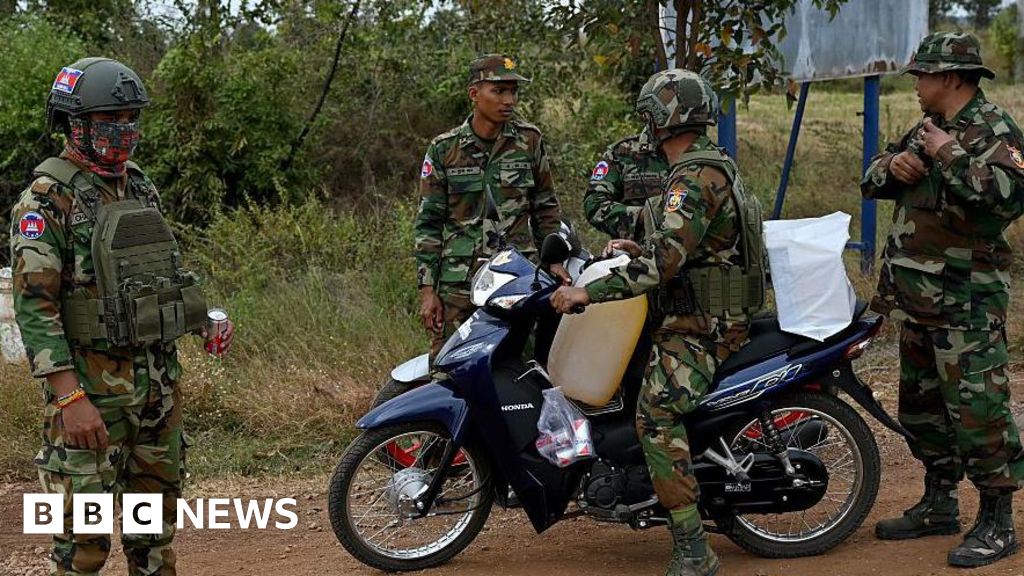
In a dramatic turn of events, Thailand and Cambodia are once again embroiled in fierce border clashes that threaten regional stability and challenge international diplomacy. Despite claims from U.S. President Donald Trump of a ceasefire agreement, reports indicate that hostilities persisted overnight, with Thai forces continuing to press along the border and Cambodian forces launching renewed rocket attacks. The long-standing border dispute, rooted in colonial-era demarcations, has surged back into violent confrontation, illuminating how unresolved historical grievances can resurface with devastating consequences.

It was on Friday night that President Trump announced, through social media, that a mutual ceasefire had been negotiated, citing the双方 agreement to return to previous accords signed in October. However, the reality on the ground diverged sharply from diplomatic pronouncements. Thai Prime Minister Anutin Charnvirakul clarified that Thailand’s military actions would persist until Cambodia fully withdrew its forces and demined the border—a demand that Cambodia, in turn, rejected, stating that landmines left from the 1980s civil war could not be removed overnight. As fighting escalated with shelling, air strikes, and casualties mounting—at least 21 deaths and 700,000 displaced—analysts and international observers warned of an emerging crisis that could destabilize Southeast Asia even further.

The geopolitical impact of these renewed hostilities extends beyond bilateral tensions. The region, historically a pincushion for imperial interests, is again demonstrating that local disputes can quickly spiral into flashpoints with broader consequences. The United Nations and regional organizations like the ASEAN have voiced concern but largely remain powerless to de-escalate the conflict. The fact that the clashes involve air strikes and landmine threats indicates a shift towards more aggressive tactics, fueling fears that the conflict could spiral into a larger regional war if not contained. Global analysts warn that unchecked violence will deepen mistrust and undermine efforts for concrete border resolutions, threatening decades of fragile peace.

Moreover, the diplomatic efforts—lauded initially as a breakthrough—are now under scrutiny for their actual efficacy. Thailand’s warning to the US to avoid linking the conflict to trade policy underscores the delicate balance of geopolitics in Southeast Asia. The region’s major powers, including China and India, watch intently, aware of how this conflict could be used to influence broader strategic interests. Historians note that this border dispute, essentially inherited from colonial maneuvering, exemplifies how historical lines drawn by foreign powers continue to incite violence, threatening to undo the region’s progress towards stability.

As Cambodian reports of fresh Thai air strikes surface amid continued firefights and accusations of ceasefire violations, the phrase “the peace process is fragile” echoes among diplomatic corridors. The conflict’s unresolved history combined with recent military escalations paints a disturbing picture of a region at the brink. The global community, led by a fragile international order, must grapple with the dangerous dynamics at play. The weight of history, compounded by contemporary geopolitical ambitions, leaves South-East Asia in a state of uncertainty—poised on the precipice where peace and chaos collide, and the lessons of the past threaten to be lost amid the roar of ongoing conflict. With each day, the story of this border dispute writes itself deeper into the fabric of history—reminding us that some conflicts, once ignited, may burn longer than anyone expects, shaping the face of the future in ominous ways.
Thailand and Cambodia Clash Again Despite Trump’s Ceasefire Claim

Emerging Crisis on the Thai-Cambodian Border: A Tug of War with Global Ramifications

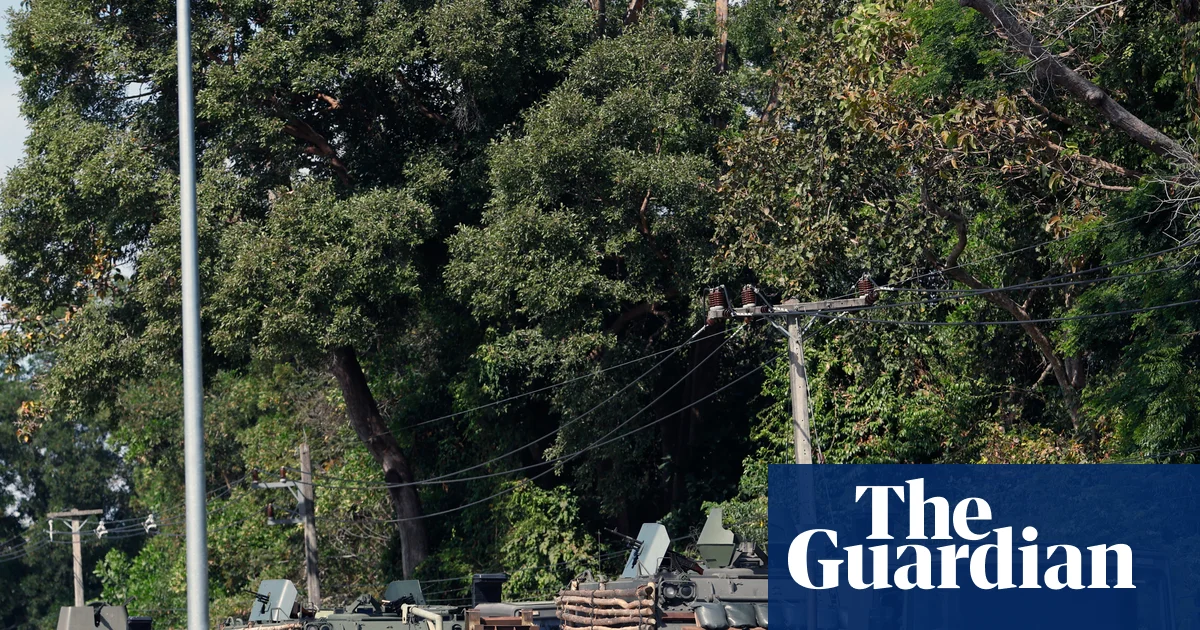
The recent escalation of hostilities along the Thai-Cambodian border has reignited longstanding tensions rooted in historical territorial disputes. Despite claims from U.S. President Donald Trump that a renewed ceasefire had been agreed upon through diplomatic channels, the reality on the ground suggests a far more volatile and unpredictable conflict. Cambodian officials assert that Thai forces, including fighter jets, continue to strike targets across the border, undermining any claims of a peaceful resolution. Meanwhile, Thailand’s military counters with accusations of violations of international rules, specifically targeting civilian areas and deploying landmines—a move that only deepens the cycle of violence.

This fragile flashpoint reflects more than a regional dispute; it is emblematic of the geopolitical impact of external influences and flawed diplomatic interventions. The United States, under Trump’s leadership, played a pivotal role in the original peace accord, leveraging threats to withdraw trade privileges to push Thailand and Cambodia toward compromise. Yet, as recent weeks demonstrate, treaties and ceasefires tend to be fragile, especially when interconnected with historical grievances and nationalistic fervor. Analysts, including scholars at the International Crisis Group, warn that such unresolved conflicts risk broader regional destabilization, especially as both countries leverage their respective military capabilities—Thailand with jet fighters and Cambodia with BM-21 rocket launchers—further escalating the threat of wider conflict.

Despite claims of a renewed ceasefire brokered during a call involving Trump, Prime Minister Hun Manet of Cambodia, and Prime Minister Anutin Charnvirakul of Thailand, the reality remains discordant. Neither Thai nor Cambodian leaders officially acknowledged the agreement in their subsequent statements, and the Cambodian prime minister even indicated ongoing hostilities. This disconnect highlights the fragile nature of international diplomacy in volatile regions and the importance of verified facts. The conflict’s roots are embedded deeply in history—dating back to colonial-era border demarcations and international court rulings—further complicating diplomatic efforts. Notably, a 1962 ICJ decision awarded sovereignty over border territories to Cambodia, a verdict still fiercely contested within Thailand, fueling persistent enmity.

As violence erupts anew, the broader implications for international stability are significant. The United Nations and regional actors are watching with concern as at least 20 lives have been lost in recent clashes. The regional hierarchy remains fragile, with Malaysia’s role as a mediator underscored by its hosting of previous peace accords, yet these efforts are frequently undermined by nationalist rhetoric and strategic military deployments from both sides. The ongoing clash acts as a stark reminder that unresolved historical disputes, if left unaddressed, threaten to spiral into broader conflicts that could draw in neighboring nations and shift regional power dynamics. The weight of history presses heavily on the present, and the international community must tread carefully, mindful that tomorrow’s calamity could easily become today’s irreversible tragedy.

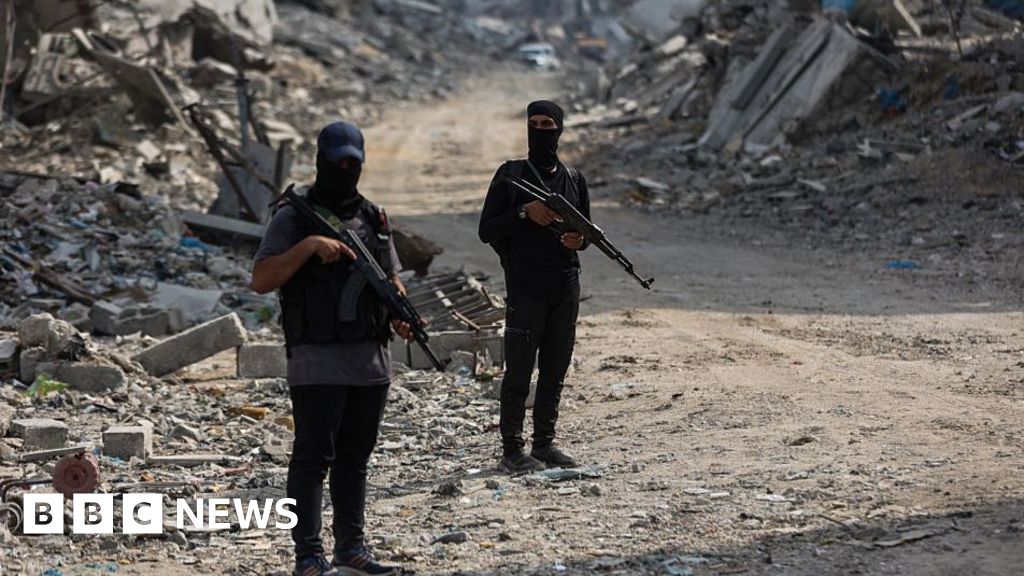
Hamas Tunnel Defense Blocks Gaza Ceasefire Progress

Amid escalating violence and political deadlock, Israel, the United States, and regional actors are embroiled in a tense effort to forge a lasting ceasefire in Gaza. The recent return of US envoy Jared Kushner to the region underscores the renewed diplomatic urgency. Despite the sporadic releases of hostages and humanitarian aid, fundamental issues such as Hamas’s disarmament, future governance of Gaza, and international security arrangements remain unresolved. Analysts from the International Crisis Group warn that these sticking points threaten to unravel international efforts, emphasizing how fragile peace still teeters on the brink of collapse.

Key negotiations have been marred by entrenched positions from both sides. Hamas continues to demand safe passage for its fighters in Rafah, which Israel has categorically rejected. Notably, the recent negotiations reveal a divide not only over tactical ceasefire measures but also over the overarching disarmament and demilitarization of Gaza. The plan, supported by some Western analysts, envisions a phased approach—initially securing the release of hostages and rebuilding trust, then progressing toward disarmament. However, Benjamin Netanyahu and his government maintain that any disarmament must be accompanied by the complete demilitarization of Hamas and the establishment of a robust international security force—a prospect that many nations and regional actors find problematic due to concerns over sovereignty and long-term stability.

Amid these negotiations, the regional geopolitical landscape is in flux. Arab countries, wary of the potential permanent division of Gaza, have issued cautious statements emphasizing the risks of a divided Palestinian territory. Meanwhile, Israel’s occupation of over half of Gaza’s territory and its resistance to involving the Palestinian Authority reflect a broader tension: how to reconcile security concerns with hopes for peace and Palestinian sovereignty. The Trump administration’s recent plan, notably excluding pathways to Palestinian statehood, has further deepened regional skepticism. Historians such as Rashid Khalidi argue that without a political solution rooted in Palestinian self-determination, the cycle of violence and fragmentation may continue indefinitely, with serious consequences for global stability.

As conflict continues, the weight of history bears down on negotiations that could define the future of the region. The ongoing tragedy—marked by over 69,000 lives lost and countless others displaced—reminds the international community that decisions taken today will echo through generations. With both sides entrenched and external powers cautious about full involvement, the possibilities for a sustainable solution appear so distant, yet the urgency to act remains clear. The story of Gaza is still being written, with each chapter promising either the dawn of peace or the descent into further chaos—here, history’s choice hangs in the balance, waiting to see which path will be forged in the sands of a conflict that has already reshaped the geopolitical map for a generation.

Israeli strikes in Gaza overnight kill 60+, risking fragile ceasefire

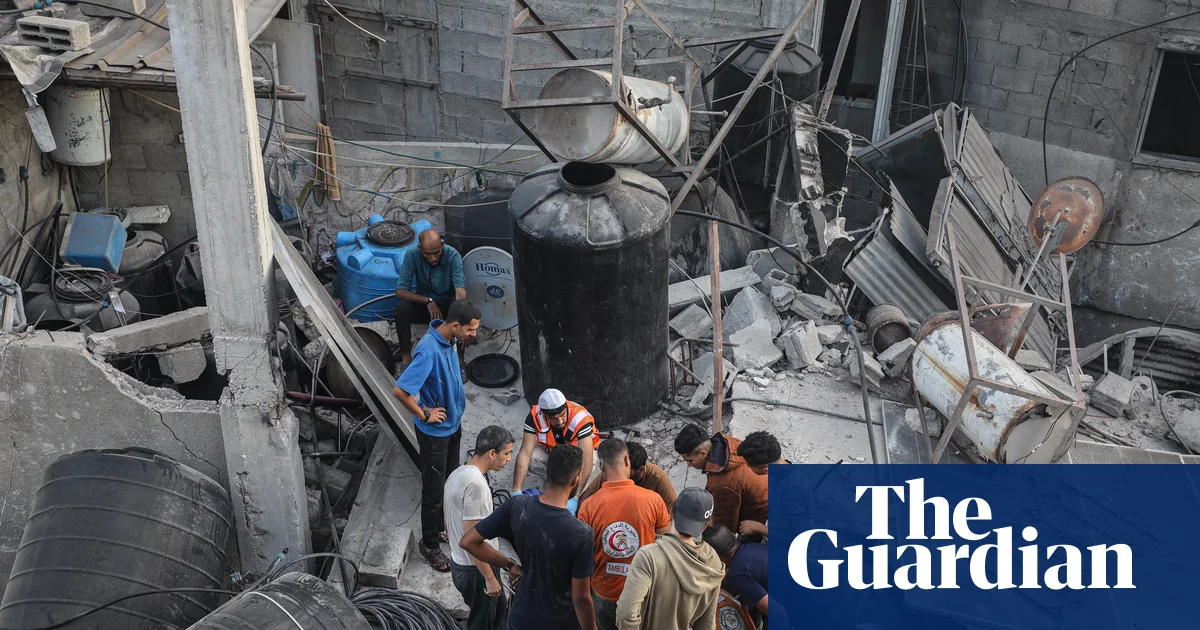
The recent escalation of violence in Gaza marks a concerning turning point in the ongoing Israeli-Palestinian conflict, exposing the fragile veneer of the current ceasefire brokered by United States diplomacy. Overnight, Israel launched a series of airstrikes that claimed at least 60 Palestinian lives, including 22 children, and injured around 200 others. These deadly attacks come amid mounting tensions following a firefight between militants and Israeli forces, as well as controversy over the handling of hostage remains, which has further inflamed regional hostility. According to Gaza’s civil defense agency, the airstrikes targeted civilian infrastructure, including homes, tents for displaced persons, and hospital complexes, deepening fears of a wider humanitarian catastrophe. These strikes demonstrate how, even with international agreements in place, the underlying issues—such as the return of hostages and disarmament—remain unresolved and dangerously volatile.

The ceasefire, initially established on 10 October, has been marred by repeated violations, with Gaza’s media reporting at least 80 breaches, resulting in nearly 100 Palestinian fatalities and hundreds of injuries. Historians and analysts have underscored that such fragile agreements rarely hold in the face of entrenched grievances and strategic interests. Experts warn that these recurrent violations threaten to unravel the broader peace process, risking renewed full-scale conflict. The controversy over Hamas’s handling of remains—exchanging the bodies of hostages for Palestinian prisoners—has become a flashpoint, with the militant group denying responsibility for recent violence and asserting difficulties in locating all the bodies. The conflict over bodies, along with unresolved issues of disarmament of Hamas’ weaponry, underscores how combatant agendas and complex local dynamics continue to hinder diplomatic progress.

Meanwhile, U.S. President Donald Trump reaffirmed his stance on maintaining the ceasefire, insisting that “nothing” would jeopardize the agreement. Yet, his calls for Israel to “hit back” in response to casualties reflect a broader divergence in regional leadership perspectives. Conversely, in Israel, far-right ministers like Itamar Ben-Gvir and Bezalel Smotrich are clamoring for a return to full-scale military operations, emphasizing the deepening divide within Israeli politics over how to approach Hamas and the ongoing occupation of Palestinian territories. The Israeli military has not yet disclosed the full scale of recent operations, but their recent statement suggests preparations for potential escalation. Such internal disagreements and international pressure highlight the risks of diplomatic paralysis and the potential for regional escalation, profoundly impacting geopolitical stability.

The international community, including the United Nations, has expressed concern over the mounting violence, with critics warning that failing diplomacy could lead to a broader conflict with devastating consequences for civilians on both sides. As Hamas’s chief negotiator Khalil al-Hayya suggested, their weapons are tied to the “existence of occupation and aggression”—a statement pointing to a deeper, unresolved conflict rooted in decades of opposition to Israeli policies and military dominance. The question remains whether the unresolved issues of disarmament, prisoner exchanges, and the future governance of Gaza will be addressed amidst escalating violence or escalate into a new chapter of tragedy. History’s relentless march demonstrates that failed peace agreements often leave societies scarred and international stability in jeopardy, making this moment a critical juncture where the weight of history presses heavily on the present.

Gaza Ceasefire Update: JD Vance Heads to Israel as Another Hostage Is Recovered

International Tensions Rise as Israel and Gaza Maintain Fragile Ceasefire Amid Diplomatic Maneuvering

The ongoing conflict between Israel and Hamas has reached a precarious new phase, marked not only by battlefield developments but by an intense diplomatic effort from global powers seeking to stabilize what many describe as a deeply fragile ceasefire. After intense fighting that resulted in over 1,200 deaths and hundreds of hostages captured in October 2023, recent developments indicate that international actors are closely watching each move, understanding the significance of every diplomatic shift in this volatile arena. Yet, despite efforts to uphold peace, underlying tensions remain palpable, with the specter of renewed violence never far from the surface.

The situation intensified when *Israel* announced the successful identification of the remains of Sgt. Major Tal Chaimi, one of the hostages captured during the Hamas-led attacks. The Israeli Prime Minister’s office confirmed that the body, returned from Gaza, was definitively identified. Chaimi was a commander of the Nir Yitzhak kibbutz defense militia and was killed defending his community in the October assault that left approximately 1,200 Israelis dead and 251 taken hostage. His return—along with the remains of other victims—symbolizes an important, yet delicate, step forward in the ongoing negotiations mediated by international players. Meanwhile, Israel remains wary about the ongoing efforts, accusing Hamas of insincerity and insufficient effort in repatriating the remaining 15 bodies of hostages. The Palestinian militant group maintains that *war damage and military restrictions* imposed by Israel hinder their ability to locate all the deceased, underscoring the deep-rooted mistrust fueling the conflict.

Global Diplomacy in the Crossfire: The U.S. and Regional Mediation Efforts

Amidst the tension, the United States has re-entered the scene with high-profile diplomatic initiatives. *US* Vice-president JD Vance is scheduled to visit Israel, a sign that Washington continues to prioritize its role in facilitating negotiations and maintaining the still-vulnerable ceasefire. In a recent speech, Israeli Prime Minister Benjamin Netanyahu outlined America’s ongoing efforts, emphasizing that discussions would focus on *security challenges and diplomatic opportunities*. This cautious rhetoric reflects the broader international anxiety about the potential for either side to trigger a renewed cycle of violence. Alongside U.S. diplomacy, Egyptian, Qatari, and Turkish mediators have been engaged in Cairo, attempting to shepherd a second phase of the Trump-era plan that includes *Israeli troop withdrawals* and *Hamas disarmament*, a proposal met with serious reservations from the militant group. Historians and analysts warn that without genuine cooperation, these negotiations could swiftly unravel, plunging the strip into further chaos.

Furthermore, *Hamas* officials attribute delays to the war’s devastation and Israeli military control over parts of Gaza, complicating efforts to recover all hostages’ bodies. As international mediators call for increased effort and transparency, the escalating warfare—marked recently by Israeli airstrikes and threats of aid cessation—raises alarms about the peace process’s sustainability. The U.N. and various NGOs watch anxiously, emphasizing the humanitarian crisis unfolding in Gaza, with little clarity on aid flows amid ongoing hostilities.

The Broader Geopolitical Landscape and Future Outlook

This ongoing scenario underscores the geopolitical impact of a conflict that has long threatened regional stability. *Israel*’s strategic calculations continue to be influenced by internal security concerns, regional alliances, and external pressures from global superpowers. Meanwhile, *Hamas* remains resolute, refusing to disarm unless their demands—including Israeli troop withdrawals and political concessions—are met. International organizations such as the United Nations and analysts from think tanks warn that these negotiations are often fragile, with the potential for missteps that could ignite full-scale war or ignite wider regional conflicts.

As diplomatic efforts unfold behind closed doors, the weight of history bears down on the region. The recent return of a single hostage’s remains and the limited progress in hostage negotiations serve as stark reminders of the delicate balance between peace and chaos—where a single miscalculation could ignite the next chapter of violent instability. The world watches as acts of diplomacy intertwine with the shadows of war, forever uncertain of how this story, still being written, will end. History is watching, and tomorrow’s decisions will dictate whether the strain in Gaza finally breaks—and what the aftermath will mean for the global order.

Aid groups halt Gaza work amid ceasefire uncertainties

International Tensions Escalate as Gaza Humanitarian Efforts Face New Challenges

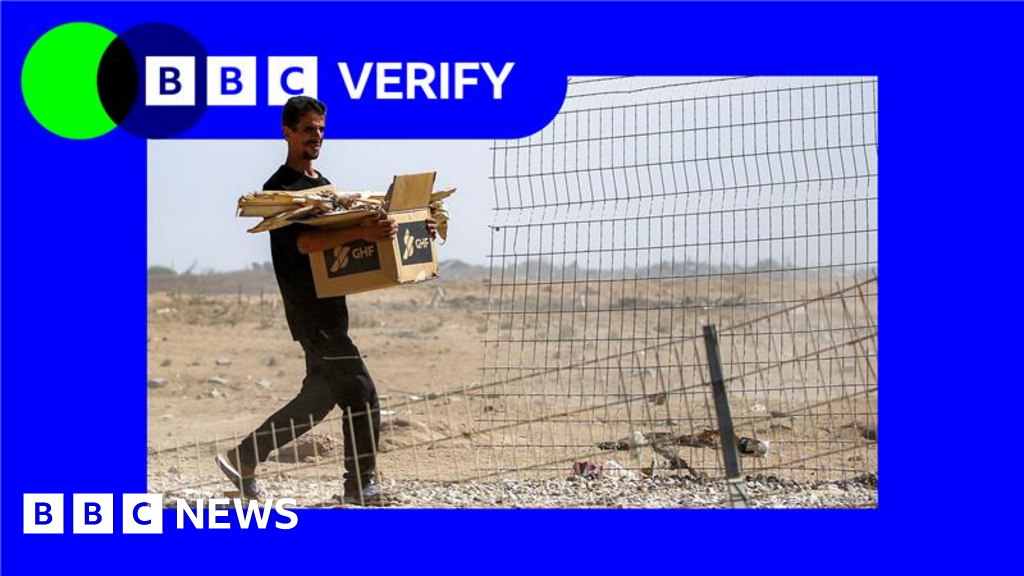
In the wake of the recent ceasefire between Israel and Hamas, the fragile stability of the Gaza Strip remains under intense scrutiny from international watchdogs and geopolitical strategists alike. The Gaza Humanitarian Foundation (GHF), a US and Israeli-backed relief organization, has officially suspended operations after its aid distribution sites, including the critical SDS4 site, were dismantled following the ceasefire’s inauguration on 10 October. Satellite imagery shows the dismantling was swift and deliberate, highlighting how the shift in control and territorial boundaries directly impacts aid efforts and raises deep concerns about the humanitarian crisis unfolding on the ground.

Despite promises of increased aid flows in the midst of this ceasefire, United Nations data reveals a sobering reality: only about 20% of aid crossing into Gaza since May has reached its intended recipients. Since the ceasefire, the daily aid collected has hovered at levels comparable to those of September, with UN analysts warning that the volume and efficiency of aid delivery remain inadequate for the needs of vulnerable Gazan populations. Amidst reports of aid trucks being intercepted—either peacefully by local populations desperate for essentials or forcibly by armed groups—the international community’s ability to influence the situation remains limited. The ongoing looting and lawlessness threaten to undermine the peace process, and many experts warn that without sustained efforts to restore civil order, the humanitarian crisis could deepen further.

How Decisions Shape Societies and Global Power Dynamics

The disassembly of aid sites and the suspension of operations by organizations like the GHF encapsulate the geopolitical tension that underpins this entire conflict. Analysts from institutions such as the Brookings Institution suggest that these actions are telling of the broader struggle for influence in the region, where the United States and Israel seek to consolidate strategic dominance while managing volatile regional alliances. The dilemma facing international policymakers is stark: uphold the ceasefire and allow aid delivery to flourish, or risk further destabilization if aid efforts are perceived as partial or insufficient. Meanwhile, Hamas and other militant factions leverage the chaos to justify their continued resistance, complicating diplomatic efforts and making it difficult for aid to reach those most in need.

Public sentiments across different nations are also shifting. Youths and students, increasingly aware of the long-term consequences of foreign interference and limited aid access, have begun questioning official narratives and demanding more transparent and effective international intervention. Historical analysts underscore that this ongoing crisis isn’t merely about land or resources, but about the contest for influence and narrative control in a region where global powers are vying for supremacy. The UN and various humanitarian agencies warn that failure to establish a sustainable, law-governed environment in Gaza could have repercussions far beyond the Middle East, including migrant flows, regional instability, and a reconfigured global order where chaos becomes the norm.

The Unfolding Story of Power and Humanity

As the dust settles over the dismantled aid sites and broken ceasefire promises, the world stands at a pivotal moment. The fate of Gaza—every crushed hope and every thwarted effort—becomes a symbol of the broader struggle for justice, security, and sovereignty. The UN warns of “looting, lawlessness, and unmet needs,” echoing the warnings of historians who differentiate between fleeting peace and durable stability. The weight of history presses heavily upon international shoulders, yet the pages are still unwritten. Will the global community learn from past failures or become complicit in an unfolding tragedy that threatens to redraw the geopolitical map? Only time will tell, but the continuing narrative reminds us that history is, after all, written by those who dare to shape the future amidst chaos and conflict.

Gaza Ceasefire Live: Israeli Hostages to Be Freed Amid Trump’s Bold Call for 'War's End' — Trump Heads to Middle East
Gaza Ceasefire Live: Israeli Hostages to Be Freed Amid Trump’s Bold Call for ‘War’s End’ — Trump Heads to Middle East

The recent developments surrounding the ceasefire agreement in Gaza mark a pivotal moment on the international stage, poised to reshape the geopolitics of the Middle East. With mediating nations set to sign a binding guarantee in Egypt during an unprecedented summit, the world watches as several key players attempt to forge a fragile path toward peace amid ongoing conflict. Notably, the countries involved—namely the US, Egypt, Qatar, and likely Turkey—highlight the collective effort to stabilize a region historically plagued by instability. This diplomatic choreography underscores the significance of international cooperation, especially as all eyes are now fixed on how these decisions will influence societal shifts across affected nations.

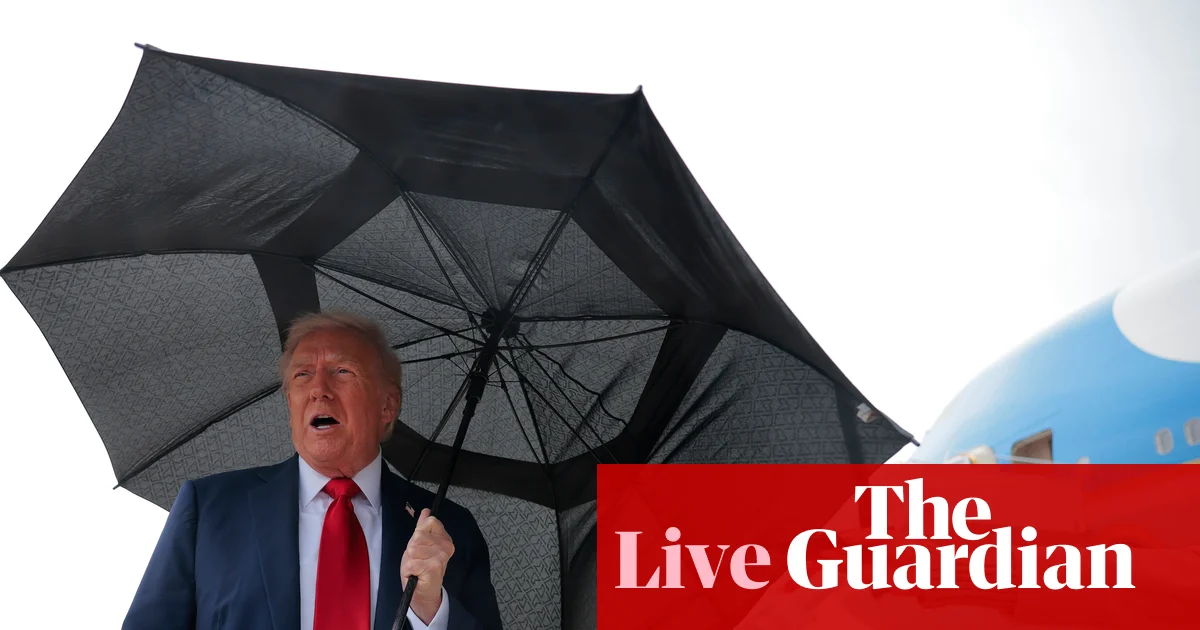
At the heart of the diplomatic surge lies the unfolding drama in Israel, where Prime Minister Benjamin Netanyahu has publicly acknowledged the delicate hope for a new beginning. Yet, underlying this outward optimism are warnings from analysts and historians who caution about the entrenched security challenges that persist. As the ceasefire holds, experts warn that the campaign against militant factions remains far from over. Meanwhile, Donald Trump has left the US for the Middle East, claiming “the war is over” as he boards Air Force One to address the Knesset, further emphasizing U.S. involvement—an intervention that has historically influenced the balance of power in the region for decades. Such moves inevitably stir debates about external influence and sovereignty, affecting societal perceptions worldwide about interventionism, national security, and the prospects of lasting peace.

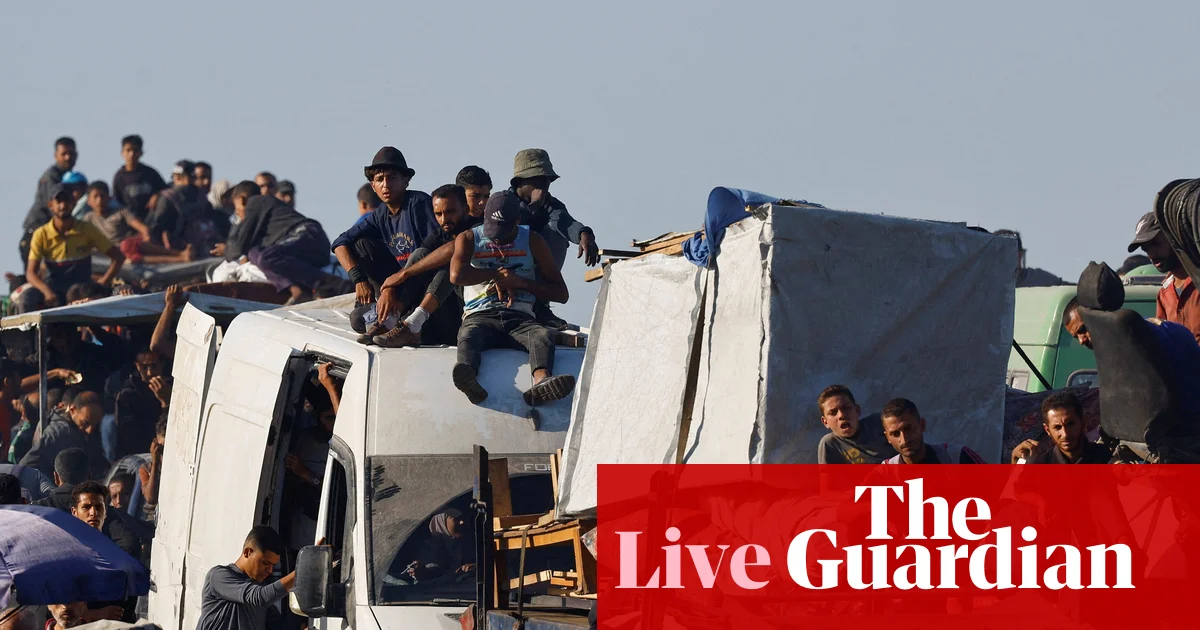
The human toll of this ongoing conflict remains staggering, with the Gaza health ministry reporting at least 67,806 Palestinians killed and over 170,000 injured since October 2023. The civilian casualties, many of whom are women and children, spotlight the devastating human cost that fuels global concern and complicates diplomatic negotiations. Meanwhile, aid agencies are rushing supplies into Gaza, in line with the ceasefire terms, to quell the humanitarian crisis. But the real geopolitical impact extends beyond immediate relief—these humanitarian efforts are often intertwined with political agendas, influencing international perceptions and, potentially, future resolutions. As Palestinians return to Gaza City amidst widespread destruction, the societal fabric of the region faces a long road toward rehabilitation and reconciliation, with each political act echoing through the battered streets and shattered lives.

In this complex tableau of diplomacy and warfare, the forthcoming peace summit in Sharm el-Sheikh becomes more than just a meeting—it is a defining moment that could pivot the entire narrative of the Middle East. Attended by leaders from more than 20 countries, it aims to seal a lasting ceasefire and set the stage for rebuilding. Yet, skepticism persists among analysts who observe that, historically, such summits often fall short of their lofty promises. As the region waits, and societies brace for uncertainties ahead, the unfolding story remains a testament to the perilous dance of diplomacy, the persistent shadows of conflict, and the weight of history that will decide whether this chapter marks a true turning point or a temporary pause on an unresolved crisis. The struggle for peace, after all, is a marathon—not a sprint—and the world must remain vigilant as history continues to unfold its decisive final acts.

Mass Youth Show Support for Palestine Across Australia, Promise Continued Protests After Gaza Ceasefire

As tensions in the Middle East continue to ignite a global response, countries across the world are witnessing a surge in activism and diplomatic maneuvers that reveal the profound geopolitical impact of recent events. The recent ceasefire deal brokered by Donald Trump in Gaza initially brought a glimmer of hope for peace, but skepticism remains high among international analysts. The deal, which has temporarily alleviated some violence, remains unpopular among many Palestinians and defending voices who argue that real change requires more comprehensive negotiations and local consultation, not just US-led agreements. Many see this move as yet another example of how powerful nations, particularly the United States, influence conflicts to serve broader strategic interests, often at the expense of self-determination for the Palestinian people.

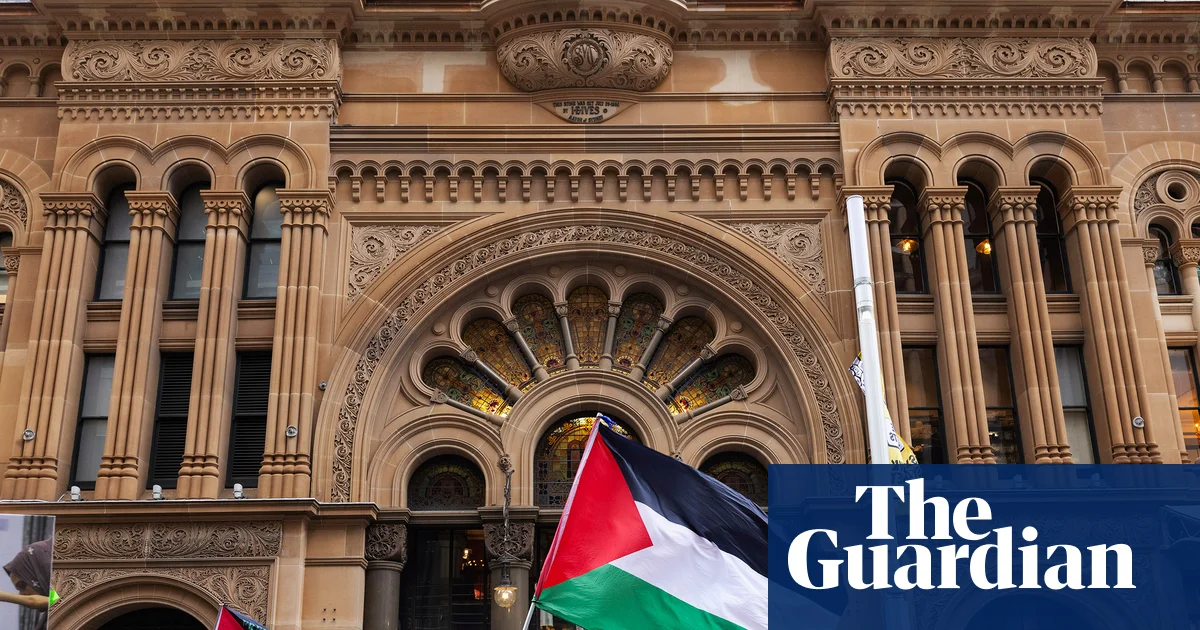
In Australia, waves of demonstrations underscore how global conflicts inexorably ripple into local political and social spheres. Tens of thousands have gathered in cities like Sydney, with organizers affirming an enduring commitment to supporting Palestine. Despite police estimates of 8,000 attendees in Sydney, reports indicate that the rallies are far larger, symbolizing widespread concern and a sense of shared responsibility among youth and activism groups. Notably, these protests aim to maintain pressure on Australian policymakers to implement more aggressive sanctions on Israel and cease trade in military equipment—a move supported by numerous analysts who see economic leverage as a vital tool for fostering real change. The significance of these protests lies not only in the numbers but in their defiance against a backdrop of international diplomacy often perceived as tepid or superficial, further exemplified by the recent Gaza ceasefire mediations.”

The protests also carried a personal and emotional weight, as many families like Shamikh Badra and Abubakir Rafiq highlighted the ongoing human tragedy—families torn apart and lives on hold while seeking justice and closure. These deeply personal stories serve as a stark reminder that decisions made on political and diplomatic levels have immediate, devastating effects on societal fabric and individual lives. International organizations, including Unrwa and Unicef, are preparing to deliver aid to Gaza, an effort seen as critical in a region where the aftermath of the recent conflict continues to threaten survival and stability.

Among the most striking features of this rising activism is the resilience of grassroots movements that challenge institutional constraints. In Sydney, protesters defied the NSW court of appeal and police opposition, demonstrating how civil disobedience remains a powerful tool for marginalized voices. Leaders like Jenny Leong of the NSW Greens have explicitly condemned the influence of Trump and his policies, warning against the dangerous precedent set when the future of Palestinians is dictated by foreign powers rather than their own communities. In history, such local acts of defiance have often foreshadowed larger geopolitical shifts, and observers warn that as conflicts persist, the struggle for self-determination and justice becomes increasingly intertwined with global power calculus.

As the world watches this unfolding narrative—a testament to the enduring complexity of geopolitics—a somber realization emerges: the decisions made in diplomatic chambers and on city streets will echo for generations to come. Each rally, each diplomatic summit, and each tragic story from Gaza and beyond weaves into the fabric of history, reminding us that in the age of globalized conflict and intervention, the fight for sovereignty, justice, and peace remains an ongoing saga where the weight of the past shapes the unpredictable contours of the future.

Gaza Ceasefire Update: Aid Flows Increase as Hamas Agrees to Release Israeli Hostages Monday Morning

In an unexpected turn of events, Hamas has confirmed it will commence the release of Israeli hostages held in Gaza early Monday morning, marking a significant moment amidst ongoing regional tensions. This development comes as part of a broader ceasefire agreement brokered by a coalition of influential international actors, including the United States, Qatar, Egypt, and Turkey. According to Hamas officials, the prisoner exchange will see the release of twenty Israeli captives in exchange for nearly 2,000 Palestinian prisoners, signaling a potential suspension of hostilities that have lasted for over two years.

The agreement, which Israel’s military claims to have fulfilled its first phase of withdrawal from Gaza, reflects a critical *turning point* in an otherwise tumultuous landscape. Under the ceasefire’s terms, Hamas has until noon Monday local time to release the captives, an act that scholars and analysts see as both a humanitarian step and a calculated political maneuver. This pause in violence is being watched intensely by global leaders and international organizations, with the United Nations warning that such pauses carry the risk of temporary relief but must be followed by sustainable peace efforts. The upcoming summit in Sharm el-Sheikh, chaired by Donald Trump and Abdel Fattah al-Sisi, aims explicitly to “end the war in Gaza” and “usher in a new era of regional stability.” These diplomatic efforts underscore a geopolitical landscape where regional powers recognize that the status quo must evolve, for the sake of both nations and societies.

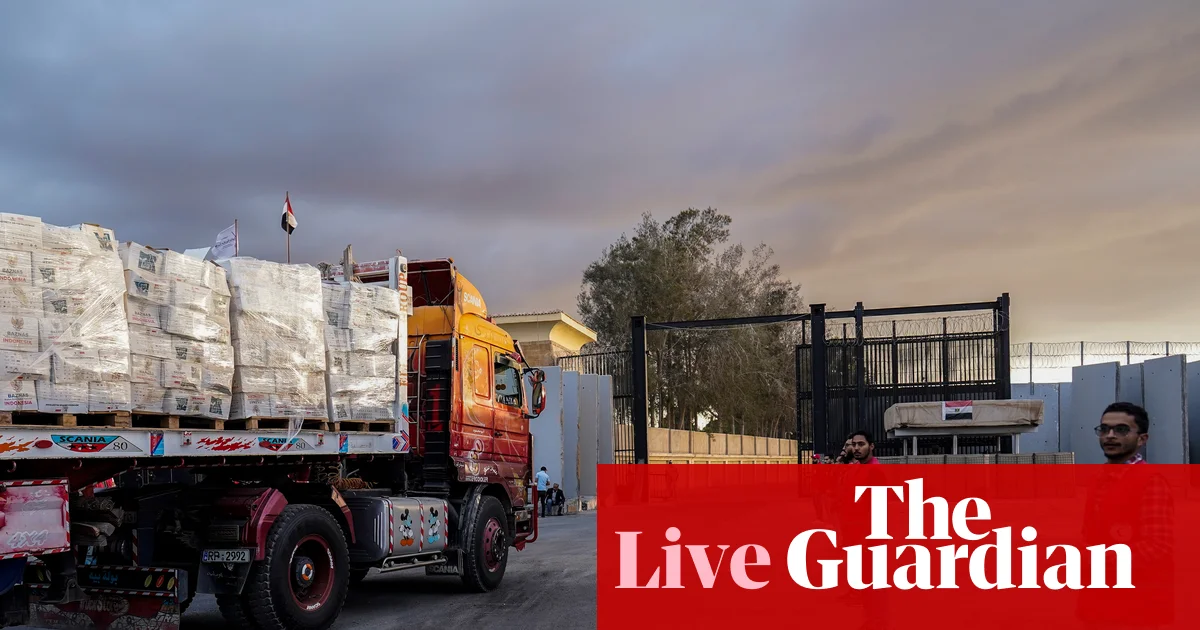
Amid these negotiations, humanitarian aid is beginning to surge into Gaza, which has endured catastrophic destruction and widespread starvation as a consequence of blockade and relentless Israeli strikes. Aid trucks have arrived at the Rafah border crossing with Egypt, with plans to inject approximately 600 truckloads of food and medical supplies daily — a crucial relief in a region suffering from famine and disease. As aid begins to flow, the international community assesses whether this temporary ceasefire will lead to a lasting peace or merely a respite in a broader conflict. Experts warn that such fragile agreements must be closely monitored, as history has shown that ceasefires can often be manipulated or broken, leading to renewed violence that threatens regional stability.

This fragility is further exemplified by the complex dynamics of prisoner releases, particularly involving high-profile figures like Marwan Barghouti and Ahmad Saadat. While Israel plans to release approximately 2,000 Palestinians, **Benjamin Netanyahu**’s government has refused to free Barghouti, a charismatic leader seen by many Palestinians as a future successor to Mahmoud Abbas. His continued imprisonment highlights persistent divisions and the ongoing struggle for Palestinian leadership figures who symbolize resistance and potential sovereignty. The fate of long-serving prisoners like Saadat, a leader of the Popular Front for the Liberation of Palestine, continues to be a contentious issue, reflecting the deep-rooted political and ideological splits that shape the broader conflict.

Analysts and international security experts emphasize that these developments, while momentous, do not guarantee long-term peace. Historians warn that profound geopolitical shifts hinge on decisions made in these high-stakes negotiations, which will reverberate across continents and generations. The decisions taken now will determine whether the region steps toward sustainable peace or plunges deeper into chaos. The unseen shadows of past failures and the weight of unresolved grievances threaten to undo fragile agreements, as history reminds us that in the grand theatre of Middle East diplomacy, the echoes of recent decisions forge the contours of the future — a future still shrouded in uncertainty, where the echoes of past conflicts continue to define the lives of millions. As the world’s eyes turn toward Gaza and the Red Sea resort of Sharm el-Sheikh, the true extent of history’s next chapter remains unwritten, waiting to be shaped in the crucible of diplomacy or chaos.

Trump Signals Broad Agreement on Gaza Ceasefire Next Steps — Live Update

Understanding the New Dynamics in Middle East: A Closer Look at the Gaza Ceasefire and Its Global Ramifications

In a dramatic turn of events, Israel has authorized the United Nations (UN) to scale up humanitarian aid shipments into Gaza, signaling a tentative lurch toward de-escalation amidst ongoing regional tensions. This decision follows intense international diplomacy and a recent ceasefire agreement aimed at halting a two-year conflict, with hopes for a more sustainable peace. Yet, beneath this veneer of progress lies a complex web of strategic interests and deeply entrenched hostilities that continue to shape the geopolitical landscape of the Middle East.

The aid effort, which is set to commence from Sunday, involves the transfer of approximately 170,000 metric tons already stored in neighboring countries like Jordan and Egypt. UN officials, pressed by the dire humanitarian crisis—characterized by malnutrition and famine conditions—have engaged in delicate negotiations with Israeli authorities regarding the volume of aid and the safety of entry points into Gaza. Stéphane Dujarric, a UN spokesperson, confirmed that critical supplies such as fuel and medical resources are already flowing through the Kerem Shalom crossing. These developments underscore the potential for more border crossings to be opened, which could significantly impact the alleviation of suffering among Gaza’s embattled population.

Regional and International Repercussions of the Gaza Ceasefire

While international organizations and regional powers scrutinize the ongoing aid deliveries, the broader question remains: how will the fragile ceasefire influence the region’s power dynamics? Lebanese President Joseph Aoun publicly condemned Israel for recent overnight strikes in southern Lebanon, which targeted civilian infrastructure and resulted in casualties. His comments reflected the persistent volatility, even amidst promises of peace, as Israel continues to conduct military operations against Hezbollah forces aligned with Iran. Despite a supposed ceasefire in November following over a year of open conflict, hostilities have persisted in various forms, with Israeli strikes in Lebanon and the ongoing confrontation with Iran-backed militias serving as stark reminders that the region’s stability remains elusive.

Meanwhile, in Gaza, the Israeli military confirmed the launch of a ceasefire that set free nearly 20 hostages believed to be alive among the total of 48 held by Hamas. Prime Minister Benjamin Netanyahu stated explicitly that the next phase hinges on Hamas disarming and Gaza demilitarizing—an arduous demand that hints at the potential for renewed violence if negotiations fail. Continuing debates over the governance of Gaza and the future of Hamas’s armed capabilities underscore the delicate balance regional and global actors seek to maintain. Analysts warn that any failure to disarm or establish a viable governing authority could reignite hostilities, destabilizing an already volatile arena.

Global Power Play: The Role of the United States and Major Powers

In the international sphere, President Donald Trump has emerged as a pivotal figure, asserting that “for the most part, there is consensus” on the future stages of the Gaza ceasefire plan. Trump indicated that Hamas and Israel are exhausted from the fighting, a perspective that has garnered praise from both sides but remains controversial among critics warning of superficial peace efforts masking deeper conflicts. The anticipated summit of world leaders in Egypt next week exemplifies the high-stakes diplomacy surrounding the crisis, with nations such as Germany, France, the United Kingdom, and regional players like Qatar and the United Arab Emirates participating in the discussions. Notably, Benjamin Netanyahu will be absent from this gathering, highlighting ongoing divisions over the strategy for Gaza and broader regional security.

Analysts emphasize that such diplomatic maneuvers could either forge a path toward enduring peace or serve as mere pauses in a conflict with roots much deeper than surface negotiations. Historically, the Middle East has demonstrated that ceasefires often hold only temporarily before violence erupts anew. As the regional powers navigate their intertwined interests, the world remains acutely aware that the unfolding story in Gaza and Lebanon is far from resolved. History continues to write itself, and the weight of these decisions underscores a future where the echoes of today’s choices will resonate for generations to come.

As history’s pen hovers over the page, every drop of aid, every negotiation, and every missile launched becomes a stroke in the grand canvas of the Middle East—a region perched on the knife’s edge of peace and chaos. The story remains incomplete, with each chapter shaping the destiny of nations and societies that are inextricably linked by conflict and the relentless pursuit of security and sovereignty.

Social Media Auto Publish Powered By : XYZScripts.com