Matox News

Truth Over Trends, always!

Wildlife Trusts Celebrate 100 Years with Major Woodland Initiative for Future Generations

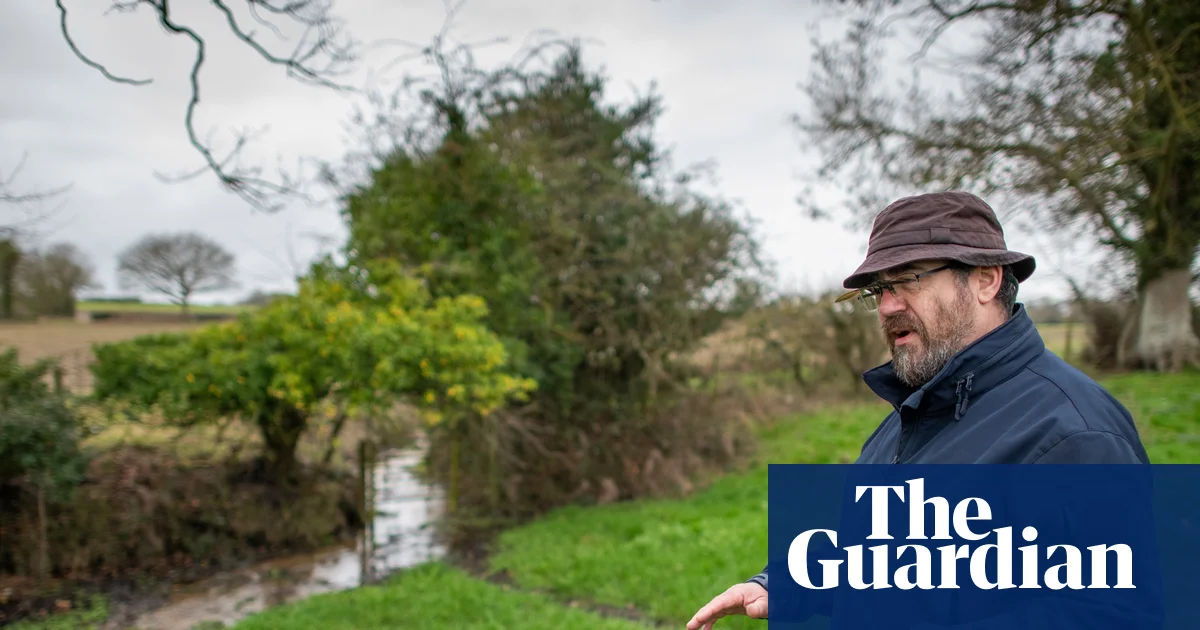
Across the United Kingdom, a profound shift in nature conservation is unfolding that resonates far beyond its borders, illustrating a nationalist pride in restoring the natural landscape as a cornerstone of cultural resilience. The recent purchase of 136 hectares of farmland at Wood Norton by the Norfolk Wildlife Trust marks a compelling turning point in how nations prioritize ecological revival in their policy agendas. With a £4.6 million investment, this project symbolizes more than ecological preservation—it signifies a commitment to rebalancing human activity with natural processes. Historians and scientists have long debated whether the modern state’s role should be to exert control or enable the land to reclaim its own destiny, and the Norfolk initiative clearly leans toward the latter—a move that experts argue could set a precedent for similar efforts worldwide.

The geopolitical impact of such ecological initiatives extends well beyond national borders, influencing regional policies, trade, and even the global climate architecture. The project is partly funded through Natural England’s nutrient mitigation scheme, aimed at reducing nitrates and phosphates in waterways—a strategy increasingly adopted in nations facing water pollution crises. International organizations like the United Nations Environment Programme acknowledge that restoring wetlands and floodplains can drastically improve water quality and mitigate extreme weather events. By turning degraded farmland into vibrant wildlife corridors, the UK sets a template for how countries can use ecological restoration as a form of soft power—demonstrating leadership in environmental stewardship while fostering economic benefits in agriculture and tourism. Critics, however, warn that such measures could threaten food security, especially as the nation balances the need for ecological resilience with the imperative of feeding a growing population.

Moreover, this project mirrors a global reawakened appreciation for ‘rewilding’—a movement that champions the return of herbivores and natural predators to restore ecological balance. Drawing inspiration from successful initiatives like the Knepp estate, conservation experts emphasize that supporting biodiversity is not merely about protecting the rare but recognizing ‘how common species are suffering’ and how their resurgence can reinforce the resilience of entire ecosystems. International research indicates that habitat creation and restoration can fortify local communities against climate-induced calamities. As analysts warn of looming resource crises and ecological instabilities, the Norfolk project stands as a testament to a rising tide of ecological nationalism—where the land’s future is dictated by its own natural intelligence rather than human interference alone.

As history unfurls, what transpires at Wood Norton may become a symbol of a broader realignment—an age where human ambition must reckon with the planet’s innate capacity for regeneration. It is a landscape infused with the hope of renewal, yet fraught with the weight of decisions made: will this be merely an isolated sanctuary or the seed of a global movement reimagining land use? With the return of beavers, the resurgence of wild flora, and the recognition that ‘the land should decide its own destiny,’ humanity is at a crossroads. The choices we make today—whether in Norfolk or elsewhere—will echo into history’s chapters, shaping a world on the brink of either ecological collapse or renaissance. The shadows of past conflicts over land and resource are still cast long, but now, amidst the rising dawn of ecological sovereignty, the story remains fundamentally ours to write.


Belarusian prisoners celebrate freedom as US sanctions are lifted

The recent release of 123 political prisoners from Belarus marks a significant, albeit complex, turning point in Eastern European geopolitics. After years of brutal repression under Alexander Lukashenko, the dictator whose grip on power has strained Belarusian society and alarmed Western democracies, this move signals a delicate shift in diplomatic engagement. Driven largely by intense negotiations led by the United States and facilitated through high-profile visits by envoys like John Coale, the prisoner releases seem to hint at a broader strategy—one aimed at softening Belarusian authoritarianism and re-establishing US influence in the region.

The Geopolitical Impact of the Prisoners’ Release

  • First, this development alters the geopolitical landscape of Eastern Europe, where Belarus sits as a critical buffer zone between Russia and NATO member states. The release of opposition figures such as Maria Kolesnikova and Ales Bialiatski, who have long represented the resilient spirit of the Belarusian democracy movement, underscores a potential opening for reform—or at least a strategic diplomatic maneuver. Analysts emphasize that Lukashenko’s decision might be motivated less by genuine liberalization and more by diplomatic necessity, as he seeks to regain favor with the West and break free from international sanctions.
  • Secondly, the softening stance affects how societies in Belarus and neighboring countries perceive resistance and authoritarian control. The emotional scenes of prisoners reuniting with families in Vilnius and Kiev serve as symbolic victories for activists, demonstrating that even in the shadow of repression, hope persists. However, critics warn that these releases could be carefully calibrated to contain dissent rather than dismantle Lukashenko’s autocratic machinery.
  • Finally, this move is intricately tied to the ongoing conflicts surrounding Ukraine and Russia’s military ambitions. With Belarus as an active military partner of Moscow, any diplomatic thaw within Belarus could influence the wider security dynamics of the region. Significantly, the US’s engagement may be viewed by Moscow as a provocation or a sign of shifting loyalties, possibly prompting Russia to strengthen its military presence or diplomatic pressure.

How Decisions Shape Nations and Societies

The decision to release these prisoners is a nuanced calculation that goes beyond human rights advocacy; it exemplifies how international diplomacy directly influences national trajectories. As historians like Anne Applebaum suggest, every such move contributes to the evolving narrative of sovereignty and resistance in post-Soviet politics. The hope for many in Belarus is that this moment signals a genuine push toward reform, but the warnings from analysts remain clear—authoritarian regimes often use strategic gestures to mask deeper power consolidations.

Meanwhile, the societal ripple effects are profound. For the Belarusian opposition and its supporters worldwide, these releases bolster a spirit of activism and resilience. Yet, lingering fears remain among critics—whether these prisoners will be replaced, and whether true democratization is truly within reach. The international community now watches keenly, knowing that such moments are fleeting, and history’s pen is poised to continue writing the fate of Belarus amidst the shadows of great power rivalries.

As the dust settles and the diplomatic chessboard shifts, the weight of history reminds us—what begins as a moment of liberation can quickly become a new chapter in the ongoing contest for influence, freedom, and sovereignty in a region that has never known true peace. The world peers into Belarus’s future, unsure whether this recomposition of alliances offers hope or merely a temporary pause before the next act of a complex geopolitical drama.

FTC stands firm: Stalkerware pioneer Scott Zuckerman banned, tech watchdogs celebrate

The Federal Trade Commission (FTC) has decisively upheld its 2021 ban against Scott Zuckerman, the controversial founder behind Support King and its associated stalkerware products. This move underscores the ongoing clash between relentless disruption of traditional privacy norms and regulatory measures aimed at protecting consumers and vulnerable individuals from invasive surveillance technology. The FTC’s stance remains firm despite Zuckerman’s recent petition to revoke or modify the ban, citing mounting financial and operational burdens.

At the heart of this controversy lies the alarming pattern of innovation in illicit surveillance. When it first enacted the ban, authorities highlighted that Zuckerman’s product SpyFone facilitated stalking by secretly monitoring personal devices, exposing users’ most sensitive data. A major breach in 2018, involving over 3,600 phones, revealed that the company had left sensitive content—including selfies, messages, and audio recordings—vulnerable online due to extremely lax security protocols. This incident not only exposed personal information but also exposed the inherent risks of disruptive business models built around invasive monitoring.

  • Innovative breach exploitation exposed vulnerabilities in stalkerware security.
  • Demonstrated the potential for hackers to hijack sensitive personal data stored by these apps.
  • Highlighted the failure of regulatory frameworks to keep pace with rapidly evolving surveillance tech.

The case reveals a disturbing trend: repeat offenders attempting to circumvent regulation through clandestine operations. Less than a year after the FTC ban, evidence suggested Zuckerman’s team was running a clandestine secondary operation, SpyTrac, with ties back to the original Support King empire. Leaked data showed direct links to SpyFone and access keys to OneClickMonitor, raising questions about whether regulatory crackdowns can truly contain such disruptive entrepreneurs whose innovations push legal boundaries. Experts like MIT’s cybersecurity researchers warn that these activities threaten to erode privacy standards, fueling a clandestine market that’s difficult to regulate.

Industry analysts such as Gartner warn that the continued proliferation of such invasive technologies signals a need for robust enforcement and innovative reforms. The implications extend beyond individual privacy; they threaten to reshape the competitive landscape, driving legitimate tech firms to innovate smarter security and privacy solutions. As Peter Thiel and others argue, disruption in the surveillance tech realm could redefine the boundaries of personal liberty and corporate responsibility. The FTC’s refusal to relax the ban is a statement: regulation must evolve in tandem with innovation—crucial for safeguarding future technological progress.

Looking ahead, this high-stakes case serves as a stark warning to entrepreneurs and investors betting on disruptive tech: without strong ethical boundaries and regulatory compliance, even the most innovative ideas risk becoming regulatory casualties. As the industry braces for a wave of new innovations, the importance of urgently establishing clear legal and ethical frameworks will determine which companies lead the next revolution and which fall by the wayside. The future of technology rests on striking the right balance—fostering innovation while fiercely defending individual rights against invasive surveillance. Time remains of the essence; the clock is ticking for regulators and entrepreneurs alike to shape a secure, responsible digital frontier that can withstand the disruptive forces at play.

Palestinians celebrate ceasefire, but mourn ongoing pain

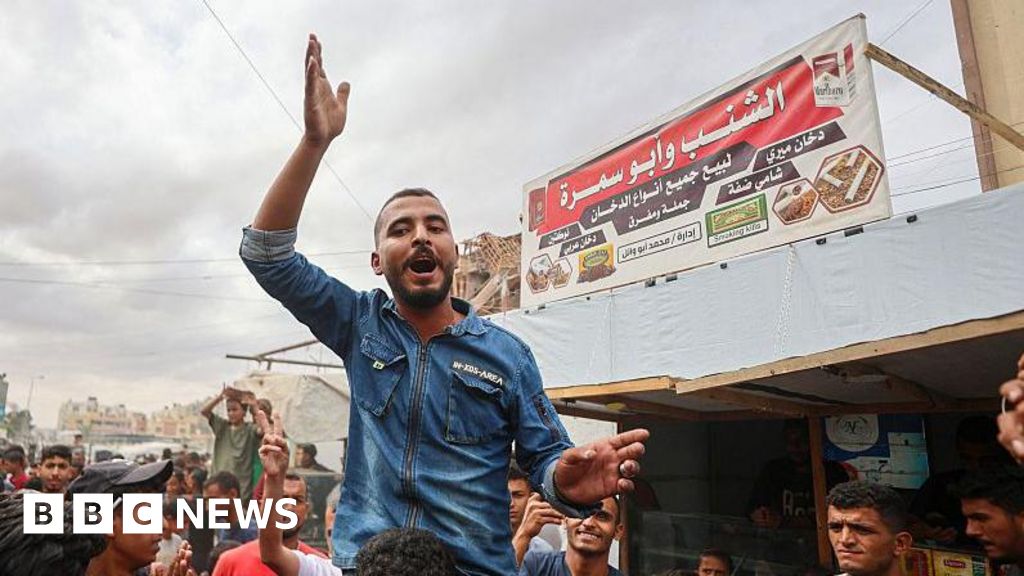
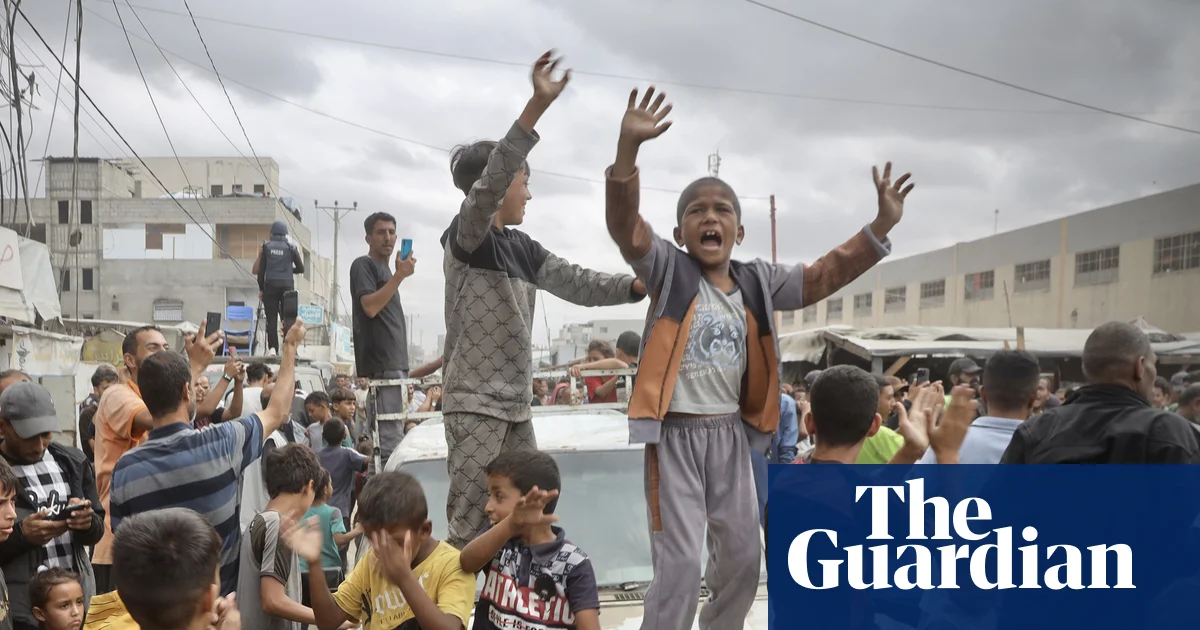
The Gaza Strip is witnessing a moment stained with both hope and profound sorrow, as international negotiations yield a tentative ceasefire and a landmark deal involving hostage releases. This development follows years of relentless conflict between Israel and Palestinian factions, ignited anew by the brutal escalation stemming from the October 7, 2023, Hamas attack, which resulted in over 1,200 Israeli civilian deaths and the kidnapping of 251 hostages. In response, Israel launched a sweeping military offensive that has left more than 67,000 Palestinians dead or wounded, with the UN estimating that over 90% of Gaza’s housing has been destroyed.

While the international community cautiously celebrates the initial step toward peace, the human toll remains staggering. Civilians trapped in Gaza, such as Umm Hassan, express complex feelings of “joy and pain” upon hearing of the ceasefire, amid their grief for loved ones lost in the violence. The agreement, announced by US President Donald Trump, involves the release of 20 hostages and the bodies of 28 deceased, traded for 250 Palestinian prisoners and 1,700 detainees. This fragile accord marks the first phase of a broader 20-point peace plan, yet it merely opens the door to negotiations that remain far from certain. Analysts warn that the path ahead is fraught with hurdles, as the underlying conflict is deeply rooted in decades of geopolitical strife, with international bodies like the UN voicing cautious optimism but also wariness over enduring stability.

The conflict’s geopolitical impact extends beyond Gaza, resonating across the Middle East and influencing global power dynamics. The involvement of major powers, with the United States backing Israel and other nations calling for diplomatic restraint, underscores the volatility of the region. Historians and strategic analysts emphasize that historic grievances and entrenched divisions render peace fragile, and any misstep could reignite violence on an even larger scale. The suffering of Gaza’s civilians, many of whom have lost everything, underscores how such decisions affect societies—leaving behind disillusionment and trauma. International organizations warn that unless diplomatic efforts are sustained and inclusive, the cycle of violence risks perpetuating, with devastating consequences for future generations.

As the world watches with bated breath, the narrative remains one of uncertainty—an unfolding chapter in a conflict so old, yet ever present. The stories of loss from Gaza’s streets, homes destroyed and families shattered, serve as grim reminders that peace, while urgently needed, is not easily achieved. Humanitarian voices, like Dr. Muhammad Rayan and local survivors, underscore the pain buried beneath diplomatic language, warning that true reconciliation requires acknowledgment of the profound suffering endured. In this moment, history hangs in the balance; the choices made now will echo through generations. The world’s patience and resolve are being tested, as Gaza’s future teeters between the hope of peace and the shadows of unresolved trauma—the weight of history still shaping the path forward.

Palestinians Celebrate Ceasefire Deal: A Step Towards Peace—Today in Focus Extra | Gaza

Ceasefire Sparks Hope in Gaza and Beyond

In a significant diplomatic breakthrough, Israel and Hamas have announced a ceasefire agreement in the ongoing Gaza conflict, bringing a temporary end to what has been a harrowing two-year war zone. Announced in the early hours of Thursday, this development signals a potential shift in the relentless cycle of violence that has gripped the enclave, yet analysts warn that the road ahead remains fraught with challenges and unresolved issues.

The reactions from those directly impacted paint a complex picture of relief mixed with lingering pain. Ansam Tantesh, an English graduate living in Gaza, encapsulates the suffering faced by civilians: “The pain, she shares with Annie Kelly from The Guardian, ‘will never leave my heart’. Despite the cessation of airstrikes, the human toll—marked by loss, destruction, and trauma—continues to overshadow hopes for peace.” Humanitarian workers like Mai Elawawda emphasize that while the ceasefire provides a crucial pause, the dire needs for food, water, and shelter remain unmet for many Gazans. The ongoing humanitarian crisis underscores how decisions made at the international level directly affect daily life and human rights in conflict zones.

Despite the optimistic headlines, experts underscore that this ceasefire is but a fragile pause, not a definitive resolution. International organizations, such as United Nations officials and regional analysts, warn that the underlying issues—territorial disputes, refugee rights, and security guarantees—still loom large. The international community remains divided over assigning blame and responsibility, with some nations advocating for a permanent solution and others calling for a pragmatic, immediate ceasefire. Historians like Noam Chomsky have long highlighted the regional geopolitical stakes, noting that the conflict is deeply embedded within broader regional rivalries involving Iran, Egypt, and Turkey. Such dynamics complicate efforts for a durable peace, as well as influence the strategic calculations of global powers.

  • The ceasefire marks a potential turning point, possibly opening diplomatic channels that have been closed for years.
  • However, persistent issues such as the blockade of Gaza, settlement expansions, and the status of Jerusalem threaten future stability.
  • International organizations stress that sustainable peace requires addressing these root causes, not just temporary truce agreements.

The geopolitical impact of this ceasefire extends well beyond Gaza’s borders. Israel faces intensified scrutiny over its military operations and settlement policies, which critics argue exacerbate instability. Meanwhile, Palestinians in Gaza and the occupied West Bank see this as a moment of cautious hope, yet also warn against complacency. Historically, such brief pauses in conflict have often been undermined by unresolved grievances, making future confrontations all the more probable. The decisions made now will undeniably shape the socio-political fabric of the region for generations, determining whether this fragile moment of peace transforms into a lasting resolution or simply a fleeting respite in an ongoing saga of conflict.

As the dust settles and international observers watch closely, the weight of history presses heavier than ever. The coming days will reveal whether this peace holds—a brief hope or a true turning point—yet the scars of this ordeal will remain, etched deep into the collective memory of a fractured region. The world stands at a crossroads, witnessing a moment where diplomacy and perseverance are tested, and where the future of millions hangs in the balance. The unfolding story of Gaza is not just a regional saga but a chapter in the ongoing contest for influence, security, and dignity on the global stage.

Social Media Auto Publish Powered By : XYZScripts.com