
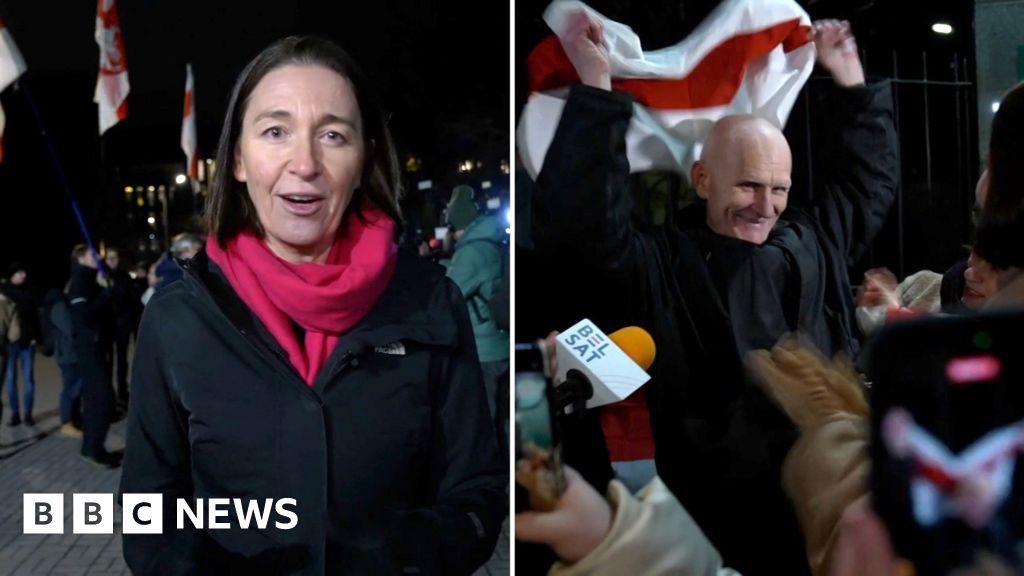

In a striking development that signals a potential recalibration of Belarusian politics and international relations, the authoritarian regime in Belarus has released 123 prisoners following an abrupt change in U.S. foreign policy. Central to this move are figures like Maria Kolesnikova, a recognized opposition activist, and Ales Bialiatski, the Nobel Peace Prize laureate whose imprisonment had drawn widespread international condemnation. This decision marks a significant turning point in the ongoing conflict between the West and Lukashenko’s government, emphasizing how economic sanctions and diplomatic pressure influence political trajectories.
The U.S. government’s decision to lift sanctions appears to be a strategic maneuver designed to foster dialogue and stability within the region, yet it also signals a shift in Washington’s approach toward Belarus. Analysts from the International Crisis Group suggest this move could open the door for greater engagement, but it also raises suspicions about whether Minsk’s leadership might exploit this gesture to consolidate power. From the perspective of Russia, which continues to wield indirect influence over Minsk, this development could serve as a means to tighten its own grip in Eastern Europe, especially as geopolitical tensions remain heightened over Ukraine and NATO’s eastern flank.
Correspondents such as Sarah Rainsford from the BBC report from Lithuania, where some of the released prisoners have been taken, indicating the broader regional implications. Lithuania, along with the Baltic states, has long viewed Belarus as a security concern, particularly due to Lukashenko’s cozy ties with Moscow. The prisoner releases underscore the fragile negotiations taking shape, but they also threaten to destabilize the existing equilibrium, prompting concerns that the international community’s efforts to promote democracy and human rights in Belarus could be compromised by diplomatic realpolitik.
Historically, Belarus has been a key piece in the geopolitical chess game between Russia and the West. As noted by geopolitical analysts, previous attempts to influence Minsk were often met with skepticism, given the regime’s resilience and strategic alliances. While the recent prisoner release might seem like a reciprocal gesture, it remains to be seen whether this is a fleeting diplomatic gesture or a genuine step toward reform. Many international experts warn that without substantive reforms, the underlying issues of authoritarianism and regional instability will remain unresolved, leaving history poised at a dangerous crossroads.
As Belarus treads this delicate path toward potential détente, the weighing of its decisions extends far beyond its borders. The decisions made today—whether they lead to genuine change or temporary appeasement—will ripple across the Eastern European landscape. The unfolding story remains a testament to how history’s pendulum swings, driven by the relentless forces of geopolitics and the enduring quest for power, sovereignty, and stability. In the shadow of the U.S.-Belarus deal, each step forward carries the weight of a continent watching, waiting—an epoch’s destiny hanging in the balance, as the future of collective freedom and authoritarian endurance continues to be written in the margins of history.





