Matox News

Truth Over Trends, always!

May 3, 2026: Tourists Clash, Warbirds Fly, Perfume Capital Battles Challenges

Recent developments reveal a complex and tempestuous landscape where power struggles and ideological shifts define the trajectory of nations. The surprising presence of a white nationalist volunteer assisting in hurricane relief efforts exposes the deep currents of societal division. It underscores a broader narrative: in times of crisis, nationalism and populism often gain traction, as certain segments of the population seek to reaffirm identity and sovereignty amidst chaos. Critics argue that such figures exemplify **the dangerous allure of identity politics**, which threaten to fracture social cohesion, while advocates claim they embody a raw, authentic response to perceived neglect by elites.

Meanwhile, the influx of birdwatchers—**”birders”**—who have flocked to regions following recent disarmament of guerrillas, signifies a **shift in local stability and security**. This phenomenon illustrates how conflict resolution, when accompanied by policy reforms or disarmament initiatives, can have broader societal effects, attracting new economic activities and altering demographic compositions. However, the presence of armed insurgent groups often serves as a reminder of ongoing state fragility. The decision to disarm guerrillas, championed by certain governments under international pressure, echoes historical parallels such as post-conflict demilitarization efforts in the Balkans or South America—acts fraught with both promise and peril. The question remains: will these reforms lead to lasting peace, or will they embolden factions to reemerge?

Turning our gaze toward Europe’s venerable city of Grasse, often dubbed the perfume capital of the world, we observe a different dynamic. Here, history and commerce intertwine — a narrative reflecting how economic identity can serve as a symbol of resilience amid geopolitical upheaval. The city’s prosperity is rooted in centuries of craftsmanship, yet recent global trends demonstrate how *cultural pride and economic policy* can be used as tools within larger ideological battles. The local push to safeguard traditional industries against rapid globalization echoes the conservative defense of sovereignty and cultural preservation.

In this landscape, political theorists like Carl Schmitt underscore the importance of **decisionism**: when democracies face existential threats or unprecedented challenges, sovereignty is tested by decisive action. As constitutional experts debate the limits of executive powers, the emergent theme is how states navigate the delicate balance of authority and liberty. Just as historical parallels—such as the emergence of nation-states in turbulent eras—highlight the importance of leadership during crisis, today’s decision-makers are shaping a future where the **stakes are nothing less than national identity and global stability**. Politics, therefore, is not merely the pursuit of power but the imperial arena where destiny is scripted with each act of governance, where the echoes of yesterday’s choices orbit into tomorrow’s destiny.
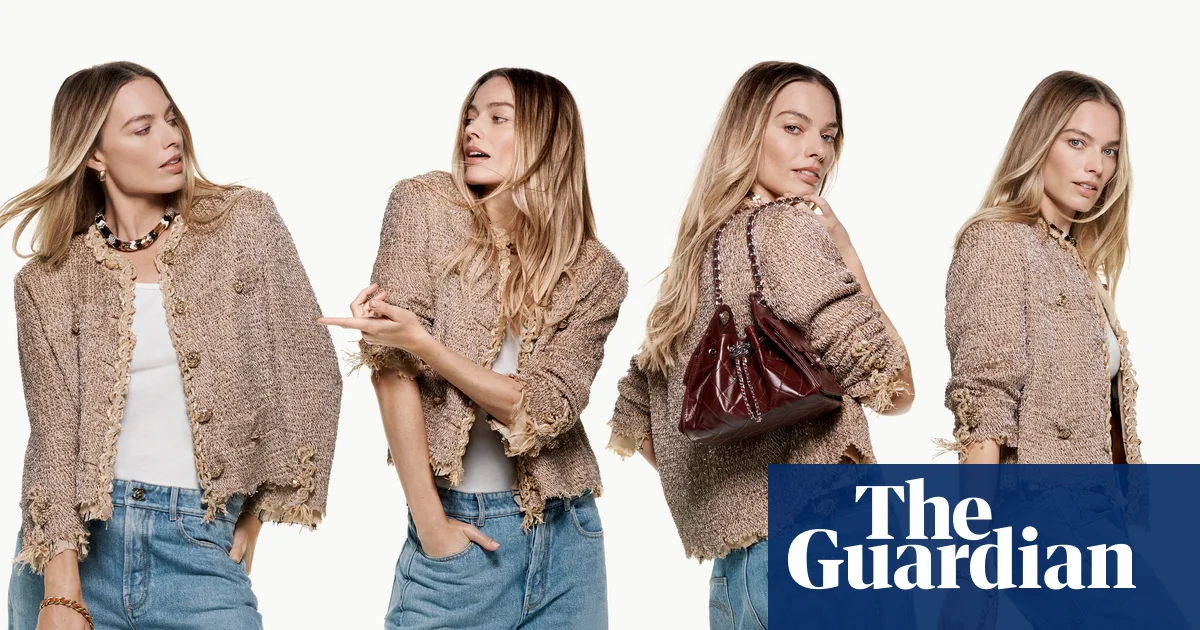
Matthieu Blazy’s Iconic Chanel Look Is About to Take Over the Streets

In a moment where economic uncertainty has reshaped consumer priorities, the fashion industry is witnessing a compelling shift in societal perception of luxury. Chanel, long associated with exclusivity and haute couture, is now making a strategic move to redefine what luxury means in the digital age. Thanks to the visionary work of Matthieu Blazy, the brand has launched a campaign that seamlessly blends nostalgia, accessibility, and cultural relevance. The viral success of the campaign—featuring Margot Robbie channeling Kylie Minogue’s 2002 music video—epitomizes this new philosophy: luxury as an aspirational yet attainable lifestyle.

Blazy’s approach is brilliantly rooted in social relevance. His campaign pays homage to a nostalgic era—early 2000s Y2K fashion fused with the timeless code of Coco Chanel—while making it accessible through high-street reproductions. Major brands like Zara, H&M, and Mango have quickly jumped on this wave, offering capsule collections and inspired pieces that echo the campaign’s aesthetic. M&S has introduced bouclé-inspired jackets with gold buttons for just £55, translating luxury into a price range that resonates with the everyday consumer. Meanwhile, denim from Uniqlo and H&M’s washed blue jeans demonstrate how fashion’s new mantra is “wearability over elitism”. This democratization of style highlights that luxury is no longer reserved for an exclusive few but embedded in the day-to-day wardrobe of young consumers.

Influencers and fashion analysts suggest this trend carries huge cultural and social significance. Ella Baynes of Savvy Marketing points out that, amid a cost of living crisis, aspirational yet achievable fashion becomes a powerful tool to maintain brand relevance. Julia Hobbs, from British Vogue, describes a Chanel jacket paired with jeans as “fashion’s version of the perfect pop song,” signaling a shift where high-end designers seek to evoke joy rather than just allure. This approach aligns with a wider societal trend of embracing *ownable* luxury—where pieces can be mixed and matched to reflect one’s personal narrative—making high fashion more inclusive and lifestyle-oriented.

Yet, this cultural shift invites the question: as luxury brands become more accessible through affordable interpretations and social media buzz, what does this mean for the future of exclusivity? Is the aspiration for rarity fading, or is this simply a strategic evolution to stay relevant in a rapidly changing cultural landscape? As the next chapter unfolds, we should be asking not only how these trends will reshape consumer behavior but also whether the concept of “luxury” itself is undergoing a fundamental redefinition—one that questions the very notion of societal hierarchy rooted in exclusivity and wealth.

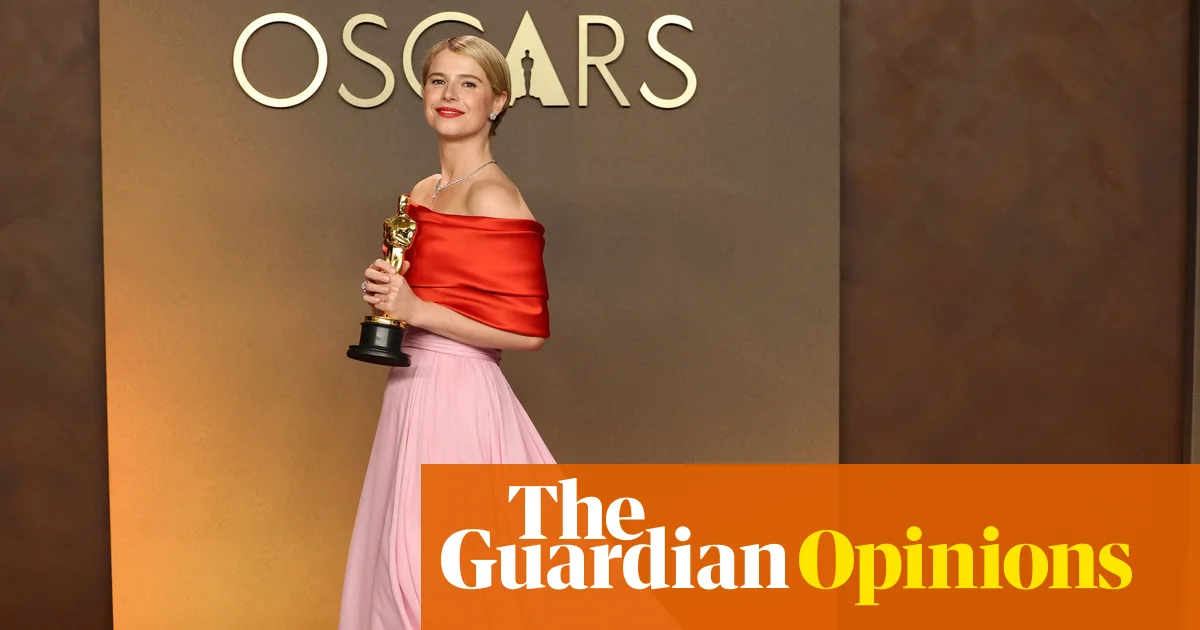
Cherry on the top: Jessie Buckley dominates Oscars 2026 with double win — and makes Chanel proud

The Evolution of Red Carpet Fashion: More Than Just Glamour

In the world of celebrity culture, the Oscars have long been seen as a pinnacle of both artistic achievement and personal branding. Historically, the red carpet has been a stage for timeless glamour, where black, gold, and classic couture dominated. However, recent years have witnessed a formidable shift — red carpet fashion is now a powerful canvas for self-expression and social messaging. The stunning appearance of Jessie Buckley, who not only secured the best actress award but also made a bold style statement, epitomizes this transformation. Her custom Chanel gown, with its blood-red satin-backed leather and rose pink chiffon, was more than eye-catching; it was a deliberate reflection of her character’s tenderness and emotional depth, nodding to the history of Hollywood’s stiff traditions while simultaneously breaking new ground in celebrity aesthetics.

Today’s fashion influencers and sociologists recognize that the red carpet has become a social forum as much as a glamorous runway. For instance, Teyana Taylor’s daring Chanel ensemble—featuring sheer fabrics and black and white feathers—demonstrates how stars are harnessing the event’s visibility to embody cultural narratives rooted in strength, audacity, and authenticity. Stylistically unapologetic and visually stunning, such choices serve to elevate the social relevance of fashion beyond the superficial, positioning stars as cultural commentators. This trend towards narrative-driven style aligns with the ideas of sociologists who emphasize that clothing can reinforce identity and influence societal perceptions. Influencers like Kylie Jenner further exemplify this shift, as her dramatic crimson Schiapelli gown effortlessly combined high fashion with viral appeal, amplifying the role of style as a tool for cultural dialogue.

But the evolution extends beyond individual styles—design houses like Chanel are capitalizing on this cultural redefinition. Their recent Paris runway shows, staged in unconventional spaces like a New York subway station, signal a strategic push to resonate with a more socially conscious and politically active generation. As fashion houses like Chanel weave social commentary into their branding, they reinforce the idea that style is now a form of societal engagement. Fashion and celebrity are no longer solely about superficial aesthetics but are intertwined with larger conversations about identity, power, and social justice. For the younger generation, the question isn’t just “What are they wearing?” but “What does it stand for?”

As we marvel at the daring choices of stars like Timothée Chalamet, who embraced an 2000s-inspired suit that challenged traditional notions of masculinity and style, one cannot help but wonder: what will be the next frontier in this cultural revolution? Will red carpet fashion continue to evolve into an arena where social values and personal truths collide, or will it revert to pure spectacle? The future of celebrity fashion might reveal not just the next big trend, but the emerging narrative of a generation that refuses to see style as superficial—it’s a platform for truth, resistance, and authentic expression in a rapidly changing society.

Social Media Auto Publish Powered By : XYZScripts.com