Matox News

Truth Over Trends, always!

Harvard Study: AI Outperforms Docs in ER Diagnostics—A Game Changer for Healthcare

Harvard-led Research Unveils AI’s Surprising Accuracy in Emergency Diagnostics

The rapidly evolving landscape of artificial intelligence continues to challenge traditional paradigms within the healthcare sector. New research published in Science by a collaboration between Harvard Medical School and Beth Israel Deaconess Medical Center has demonstrated how large language models (LLMs) are making significant headway in medical diagnostics, even surpassing human doctors in certain emergency scenarios. The findings mark a pivotal breakthrough in AI innovation, with profound business implications that threaten to disrupt both healthcare and tech industries alike. As industry giants and fierce startups race to harness AI’s disruptive potential, this study underscores the urgent need to redefine standards of accountability, efficacy, and ethical deployment in AI-driven medicine.

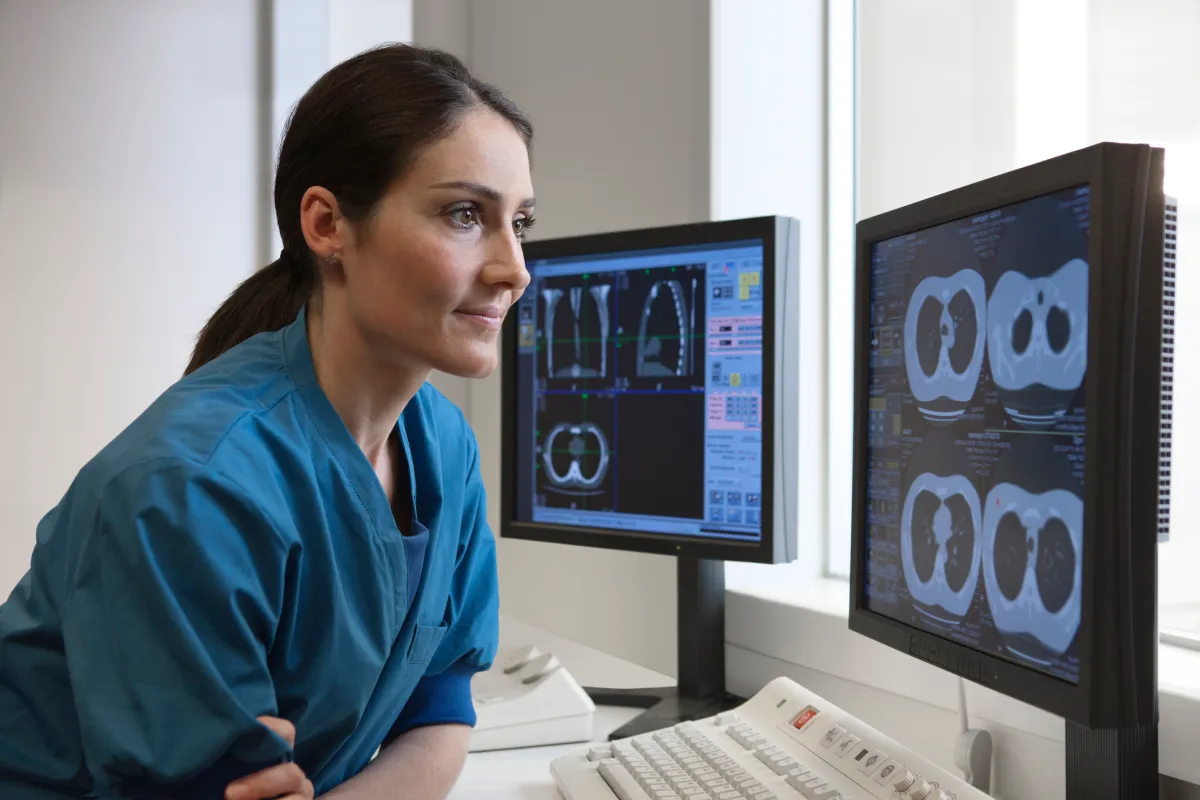
Designed as a rigorous comparative analysis, the study tested OpenAI’s GPT-4 and GPT-1 models against seasoned physicians at a high-stakes emergency room in Boston. Within the scope of 76 patient cases, AI models demonstrated diagnostic performance that either matched or surpassed that of internal medicine physicians—particularly at crucial triage points: a stage where rapid, accurate decision-making can be life-saving. In initial ER triage, the AI’s accuracy in providing ‘exact or very close’ diagnoses reached an impressive 67%, outpacing physicians who recorded 55% and 50% respectively. Such landmark results highlight the disruptive edge AI can bring in crisis response, potentially transforming how healthcare providers address urgent patient needs.

The key to these breakthroughs lies in the disruption of conventional diagnostic frameworks. According to Harvard’s researchers, the models relied solely on unprocessed electronic health record data, emphasizing AI’s ability to extract actionable insights from raw inputs without extensive pre-filtering.

  • AI’s rapid processing capabilities
  • Potential to reduce diagnostic delays
  • Enhanced triage efficiency under pressure

These technical advancements could enable hospitals to better allocate resources, prioritize treatments, and possibly reduce human error—an urgent necessity as healthcare systems worldwide grapple with burnout, resource shortages, and rising demand.

However, the study explicitly recognizes that AI is not yet ready to assume full responsibility in high-stakes environments. Lead author Arjun Manrai stressed that prospective trials are essential before AI can be integrated into real-world patient care. Meanwhile, industry experts like Peter Thiel and Elon Musk have warned about overhyping AI without addressing regulatory and ethical challenges. Notably, the lack of accountability frameworks remains a critical oversight, with safety concerns lingering over AI’s deployment in life-or-death scenarios. Adam Rodman, a Beth Israel physician involved in the study, cautioned that patients still demand human guidance in critical decisions, emphasizing the need for careful, controlled innovation.

Nevertheless, the transformative potential of AI in medicine is unmistakable. As Gartner and MIT researchers point out, these advances lead to a new era of healthcare where disruption and innovation can radically reshape the business landscape. The integration of powerful LLMs promises to slash costs, improve diagnostic accuracy, and even open new markets for AI-enabled health data analytics. In this fiercely competitive environment, firms that harness this technology swiftly could dominate healthcare’s future, capitalizing on the global shift toward digital, AI-driven solutions to meet mounting demand.

Looking ahead, the technical and regulatory challenges notwithstanding, the trajectory is clear: AI is poised to fundamentally alter medical diagnostics, emergency response, and healthcare delivery. Industry stakeholders, policymakers, and technologists must act with urgency, establishing robust frameworks that ensure safety without stifling innovation. With AI models demonstrating the potential to outperform human judgment in critical domains, the window to lead in this new frontier is closing fast. The next decade promises unprecedented levels of disruption and opportunity; those who adapt swiftly will shape the future of healthcare—and by extension, global technological dominance.
Intel’s Panther Lake Chips Crush Apple’s M5—Game Changer for Young Tech Fans

Intel’s Latest Chips Signal a Disruptive Shift in Computing Power and Industry Dynamics

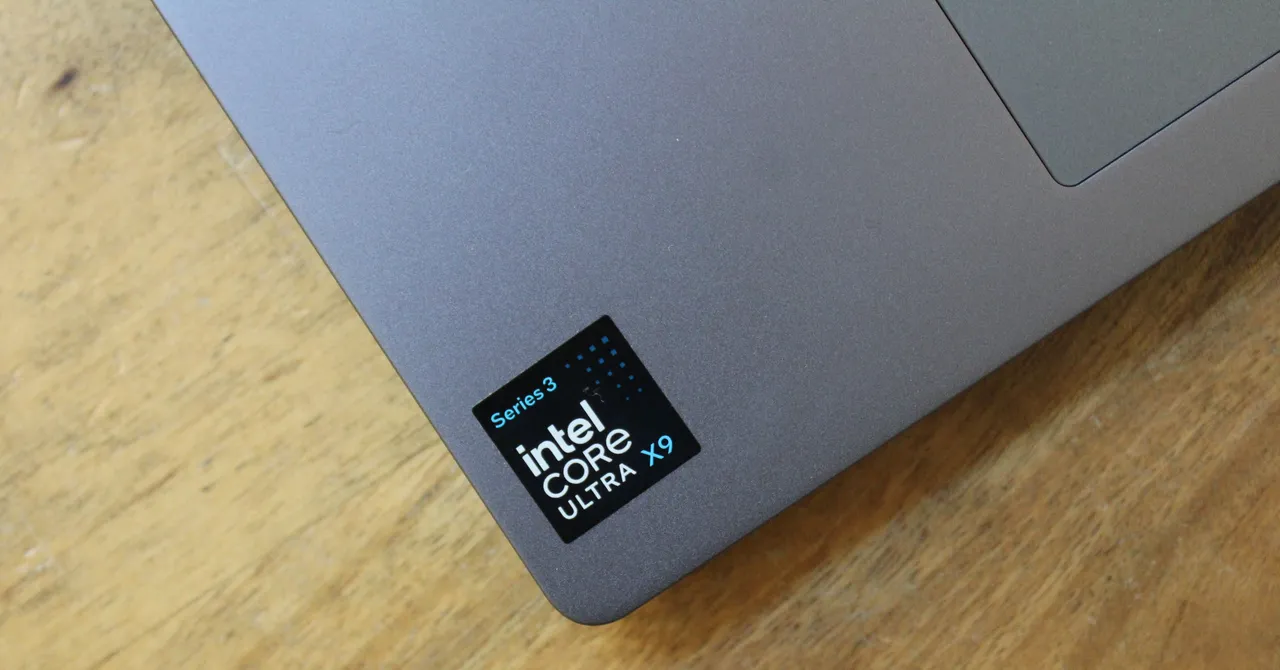
In a remarkable display of hardware innovation, Intel has reasserted itself at the forefront of the tech battlefield with its new generation of chips boasting unprecedented multi-core performance and integrated graphics capabilities. The flagship X9 388H chip, outperforming Apple’s latest M5 by a staggering 33 percent, exemplifies how Intel is strategically disrupting the status quo. This surge is more than a simple technical victory; it signals a potential redefinition of benchmarks in laptop and mobile computing, challenging established industry giants and paving the way for new standards of performance in thin-and-light devices.

Revolutionizing Integrated Graphics and Multi-Core Power

Intel’s Core Ultra 7 258V has delivered a benchmark-defying 52 percent increase in multi-core CPU performance and a 54 percent upgrade in integrated graphics, tested against current-generation competitors such as the M4 MacBook Air. The use of the powerful B390 GPU and 12 Xe cores in the X7 and X9 configurations, with the X9 at the forefront, demonstrates a disruption of traditional discrete GPU reliance—transforming laptops from mere portable tools into powerhouse multi-taskers capable of professional-grade graphics processing.

  • Top-tier multi-core performance surpassing industry expectations
  • Integrated graphics on par with discrete desktop GPUs
  • Significant leaps in AI and video editing capabilities within ultraportables

Analysts from Gartner and industry insiders note that this leap in integrated graphics represents a strategic pivot for Intel, directly challenging the long-held dominance of dedicated desktop GPUs in performance computing. Industry watchers view this as a clear signal that Intel intends to redefine what is possible in portable computing hardware, with implications across gaming, AI inference, and professional content creation sectors.

Market Implications and Industry Disruption

The impact of Intel’s advancements extends beyond mere performance metrics. The industry is witnessing a shifting market dynamic where innovation drives new business models. OEMs are already integrating these chips into ultrathin laptops that balance power with portability, radically shrinking the gap between high-end desktop performance and mobile efficiency. Such innovations threaten to erode the market share of traditional discrete GPU manufacturers, while companies like Apple, AMD, and NVIDIA face a renewed challenge from Intel’s disruptive hardware advances.

Furthermore, this progress demonstrates how disruption in core hardware can accelerate software and ecosystem innovation, prompting developers and businesses to rethink their approach to application design. As noted by industry leaders, the potential for integrating powerful AI operations directly into portable devices could” change the landscape of mobile AI, edge computing, and real-time data processing.

Looking Ahead: A Future Defined by Agility and Power

Intel’s latest chips are not merely an evolution but a revolution in portable computing, an inflection point that demands rapid adaptation from competitors and entrants alike. As Thiel and Musk have historically emphasized, technological progress hinges on relentless innovation and nimbleness. The next phase will see hardware manufacturers pushing these advances further into AI, machine learning, and 5G-enabled computing, making today’s breakthroughs tomorrow’s industry standard. Time is of the essence for competitors who wish to remain relevant in this new era of high-performance, integrated computing.

In conclusion, with such groundbreaking hardware, Intel is signaling a shift that could reshape the entire technology ecosystem—disrupting established players while opening doors for bold new applications. The race for supremacy in integrated, mobile, and AI-powered computing is accelerating, and those who innovate swiftly will lead the charge into a future where hardware and software harness unprecedented levels of power and efficiency.

Gemini Becomes Google’s Hottest Search Term of 2025—A Game Changer for the Next Generation

AI Continues Its Ascendancy: Google’s 2025 Search Trends Signal a Tech Disruption

Every year, Google’s comprehensive Year in Search report offers an analytical lens into the collective consciousness, revealing industry shifts and emerging trends. This year, the spotlight is unmistakably on artificial intelligence, with Google’s Gemini chatbot topping the list of trending searches worldwide. Such data points underscore that the AI revolution is reshaping the digital ecosystem faster than many anticipated, driven by relentless innovation and increased enterprise adoption. Industry analysts like Gartner have long predicted an imminent disruptions wave, and 2025 is proving them right—AI is no longer a niche technology but the apex of strategic dominance across sectors.

Disruption in Consumer and News Sectors—AI Dominates Public Curiosity

Beyond AI itself, public interest in disruptive technologies remains robust. Notably, DeepSeek’s chatbot also ranks high among trending searches, emphasizing the rapid proliferation and public engagement with immersive AI solutions. The prominence of terms like “Charlie Kirk assassination” and geopolitical issues such as “Iran” and “US Government Shutdown” in trending news queries indicates a populace increasingly dependent on AI-powered platforms for real-time information synthesis. This signals a paradigm shift in how consumers and industry leaders alike consume news and entertainment, with AI chatbots becoming the new gatekeepers and intermediaries of information.

Implications for Business Innovation and Market Dynamics

For businesses, this surge in AI-driven search patterns signals a critical strategic imperative: innovate or risk obsolescence. Companies pioneering in AI, like Google with Gemini, are setting new standards for user engagement, data processing, and personalized experiences. As MIT’s AI research suggests, such advances are enabling unprecedented levels of automation and efficiency, fundamentally transforming competitive landscapes. However, the rapid pace of innovation also brings regulatory and ethical challenges, with policymakers and industry leaders racing to establish frameworks that balance growth with responsible AI use.

  • Enhanced user experiences through hyper-personalization
  • Automation of customer service and decision-making processes
  • Potential for monopoly-like dominance by major tech corporations
  • Calls for new regulatory standards to manage AI ethics and oversight

Moreover, the trend underscores the importance of agility for startups and established players aiming to harness AI’s disruptive power. As Peter Thiel emphasizes, “The future belongs to those who understand the importance of technological differentiation,” making this an urgent moment for strategic investment in AI R&D. Companies that pivot swiftly and leverage innovation will not only disrupt markets but also set the trajectory for global technological leadership.

Looking Ahead: A Future Defined by Innovation and Strategic Disruption

With the 2026 TechCrunch event scheduled for October in San Francisco—a hub of global innovation—industry stakeholders are keenly aware that the next frontier lies in integrating AI with emerging technologies such as quantum computing and augmented reality. The convergence of these innovations promises a tectonic shift in how societies operate, economies grow, and nations compete. As the digital landscape evolves, so too must the strategic acumen of industry leaders who recognize that timing and agility are critical in capturing the future’s value. AI’s ascendancy signals not just a technological evolution but a strategic inflection point—those who act decisively will shape the future, and those who hesitate risk being left behind.

Social Media Auto Publish Powered By : XYZScripts.com



