Matox News

Truth Over Trends, always!

Israel hits Beirut as evacuation alarm sparks chaos

In a stark display of increasing regional instability, Lebanon is experiencing unprecedented chaos as massive traffic jams snake through the streets of key cities, a direct consequence of the urgent evacuation orders issued by authorities. The government’s plea for civilians to evacuate the Hezbollah stronghold signals a significant escalation in the ongoing conflict, which has seen Israel intensify its military operations across Lebanon. These developments have not only heightened tensions within Lebanon but have also sent ripples through the geopolitical landscape of the Middle East, risking a broader regional confrontation.

Israeli forces have launched a series of targeted strikes designed to weaken Hezbollah’s military capabilities, which are believed to be fortified inside the Lebanon. Analysts suggest these actions are a critical phase in what many call a long-brewing effort by Israel to dismantle what it perceives as an existential threat from the Shiite militant group. The escalation has drawn international attention, with United Nations representatives calling for restraint and urging all parties to avoid further civilian casualties. Yet, the situation remains volatile, with the possibility of widening conflict serving as a grim warning to global powers.

Historians and geopolitical analysts warn that this surge of violence could have far-reaching consequences. According to international security experts, the decision to escalate military action marks a pivotal moment that may redefine the balance of power within Lebanon and the broader Middle East. The United States and European Union are closely monitoring the situation, balancing their condemnation of violence with diplomatic efforts aimed at de-escalation. However, some regional analysts argue that such measures are insufficient, emphasizing that history shows how minor conflicts often spiral into full-scale regional wars with devastating impacts for generations.

The geopolitical impact of this ongoing conflict extends well beyond the borders of Lebanon. As international organizations grapple with the fallout, neighboring countries are ramping up military preparedness, and global markets tremble at the prospect of wider destabilization. Many schools of thought, from conservative strategists to cautious diplomats, warn that this current trajectory could ignite a new chapter of hostility and harsh divisions that threaten to engulf the entire Middle East in chaos. The unfolding events challenge traditional paradigms of peace and security, demanding urgent and coordinated international responses that may ultimately alter the fabric of regional alliances and global diplomacy.

As the dust settles on this tumultuous chapter, history bears witness to the profound impact of every decision made in moments of crisis. The world now watches with bated breath, understanding that this is not merely a regional skirmish but a turning point that could very well shape the course of history for decades to come. One thing remains clear: in a world where geopolitical shifts happen in the blink of an eye, the true cost of conflict is measured not just in territory, but in the fragile hopes of a future undisturbed by the shadows of war.
Mexico chaos: Locals and tourists warn of widespread destruction

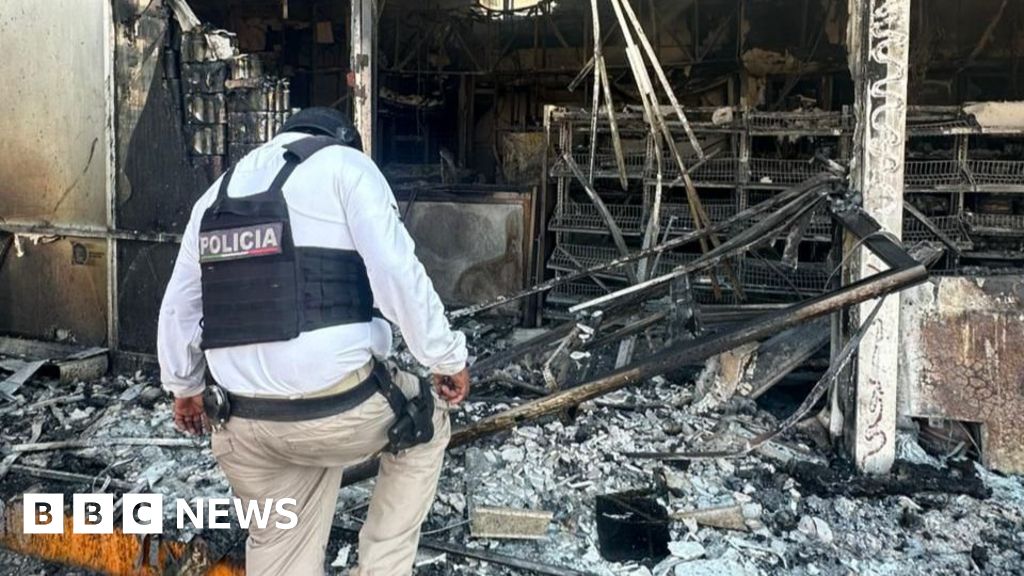
In a dramatic turn of events that has sent shockwaves through Mexico and the broader *North American* region, violence has erupted across multiple states following the confirmed death of the notorious cartel leader, El Mencho. The operation, which resulted in the elimination of one of the most powerful and elusive figures in organized crime, underscores the fragile stability of the country’s ongoing war against drug cartels. As authorities celebrate this development, many analysts warn that the repercussions could be far more destabilizing than the initial victory suggests.

The death of Rubén Oseguera González, known as El Mencho, the presumed head of the CJNG (Cártel de Jalisco Nueva Generación)—arguably the most formidable drug cartel operating in Mexico—marks a significant milestone in Mexico’s long-standing struggle to contain organized crime. According to official reports, security forces carried out a high-risk raid that culminated in his death, a move hailed by some in *Washington* and *Mexico City* as a major blow to transnational drug trafficking networks. However, the surge of violence that has followed demonstrates the precarious nature of relying solely on decapitation strategies in the fight against powerful criminal syndicates.

Historian and security analyst Carlos Mendoza notes that this episode highlights how the *U.S.-Mexico* security cooperation and *Mexico’s* internal policies remain insufficient to fully dismantle entrenched cartels. Many warn that the cartel’s fragmentation post-El Mencho’s death could trigger a violent power vacuum, leading to internecine conflicts that destabilize entire regions and further harm vulnerable communities. Moreover, international organizations like the United Nations have expressed concern over the potential for increased violence to cause a surge in migration and regional instability. The impact extends beyond borders, placing pressure on *U.S.* border security and straining diplomatic relations between *Mexico* and *Washington* as the fight against narcotraffic continues to dominate diplomatic agendas.

  • The recent spike in violence has been characterized by violent clashes, murders, and threats across *Jalisco*, *Michoacán*, and *Guerrero*, with innocent civilians caught in the crossfire.
  • Security analysts warn that cartel factions are now vying for control, turning peaceful communities into battlegrounds and destabilizing local economies.
  • International law enforcement agencies are mobilizing additional resources, though experts contended that dismantling these criminal enterprises necessitates comprehensive socio-economic strategies.
  • The *U.S.* administration has renewed calls for increased cooperation, emphasizing the importance of targeting illicit financial flows that sustain cartel operations.

The *international community* faces a moment of reckoning, as the death of a cartel kingpin exposes the limitations of purely militarized approaches. Historians see this as a pivotal point—an enduring testament to the fact that criminal organizations adapt and evolve beyond the constraints of leadership decapitation. As John Moore, a renowned geopolitical analyst, states, “The collapse of one figure often merely opens a new chapter in the brutal saga of organized crime, requiring a holistic approach that integrates law enforcement, social reform, and regional cooperation.”

As Mexico grapples with this rising tide of violence, the shadow of history looms large—an ominous reminder that the true cost of waging war against entrenched criminal networks is often paid in blood and societal upheaval. The death of El Mencho is neither an end nor a beginning but rather a stark chapter in a complex narrative that continues to unfold, leaving the world on edge — waiting to see if lessons learned will finally forge a path towards stability, or if history will merely repeat itself in a violent cycle of revenge and chaos.

El Paso airspace shut down sparks chaos — blame balloons or drone threats?

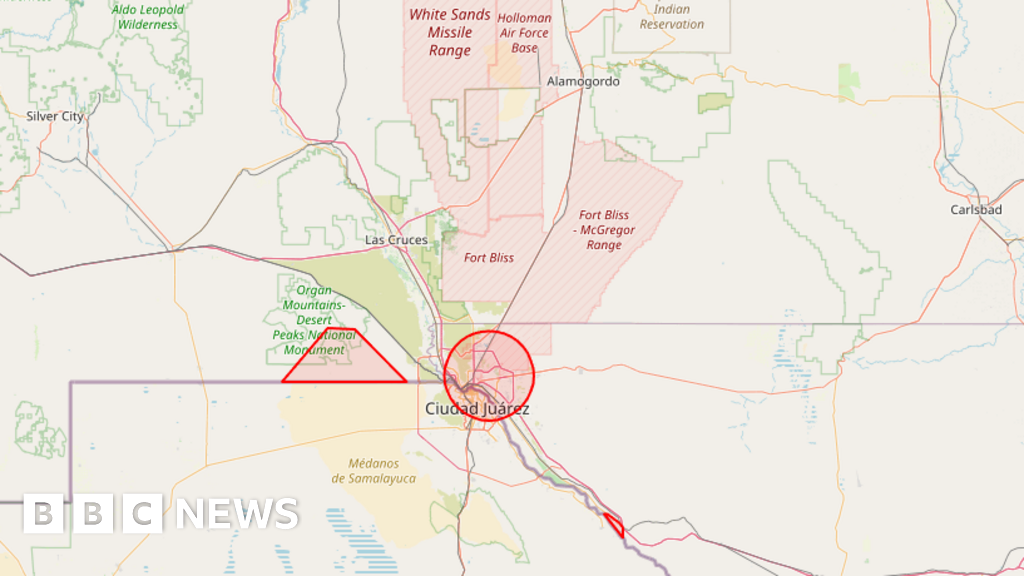
In a move that has sent shockwaves through the regional and international landscape, El Paso‘s airspace was abruptly closed for ten days, a shutdown reportedly triggered by a dispute over drone technology testing conducted by the United States military. This unexpected decision underscores the fragile geopolitical climate in North America and its potential implications for broader security dynamics. Although official sources remain tight-lipped about the specific causes, various intelligence reports and military analysts suggest that the closure was directly linked to advanced drone testing operations—an area where technological escalation intertwines dangerously with sovereignty and security concerns.

The resurgence of drone capabilities has become a focal point of contention between military authorities and regional stakeholders. Critics argue that such testing, especially when conducted near border regions like El Paso, could inadvertently escalate tensions with neighboring nations or destabilize an already volatile security environment. The incident highlights the rapid pace at which technological advancements in military hardware are influencing geopolitical stability. Historians and security experts warn that without clear international protocols, these tests risk fueling an arms race that could destabilize diplomatic efforts and trigger an unintended escalation of conflict.

This closure has far-reaching geopolitical impact. Regional actors—including Mexico and various Latin American nations—are closely monitoring the United States’ military maneuvers, wary of how these tests might affect border security and regional stability. Furthermore, global institutions such as the United Nations have increasingly voiced concern over the reckless deployment of emerging military technology in sensitive zones. The turning point lies in how these technological demonstrations are perceived: as defensive innovations or as acts that could inadvertently trigger a new arms race. The decision to shutter airspace—although temporary—intensifies existing debates about transparency, sovereignty, and the need for international regulations governing drone warfare.

As the dust settles on this dispute, the world’s eyes remain fixed on Washington and its military-industrial complex. Analysts warn that such isolated incidents, if unchecked, herald a new era of confrontational posture. The international community, under increasing pressure from peace advocates and global watchdogs, faces a critical choice: to embrace arms control or risk spiraling into unprecedented levels of technological conflict. History will judge whether this brief closure marks a relic of posturing or the beginning of a broader strategic recalibration. The pages of history continue to turn swiftly, with the next chapter yet unwritten, leaving nations to ponder—are we entering a phase of responsible stewardship or reckless escalation?

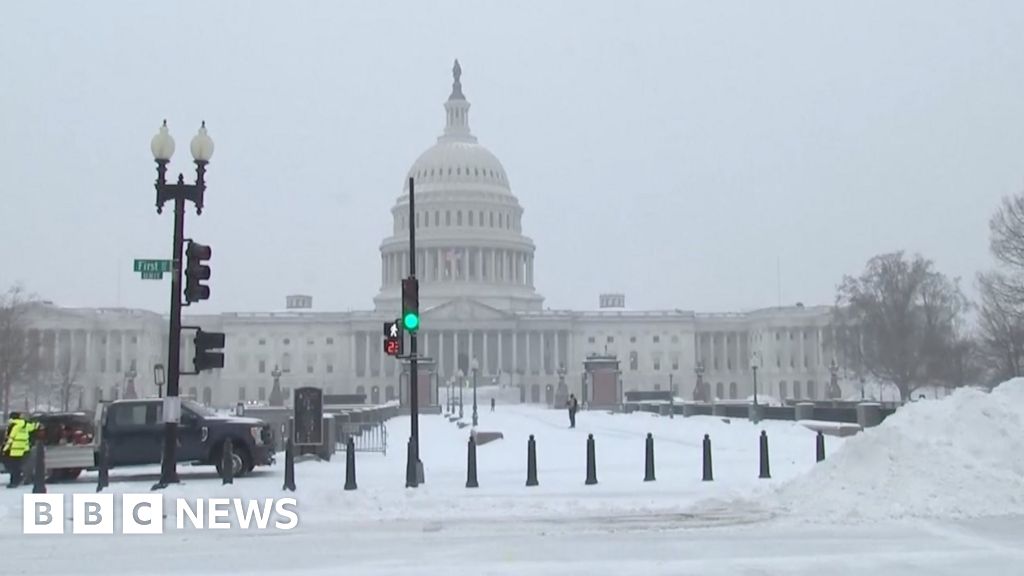
Winter storm hits America: millions left in the cold amid outages and chaos

In recent days, The United States has experienced an unprecedented winter storm, characterized by severe snowfalls and dangerously low temperatures that have crippled large swaths of the country. The National Weather Service issued urgent warnings about wind chills plunging below -20°C in numerous urban centers, turning once bustling metropolises into frosty battlegrounds of survival. President Donald Trump responded decisively by declaring a series of federal emergency disaster declarations spanning nearly a dozen states, including South Carolina, Virginia, and Kentucky.

This meteorological crisis is notable not just for its immediate humanitarian toll but also for its broader geopolitical ramifications. As extreme weather events like this winter storm become increasingly frequent and severe, they underscore the pressing need for nations to re-evaluate their preparedness and resilience strategies. Major international organizations, such as the World Meteorological Organization, have repeatedly warned that climate variability poses a formidable threat to security, economies, and societal stability worldwide. While the U.S. swiftly mobilizes internal resources, the incident exemplifies a reality where climate change acts as a force multiplier for geopolitical instability, influencing diplomacy and international relations.

Furthermore, the decision by U.S. authorities to declare emergencies in multiple states highlights a broader pattern of how nations respond to internal crises with implications that extend beyond borders. These measures serve as a reminder for allies and adversaries alike of the importance of resilience in the face of natural disasters—yet they also raise questions about the long-term impact of environmental disruptions. Historically, analysts have pointed out that countries unable to adapt swiftly to climate-induced catastrophes risk becoming more vulnerable to geopolitical shocks. In a world where chaos often begets opportunism, the challenge remains: how do nations secure their sovereignty amid a rapidly changing climate?

The international community, including major powers and emerging nations, is watching with keen interest as the United States navigates this crisis. While the immediate concern lies in rescuing stranded communities and restoring basic services, the larger geopolitical dialogue shifts towards resilience—a debate that intertwines environmental policy, economic stability, and national security. Historical analysts warn that failure to address these environmental threats could result in a new chapter of instability—one where climate change acts as a catalyst for conflict, displacement, and resource wars. As the cold grips the nation, the world must reflect on the lessons etched into the icy face of adversity: the decisions made today set the stage for the future balance of power.

As history watches silently from the pages yet to be written, the cold truth remains: in an era of unpredictable and escalating natural disasters, the line between environmental catastrophe and geopolitical crisis has grown dangerously thin. The icy winds sweeping across the United States serve as a stark reminder—nature’s fury respects no borders, and the decisions taken in one nation ripple across the fabric of international stability. The question remains—not if, but when—and how, will the world unite to confront the unyielding forces of change that threaten to reshape the geopolitical landscape forever.

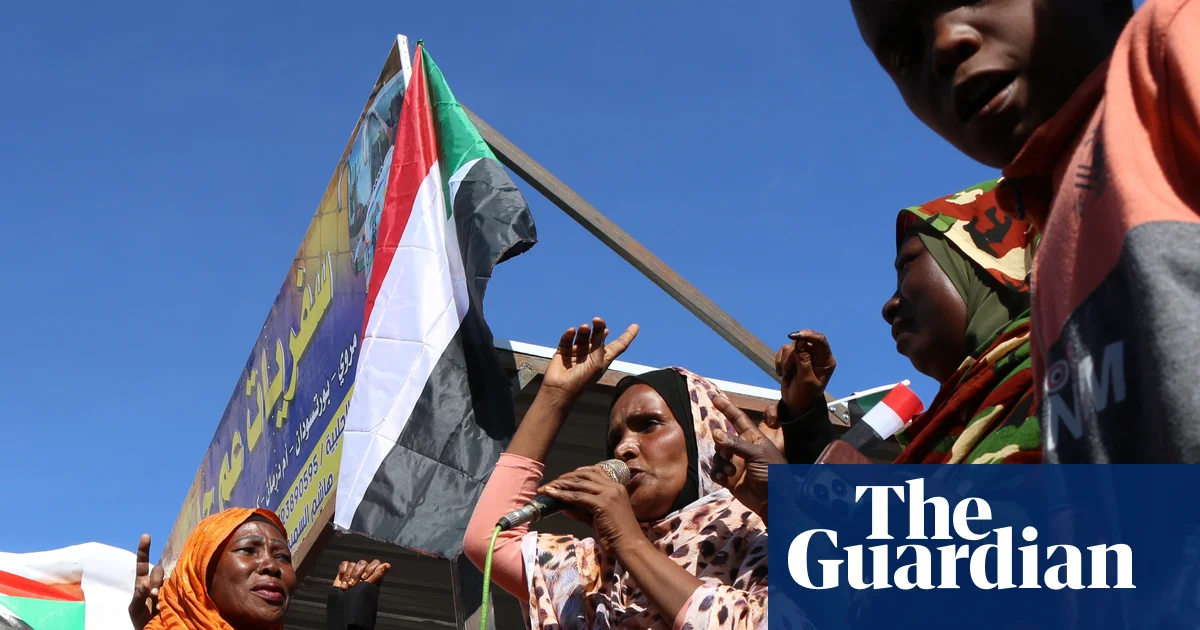
Drone attack on UN base in Sudan chaos kills six peacekeepers

The recent drone strike on Sudan marks a perilous escalation in a country already embroiled in chaos and destruction. The attack targeted a United Nations peacekeeping facility in Kadugli, a strategic city in Kordofan, resulting in the tragic death of six Bangladeshi peacekeepers and the injury of eight others. As UN Secretary-General António Guterres condemned the assault as a war crime, the geopolitical implications reverberate far beyond Sudan’s borders, underscoring the fragility of international peace initiatives and the chaos unleashed when lawlessness gains the upper hand.

These troubling events highlight the complexity of the ongoing civil unrest that has torn Sudan apart since April 2023. The country’s internal conflict, centered between the military and the notorious Rapid Support Forces (RSF), exposes a power struggle that has cascaded into regional instability. The armed conflict has spilled over into Kordofan and Darfur, regions historically troubled by ethnic violence and resource disputes. For experts and analysts, this attack reflects a deliberate attempt by insurgents to destabilize international efforts and challenge the authority of global peacekeepers – a direct threat to the stability of not only Sudan but the wider Horn of Africa.

  • The Sudanese military blamed the RSF for orchestrating the strike, amid claims that rebel factions are increasingly employing asymmetric tactics to undermine peace efforts.
  • The region’s oil resources, especially in Abyei, remain a flashpoint, with the United Nations and regional powers deeply concerned about escalations that threaten to ignite a broader conflict.
  • International organizations, such as the United Nations, warn that these targeted attacks could constitute a breach of international law and war crimes, fueling fears of a descent into full-scale chaos.

The geopolitical impact of this violence is profound. The UN has called for an immediate ceasefire, emphasizing the necessity of an inclusive, Sudanese-led political process to resolve the crisis. Yet, with each escalation, the threat of regional destabilization looms larger. China and Russia have strategic interests in the region, while Western powers seek to contain the spillover of violence into neighboring countries—an enduring struggle that echoes Cold War rivalries. The recent sanctions imposed by UK on RSF commanders, linked to mass killings, illustrate the international community’s attempt to exert pressure, yet these measures may prove insufficient amidst ongoing hostilities.

Historians and analysts warn that the Sudanese tragedy is a pivotal moment in Africa’s emerging security landscape. Experts suggest that the continued resort to violence, particularly against peacekeepers and civilians, signifies a breakdown of state authority and the ascendancy of chaos—an ominous sign for the future of regional stability. As the world watches Sudan teeter on the brink of complete disintegration, the question remains: will international diplomacy succeed in bringing about peace, or will history record this as a turning point toward prolonged conflict?

In the shadow of this unfolding catastrophe, the weight of history presses heavily upon the present. The fate of Sudan, a land rich in history but battered by internal strife, hangs precariously in the balance—a testament to how fragile the veneer of peace can be when lawlessness is permitted to flourish. As global powers maneuver and civilians bear the brunt of these conflicts, the world must confront the harsh truth: the quest for stability is ongoing, and the next chapters remain unwritten. The echoes of higher ideals clash with the brutal realities of war, leaving history to decide whether this moment marks a new dawn for peace or the early shadows of a much darker era to come.

Gaza’s Chaos Continues: Promises of Peace Broken as Violence Rages On

Global Impact of Gaza Conflict and Ceasefire Realities

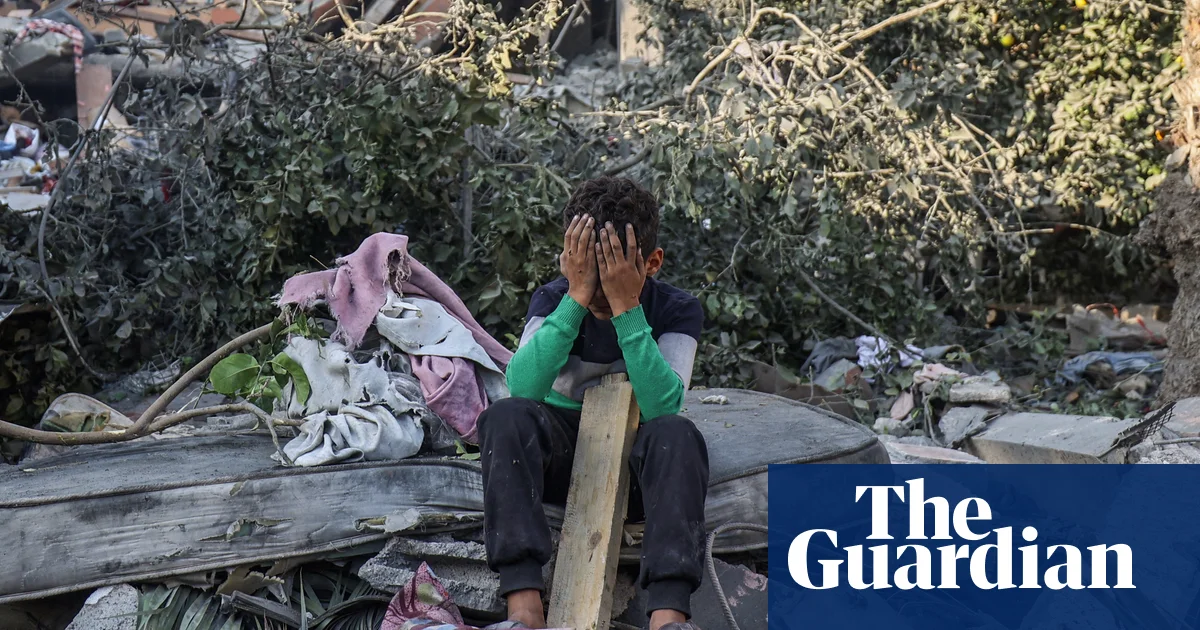
The recent conflict in Gaza has once again exposed the fragile veneer of diplomacy and the stark realities faced by civilians caught in the crossfire. Despite declarations of a ceasefire in October, the situation on the ground remains as volatile as ever. Reports from humanitarian agencies and international analysts reveal a disconcerting paradox: while official rhetoric suggests a lull in violence, the death tolls tell a darker story. On average, Israeli forces continue to kill seven Palestinians per day in Gaza, a rate that many would consider active warfare rather than an end to hostilities. The imagery of families like Hala Abu Assi’s, mourning the loss of her young boys Jumaa and Fadi, symbolizes the grim toll wrought by what is purportedly a pause in fighting. These tragedies underscore how decision-makers’ claims of peace often mask enduring violence and suffering.

The geopolitical landscape surrounding Gaza has reset into a tense and uncertain partition. Israel’s government, backed by its strongest allies, is solidifying a de facto division along the so-called “yellow line”, with recent construction of concrete outposts and the bulldozing of Palestinian neighborhoods on the Israeli-controlled side. While the Trump-planned peace process envisions a phased withdrawal, an international stabilisation force, and a technocratic Palestinian governance structure, these plans remain entrenched in ambiguity. Major questions persist: Who will control Gaza’s critical land and resources? Will the Palestinian residents have a meaningful say, or are they destined for further displacement? The emerging landscape resembles a modern apartheid in the making, with Palestinian communities being herded into scattered enclaves under international supervision. Historians and policy analysts warn this strategy could entrench the separation, embedding a new reality where ethnic and territorial divisions threaten to outlast the current violence.

The international community’s role remains deeply conflicted. European and Arab nations aligned with the Trump initiative argue they support the peace efforts to prevent a broader regional escalation and to foster stability. However, critics highlight that these political calculations often serve as a cover for maintaining strategic interests rather than genuine resolution. The UN’s recent resolutions, which drew support from some nations, plan for the disarmament of Hamas and the return of hostages—yet substantial obstacles remain. Hamas has returned most missing bodies and expressed willingness to discuss surrender of offensive weapons—but only outside of Israeli or Israeli-backed entities. Moreover, absent substantial troop contributions from countries like Indonesia or Pakistan, the envisioned @disarmament under international supervision remains a distant dream. Without a genuine Palestinian authority, efforts to rebuild or establish security are hamstrung, compounding the sense of inevitability regarding Gaza’s continued fragmentation.

The Humanitarian Toll and the Weight of Injustice

Marking a tragic chapter, Gaza’s population of over 2 million Palestinians now inhabits less than half of their original territory—confined to the barren “red zone” amid ruins and chaos. The recent floods, coupled with ongoing bombings, have devastated what little infrastructure remains, leaving families in tents with no adequate shelter before winter’s cold. Aid supplies, though increased, have yet to meet the need; the UN reports that fewer trucks are entering Gaza than prewar levels, and many Palestinians live on the brink of starvation. The international aid effort, hamstrung by diplomatic disputes and Israeli bans on organizations like UNRWA, struggles to address the scale of destruction. The plight of Gaza’s children, families, and the elderly reflects a humanitarian crisis that-growing figures warn could morph into a chronic catastrophe if international pressure wanes. Such conditions vividly illustrate a world that prudently calls itself “concerned,” but fails to act decisively. The ongoing destruction and suffering challenge global leaders and institutions to confront the moral cost of their policies—adventures in diplomacy that risk leaving Gaza as a symbol of unresolved injustice for generations to come.

As the quiet of the ceasefire festers into a new era of enduring division, the silence of true peace grows heavier. The stories of families like Faiq Sakhani’s, living just metres from the “yellow line” and daily fearing death, are the somber echoes of a story still unresolved. The specter of history—of nations divided and peoples oppressed—looms large over a volatile region in which every decision could ignite yet another cycle of war or forge a fragile hope for lasting peace. The world watches, but only time will reveal whether this chapter will be remembered as a step toward liberation or a prelude to darker days. The pages of history remain unwritten, yet one thing is certain: Gaza’s suffering is a stark reminder that peace, if not rooted in justice, is merely a brief interlude in an ongoing tragedy.

Travel chaos deepens in India as hundreds of flights are grounded—disrupting millions' plans
Travel chaos deepens in India as hundreds of flights are grounded—disrupting millions’ plans

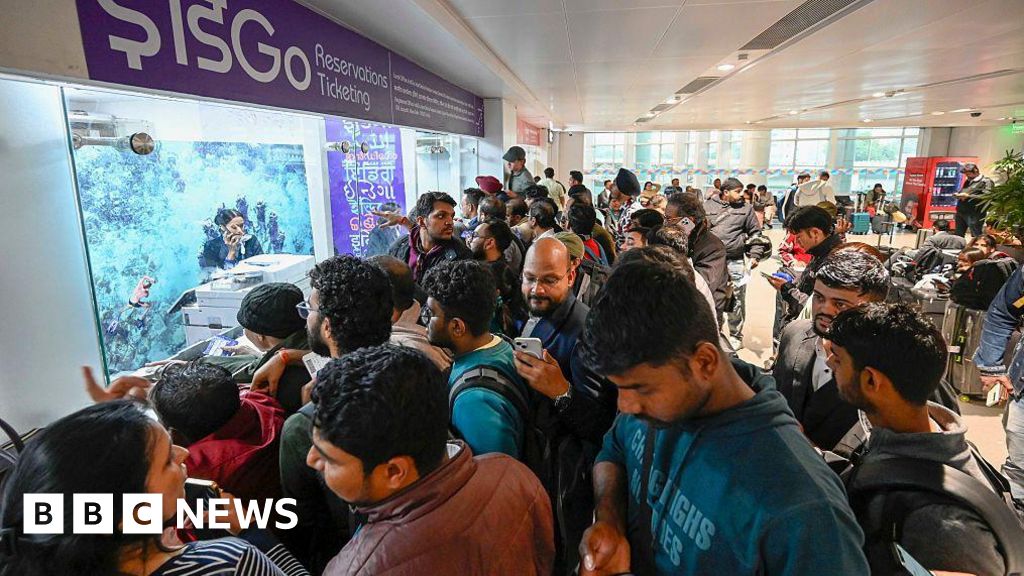
The recent turmoil within India’s aviation sector underscores the profound internal challenges facing one of the world’s fastest-growing economies. The shutdown of IndiGo, the nation’s largest airline, has triggered widespread travel disruptions at a critical time—India’s peak travel season—highlighting systemic vulnerabilities rooted in recent regulatory reforms. As thousands of passengers remain stranded amid a backdrop of domestic chaos, India finds itself at a crossroads where domestic policy decisions could ripple across geopolitical lines.

Over the past week, IndiGo canceled hundreds of flights, leaving major airports in Delhi and Mumbai overwhelmed with unprepared travelers. The airline’s leadership indicated that complete operational recovery might not occur until 10 February, citing increased rest rules and night-duty restrictions as key factors. The new regulations, intended to improve pilot safety, have instead exposed critical planning gaps, which the Indian aviation regulator bluntly attributed to “misjudgment and planning gaps.” The regulator, alongside the government, has demanded detailed restructuring plans from IndiGo, emphasizing the urgency of aligning safety with operational efficiency—an effort to appease both safety advocates and economic stakeholders.

This crisis comes amid acute domestic unrest over the impact of recent policy shifts, which have faced sharp criticism from pilot associations, safety experts, and even international observers. The Airline Pilots Association of India warns that any easing of duty regulations risks “gravely” compromising safety, emphasizing that the balance between flexible regulation and public security remains precarious. At the same time, the government’s visible displeasure reveals an attempt to assert control amidst *public outrage* and operational breakdowns. These developments, analysts argue, threaten to undermine India’s global reputation as a reliable air travel hub, with potential consequences for foreign investment, tourism, and diplomatic relations.

On the geopolitical front, India’s internal strife in its aviation sector signals a broader narrative. As India asserts itself on the world stage through ambitious economic initiatives, such as the Make in India campaign and regional infrastructure projects, domestic instability may serve as a cautionary tale. Historically, rapid economic growth combined with regulatory missteps can serve as vulnerabilities exploited by rivals or destabilized by external shocks—be it regional conflicts or global economic downturns. The international community, including institutions like the International Civil Aviation Organization, closely monitors such crises, understanding that internal challenges in a rising power can influence geopolitical stability.

As passengers voice their frustration—the Singaporean High Commissioner even lamenting lost personal milestones—the incident leaves a stark reminder: the decisions made today in policymaking and crisis management will reverberate across the region and beyond for decades to come. The unfolding story in India is more than an aviation crisis; it is a reflection of a nation striving to balance rapid growth with the complexities of governance, safety, and international reputation. The weight of history presses down as the world watches, knowing full well that in these turbulent times, a single misstep can threaten to rewrite the trajectory of a nation’s rise—leaving future generations to grapple with the consequences of decisions shrouded in the fog of uncertainty.

Zelenskyy Confronts Rising Chaos as Yermak’s Fall Reshapes Ukraine’s Power Balance

Ukraine stands on the brink of a major political upheaval, as it grapples with the fallout from the recent resignation of Andriy Yermak, President Volodymyr Zelenskyy‘s closest adviser and key figure in domestic and international negotiations. Yermak’s departure, triggered by anti-corruption searches of his residence, signals a disruption of the carefully balanced power structure in Kyiv—a city already under immense pressure from the ongoing conflict with Russia. Renowned analysts warn that this event could serve as a watershed moment in Ukraine’s internal governance, with reverberations felt across its international alliances and peace prospects.

  • Yermak, a former lawyer and film producer-turned-politician, became the backbone of Zelenskyy’s inner circle, wielding influence over foreign policy, security talks, and political strategy.
  • The anti-corruption probe, which seized laptops and phones from his residence, has cast a shadow over Ukraine’s leadership, threatening to unravel years of political consolidation and shaking public confidence.
  • Political insiders highlight that Yermak’s control over sensitive connections and information made him an indispensable gatekeeper, effectively limiting access to the president from the wider elite and opposition elements.

Historians and international observers cite the anti-corruption crackdown in Ukraine as a potential turning point that could either pave the way for reform or deepen societal division. The scandal follows years of popular discontent with endemic corruption—a persistent problem that undermines Ukraine’s democracy and deters foreign investment crucial for recovery. As Kyiv attempts to strike a delicate balance between internal stability and external support, the fallout from Yermak’s demise underscores the broader geopolitical struggle between Western interests and entrenched local elites. commentators like veteran analyst Michael Lee have warned that losing a figure like Yermak may weaken Ukraine’s bargaining position in ongoing peace negotiations with Russia, making the prospect of a negotiated settlement even more tenuous.

International organizations such as the International Monetary Fund and the European Union have been pushing Kyiv for political reforms and transparency, viewing the recent developments as evidence of the urgent need for structural change. The scandal has exposed how intertwined Ukraine’s political elite are with vested interests, chipping away at the fragile trust necessary for sustained reform. Many experts believe that if Kyiv is to maintain Western support, it must confront these internal fissures head-on, even if it means a painful reorganization of its political hierarchy. Meanwhile, the events in Ukraine serve as a sobering reminder of how internal power struggles and corruption can threaten to undo years of international efforts aimed at stabilization and democratization.

As the dust settles, the nation faces a period of uncertainty—some fearing that further revelations could ignite instability, others hopeful for a second chance at reform. The echoes of this crisis will resonate well beyond Ukraine’s borders, shaping regional stability and the global strategic calculus. The unfolding saga of Yermak’s fall is more than a domestic story; it is a chapter in the larger narrative of a nation fighting not only external enemies but also confronting the corrosive effects of corruption within. The true test will be whether Ukraine’s leadership can harness this moment to forge a more transparent and resilient political future — or whether this turbulence will become yet another scar in the evolving history of a nation determined to forge its destiny amid the chaos of a world still at war.

UK bird flu chaos threatens Christmas turkey supply—industry on edge

UK Bird Flu Outbreak Weighs Heavily on Christmas Supply Chain, Signaling Broader Geopolitical and Economic Shifts

The ongoing avian influenza outbreak sweeping through the UK poultry industry exemplifies a crisis that extends far beyond farmyards and supermarkets. With cases surpassing last year’s toll, the impact on the Christmas supply chain is mounting, revealing vulnerabilities that could have wider geopolitical implications. The reality that approximately 300,000 birds—particularly organic and free-range—have already been culled underscores the severity of this health emergency. Though major retailers exhibit resilience, willing to absorb short-term losses on advance orders, the disruption signals a fragile global food network exposed to the unpredictability of zoonotic diseases.

This health crisis is more than a local story — it’s a stark warning of how risks from emerging infectious diseases could reshape international trade relations and national security strategies. With outbreaks confirmed in large-scale commercial poultry units across England and neighboring nations under stringent biosecurity mandates, authorities are racing against time to contain the virus. The Animal and Plant Health Agency reports nearly 50 cases since October, emphasizing that *crisis management remains a delicate balance.* Historians and analysts warn that if such outbreaks persist or amplify, they could precipitate a cascade of economic repercussions, jeopardizing global food security and intensifying political tensions over resource sovereignty and pandemic response coordination.

International Responses and the Broader Geopolitical Impact

While the UK strives to manage its farm crisis, the broader international landscape is not immune to the repercussions of emerging zoonoses. Countries with significant poultry industries—such as the US, China, and India—are closely monitoring developments, aware that the spread of avian flu can undermine global supply chains and trigger protective trade measures. The World Organisation for Animal Health (OIE) cautions that such outbreaks may catalyze stricter import restrictions, impacting international relations and trade agreements rooted in agricultural commodities. This scenario underscores the need for a cohesive multinational response, yet it also exposes vulnerabilities in existing treaties that often prioritize economic gains over health security.

Experts contend that shifting geopolitical alliances could influence future biosecurity protocols, especially as nations seek to safeguard their food sovereignty amid mounting ecological and health challenges. The UK’s experience serves as a trial run for how local health crises can ripple outward, forcing countries to reevaluate their strategic alliances and resource allocations—factors that will significantly influence future global governance. As a result, international organizations are called to step up their coordination efforts, fostering resilience in an interconnected world increasingly threatened by zoonotic spillovers and climate change.

Conclusion: The Unfolding Chapter of Global Crisis

As the UK battles its most severe bird flu outbreak in years, the world watches with bated breath. The decisions taken today—ranging from immediate containment measures to long-term policy shifts—will carve the path for future generations. Public health and economic stability hinge on swift, decisive actions, but history warns that such crises often reveal deeper geopolitical fault lines, exposing vulnerabilities in our interconnected fabric of society. With every cull and containment order, the narrative of global resilience continues to unfold, leaving nations to ponder whether they are prepared for the next shadow looming on the horizon—a threat that, if unchecked, could transform the course of history in ways yet unforeseen.

Explosive stash inside Kashmir police station detonates, killing nine—authorities scramble to contain chaos

Explosive Tensions Rise in India-Controlled Kashmir

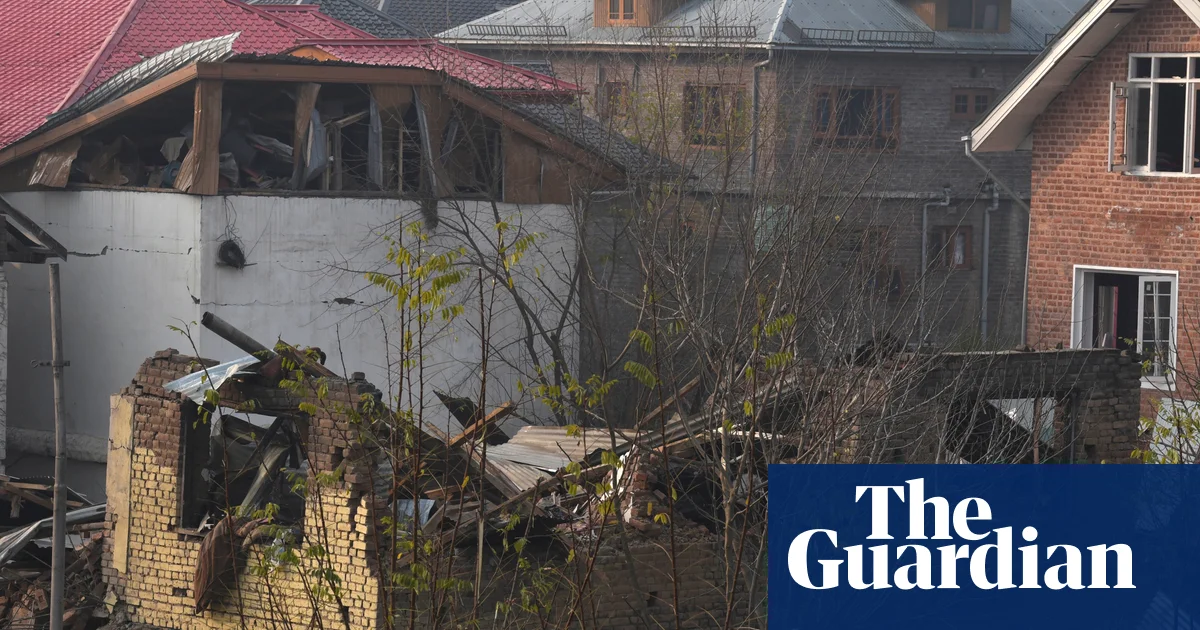
The recent deadly blast at a police station in Kashmir‘s main city, Srinagar, underscores the fragile security situation in this disputed region. The explosion, which claimed at least nine lives—primarily police and forensic officials—and injured 32 others, has sent shockwaves through international geopolitical circles. As authorities initially framed the incident as an accidental explosion during forensic sampling, its timing amid ongoing counter-militant operations raises significant questions about underlying tensions and the prevailing atmosphere of instability.

Recent Events and International Reactions

  • The blast followed a series of high-profile British Indian and other foreign nationals’ arrests in Faridabad, revealing efforts to dismantle a suspected militant cell reportedly involved in planning or executing terror activities across India. Authorities seized large quantities of bomb-making material, signaling a potentially dangerous escalation in the region’s militant activity. This operation, coupled with the dismantling of the cell, fuels fears of increased violence, primarily aimed at destabilizing Indian-controlled Kashmir.
  • Just days prior, India experienced a deadly car explosion near the historic Red Fort in New Delhi, which the government swiftly labeled a “heinous terror incident” perpetrated by “anti-national forces.” This chain of violent episodes exemplifies the ongoing security challenges that threaten regional stability and complicate diplomatic efforts in resolving the Kashmir conflict. International analysts, including those from the United Nations and various think tanks, warn that such violence could escalate further if political solutions are not prioritized over brute-force operations.
  • Meanwhile, Pakistan has issued cautious statements, condemning violence on both sides while refusing to comment directly on India’s internal security measures. This strategic ambiguity maintains the status quo, but international observers argue that this delicate balance risks unraveling if violence continues unabated — especially with both nations wielding nuclear arsenals amid rising nationalist sentiments.

Geopolitical Impact and Future Implications

The geopolitical impact of these events reaches beyond South Asia. India‘s resolve to fight militant threats within Kashmir aligns with its broader goal to project strength and maintain sovereignty over the region. However, critics argue that excessive force and controversial security practices may only deepen local resentment and provide ammunition for militant recruitment. International organizations, including the World Security Council, repeatedly emphasize the importance of diplomatic engagement and respect for human rights as vital components to sustainable peace.

Furthermore, the incident at Srinagar—initially dismissed as an accidental explosion—serves as a stark warning of how unresolved conflicts and clandestine militant networks can turn deadly without decisive political intervention. Historians such as Benedict Rogers warn that history shows violent flare-ups in Kashmir often serve as catalysts for wider regional destabilization, impacting neighboring Pakistan, China, and even drawing in external powers like the United States and Russia.

The unfolding scenario exemplifies how decisions made behind closed doors—whether in military raids, diplomatic negotiations, or international aid—vibrate through the social and political fabric of the region. As history continues to be written in blood and resilience, the weight of unresolved disputes, ideological clashes, and external interests threaten to plunge South Asia into persistent turmoil, with global consequences that echo far beyond the mountains and deserts of Kashmir.

Social Media Auto Publish Powered By : XYZScripts.com