
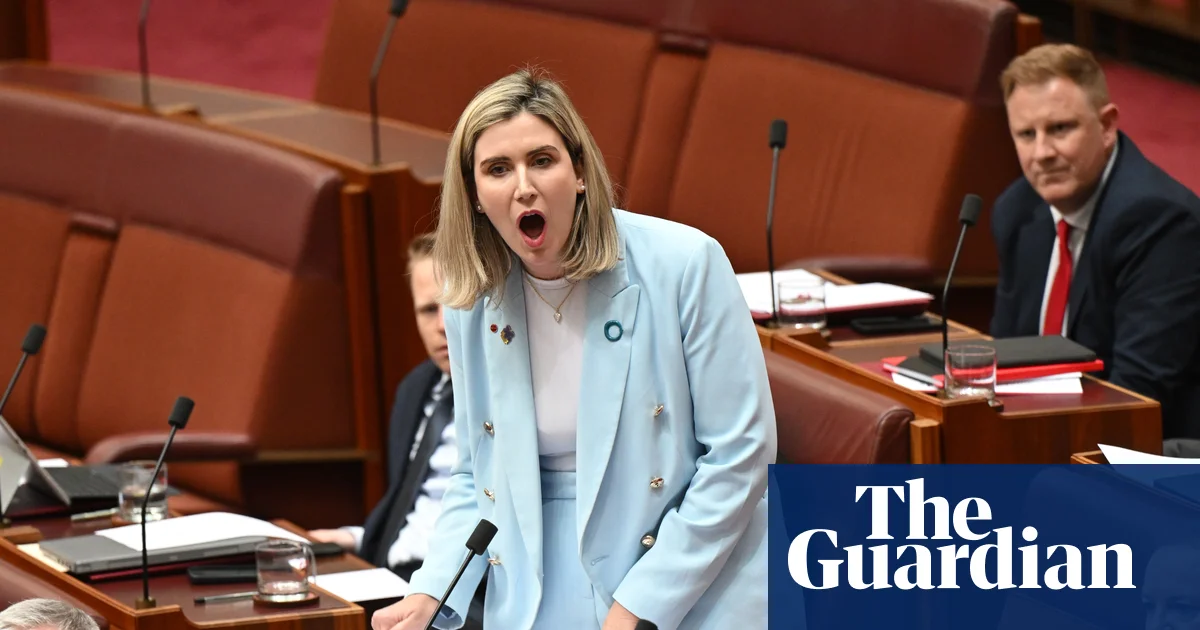

Australian Senate Sparks Political Turmoil: A Turning Point in Transparency and Tradition
In an extraordinary chapter of Australian parliamentary history, a recent Senate session has challenged long-standing conventions and signaled a potential shift in the nation’s political landscape. Over a record-breaking 210 minutes, senators engaged in a marathon question time that exceeded the previous Federation-era record of approximately 150 minutes. This unprecedented event unfolded amidst a fierce debate over transparency and government accountability, highlighting broader tensions between the ruling Labor government and opposition factions, including the Coalition, Greens, and various crossbenchers.
Led by Senator David Pocock, a notable figure in advocating for government transparency, the opposition-inspired move aimed to extend question time, forcing ministers to answer a greater number of inquiries. This effort was met with fierce resistance from the government, which criticized the procedure as a breach of convention, with Minister Murray Watt dismissing it as a “dummy spit.” Yet, in an audacious procedural move, the Labor-led Senate continued the session well beyond the mandated end, orienting the debate around a critical issue: government secrecy regarding a report on public sector appointments. The report, compiled by former public service commissioner Lynelle Briggs, has been withheld for two years under claims of cabinet confidentiality, despite persistent demands for transparency from non-governmental members.
This defiance illustrates the growing conflict over truth and accountability within Australia’s political system, with analysts warning that such disputes undermine parliamentary tradition and public trust. International organizations, including Transparency International, have expressed concern over the government’s reluctance to release key documents, asserting that the persistent secrecy could weaken democratic institutions. The Australian Senate appears to be on a brink of a constitutional crisis, with critics arguing that the prolonged question time and procedural controversy symbolize a breakdown in the balance of power and the erosion of parliamentary decorum.
The recent upheaval serves as a stark reminder of how decisions made by political leaders ripple beyond national borders, affecting international perceptions of Australia’s democratic standards. As tensions escalate over transparency, the global community watches closely—experts warn that such internal strife could diminish Australia’s influence on the international stage, especially in regions where it seeks to assert leadership amidst competing powers. This internal discord echoes a broader pattern observed in democracies worldwide, where the suppression of information often signals more profound authoritarian tendencies.
As history continues to unfold within the hallowed halls of Parliament, the strain between tradition and reform intensifies. The question now remains: will this historic confrontation serve as a catalyst for genuine transparency and reform, or will it deepen the divisions that threaten the pillars of Australian democracy? The weight of this moment remains heavy on the shoulders of those who believe that, in a nation founded on the principles of openness and accountability, the truth cannot be silenced. The answers lie ahead, as the pages of history turn and the future of Australia’s political integrity hangs in the delicate balance.





