Matox News

Truth Over Trends, always!

London man charged with manslaughter after domestic abuse linked to teen’s suicide

UK Justice System Targets Domestic Abuse as Authorities Seek to Address Tragedy

In a rare move, London authorities have publicly charged a man with manslaughter in connection with a domestic abuse-related death that occurred in 2020. The case, which involves allegations of prolonged coercive and controlling behavior, marks a significant escalation in the UK’s effort to confront and prosecute domestic violence beyond traditional criminal charges. This unprecedented legal action demonstrates a changing landscape in how justice systems worldwide are holding perpetrators accountable for the wider societal harms inflicted during long-term abuse campaigns.

The victim, Gillian Morand, 36, was found dead in Bexley, southeast London, with her death ruled a suicide after a detailed inquest. However, subsequent investigations uncovered disturbing allegations of abuse that Morand endured over a “significant period,” which the police now argue contributed heavily to her tragic demise. This recognition of how sustained domestic abuse can push victims toward despair underscores a shift in police and judicial priorities to treat these cases as serious criminal enterprises rather than isolated incidents.

International Significance and Geopolitical Impact

This case resonates far beyond the borders of the UK. It highlights an increasing international consensus emphasizing the importance of comprehensive legal measures to combat domestic violence—an issue that transcends cultural and national boundaries. Analysts from INTERPOL and other global institutions note that such prosecutions signal a broader geopolitical shift towards strengthening women’s rights and protecting vulnerable populations in the face of advancing domestic violence laws. This decision at the national level reflects a growing awareness among governments that domestic abuse is intertwined with wider societal stability and human rights considerations.

Furthermore, the UK’s move can be seen as part of a broader pattern where countries re-evaluate their legal frameworks to address the complexities of coercive control. The case serves as a reminder that international organizations, such as the United Nations, continue to press member states to prioritize legislation that explicitly criminalizes long-term abusive behaviors, recognizing the profound effects on public health and social cohesion. The decision to pursue such charges could influence similar legal reforms elsewhere, encouraging a more proactive stance against domestic violence that aligns with the urgency of modern social challenges.

Society and the Role of Justice in Shaping the Future

Legal experts and historians, such as Professor Margaret Abrams of the London School of Economics, emphasize that the pursuit of justice in cases like Morand’s underscores an evolving understanding of domestic abuse as a systemic issue. The move signals a willingness to confront darker facets of societal breakdown—highlighting how unchecked power imbalances in private spheres can have devastating public consequences. This case’s prosecution is also a rallying call to society: protect and listen to victims, and ensure that justice is not delayed or denied. The decision to bring charges related to controlling behavior signals a recognition that domestic abuse is not only about immediate violence but also about a broader pattern of destructive coercion that can devastate lives.

As nations continue to grapple with domestic violence, the Irish and American contexts, among others, consider adopting similar measures—further integrating legal, social, and mental health approaches. Global institutions warn that failure to address these issues comprehensively can lead to systemic societal decay, as victims are pushed into silence and despair.

Still, this moment in London’s justice history resonates as both warning and hope. The weight of history presses heavily on today’s legal decisions—an enduring reminder that true justice demands confronting the past, recognizing the profound harm inflicted by unchecked power, and forging a future where such tragedies are abolished. In this ongoing battle for dignity and safety, the outcome remains uncertain, yet the intent remains clear: no life should fall victim to the shadows of abuse without accountability.

Actor Timothy Busfield charged with child abuse in New Mexico

The recent indictment of actor Timothy Busfield in New Mexico on serious child sex abuse charges underscores the persistent and troubling issue of misconduct and exploitation within influential sectors of society. While this case remains in the judicial arena, its fallout extends beyond individual morality, casting shadows on the integrity of the entertainment industry and, by extension, societal trust in establishments that shape cultural narratives. It serves as a stark reminder that the fight against abuse must be unwavering, regardless of status or influence, resonating with international organizations dedicated to protecting vulnerable populations worldwide.

On a broader geopolitical scale, this incident exemplifies how domestic crises can have reverberations in the global arena. As international analysts observe, the integrity of legal institutions and the rule of law in nations like the United States affect the perception of stability and justice in the broader Western alliance. Leaders and policymakers are increasingly scrutinized not only for their foreign policies but also for their domestic moral fabric. Historians warn that unchecked misconduct in key sectors erodes societal resilience, paving the way for internal strife and weakening alliances that hinge on shared values of justice and human rights.

Furthermore, the case poses critical questions about the role of international norms concerning child protection. Organizations such as the United Nations and regional bodies like the European Union emphasize the importance of robust safeguarding measures, which now come under strain whenever high-profile figures are implicated in abuse. In a world increasingly interconnected, domestic scandals threaten to undermine trust in global institutions aimed at fostering accountability and universal human rights. As the Global Coalition for Child Protection and independent watchdogs analyze this case, it underscores a global necessity: to harmonize efforts in combating abuse and ensuring justice sustains across borders.

With the intense media scrutiny and a swell of public consciousness, authorities and advocates alike understand that these cases highlight the need for preventative frameworks and swift judicial responses. The American legal system faces ongoing critique for handling cases of abuse, but international efforts, backed by resources from organizations such as the World Health Organization and UNICEF, strive to establish universal standards for safeguarding children. Analysts such as Dr. Emily Carter emphasize that these cases live at the intersection of moral responsibility and diplomatic credibility, underscoring that international stability depends partly on citizens’ faith in justice systems and societal morals.

Ultimately, this revealing chapter in a nation’s moral saga is more than a domestic legal matter; it is a potent symbol of a broader struggle—a confrontation between transparency and concealment, justice and impunity. As history unfolds, the weight of these allegations extends into the fabric of society and international relations. The world now watches, holding its breath, as the future of integrity and societal resilience hangs in the balance. The question remains: will justice prevail and restore trust, or will sliding moral standards weaken the foundations of modern civilization? The answer rests in the collective resolve of nations and societies to confront their darkest truths, knowing that in doing so, they shape the course of history itself.

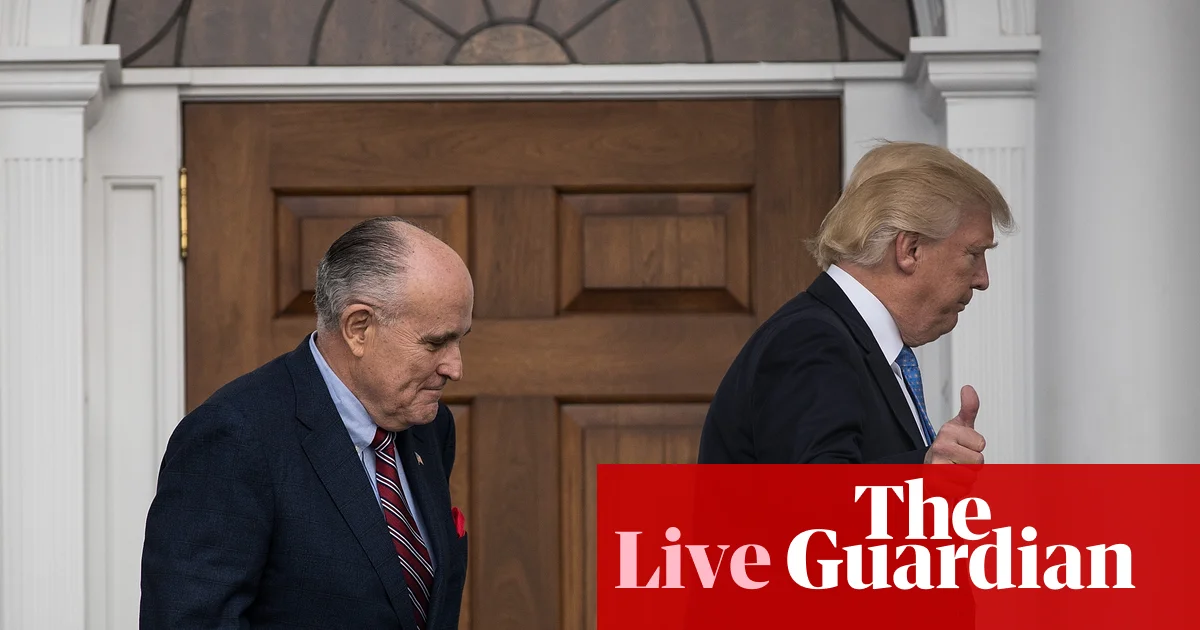
Trump clears Giuliani and allies charged with election interference — latest updates

In recent days, the international stage has witnessed a series of seismic events that underscore the shifting landscape of global power and domestic stability, particularly within the United States. The dramatic pardoning by Donald Trump of his allies linked to efforts to overturn the 2020 election has sent ripples across both U.S. politics and the broader geopolitical arena. The pardons, including high-profile figures such as Rudy Giuliani and Mark Meadows, are viewed by many analysts as a calculated move to reassert influence and weaken institutional accountability, challenging the notions of rule of law and sovereignty. While none of those pardoned faced federal charges, critics argue this controversial decision could usher in a precedent where future administrations find immunity from prosecution, thereby eroding the integrity of the American legal system and emboldening authoritarian tendencies.

Simultaneously, the domestic crisis has been compounded by ongoing government shutdowns— the longest in U.S. history—affecting hundreds of thousands of workers, with flights canceled en masse and essential services disrupted. According to top officials, the shutdown continues due to political gridlock between the Democratic and Republican senators, despite efforts to pass a stopgap measure that would fund the government only until January. This short-term funding, essentially a Band-Aid solution, underscores the deep divisions that threaten the fabric of American governance, with the specter of a prolonged stalemate looming large. Historians warn that such political discord contributes to a climate where societal trust diminishes and chaos undermines the national stability vital to global order.

On the international front, President Trump made headlines with a historic visit to the White House by Syrian President Ahmed al-Sharaa, marking the first such diplomatic engagement since Syria’s independence in 1946. This summit, cloaked in secrecy, signals a potential realignment of American foreign policy amid a broader reshuffling of alliances in the Middle East and beyond. While specifics of discussions remain under wraps, the unspoken message is clear: the U.S. aims to recalibrate its stance on Syria, employing a strategy that includes sanctions and high-stakes diplomatic negotiations. Such diplomatic shifts are likely to recalibrate regional power balances, influencing allies and adversaries alike, especially in an era when assertive national interests are reshaping traditional diplomacy.

Brazilian and Latin American geopolitics are also in flux, with U.S. military operations expanding their reach — striking alleged drug trafficking vessels and known narco-terrorist groups in international waters, according to Pentagon statements. Such actions demonstrate an increasingly assertive U.S. military posture aimed at combating illicit networks that threaten stability beyond American borders, directly impacting regional sovereignty and security frameworks. The use of extrajudicial measures, including lethal strikes, raises concerns among international legal experts about sovereignty and the potential for escalation that could destabilize entire transit routes linking South America and the broader Western Hemisphere. These actions highlight the United States’ willingness to operate unilaterally in the name of national security, often outside traditional legal boundaries—a move with profound geopolitical implications that ripple through international institutions and diplomatic norms.

The entire sequence of events unfolding in Washington and around the globe reveals a pivotal epoch in history—a period where decisions by a single nation threaten to reshape the international order, challenge the rule of law, and redefine the future of liberty and governance. As history continues to be written in the crucible of reckless diplomacy and domestic chaos, the world watches with bated breath, recognizing that these are not mere isolated incidents but the echoes of a larger clash for influence, sovereignty, and the soul of democracy itself.

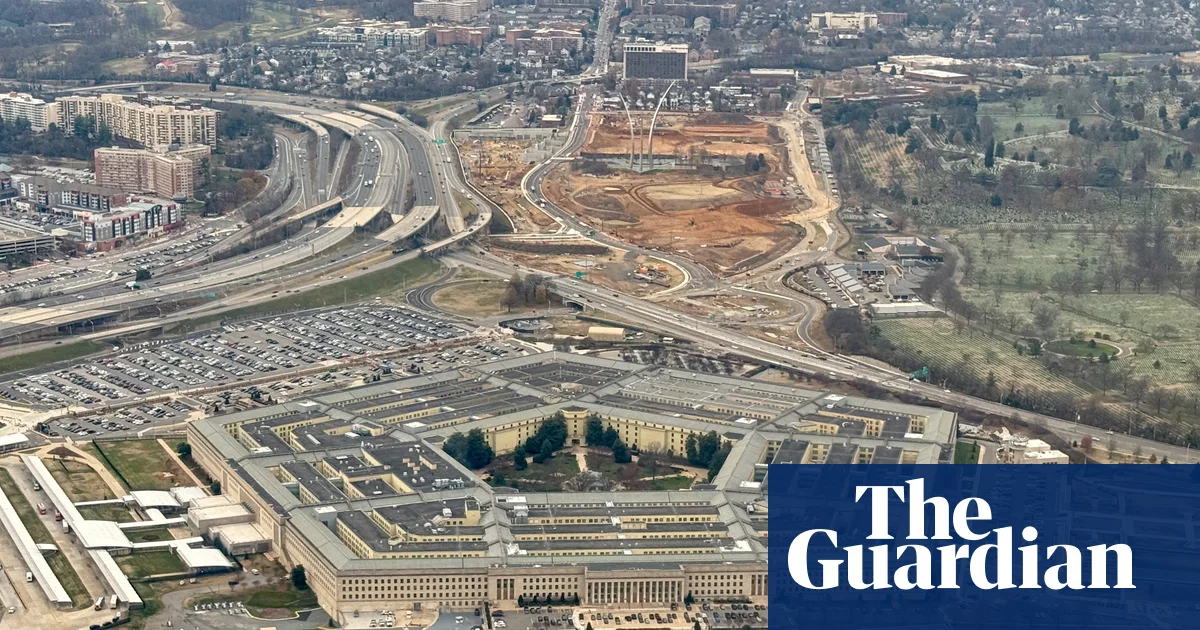
Former Bush Adviser Charged with Stockpiling Top Secret Files—Threatening National Security

In a revealing turn of events that underscores the fraught landscape of international security, India-born scholar and former US government adviser Ashley Tellis has been arrested on charges of unlawfully possessing and sharing top secret information. This arrest, occurring amidst rising tensions within global intelligence communities, signals a potential new phase in the ongoing contest for technological and military supremacy. The case is not merely a matter of individual misconduct but a reflection of broader geopolitical struggles that are shaping the future of international power balances.

Tellis, a prominent figure who has played a significant role in negotiating the historic US-India nuclear deal, was found in possession of thousands of classified documents—including material related to U.S. military capabilities—raising alarm bells about the security of sensitive information. According to federal authorities, the FBI discovered these documents at his residence in Virginia, where he held a top-secret security clearance due to his past employment. Allegations orbiting his interactions with Chinese officials further complicate the narrative, suggesting a web of espionage that spans continents and threatens diplomatic stability. These developments come at a time when Western nations and China are engaged in a high-stakes race for technological dominance, especially in areas like artificial intelligence, military systems, and cybersecurity.

This incident sparks a broader debate among international analysts and historians about the authenticity and reliability of global alliances. According to experts at the Council on Foreign Relations, such breaches are not isolated but indicative of a new era where the transnational flow of information can destabilize long-standing diplomatic agreements. For nations like Russia and China, tension-filled espionage cases like Tellis’s serve as both warnings and opportunities—reminders that information is the most potent weapon in the modern geopolitical arsenal. Officials have promised stringent measures in prosecuting those who mishandle classified information, echoing the warnings issued by US intelligence agencies about the potential security risks involved.

The repercussions extend far beyond the United States and directly impact the global geopolitical fabric. The arrest sends a powerful message about accountability and the fragile trust between allied nations, underscoring that even high-profile intellectuals and policymakers are not immune to the relentless tides of espionage and cyber warfare. How this case will influence future intelligence-sharing agreements, especially between India and the US, remains uncertain. Yet, its significance is in how it underscores the perilous fragility of modern diplomacy where secrets are currency—more valuable than ever, but increasingly vulnerable. As international organizations and national governments recalibrate their security protocols amid these revelations, the shadow of espionage looms large over the corridors of power. The true weight of history in the making can be felt palpably, reminding the world that in this intricate game of shadows, the line between ally and adversary can shift with a single revelation.

Social Media Auto Publish Powered By : XYZScripts.com