Matox News

Truth Over Trends, always!

Unleash the Power of Big Bows: The Surprising Trend Blending Feminine Charm with Youthful Rebellion | Accessories

The Rise of the Bow: How a Vintage Accessory Became a Cultural Signal

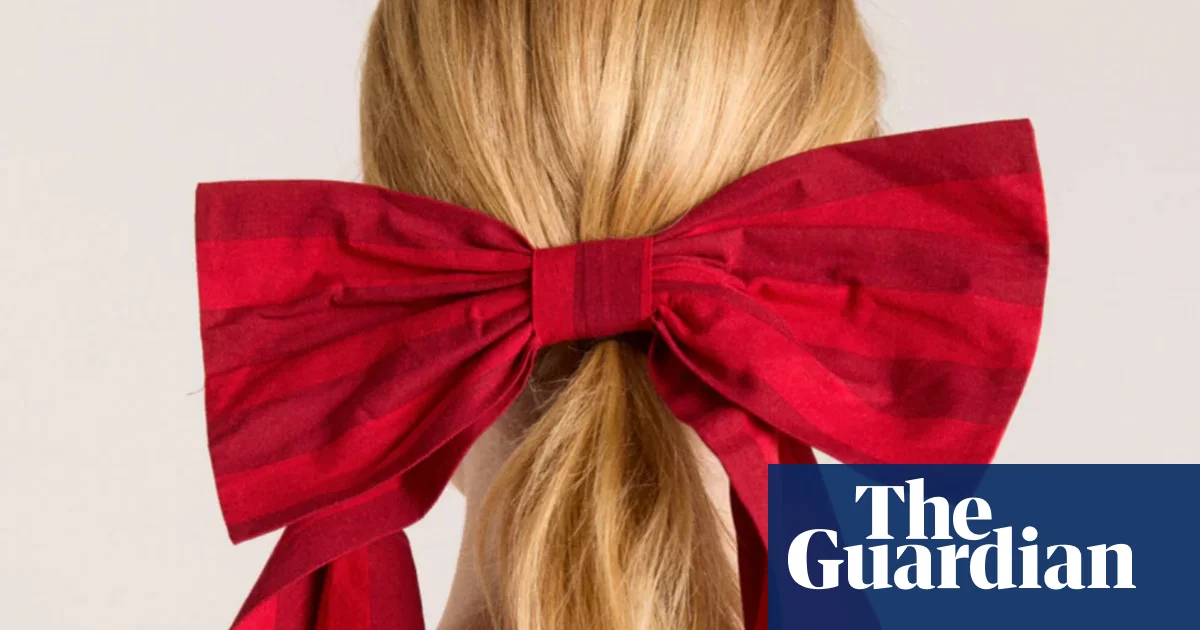
Once just a simple decorative feature from Victorian childhoods or Marie Antoinette’s opulent court, bows are now making a *massive* comeback—shaping fashion, social discourse, and even gender norms. From the high-stakes runway shows of Dior to grassroots movements on the rugby field, it’s clear that the humble bow has transcended its traditional femininity to become a powerful symbol of identity, rebellion, and social change. Today, this accessory does more than just add flair; it embodies a cultural shift in how we communicate femininity, gender fluidity, and even political solidarity.

Leading this revival are influencers, fashion designers, and sociologists noticing that the bow is no longer just a cute detail—it’s a loaded statement. Young designers like Sandy Liang and Simone Rocha are pushing bows into unexpected territory, featuring them on everything from handbags to wedding dresses. Meanwhile, on the streets and social media, more people are embracing bows as a form of subversive symbolism. Take Welsh rugby star Georgia Evans, who was attacked online for wearing pink hair bows during a game, only to turn that criticism into a viral movement of solidarity. Over 1,000 bows appeared at her subsequent match, symbolizing strength and inclusivity under attack. It’s a testament to how something as simple as a bow can become a social rallying cry, especially for young people eager to challenge outdated gender roles and expectations.

On the fashion front, the cultural impact is undeniable. Major brands like Next and M&S are selling an array of bow-adorned items—cardigans, dresses, earrings, and accessories. The trends are also reflected on red carpets, where male stars like Harry Styles and Ncuti Gatwa sport oversized bows, challenging gender binaries and highlighting that fashion is a canvas for political statement. Historically, bows were symbols of aristocratic status or flirtation, but today they are a form of expressive rebellion. As fashion historian Valerie Steele explains, bows are now “a sort of code or identity,” often worn ironically or subversively. This evolution demonstrates that what once served as a mark of femininity now acts as an emblem of self-expression and defiance, especially among the youth who view gender and social norms as fluid and negotiable.”

Yet, the question lingers: are we witnessing a lasting shift, or is this just a fleeting trend? Unlike previous fashion cycles, the current bow renaissance is deeply intertwined with broader societal conversations about gender, identity, and social justice. As designer Jonathan Anderson opened Dior’s most anticipated collection with a bow-topped dress, and influencers flaunt bow earrings and accessories, it’s clear that the bow is no longer merely an aesthetic choice—it’s a *statement of cultural evolution*. The next big question: will future generations see the bow as a symbol of both eroticism and empowerment or will it be just another passing trend? The answer could reveal much about how society’s understanding of identity—and perhaps its tolerance for complexity—continues to evolve in unexpected ways.
Switzerland steps up charm campaign to slash damaging Trump tariffs

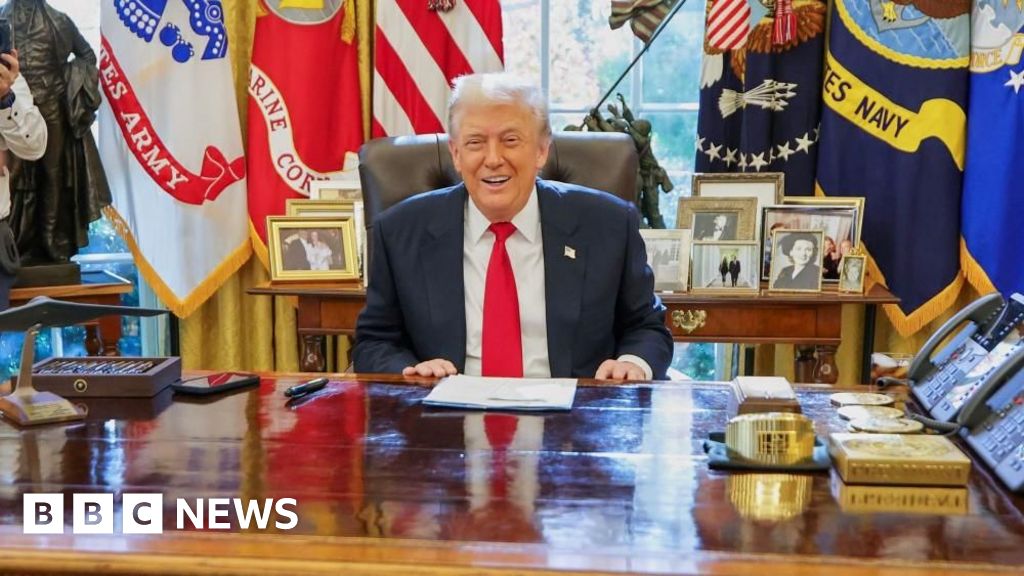
In a striking display of geopolitical influence and economic maneuvering, Switzerland has recently escalated efforts to negotiate a significant reduction of the steep 39% tariffs imposed by President Donald Trump on Swiss exports to the United States. These tariffs, reportedly the highest in Europe, have inflicted tangible damage on Swiss industries, especially the luxury goods and gold sectors. The diplomatic effort, which initially appeared to be a diplomatic dead end, took a decisive turn after a high-profile visit by Swiss business leaders bearing symbolic gifts—a rolex gold watch and engraved gold bar—from the Swiss-based gold refining company MKS. These gestures, viewed by analysts as an unconventional but strategic way to influence Trump’s decision, appear to have contributed to a shift in tone during recent negotiations, with a senior administrative official describing the talks as ‘very positive’ and ‘focused.’

The United States’ trade policy, under Trump, has been characterized by aggressive tariffs aimed at reducing trade deficits, often straining relationships with key allies. In this instance, the Swiss government’s diplomatic playbook was supplemented by an active corporate lobbying campaign, emphasizing the interconnectedness of international trade and national industry. Historians and trade analysts warn that this move could signal a broader realignment of U.S. trade policy—potentially opening the door for other nations to leverage similar tactics. As Swiss industries face potential relief, the global geopolitical impact could be profound, altering the supply chain landscape for luxury goods, pharmaceuticals, and commodities, with ripple effects reaching continents far beyond Europe and North America.

Meanwhile, the diplomatic dance extends beyond mere tariffs. The Swiss delegation’s visit to Washington was not solely about economic negotiations; it involved a display of diplomatic gift-giving, a tradition that underscores the importance of soft power in modern geopolitics. The presence of influential Swiss industry figures, including leaders from Richemont and MKS, alongside the Swiss economy minister Guy Parmelin, highlights a unified front aimed at safeguarding economic interests. Interestingly, Fifa president Gianni Infantino, a prominent Swiss citizen and a close friend of Trump’s, played a subtle but influential role—having previously handed over the World Cup trophy during an Oval Office visit—signaling that even sporting diplomacy could sway political decisions.

This evolving scenario exemplifies how decisions on tariffs are more than economic policies—they serve as a barometer of power, influence, and societal impact. The potential reduction of the tariffs, possibly down to 15%, would not only bolster Swiss exports but would also send a clear message: in today’s interconnected world, diplomatic ingenuity and strategic alliances are crucial in shaping national destinies. As Swiss industry anxiously awaits the outcome, the weight of history hangs in the balance, with the potential to reshape the narrative of U.S.-European economic relations.

Across the Atlantic and beyond, the story remains unwritten, yet undeniably consequential. As Trump’s policy shifts intertwine with international diplomacy—and as influential figures and nations navigate the treacherous waters of global influence—the echoes of these decisions will be felt for generations. Will this be a new dawn of diplomatic finesse, or yet another chapter in a saga of uncertain alliances? The answer, like history itself, continues to unfold amidst the relentless march of power and progress.

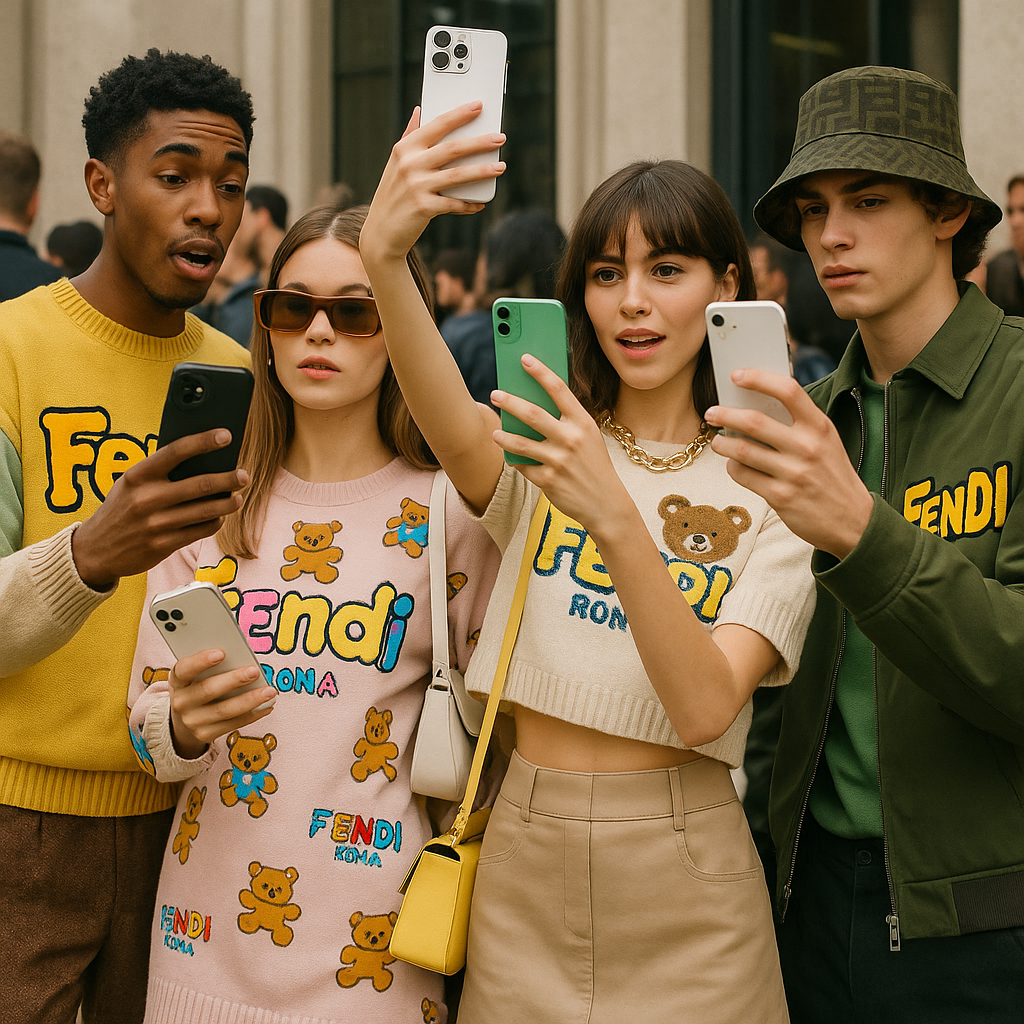
Fendi’s Fresh Take: Childish Charm Meets Luxe at Milan Fashion Week

As Fendi marks its historic centenary this year, the fashion world witnesses more than just a celebration of legacy — it reflects a broader shift in societal attitudes towards inclusivity and family-centric branding. Under the creative direction of Silvia Venturini Fendi, the house has seamlessly blended tradition with modernity, showcasing a new generation that values authenticity and social relevance. The recent runway event highlighted this evolution, featuring models of all ages and sizes, utilizing adjustable elastics and elegant grosgrain pull-tapes, once thought to be purely functional, now reimagined as symbols of style and adaptability. Many fashion analysts view this as a cultural shift towards accepting & celebrating diversity, especially in the younger demographics seeking brands with a conscience, not just a heritage.

One cannot ignore the cultural impact of this movement; it resonates deeply with the rising tide of youth-driven social activism. Influencers like Chiara Ferragni and Marina Benetti have championed brands that embrace inclusivity and family values. As Silvia vented her pride backstage, she encapsulated the sentiment: it’s not just about creating luxury items but fostering a sense of belonging and social consciousness. Meanwhile, the fashion industry at large is grappling with a steepening slowdown, causing brands to innovate with fresh faces and reimagine traditional luxury. With Fendi opening new flagship stores in Milan, the focus is shifting from mere exclusivity to cultivating a culture that appeals to a younger, more socially aware consumer base.

While Fendi’s approach demonstrates a reverence for its roots, other brands are pivoting towards minimalism and strategic reinvention. The Jil Sander show, led by Simone Bellotti, returned to the brand’s minimalist melting pot, emphasizing crisp silhouettes and industrial tones that appeal to those longing for understated elegance amidst the extravagance. The trend of minimalism signifies more than aesthetic choice; it aligns with a societal desire for authenticity and sustainable luxury. Industry insiders, including sociologists like Dr. Laura Jensen, argue this signals a collective move away from ostentation toward a more intentional, purpose-driven fashion culture. Still, as the scene grows ever more innovative, one must ask: what will be the next big thing that truly captures the social imagination? Could future trends make fashion not just an expression of identity, but a catalyst for social change?

Social Media Auto Publish Powered By : XYZScripts.com