
Global Markets Surge as Diplomatic Negotiations and Geopolitical Shifts Reshape the World Economy
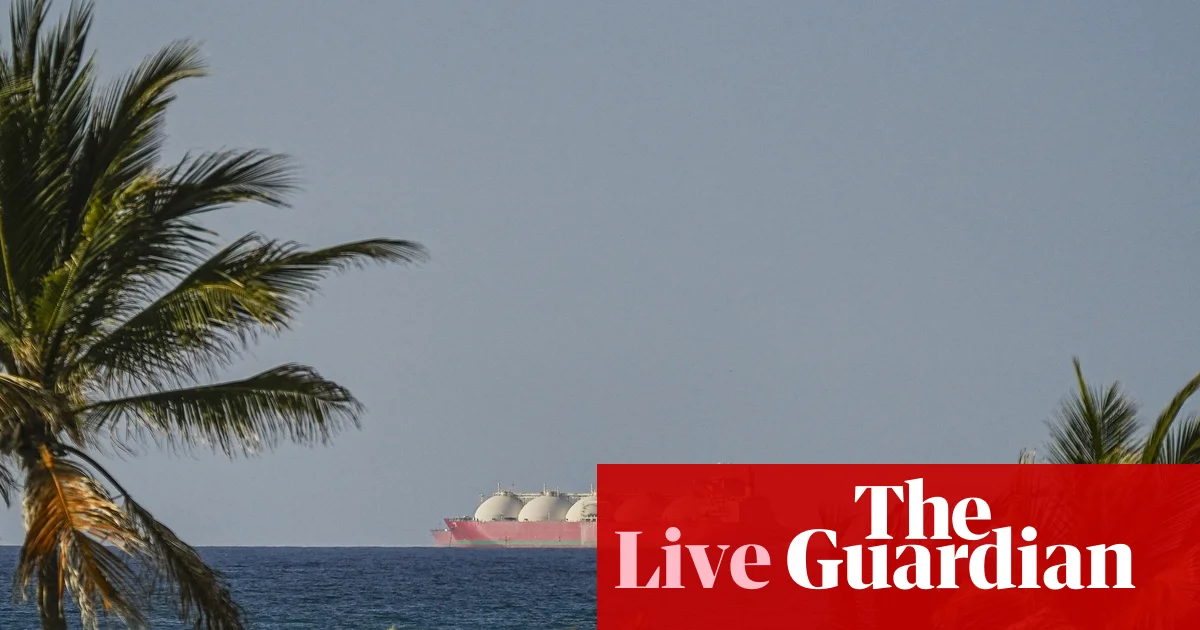
The international financial landscape has experienced a wave of optimism this week, driven by significant diplomatic breakthroughs and a series of strategic geopolitical adjustments. Donald Trump, amid intense international scrutiny, announced a pivotal pause in the controversial “Project Freedom” aimed at steering vessels stranded in the Strait of Hormuz. This move, viewed by many analysts as a calculated step towards easing tensions, coincided with his declaration of “great progress” in negotiations with Tehran for a potential *final agreement* on Iran’s nuclear program. The implications of this diplomatic pivot are profound, signaling a possible shift towards de-escalation in one of the world’s most sensitive geopolitical flashpoints.
In the wake of these developments, Asian equities soared to record highs, with South Korea’s Kospi surpassing 7,000 for the first time, led by an extraordinary 15% leap in Samsung Electronics. This surge not only cemented Samsung’s market value above $1 trillion but also signaled confidence in the broader Asia-Pacific markets, which rallied with Hong Kong’s Hang Seng and China’s CSI 300 climbing appreciably. Meanwhile, Japan’s Nikkei gained nearly 0.4%, consolidating once again as a nexus of regional economic revival. Europe’s bourses also reacted positively, with the FTSE 100 in London gaining 1.5%, led by global spirits giant Diageo. Notably, Diageo announced it was maintaining its 2026 forecasts, citing resilience despite geopolitical uncertainties in the Middle East, which could have disrupted energy supplies and global trade routes.
Back in the United States, Wall Street hit fresh record highs, with the S&P 500 up nearly 0.8% and the Nasdaq surging 1%, amid a maelstrom of AI-driven trades and investor confidence in the technology sector. Chris Weston, a leading analyst at Pepperstone, remarked that institutional investors are steadfast in adding to their positions in the “2026 winners,” especially in tech segments led by giants like Apple and major memory manufacturers. This inflow underscores a broader trend: global investors are displaying a clear preference for sectors poised to benefit from technological innovation and long-term economic reforms. As analysts from the International Monetary Fund and respected historians observe, such resilience highlights a critical juncture in the ongoing narrative of global market recovery.
The diplomatic détente with Iran, coupled with the resilient performance of stock markets worldwide, has raised questions about the geopolitical impact of these diplomatic shifts. Critics warn that the pause in the Iran-U.S. standoff may be temporary and that underlying tensions could flare anew if the broader negotiations falter. The strategic significance is clear: the Strait of Hormuz, a vital artery for global oil supplies, remains a point of contention, with Trump maintaining the blockade of Iranian ports as a show of strength. This move has sent oil prices retreating nearly 2% to $107.7 per barrel, temporarily easing inflationary pressures but also signaling ongoing instability. How these decisions influence energy security and regional stability in coming months will undoubtedly shape economic policies across key NATO and Middle Eastern nations.
As history continues to unfold under the watchful eyes of the global community, the decisions made in these turbulent yet pivotal days will resonate for generations. Will this convergence of geopolitics, diplomacy, and market resilience herald a new era of cautious optimism, or are we merely witnessing a fragile pause in a broader storm? The answers remain embedded in the complex tapestries of international relations, economic reform, and the relentless march of history—a story still being written, and its climax yet to come.