
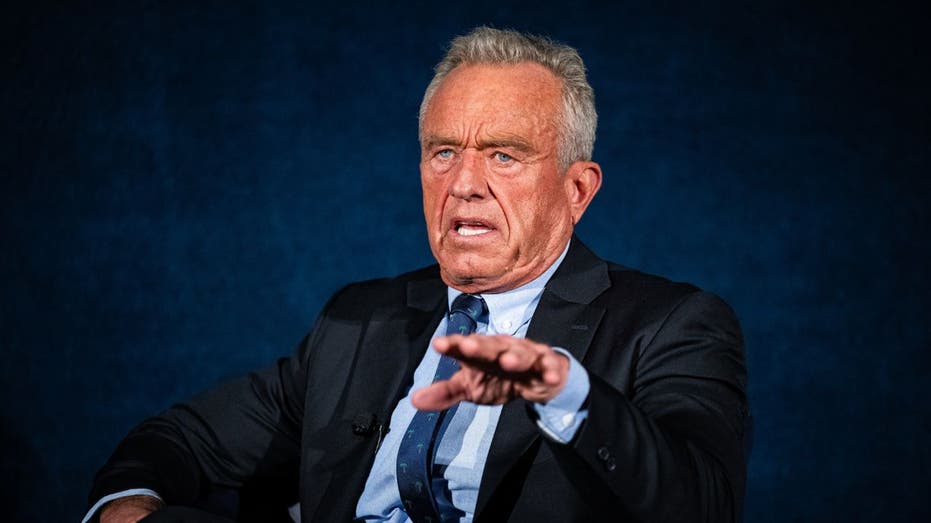

The prominent public official, known for his environmental advocacy, released footage detailing a careful rattlesnake rescue with his wife, Cheryl Hines, following a viral video that prompted discussions on social media regarding wildlife interaction.
Health and Human Services Secretary Robert F. Kennedy Jr. has once again drawn public attention to his unconventional interactions with wildlife, this time releasing a video that details the careful rescue of a venomous rattlesnake. The move comes as a direct response to a previous viral clip depicting the Secretary bare-handing non-venomous black racer snakes, which sparked widespread discussion and concern across social media platforms regarding public safety and responsible wildlife engagement.
Clarifying the Rattlesnake Encounter
Secretary Kennedy Jr.’s latest social media post, shared on Instagram, aimed to clarify his approach to handling potentially dangerous wildlife. Titled ‘In response to the many comments about venomous snakes,’ the video opens with Kennedy Jr. being alerted to a rattlesnake in his driveway. The footage, captured with the assistance of his wife, actress Cheryl Hines, demonstrates a more measured approach than his previous viral encounter. Key elements of the demonstrated rescue, which were carefully detailed, included:
- Initial assessment of the situation with awareness of potential danger.
- Use of appropriate tools like a bucket and net for safe capture.
- Clear identification of the snake’s species and venomous nature.
- Careful handling for observation without direct contact with fangs.
- Secure transportation using a pillowcase.
- Release into a suitable natural environment away from human habitation.
Kennedy Jr. identified the reptile as a Western Diamondback rattlesnake by its distinctive tail rings and emphasized the presence of fangs and the need for caution. This detailed account, as reported by the Fox News Desk, underscores a deliberate effort to address public apprehension and promote responsible wildlife interaction.
The Prior Incident: Black Racers and Public Concern
The recent rattlesnake video directly addresses the flurry of comments and concerns generated by an earlier clip featuring Secretary Kennedy Jr. on X (formerly Twitter). In that widely circulated footage, Kennedy Jr. was seen bare-handing two black North American racer snakes during a visit to Dr. Mehmet Oz’s patio. The incident, which showed his wife, Cheryl Hines, reacting with apparent alarm – reportedly exclaiming ‘Honey, honey … why?’ – raised questions about the appropriate handling of wildlife, particularly by a prominent public figure. While black racers are non-venomous, the casual nature of the interaction stirred debate among viewers and wildlife experts alike, prompting calls for greater caution and respect for animal welfare.
Public Figures and Responsible Wildlife Interaction
The actions of public officials, especially those in positions like Health and Human Services Secretary, are often subject to intense scrutiny. While Secretary Kennedy Jr.’s passion for the natural world and environmental advocacy is well-documented, his recent videos highlight a crucial discussion point: the example set by public figures in their interactions with wildlife. Pro-institutions and pro-order principles suggest that leaders should embody responsible conduct, particularly when their actions are broadcast to a wide audience. Educating the public on safe and respectful wildlife practices, especially concerning venomous species, is paramount. The latest video, showcasing a more cautious approach, appears to be an attempt to align with these expectations, demonstrating that even seasoned individuals must exercise prudence when engaging with potentially dangerous animals.
“His fangs are in there. I don’t want to touch them. This is a beautiful snake. This is a Western Diamondback.”
— Secretary Robert F. Kennedy Jr.
Ultimately, Secretary Kennedy Jr.’s decision to share both the initial bare-handed encounter and the subsequent cautious rattlesnake rescue offers a unique glimpse into the challenges of public perception. For a figure often associated with environmental causes, these incidents serve as a potent reminder of the delicate balance between advocacy, personal conduct, and the responsibility that comes with public office. As discussions around human-wildlife coexistence continue, the emphasis remains on safety, education, and setting an example that prioritizes both human well-being and respect for the natural world.






