
Matox News

Truth Over Trends, always!

Australian PM Faces Backlash After Dismissing Child Abuse Survivor as ‘Difficult’

In an era where gender discourse increasingly influences international policy and societal frameworks, remarks from influential figures often resonate beyond national borders. Grace Tame, a former Australian of the Year and an outspoken advocate for women’s rights, recently described a certain phrase as a “misogynist’s code for a woman who won’t comply.” Her blunt critique underscores a broader trend of confronting language and cultural norms that perpetuate gender inequality, a phenomenon with significant geopolitical impact.

Such statements are not made in isolation. They reflect a global climate where gender politics intertwine with national identity and international power dynamics. Analysts from organizations like Human Rights Watch and The United Nations observe that traditional rhetoric often acts as a tool for exercising control over women’s autonomous choices, especially in regions where conservative societal norms dominate. Historically, language has functioned as a barrier—used to marginalize dissent and uphold patriarchal structures. Tame’s critique *amplifies* the ongoing battle over cultural narratives that shape laws, policies, and societal expectations worldwide.

Look at the broader consequences: when governments or leaders resort to misogynist rhetoric or fail to challenge it, they risk entrenching inequality and destabilizing social cohesion. The European Union and United States, for example, continue to debate how to address gender-based violence and discrimination, often facing resistance rooted in deeply ingrained cultural language barriers. Meanwhile, in some nations, such language has been weaponized politically, serving as a rally cry for authoritarian regimes seeking to suppress dissent and control the narrative around women’s rights. The significance of Tame’s words lies in their challenge to the language of dominance—the kind of rhetoric that, if left unchecked, outright threatens the progress made in gender equality over the past decades.

Experts like Dr. Melissa Lane, a political philosopher at Princeton University, warn that “narrow definitions of compliance rooted in misogyny undermine fundamental rights and threaten international stability.” As the world watches these tensions escalate, international organizations are calling for a renewed commitment to defending the language of equality and human dignity. The *recent surge in grassroots activism* and debates over language in legislation highlight that the battle is as much cultural as it is political. Whether in the halls of the United Nations or in local communities, the fight against the subtle yet pervasive influence of misogynist codes remains a pivotal front in the global struggle for dignity and freedom.

As history’s pages continue to turn, a stark reality emerges: the decisions made today, particularly in language and policy, will define generations to come. The weight of this moment is captured in the words of Tame—an emblem of resistance against subtle oppression and misrepresentation coded into everyday discourse. With each challenge to such entrenched norms, the global community faces a relentless question: how much of our shared future will be shaped by the language we choose to uphold or dismantle?. The unfolding narrative is not merely about words—*it is about the very fabric of societies striving to forge an equitable, free future in the shadow of history’s enduring echoes.*
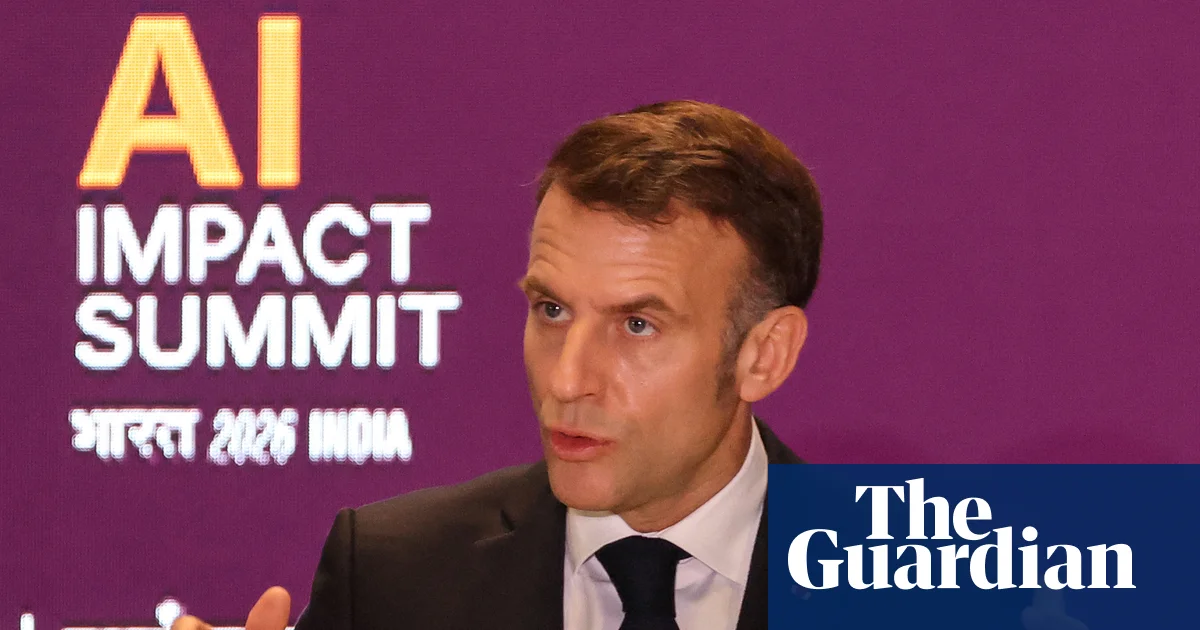

Macron backs EU AI rules, pledges swift action against online child abuse

Europe and France Assert Leadership in AI Safety Amid Global Contest

In a rapidly evolving global landscape dominated by artificial intelligence advancements, Europe and France are positioning themselves as formidable frontrunners in establishing a balanced approach to regulation and innovation. During the recent G7 summit hosted by France, President Emmanuel Macron boldly defended Europe’s commitment to safeguarding children and promoting responsible AI development. His remarks come amidst mounting international concern over the unchecked proliferation of AI-generated content, especially concerning the exploitation of minors and the concentration of power within a handful of US and Chinese tech giants. Macron’s advocacy for robust safeguards signals a clear intention to champion a safe and innovative digital future—an agenda that resonates across democracies weary of reckless techno-capitalism fueling societal vulnerabilities.

International observers, including the United Nations Secretary General António Guterres, have underscored the urgency of global cooperation, emphasizing that “no child should be a test subject for unregulated AI.” The UN’s stance — echoing concerns raised by child safety advocates and cybersecurity researchers — underscores that AI must be “the property of everyone,” not just a domain of corporate or geopolitical interests. Meanwhile, Bill Gates, prominently scheduled to speak at the conference, withdrew suddenly amid revelations regarding his controversial past associations, illuminating broader debates around accountability in the AI industry. Critics argue that true progress hinges on transparency and moral responsibility, realities often sidelined by the concentration of AI development within American and Chinese tech conglomerates, which control the lion’s share of the world’s most advanced models.

Decisions on Regulation Will Define Power and Influence in the 21st Century

Amid these debates, the European Union remains at the forefront with its AI Act, a comprehensive regulatory framework aimed at curbing abuses and ensuring human-centric AI development. European leaders, including Macron, emphasize that regulation does not stifle innovation but rather cultivates a safer environment where progress can flourish sustainably. Critics from the White House—like senior adviser Sriram Krishnan—have voiced opposition, arguing that restrictive legislation hampers entrepreneurial spirit. Yet, as historians highlight, history demonstrates that unchecked technological power can lead to societal destabilization, especially when AI technologies morph into tools for manipulation or surveillance. UNICEF and Interpol reports reveal a deeply troubling trend: over 1.2 million children have been victims of sexually explicit deepfakes, exposing the dark underbelly of AI misuse. Such alarming findings underscore the crucial need for vigilant regulation and international cooperation, so that societies do not pay the ultimate price for corporate greed or geopolitical ambitions.

Meanwhile, global powers like India seek to carve out their rightful place on the AI stage. With ambitious plans to invest over $15 billion in data centers and infrastructure, India under Prime Minister Modi aims to become a major AI hub, leveraging its vast population as both a growth market and a testing ground for emerging technologies. Modi’s call for “established levels of authenticity” for online content illustrates a strategic move to prevent AI monopolies from consolidating control—especially at a time when US models remain fiercely proprietary and opaque, while Chinese systems like DeepSeek and Qwen are often more open-source and adaptable. Such divergences not only impact technological sovereignty but also signal a new era of geopolitical contest, where AI’s strategic value could shape the future balance of power.

The Face of a New World Order Emerges

The unfolding debate over regulation, transparency, and moral accountability marks a pivotal juncture in history—one where the fabric of society, sovereignty, and individual rights hang in the balance. As world leaders and tech titans grapple with the profound responsibilities imposed by AI’s limitless potential, the decisions made today will echo throughout generations. With each new directive, each law, and each technological breakthrough, humanity strides into an uncertain dawn—where the fate of countless lives and the ideals of freedom, safety, and truth are intricately intertwined. In these tumultuous moments of technological revolution, the true measure of a civilization’s resilience lies not only in its innovations but in its unwavering commitment to safeguarding its people from the unseen dangers lurking within the code of the digital age. The history of tomorrow is being written now; the question remains—will it be a future of liberty and safe progress or one of control and chaos? Only time will tell, and the pages of history are still turning.

Meta Faces New Mexico Child Safety Trial — What Youth and Tech Fans Need to Know

Meta Faces Landmark Legal Battles: Disruption at the Crossroads of Technology and Society

In what could be a watershed moment for the tech industry, Meta is currently embroiled in a series of high-profile lawsuits that threaten to reshape the landscape of social media accountability. The state of New Mexico has brought a lawsuit against the social media giant, alleging that Meta failed to protect minors from exploitation and designed platforms that fostered harmful environments. This case signals a broader shift in regulatory attitudes towards disruption, innovation, and corporate responsibility within the digital ecosystem. As Meta defies attempts to settle, the proceedings could unveil internal practices that have prioritized engagement metrics over user safety, drawing public and governmental scrutiny centered on the profound societal impact of social media’s business models.

Adding further to Meta’s legal challenges is the simultaneous trial in California, the nation’s first legal probe into social media addiction. This “JCCP” involves multiple civil suits, including allegations from figures like Sacha Haworth of the Tech Oversight Project, who warns of “an industry that has enabled predators and addictors alike.” Plaintiffs accuse companies such as Snap, TikTok, and Google of negligent design that deliberately manipulates algorithms to maximize user engagement at the expense of minors’ well-being. Notably, TikTok and Snap have already settled, leaving Meta’s resistance to settlement as a focal point that could lead to unprecedented witness testimonies, revealing the inner mechanics of platforms built on “attention economy” strategies. This trial underscores a pivotal industry shift: regulators and courts are actively challenging a trajectory of innovation that borders on exploitation.

From a business perspective, these legal battles lay bare a critical truth for the tech sector: the cost of doing disruptive business is rising. Meta’s alleged complicity in enabling harmful content and exploitation illustrates how a relentless pursuit of growth and user engagement can clash with regulatory and moral boundaries. As Gartner analysts observe, such lawsuits serve as a “canary in the coal mine” — signaling that **the era of unchecked platform innovation without accountability is nearing its end**. The implications are clear: big tech firms must now balance innovation with compliance, or risk debilitating repercussions that could stifle future disruption. Ruthless market shifts demand that companies develop technology ecosystems more resilient to legal, ethical, and societal pushback—a call to arms for entrepreneurs and tech leaders eager to shape the future responsibly.

Looking ahead, the emerging legal landscape anticipates a fundamental reassessment of how social platforms innovate and monetize. As regulations tighten and consumer awareness grows, **the next wave of tech innovation will likely favor transparency, safety, and ethical design**. Industry titans have a limited window to pivot towards solutions that leverage breakthrough technologies such as AI-driven moderation, privacy-preserving algorithms, and robust user protections—integrating these into their core strategies to future-proof their business models. The ongoing trials symbolize a critical inflection point; failure to adapt could result in a “regulation tsunami” that disrupts traditional giants’ dominance. For entrepreneurs and investors targeting the next frontier of technology, the message is unmistakable: act swiftly, innovate with integrity, and prioritize societal benefit—because the future of tech is being rewritten today, and only the most visionary will thrive amid the disruption ahead.

Actor Timothy Busfield charged with child abuse in New Mexico

The recent indictment of actor Timothy Busfield in New Mexico on serious child sex abuse charges underscores the persistent and troubling issue of misconduct and exploitation within influential sectors of society. While this case remains in the judicial arena, its fallout extends beyond individual morality, casting shadows on the integrity of the entertainment industry and, by extension, societal trust in establishments that shape cultural narratives. It serves as a stark reminder that the fight against abuse must be unwavering, regardless of status or influence, resonating with international organizations dedicated to protecting vulnerable populations worldwide.

On a broader geopolitical scale, this incident exemplifies how domestic crises can have reverberations in the global arena. As international analysts observe, the integrity of legal institutions and the rule of law in nations like the United States affect the perception of stability and justice in the broader Western alliance. Leaders and policymakers are increasingly scrutinized not only for their foreign policies but also for their domestic moral fabric. Historians warn that unchecked misconduct in key sectors erodes societal resilience, paving the way for internal strife and weakening alliances that hinge on shared values of justice and human rights.

Furthermore, the case poses critical questions about the role of international norms concerning child protection. Organizations such as the United Nations and regional bodies like the European Union emphasize the importance of robust safeguarding measures, which now come under strain whenever high-profile figures are implicated in abuse. In a world increasingly interconnected, domestic scandals threaten to undermine trust in global institutions aimed at fostering accountability and universal human rights. As the Global Coalition for Child Protection and independent watchdogs analyze this case, it underscores a global necessity: to harmonize efforts in combating abuse and ensuring justice sustains across borders.

With the intense media scrutiny and a swell of public consciousness, authorities and advocates alike understand that these cases highlight the need for preventative frameworks and swift judicial responses. The American legal system faces ongoing critique for handling cases of abuse, but international efforts, backed by resources from organizations such as the World Health Organization and UNICEF, strive to establish universal standards for safeguarding children. Analysts such as Dr. Emily Carter emphasize that these cases live at the intersection of moral responsibility and diplomatic credibility, underscoring that international stability depends partly on citizens’ faith in justice systems and societal morals.

Ultimately, this revealing chapter in a nation’s moral saga is more than a domestic legal matter; it is a potent symbol of a broader struggle—a confrontation between transparency and concealment, justice and impunity. As history unfolds, the weight of these allegations extends into the fabric of society and international relations. The world now watches, holding its breath, as the future of integrity and societal resilience hangs in the balance. The question remains: will justice prevail and restore trust, or will sliding moral standards weaken the foundations of modern civilization? The answer rests in the collective resolve of nations and societies to confront their darkest truths, knowing that in doing so, they shape the course of history itself.

BREAKING: Bondi Beach terror attack leaves at least 16 dead, including a child, and 40 injured—that's a shocking assault on our community—more updates to come.
BREAKING: Bondi Beach terror attack leaves at least 16 dead, including a child, and 40 injured—that’s a shocking assault on our community—more updates to come.

Bondi Beach Terror Attack: A Turning Point in Global Security and Society

The recent terror assault on Bondi Beach, an iconic Australian landmark, has sent shockwaves across the international community, highlighting the persistent threat of radical extremism in an era where geopolitical tensions often appear to fuel hate and violence. The attack, which resulted in at least 16 fatalities—including a child—and dozens wounded, marks one of the most horrific acts of violence Australia has faced in decades. As details unfold, analysts and global leaders alike are examining the incident not just as a tragic outlier but as a reflection of deeper, troubling trends in international security.

Prime Minister Anthony Albanese described the attack as a ‘horrendous act of terror,’ and international leaders have echoed this sentiment, framing it within the broader context of rising antisemitic violence worldwide. The attack is distinguished not merely by its brutality but by its clear targeting of Jewish Americans and Australians during Hanukah—a festival of light and resilience—therefore emphasizing the dangerous potential of ideological extremism to threaten societal cohesion. World organizations, including the United Nations, have issued condemnations, calling for urgent international cooperation to combat hate-motivated acts.

  • Australia’s internal security apparatus has declared the incident a terrorist attack, triggering special legislation and intensifying efforts to trace the origins and motivations behind the assault.
  • Suspected links to violent extremist ideologies have prompted joint investigations by Australian police and global counterterrorism units, emphasizing international collaboration in preventing further violence.
  • Prominent figures such as French President Emmanuel Macron and Israeli leader Isaac Herzog expressed solidarity, labeling the atrocity as an act of hatred and terrorism that transcends national borders.

How the Decision to Recognize a Palestinian State Influences Global Narratives

Adding a complex layer to the geopolitical landscape, Australia’s recent recognition of a Palestinian state—an unprecedented move in Western foreign policy—appears to be intertwined with ongoing regional tensions. This shift has exacerbated debates about the global challenge of extremism and the way geopolitical decisions influence perceptions and acts of violence. Historians argue that such gestures, while aimed at fostering peace, can concurrently serve as catalysts for extremist narratives, which exploit perceived betrayals or alliances to justify their actions.

Expert analysts warn that the incident at Bondi is a grim indicator of how ideological conflicts—whether rooted in regional disputes or historical grievances—are increasingly manifesting as domestic terrorism across Western democracies. The attack’s timing during Hanukah, along with the discovery of suspected incendiary devices, has amplified concerns about how cultural and religious tensions are exploited by malicious entities to destabilize societies. This tragedy underscores the necessity for governments to foster resilience and unity, championing security without surrendering core freedoms or tolerating hatred.

As history unfolds, the legacy of this attack will serve as a test for Australia’s national resolve and the international community’s ability to confront the rising tide of ethnoreligious violence. The heroism of individuals who intervened, risking their lives to prevent further carnage, reminds us that the battle against terror is fought not only through military means but also through unwavering societal strength. The voices of global leaders today echo a pressing warning: the light of hope and unity must shine brighter than ever, for in this darkness, the true test of a civilization’s character is measured. The world’s eyes remain fixed on Bondi, a battleground where the hopes for peace clash against the shadows of hatred—an ongoing saga that will shape the course of history for generations to come.

Labour unveils child poverty plan, hints welfare overhaul needed to cut costs

The United Kingdom is currently navigating a critical phase in its social and economic policy landscape, with the government emphasizing reforms aimed at overhauling its existing welfare system. As the Chancellor Rachel Reeves and Work and Pensions Secretary Pat McFadden publicly commit to substantial changes, the overarching goal appears to be a strategic shift towards incentivizing employment, reducing dependency, and addressing entrenched poverty issues. The government’s recent announcement of its new child poverty strategy signals a resolute stance: it is no longer content merely to redistribute wealth but seeks to foster a resilient, self-sufficient society, with an eye on the far-reaching geopolitical implications of economic stability and social cohesion.

This reform agenda includes the notable initiative to end the two-child limit on universal credit—an impactful move estimated to lift approximately 450,000 children out of poverty by 2031. Such measures, which also encompass improvements like better access to affordable essentials, streamlined housing support, and expanded educational nutrition programs, highlight the government’s multifaceted approach to tackling poverty. Political analysts note that these steps are likely driven by a renewed recognition that social stability directly influences Britain’s position on the global stage. Leaders understand that a fractured society, riddled with inequality, destabilizes both internal cohesion and diplomatic credibility in a world increasingly wary of domestic unrest fueled by economic disparity.

Furthermore, the government’s willingness to admit that the existing welfare system is inadequate underscores a broader shift in policy philosophy. As Pat McFadden pointed out, “Reform is happening,” signaling the end of complacency that previously allowed old policies to linger. The ongoing reviews—such as the Timms review on disability benefits and an examination of youth inactivity—are not mere bureaucratic exercises; they represent a concerted effort to recalibrate social support in a way that aligns with the national interest of fostering a productive workforce. This focus on work incentive parallels a global trend seen in U.S. and European policies, where governments increasingly recognize that enabling employment can serve as a potent tool for economic revival, especially in uncertain geopolitical times.

Critics, however, warn that these reforms are being watched closely by international organizations and analysts as a test of Britain’s resolve to balance fiscal responsibility with social justice. The OECD and other economic think tanks are scrutinizing whether the UK’s emphasis on pushing people into work can succeed without exacerbating social divides or overlooking vulnerable populations. The narrative emerging from London echoes a broader international debate: how far should nations go in restructuring welfare systems in pursuit of economic resilience and national security? As historians warn, history demonstrates that neglecting social cohesion during times of reform can lead to long-lasting societal fractures. The question remains whether Britain’s current approach will foster shared prosperity or deepen the fault lines of inequality that threaten to define this era’s social fabric.

As the weight of history continues to press upon these decisions, the unfolding story of Britain’s social policy is no less than a chapter in the larger story of a nation seeking to redefine itself in a turbulent global order. The decisions made today in the corridors of Westminster—shaped by politicians, analysts, and international bodies—will have far-reaching repercussions for decades to come. The coming years will reveal whether this ambitious push for reform will serve as a model of resilience or a cautionary tale of how the forces of social division and political will converge in the shaping of a nation’s destiny. In the shadows of these policies, history quietly waits to record whether Britain will emerge stronger or scarred by its own reforms, as the world watches with bated breath, mindful that the pages of history are still being written.

Sydney Cops Charge Four Men Over Alleged International Child Abuse Scandal

The recent apprehension of four Australians accused of operating a satanic child sexual abuse material ring in Sydney highlights a disturbing chapter in the ongoing battle against transnational crime and the dark web. With law enforcement executing multiple searches across key locations—such as Waterloo, Ultimo, and Malabar—this case underscores the brutal reality of how illegal networks exploit technological vulnerabilities and societal silence. The Australian authorities’ swift action, including the arrest of individuals like Landon Germanotta-Mills and others, reflects a growing international consensus on the importance of crackdowns on child exploitation, even amidst battles against free speech and digital privacy rights.

According to NSW Police, Germanotta-Mills, who claims to be the founder of the independent news platform The Underground Media Network, is alleged to have played a leading role in distributing and facilitating child abuse materials, some with satanic and ritualistic themes. His platform, which articulates a mission to “expose institutional abuse,” appears paradoxical in light of his alleged activities—highlighting a recurring theme where online spaces ostensibly dedicated to justice become tangled in the very issues they oppose. International analysts warn that such cases could set distressing precedents, enabling criminal networks to manipulate the perception of legitimacy and undermine public trust in advocacy outlets. This case further illuminates the intersection of digital activism and clandestine operations, testing the resilience of societal morals and law enforcement’s capacity to adapt to rapid technological shifts.

Elsewhere in Australia, three additional men—Benjamin Raymond Drysdale, Mark Andrew Sendecky, and Stuart Woods Riches—faced court proceedings, with bail requests denied in each case. Their alleged involvement spans accessing, possessing, and disseminating child abuse and bestiality materials. The breadth of charges indicates a concerted effort by authorities to dismantle elements of this network, but the deeper warnings resonate beyond mere criminal prosecution. Many international human rights bodies and security analysts argue that such cases expose vulnerabilities in global digital infrastructure and legal frameworks, urging nations to reinforce their protections against these heinous crimes. The international community remains watchful—some experts speculating that these revelations could stimulate a broader multilateral effort or, conversely, incite resistance from those attempting to thwart law enforcement’s reach.

This disturbing episode exemplifies a larger geopolitical landscape where nations grapple with how to balance freedom of speech against the need for security. The impact on societal trust, particularly among youth, is profound; as the internet becomes more accessible, so do the risks of exploitation. Critics argue that overly broad or vague legislation may threaten civil liberties, yet the global push to clamp down on child exploitation remains firm. As noted by international security agencies and renowned historians of digital rights, the outcome of these cases may well influence future policies—either strengthening resilience or unleashing unintended consequences that could embolden underground networks.

In the shadowed corridors of this ongoing war against corruption and decay, the weight of decision-making presses heavily upon global and national leaders. History records that the battle against evil disguised as activism often tests the very fabric of society. Today’s crackdowns could set decisive precedents, but tomorrow remains unwritten. As the world watches, the unfolding story of justice, morality, and international cooperation continues—a stark reminder that the fight for innocence, truth, and human dignity is far from over. In the silence that follows, history’s pen waits—recording a chapter where darkness was challenged, and hope endured against all odds.

Roblox CEO Clashes Over Child Safety Concerns

Roblox Initiates Major Shift with New Age Verification Technology

In a strategic move signaling disruption within the gaming industry, Roblox, the major digital entertainment platform, has announced the implementation of an advanced age verification feature designed to enhance child safety and platform integrity. Revealed during a recent interview with The New York Times’s Hard Fork podcast, Roblox CEO Dave Baszuki detailed how the platform will require users to submit a face scan to access messaging features—an AI-driven initiative marking a pivotal moment in digital security protocols.
This development exemplifies an industry-wide shift towards more sophisticated identity verification methods, aligning with broader technological trends promoted by institutions like MIT and industry leaders such as Elon Musk, who emphasize the importance of trust-building in online spaces. The move aims to combat emerging threats such as grooming and harassment, which have historically plagued youth-centric platforms. Such investments in AI and biometric verification point to a future where user authenticity is no longer secondary but central to online engagement, elevating standards across not just gaming but social media and education sectors.

However, this push for tighter safety controls has ignited debate about privacy concerns and the broader implications for digital freedom. During the interview, Baszuki appeared visibly frustrated with questions regarding prioritization—particularly concerns that Roblox has focused on growth at the expense of safety. This underscores an ongoing industry tension: how to innovate responsibly without compromising user privacy.

  • While facial recognition could revolutionize online safety, critics warn of potential misuse and data breaches.
  • Proponents argue that AI-enhanced age-gating is essential for protecting vulnerable users and maintaining platform integrity.
  • Leading analysts from Gartner and cybersecurity experts emphasize the importance of transparency and robust safeguards as the technology develops.

The disruption by Roblox amplifies a trend seen across the digital landscape: the integration of AI-powered verification systems as standard features, signaling a technological arms race among giants like Meta and Google. Notably, industry veterans warn that such rapid deployment without comprehensive regulation could lead to unforeseen consequences—posing a challenge for regulators and policymakers trying to Keep pace with innovation. With industry insiders including Peter Thiel predicting a new era of digital trust driven by biometric tech, the next several years will be critical in shaping the balance between safety, privacy, and user freedom.

In conclusion, Roblox’s bold step toward integrating facial recognition and AI-driven age verification underscores a rapidly evolving digital ecosystem. As startups and tech giants race to embed security innovations into platforms that connect millions of youth and adults worldwide, the urgency is palpable. The industry must grapple with not only technological hurdles but also ethical and regulatory challenges—making this a defining moment in the future of online interaction. With market leaders and innovators poised to push boundaries, stakeholders—from regulators to consumers—must stay vigilant. The question remains: can this wave of disruption create a safer, more trustworthy digital landscape, or will it open the floodgates to new vulnerabilities? The answer will determine the trajectory of next-generation digital platforms in the years to come.

Woman who skipped Italy trip loses child benefits, sparking debate on social spending

The recent episodes within Britain’s welfare and social security framework underscore a profound shift in how social issues are approached, driven by data inaccuracies and strict policy enforcement. In a society where family stability depends on reliably accessible benefits, the stories of families like Sally’s reveal the harsh repercussions of a system increasingly reliant on incomplete or flawed data. Despite the apparent intent to curb welfare fraud, the implementation has inadvertently targeted law-abiding citizens, exposing a societal tension that demands urgent reform.

During a routine holiday to Italy, Sally’s family encountered a bureaucratic nightmare when HMRC wrongly inferred her family had emigrated, leading to the abrupt stopping of child benefits for her three children. This was not a case of fraud but rather a consequence of disconnected and incomplete official records—a pattern that has affected over 23,500 families in recent weeks, as documented by reports. Sociologists such as Patrick Nolan highlight that these policies, which rely on data from the Home Office and airline booking systems, fail to account for the complex realities of modern families. The reality is that many families, like Sally’s, are victims of a ‘digital dragnet’ where administrative errors create devastating human impacts, especially for children directly affected by the loss of vital support.

This situation spotlights significant social fabric concerns—families, already strained by economic pressures, are now battling a system that treats their circumstances as mere data points. Children’s welfare hinges on benefits that, when unjustly cut, threaten their education, health, and stability. Ethical questions surround the moral responsibility of government institutions that must balance the need for fraud prevention with the humane treatment of their citizens. The stories of families like Alex’s, who had voluntarily opted out of benefits but faced threats otherwise, exemplify how misuse or misinterpretation of data can generate overreach and erode trust in social services. Experts like sociologist Alice Smith warn that such policies risk alienating communities, fostering a sense of mistrust that undermines social cohesion.

Critics argue that the current effort to save millions annually might come at an unsustainable moral cost. The psychological toll on families subjected to intrusive data demands—such as bank statements, insurance claims, and travel evidence—raises fundamental questions about privacy and individual rights. HMRC’s recent reevaluation and apology indicate a recognition of errors, yet the damage inflicted on families remains. As historian Dr. John Carter observes, history shows that overly bureaucratic systems tend to alienate citizens when they forget the human element. Going forward, a balanced approach that uses comprehensive data verification while safeguarding personal dignity is essential if society is to foster trust and resilience in its social safety net.

In the tangled web of policies and technological reliance, society faces a vital challenge: transforming a system that, in its current form, risks alienating the very people it aims to serve. Ensuring that families are protected, communities restored, and social justice upheld requires more than just algorithms and data—what is needed is a moral commitment rooted in understanding and respect for human dignity. As society strives to adapt to these evolving social issues, the hope remains that genuine reform—based on integrity, transparency, and compassion—can eventually illuminate a path toward a more equitable future where the safety net is not woven from flawed data but from unwavering human trust.

HMRC slashes child benefits for 35,000 families over flawed travel data—rights of hardworking families under threat

Social Developers and Society at a Crossroads: The Human Toll of Benefit Crackdowns

In recent months, the UK government’s intensified crackdown on benefit fraud has cast a dark shadow over families, communities, and social integrity. The thrust of this initiative, intended to save taxpayers an estimated £350 million, has instead revealed a troubling pattern of overreach and systemic errors. The latest revelations depict a landscape where innocent families—many with members on fragile health or with unique needs—find themselves entangled in a bureaucratic nightmare fueled by flawed data and impersonal policy. The societal ripple effects—especially on families with children that rely on child benefit—illustrate how swiftly social cohesion can fray under the weight of rigid, impersonal state mechanisms.

Rows of stories from families across the UK depict the profound human impacts. Take, for example, Cerys, a mother whose first trip abroad with her young son to Amsterdam resulted in her losing vital support. Her account underscores a disturbing failure of cross-agency data verification: although HMRC’s records showed she had recently moved from Liverpool to Newcastle, her benefit was suspended merely because she traveled, flying out and back within a single day—a routine family outing. Similarly, Simon Pilbrow’s brief trip from Heathrow to Vienna with his children was met with a letter from HMRC demanding proof of residency, despite the fact that he was simply exercising normal, lawful travel. These stories emphasize how misaligned policies are with real-world family life, often punishing the very families who are just trying to maintain stability amidst economic uncertainty.

Indeed, the social cost of such policies extends beyond individual families to communities at large. The decisions by HMRC to suspend benefits based on incomplete border data—highlighted by the fact that many travelers’ entries or exits are inaccurately tracked—exacerbate societal inequities. These families, often already vulnerable, face not only financial hardship but also the erosion of trust in a system meant to serve and protect them. Sociologists like <Michael Young> and social commentators warn that unchecked administrative overreach can foster a climate of insecurity and social fragmentation. When families are forced into endless paperwork, proving their honesty in a system that often neglects the nuance of human lives, the societal fabric begins to weaken. It becomes an environment ripe for insecurity, which disproportionately affects communities on the margins, further entrenching social divides.

In response to the crisis, authorities have apologized and promised review processes, but the underlying issues of data accuracy, procedural transparency, and empathetic policy implementation remain glaring. The challenge lies not just in correcting errors but in confronting the moral dilemma: how to balance the pursuit of financial integrity with the moral obligation to protect vulnerable populations. As social critics argue, real reform must prioritize human dignity over bureaucratic efficiency. Families like Judy and Matt, who face losing benefits after trips to France for their grandchildren, exemplify the urgent need for policies that respect the complexities of modern family life. Without this, society risks creating a chasm where trust used to reside, replaced by suspicion and fear.

As society stands at this crossroads, the question is whether systemic reforms will evolve from mere administrative corrections to genuine efforts that restore social trust and community resilience. The stories remind us that behind every benefit claim lies a human story—families forging their everyday existence amidst economic, social, and health challenges. It is in recognizing the humanity within these narratives that society finds hope. Perhaps, beneath the layers of bureaucratic rigidity and flawed data, there lies the potential not only for correction but for renewed social compassion and justice. Society’s enduring strength will depend on whether we can transform these challenges into opportunities—not just to reform policies, but to reweave the social fabric that binds us all together, weaving empathy into the very framework of social justice.

Social Media Auto Publish Powered By : XYZScripts.com