
In an unprecedented move that shakes the foundation of regional stability, United States and Israel launched a joint military offensive against Iran this Saturday morning, transforming the Middle East into a battlefield with global repercussions. The attack, announced openly by President Donald Trump, signals a significant escalation in the ongoing confrontation with Iran, and the geopolitical impact is poised to reverberate far beyond the Persian Gulf. As smoke rises over Tehran, the world witnesses a pivotal moment where diplomacy appears to have given way to open conflict, raising alarming questions about the future of international security and civil stability.
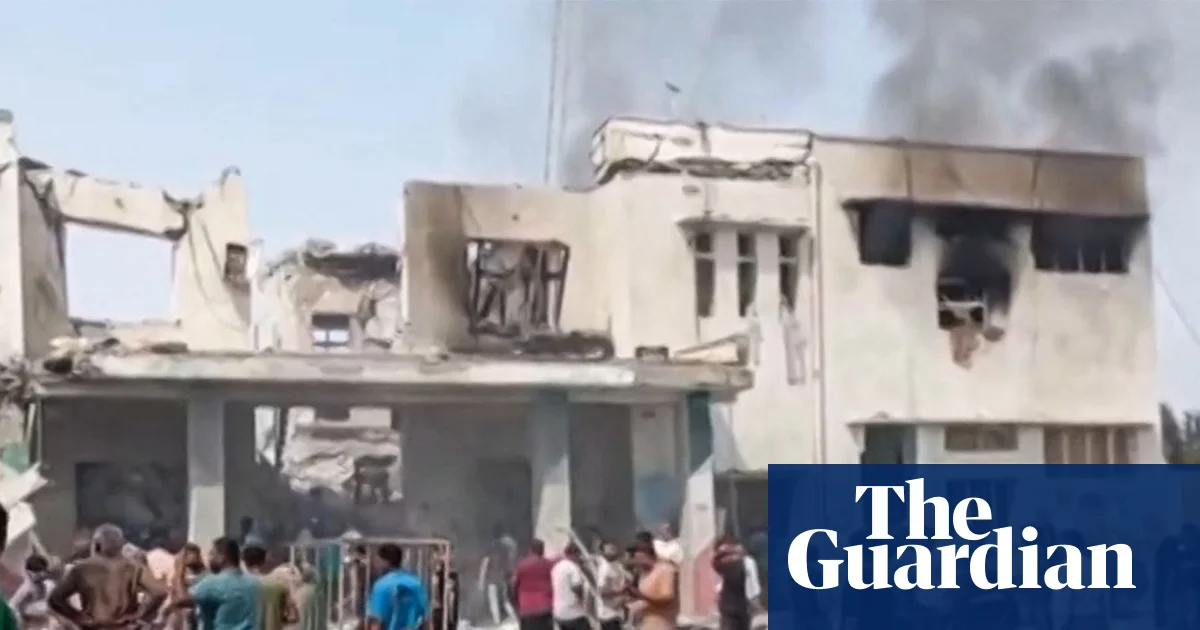
Key events from the strike illuminate its devastating human toll and strategic consequences. Most notably, a strike on Shajareh Tayyebeh, an all-girls school in Minab, led to a confirmed death toll exceeding 80 children, with dozens more unaccounted for. Such a catastrophe underscores the potential for collateral damage in modern warfare, especially when civilian infrastructure bears the brunt of military escalation. The proximity of the school to Revolutionary Guards barracks raises questions about targets and the rhetoric of self-defense versus strategic military objectives.
- The President’s narrative of a “major combat operation” suggests a departure from previous efforts aimed at containment, signaling a possible shift toward regime change or sustained military engagement.
- Iranian civilians, already battered by recent domestic unrest and brutal regime crackdowns, are now facing a new era of violence that threatens their lives, homes, and hopes for the future.
Analysts and international organizations warn that this attack may plunge the region into prolonged chaos. Historians emphasize that the choice to initiate open war amid fragile diplomatic talks—the recent negotiations marred by the regime’s suppression of protests with over 7,000 confirmed fatalities—marks an ominous turning point. Iran’s population is torn between fear and an undercurrent of hope, particularly among opponents of the regime who see the conflict as a potential catalyst for political change. But the price of such hope remains painfully clear, as innocent lives become the tragic casualties of great power politics. The situation on the ground is equally grim, with citizens preparing for more violence, stockpiling supplies, and many unable to access state media, either due to cyber-assaults or overwhelmed networks. As Tehran’s streets echo with fear, the geopolitical impact of this assault poses a challenge to the stability of the entire region, calling into question the efficacy of international diplomacy and the consequences of military intervention in a nation already scarred by internal strife.
Yet, this crisis reveals how decisions from the highest echelons of power directly shape the fabric of society across borders. The US-Israel offensive, while framed as a strike against threats to regional security, risks igniting a broader conflict that could destabilize entire nations and ignite societal upheavals worldwide. Critics echo the warnings of seasoned analysts who argue that preemptive strikes often sow chaos and undermine the prospects for long-term peace. As the world watches a once-peaceful Iran transform into a battleground, history remains poised on a knife’s edge, ready to carve a new chapter—one marked by the destructive legacy of war or the fragile possibility of reconciliation. The global community, still reeling from the echoes of past conflicts, can only hope that the emerging whirlwind does not sweep away the hopes of millions seeking peace and stability amidst the shadows of war.