
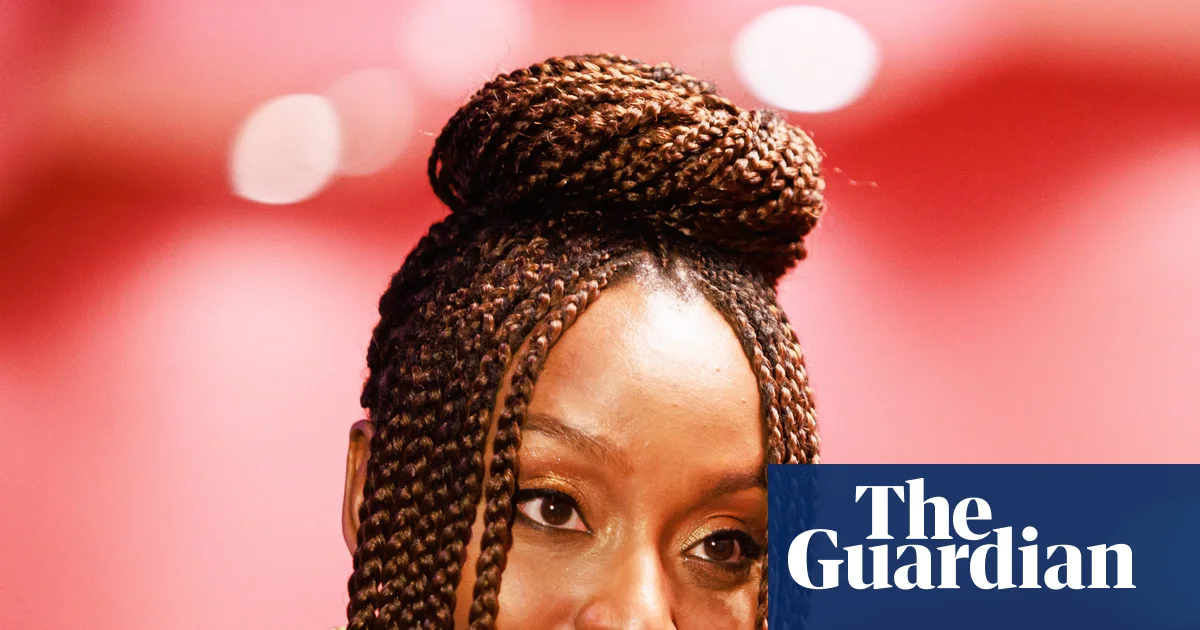

The world’s narrative: Culture, gender discourse, and how societies are shifting
Recent public expressions by influential figures such as Chimamanda Ngozi Adichie signal a broader cultural dialogue that transcends individual nations and touches upon a global shift in societal values and gender identities. Adichie’s fears about her young boys potentially being drawn into the contentious “manosphere” underscore a rising concern among cultural commentators and international analysts about the perceived adversities faced by boys and men. As the world increasingly debates the roles and expectations within gender dynamics, the stakes extend beyond personal narratives, becoming a matter of geopolitical interest.
The geopolitical impact of cultural and social shifts
Across the globe, international organizations and policymakers are grappling with the ramifications of rising identity politics and culture wars. Veteran analysts such as those at the United Nations warn of how cultural upheavals—such as debates over reproductive rights, gender recognition, and the influence of social media-driven movements—reshape the societal landscape. Decisions made in Western democracies, including the rollback of certain rights and the fostering of new gender paradigms, challenge traditional definitions of identity and authority, thus adjusting geopolitical alignments and cultural influence.
Historian and political theorist Samuel P. Huntington spoke of civilization clashes—yet today, the arena is as much cultural as it is political. Countries that emphasize collective cultural narratives are increasingly aligned against the tide of liberal social reform favored by Western powers. Meanwhile, China and Russia leverage their own traditionalist rhetoric to oppose Western initiatives that promote gender fluidity and individualism, framing these as threats to societal cohesion and sovereignty. The Global South, meanwhile, finds itself caught between these influences, further complicating international diplomacy.
How individual nations and societies are affected
The discourse surrounding gender and societal expectations is not confined to ivory towers or the halls of international bodies. It translates directly into the lives of ordinary citizens, impacting policy, education, and even national security. In the United States and parts of Europe, the intense debates over reproductive rights and gender recognition have led to legislative and judicial battles that redefine citizens’ legal identities and rights. Conversely, in nations like India and Indonesia, traditional gender roles remain dominant, but global influence and internal activism threaten to reshape these societies, often provoking pushback from conservative factions.
Experts like Friedrich Hayek and Alexis de Tocqueville have long warned about the fragility of societal order amidst rapid cultural change. Today, their warnings seem prescient as societies find themselves in the throes of cultural conflicts that threaten to fracture social cohesion. As debates over “cancel culture” and gender politics infect the political landscape, the outcome remains uncertain. Could these divisions lead to increased instability or even conflict? International observers closely monitor these developments, understanding that how each nation navigates this turning point will likely define the 21st century’s geopolitical order.
As history unfolds, the weight of decisions made now
The narratives surrounding gender, tradition, and cultural identity are more than mere social commentary — they are the lenses through which future histories will be written. As the world wrestling with these profound questions, the moment is upon us to ask:
Will societies manage to balance the preservation of core values with the need for progress, or will the current upheaval herald a new era of division and conflict?
And so, the story continues, each decision echoing through the corridors of power and the streets of nations. In the grand theater of history, these moments are often\nthe precursors to profound transformation. The next chapter begins, and the weight of what comes next rests heavily upon the collective choices of a world standing at a cultural crossroads—not merely a phase of debate, but the very fabric of society itself hanging in the balance.




