Matox News

Truth Over Trends, always!

Iran tensions unsettle China’s ambitions—what’s the game plan?

As conflicts rage across the Middle East, notably the recent escalations involving Israel and Palestinian factions, China remains notably unshaken by the immediate chaos—yet its position is evolving rapidly due to the profound geopolitical ripples emanating from this volatile region. While Beijing has traditionally maintained a cautious stance in Middle Eastern affairs, recent developments have begun to influence China’s strategic calculations as global powers scramble for influence and security prerogatives in an increasingly unstable world order.

According to international analysts and historians specializing in Asian geopolitics, China’s leadership is observing the unfolding crisis with careful intent rather than direct engagement—at least for now. Nevertheless, the economic and diplomatic impacts are unmistakable. China’s longstanding partnerships with regional stakeholders, including countries like Iran, Syria, and Turkey, place it at a unique crossroads. Many experts argue that the ripple effects threaten to destabilize broader regional stability, which could complicate China’s expansive Belt and Road Initiative (BRI) projects stretching into the Middle East, Africa, and Central Asia, thus threatening to undermine its economic interests. The global criticism of Western interventionism in such conflicts also makes China’s position more complex, forcing it to navigate a delicate path between diplomacy and strategic assertiveness.

Global institutions such as the United Nations are increasingly caught in the crossfire of international powers’ interests. China’s recent call for restraint and dialogue underscores its desire to position itself as an advocate for peace—yet many observers question whether this rhetoric reflects genuine resolve or a tactical delay in shaping a new geopolitical reality. Notably, Chinese officials and state media have emphasized the importance of non-interference, subtly echoing their broader strategy of resisting Western-led interventionism where it conflicts with China’s sovereign interests. Meanwhile, some analysts warn that if the conflict persists or escalates, it could expedite a reordering of alliances—favoring those who reject Western dominance and bolster China’s push for a multipolar world.

In this tense atmosphere, the geopolitical impact of the Middle East conflict extends beyond mere regional destabilization. Historically, periods of upheaval in critical regions have served as catalysts for shiftings of global power. Contemporary figures in international security circles suggest that China’s response—or lack thereof—may set a precedent for how emerging powers counterbalance Western influence amidst global chaos. As history often warns, the initial calm amid chaos can quickly give way to profound transformations. Whether China will emerge as a diplomatic balancer or influence mediator remains to be seen, but the unfolding crisis underscores the fragile scaffolding of current international order—one federal decision away from a potentially transformative upheaval that could shape the future of global diplomacy for generations to come.

Global Markets tumbling as Tech Slumps and China's Economy Sparks Worries
Global Markets tumbling as Tech Slumps and China’s Economy Sparks Worries

The world economy finds itself at a critical juncture, as recent trading sessions reveal a landscape marked by volatility and uncertainty. Across continents, markets have responded sharply to a confluence of economic signals, geopolitical shifts, and internal political crises. The FTSE 100 in UK experienced a significant dip of 1.1%, closing near the 9,700-point threshold as banking giants like Barclays, Lloyds, and NatWest fell between 2.7% and 3.6%. Despite earlier hopes that the index might breach the 10,000 mark, signals from political circles—particularly the abandonment of the planned income tax hike—destabilized investor confidence. Meanwhile, the pound weakened against the US dollar, illustrating the deepening impact of fiscal indecision on the British economy.

Across the Atlantic, US markets displayed similar trepidation. Despite a brief rally, the S&P 500 and Dow Jones faced downward pressure, with the Nasdaq Composite falling as much as 1.8%, then rebounding slightly by the end of the day. Wall Street investors appeared preoccupied with two dominant concerns: the lingering government shutdown—the longest in US history—and the reevaluation of artificial intelligence sector valuations. Notably, Nvidia, a titan in AI technology valued at $4.5tn, saw its stock tumble 3.6%, reflecting a broader sector reassessment, particularly following SoftBank‘s decision to liquidate its entire stake.

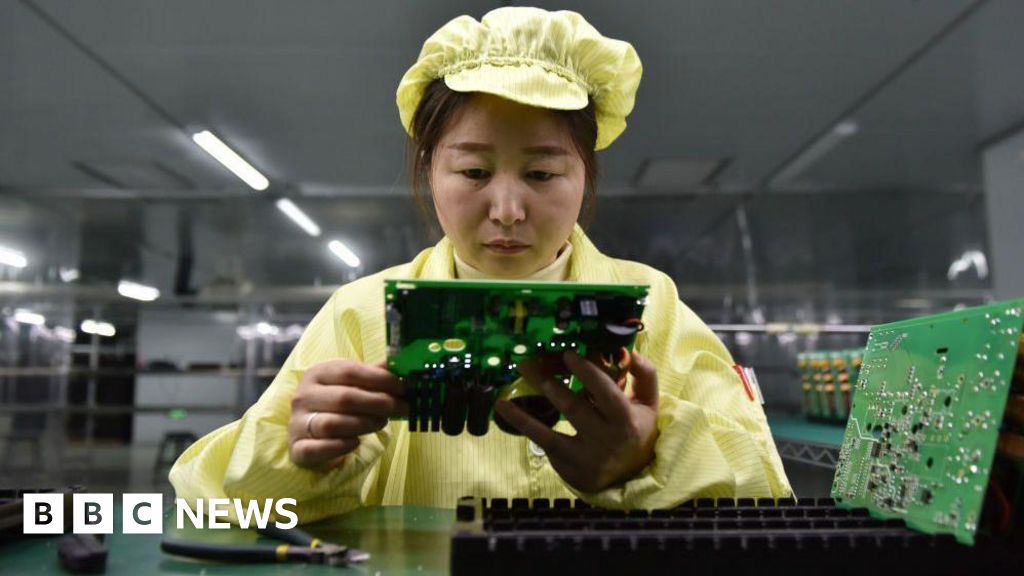
This adjustment in technological valuations sent shockwaves through Asian markets as well. In Japan’s Nikkei, stock prices declined by 1.8%, while South Korea’s Kospi plunged 2.6%, and Australia’s equities fell 1.5%. The decline was driven partly by fears that the recent tech sell-off in the West signals a cooling economy with repercussions extending beyond regional borders. An expert from the International Monetary Fund noted that the persistent collapses reveal a fragile confidence in long-term growth prospects, exacerbated by geopolitical tensions and unpredictable fiscal policies. Meanwhile, China’s economic data revealed a distressing picture: *record* drops in fixed-asset investment, totaling a 1.7% decline for the first ten months of the year. The CSI 300 fell by 0.7%, with Hong Kong’s Hang Seng and Taiwan’s Taiex dropping by 0.9% and 1.4%, respectively—signs of a dawning slowdown that could ripple globally.

Amid these tumultuous shifts, attentions are keenly focused on *how* the United States manages this economic turbulence. The ongoing shutdown has stymied key data releases, heightening uncertainty over the direction of monetary policy. Some analysts warn that this could force the Federal Reserve to reconsider rate cuts already factored into markets, which could further dampen investor sentiment. Experts like Jim Reid from Deutsche Bank warn of a *volatile week*, marked by balancing relief over the shutdown’s end with cautious optimism about AI valuations and 📉dovish signals from the Fed. Meanwhile, UK markets and politicians face their own political headwinds, with Rachel Reeves’s repudiation of the income tax hike fueling speculation about future fiscal stability.

This confluence of economic fragility and political unrest sets the stage for a *turning point* in global history. As nations grapple with internal disarray and external shocks, the world’s geopolitical fabric undergoes a quiet but inexorable transformation. Some see this as the prelude to a new era—one marked by instability but also ripe for profound change. The decisions made today—about debt, trade, and governance—will echo for generations. The weight of history presses ever harder, suggesting that this volatile epoch is not merely a passing storm but the forge of a new geopolitical order, where resilience and adaptability will determine the future of nations and peoples.

US and Australia team up on rare earths to push back against China's grip
US and Australia team up on rare earths to push back against China’s grip

The evolving geopolitical landscape continues to underscore the strategic importance of critical minerals in the global power struggle. On the recent front, the United States and Australia have solidified their alliance by signing a landmark agreement aimed at dominating the supply of rare earth elements. As tensions with China escalate over control of vital resources, this partnership signals a decisive move by Western nations to break China’s stranglehold—an alarming 70% of rare earths mining and 90% of processing. These materials are fundamental to modern defense systems, technology, and automotive industries. With China’s aggressive border restrictions and trade maneuvers, Washington and Canberra are actively seeking alternatives to secure their economic and military resilience.

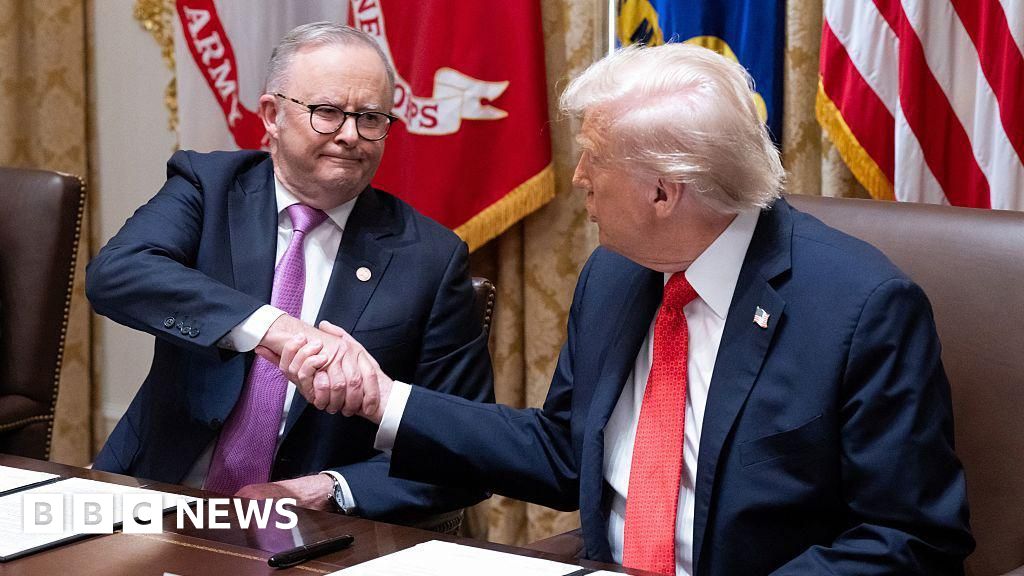
Prime Minister Anthony Albanese emphasized the plan’s scope, revealing that this deal supports a pipeline of over $8.5 billion (A$13 billion; £6.3 billion) worth of projects, designed to expand Australia’s mining and processing capabilities. The agreement also commits an initial $1 billion investment over just six months, targeting critical supply chain vulnerabilities. Analysts observe that such investment is part of a broader strategic effort to foster self-sufficiency within allied nations, reducing reliance on China’s dominant market and circumventing future restrictions. Furthermore, a dedicated focus on developing advanced processing facilities, including a 100-tonne-per-year gallium refinery in Western Australia, highlights Washington’s commitment to undercut China’s control and bolster its own high-tech industries.

Alongside resource diversification, the agreement has significant military-strategic implications. Recently, President Donald Trump reaffirmed support for Australia’s Aukus submarine deal—an alliance with the US and UK—despite earlier delays and uncertainties over procurement aligned with the “America First” agenda. While current discourse suggests Australia may not receive US submarines in the near term, Trump’s unequivocal statement, “they’re getting them,” signals intention to strengthen traditional security ties. This dynamic infers a deliberate effort by Washington to leverage maritime dominance as a deterrent against an increasingly assertive China. As fireworks of diplomatic and military maneuvers intensify, the Pacific region remains the battlefield where the future of global supremacy is being forged.

The geopolitical impact of these moves is profound, altering alliances and reshaping regional balances of power. Experts warn that the strategies developed today will resonate for decades, influencing the capabilities of nations to sustain high-tech economies and military power. Historically, access to critical minerals has been a decisive factor in conflicts and economic dominance—patterns that repeat as nations scramble to secure the resources that fuel the 21st century’s technological revolution. As the US and Australia forge ahead to confront China’s resource monopoly, the world watches with bated breath, aware that these decisions are fueling a new chapter of international rivalry—one in which the raw materials of the future will define the winners and losers of the unfolding geopolitical saga. The pages of history are being written anew, and the stakes have never been higher.

Australia calls out China’s risky jet maneuvers, raising tensions

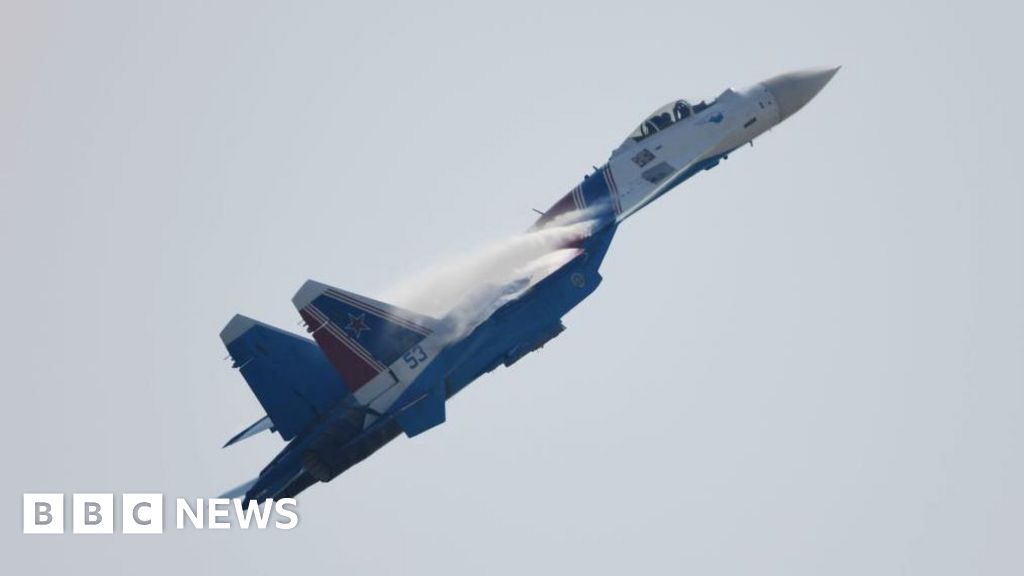
The escalating military tensions between Australia and China continue to threaten the fragile stability of the Indo-Pacific region. Recent incidents, including a dangerous confrontation over the South China Sea, underscore the simmering rivalry that, if unchecked, could reshape the geopolitical landscape. Australia’s defense department publicly accused a Chinese military aircraft of releasing flares in close proximity to an Australian patrol jet, the P-8A, an act described as “unsafe and unprofessional”. Though no injuries occurred, the event signals a dangerous escalation in aerial encounters that have become increasingly frequent in the contentious waters where China asserts expansive territorial claims.

  • On the incident’s surface, the Chinese authorities dismissed Australia’s claims, asserting that the Australian jet had “illegally intruded” into China’s airspace and issued a demand for Canberra to cease what they termed as “provocative actions.”
  • Coinciding with this event, Australian Prime Minister Anthony Albanese was heading to the United States for high-profile talks with President Donald Trump concerning the AUKUS partnership—a trilateral deal involving Australia, the US, and the UK centered on developing nuclear submarines.
  • This series of confrontations is not isolated; it follows a pattern of similar encounters that include Chinese jets dropping flares near Australian planes and Navy vessels employing sonar pulses in international waters, injuring Australian divers off Japan’s coast last November.

Experts and global organizations warn that these dangerous displays of military bravado could spiral into full-blown conflict if not managed carefully. The United States and its allies consider China’s expansive claims over the South China Sea and its aggressive military posture as clear threats to regional security and international law. Political analysts suggest that China perceives these provocative actions as a means to assert dominance over vital maritime routes and surrounding island chains, challenging the sovereignty of various Southeast Asian nations. Meanwhile, historians caution that such persistent frontier brinkmanship echoes the perilous prelude to the South China Sea’s previous conflicts and even Cold War-era cruise tensions.

The geopolitical impact of these incidents extends beyond the immediate region. As Australia aligns more closely with American strategic interests through initiatives like AUKUS, Beijing’s response is to fortify its territorial claims and signal its willingness to confront Western influence head-on. The Chinese government’s recent assertions portray Australia’s actions as illegal and provocative, aiming to rally domestic support and project strength. In an era where military encounters risk miscalculation, analysts warn that such provocations could ignite larger confrontations with global consequences. The United Nations and international diplomatic efforts urge restraint, but the momentum for escalation persists.

As history continues to unfold, the confrontation in the skies and seas off Asia serves as a stark reminder: the arena of international diplomacy is fraught with peril, and the decisions made today will echo through generations. With each flare, each sortie, the world watches—and witnesses history in the making, teetering at the edge of chaos or peace. The question remains: will cooler heads prevail, or will these hostile shadows cast a long, dark future over the free nations?”

China’s Growth Dip Sparks Concerns Amid Rising US Trade Fight

China’s Economic Slowdown and Rising Trade Tensions: A Turning Point on the World Stage

In recent weeks, China, the world’s second-largest economy, has signaled a noteworthy deceleration in its economic growth, with official figures revealing a 4.8% expansion in the third quarter of 2025—its slowest pace in a year. This downturn, while manageable within China’s broader economic ambitions, carries profound implications for the global order, especially given the recent escalation of trade conflicts with the United States. Over the past months, Beijing has tightened restrictions on exports of rare earth minerals, crucial to advanced technologies across the globe. Analysts warn this move could sharpen the already fragile trade truce with Washington, potentially spiraling into a new era of economic confrontation.

Despite official claims of resilience, China’s economic trajectory is now increasingly shaped by geopolitical forces. The country’s leadership, amid a pivotal summit this week, aims to chart a course for its economic blueprint between 2026 and 2030. The recent data, showing a slowdown from a 5.2% growth in July, underscores the mounting pressures from both internal challenges and external conflicts. Beijing’s government attributes ongoing growth to the vitality of its technology sector and business services—sectors that are vital to China’s ambitions of technological self-sufficiency—and it remains committed to a targeted annual growth rate of around 5%. However, as US President Donald Trump swiftly reacts to the export restrictions with threats of additional tariffs, the specter of a renewed trade war looms large, threatening to ripple across global markets.

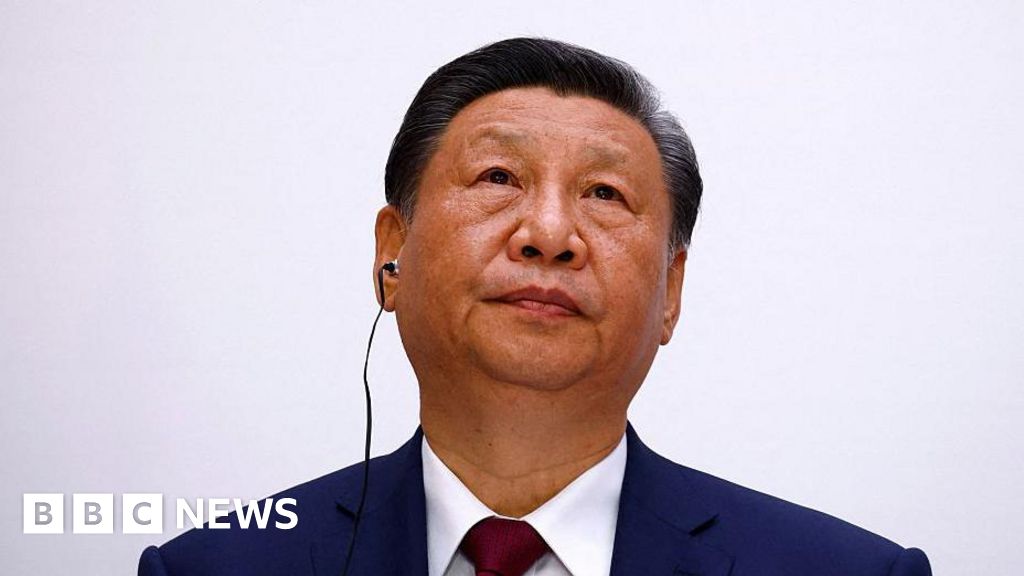
Trade tensions are now central to the unfolding geopolitical narrative. Before the recent restrictions, Chinese businesses benefitted from a brief easing of tensions, with exports to the US rising 8.4% in September. Yet, the re-imposition of export controls, combined with potential tariff hikes, risks disrupting this fragile recovery. Meanwhile, US Treasury Secretary Scott Bessent indicated ongoing efforts to ease tensions through diplomatic engagements in Malaysia, seeking to foster dialogue between Xi Jinping and Donald Trump. The margins of compromise remain narrow as international observers, including esteemed historians and economic analysts, debate whether these moves signal mere tactical adjustments or the prelude to a sustained confrontation that could redefine the geopolitical landscape.

Meanwhile, China’s industrial output and service sector continue to perform strongly—growing 6.5% last month, driven by advancements in 3D-printing, robotics, and electric vehicles. These sectors exemplify China’s strategic pursuit of technological innovation amidst external pressures. Yet, the longer-term implications remain uncertain. Historians warn that a frayed trade fabric and rising nationalism could lead to a decoupling—a splintering of the global economic order that would leave many nations reassessing alliances and strategic dependencies. As policymakers and international institutions watch, the world teeters on the brink of a new geopolitical era—one that could favor a multipolar order or plunge into a prolonged conflict that reshapes the fabric of international society. The unfolding story of China’s economic voyage is far from over; in fact, it appears to be entering a new chapter, where every decision carries the weight of history, shaping the destiny of nations and societies in ways yet to be fully understood.

Social Media Auto Publish Powered By : XYZScripts.com