Matox News

Truth Over Trends, always!

Trump’s FCC drops cybersecurity rules amid Chinese hack fears — a bold move for youth, tech, and free markets

FCC’s Cybersecurity Rollback Sparks Industry Disruption and Security Concerns

In a bold move signaling a shift in U.S. telecommunications policy, the Federal Communications Commission (FCC) voted 2-1 along partisan lines to rescind critical cybersecurity regulations previously enacted under the Biden administration. The decision, championed by the FCC’s two Republican commissioners, Brendan Carr and Olivia Trusty, effectively removes mandatory security standards aimed at safeguarding phone and internet networks from unlawful access and cyber threats. This strategic rollback aligns with a broader trend of deregulation in the tech sector, emphasizing market-led resilience over prescriptive government intervention.

The regulatory shift arrives amidst an escalating threat landscape, notably exemplified by the Salt Typhoon hacking campaign attributed to China-backed adversaries. This sophisticated operation compromised over 200 US telecommunications firms, including giants such as AT&T, Verizon, and Lumen. Hackers targeted fundamental infrastructure, including wiretap and surveillance systems mandated for law enforcement, exposing the fragility of existing security protocols. Industry analysts, including Gartner and MIT cybersecurity experts, warn that such vulnerabilities could be exploited further if regulatory oversight diminishes.

Adding complexity to the industry’s response are divergent opinions among policymakers. Democratic FCC commissioner Anna Gomez opposed the rollback, arguing it reverses the only meaningful cybersecurity efforts against nation-state cyber espionage. Critical voices, including Senators Gary Peters and Mark Warner, expressed alarm that deregulation will undermine national security, leaving critical communication channels exposed. Their assertions underscore a persistent industry question: Will market forces alone suffice to defend against increasingly sophisticated cyber threats, or is strategic regulation indispensable? Conversely, the NCTA, representing the telecommunications industry, welcomed the move, asserting that the existing rules were overly prescriptive and hampered innovation.

From a technological perspective, this deregulation potentially signals a disruptive phase for the industry, where innovation, rather than regulation, becomes the primary driver of security advancements. Cutting-edge solutions—such as AI-powered anomaly detection, blockchain-based integrity checks, and decentralized security architectures—are poised to redefine cybersecurity landscapes. Disruption driven by market competition could accelerate the deployment of these technologies, positioning nimble firms as leaders in the new security paradigm. Notable industry figures, including Elon Musk and Peter Thiel, have long championed decentralized innovation—foreshadowing a future where private entities spearhead cybersecurity guardrails, rather than bureaucratic mandates.

Looking forward, the industry faces a pivotal moment: balancing innovation and disruption with the safeguarding of national security interests. Policymakers, industry leaders, and technologists must collaborate to ensure that market-driven solutions do not come at the expense of foundational infrastructure resilience. As hackers refine their methods and geopolitical tensions escalate, the window narrows for meaningful action. The future of U.S. cybersecurity in telecommunications depends on adopting a proactive, forward-thinking approach that leverages technological innovation while maintaining robust safeguards—an urgent call for strategic agility in an increasingly volatile digital landscape. The coming months will determine whether deregulation fosters a pioneering security ecosystem or exposes critical vulnerabilities, with profound implications for the global tech frontier.

Australia News Live: Cash urges PM to condemn Chinese jet clash; Joyce grilled over One Nation shift

In a world continually edging closer to a new era of confrontation and uncertainty, recent developments underscore the volatile geopolitical landscape. From tense military encounters in the South China Sea to political maneuvering in Australia, the global stage is rife with flashpoints that threaten to ignite larger conflicts. Analysts warn that these incidents are more than isolated events—they reflect a broader strategic contest involving China, the United States, and regional powers, with international institutions often unable—or unwilling—to prevent deterioration.

The incident that has drawn significant international attention occurred over the South China Sea, where reports emerged of a Chinese fighter jet releasing flares dangerously close to an Australian surveillance aircraft. Michaelia Cash, Australia’s shadow foreign affairs spokesperson, condemned the act as a “serious escalation” that endangers the lives of Australian defense personnel. The incident marks the third provocation within a year, highlighting China’s provocative posture as it seeks to assert dominance in the strategic maritime region. In response, Cash called upon Prime Minister Anthony Albanese to publicly condemn the action, warning that failure to do so would be a “failure to stand up for Australia’s national interests.” These provocative maneuvers expose a pattern of Chinese military assertiveness that complicates diplomatic efforts and deepens regional tensions.

Meanwhile, within Australia, political dynamics are heating up as key figures like Barnaby Joyce and David Littleproud navigate complex intra-party relationships, with indications of potential shifts towards One Nation. Joyce, the member for New England, remains notably reticent about his political future amid rumors of defecting to the far-right party. Such moves could have profound geopolitical impact by emboldening nationalist sentiments and possibly altering Australia’s traditionally close alignment with the US on defense and foreign policy issues. The political realignments mirror a global trend where nationalist and populist movements threaten to undermine established diplomatic alliances and multilateral efforts to maintain regional stability.

Simultaneously, tensions extend beyond the Pacific with U.S. President Donald Trump and Australian Prime Minister Anthony Albanese engaging in a high-profile meeting at the White House. The visit saw the signing of a significant minerals and strategic partnership deal, signaling a pivot towards greater resource-driven cooperation. However, the broader message remains clouded by diplomatic undercurrents and the looming threat of military escalation. Historian and international security analyst Dr. Richard Martin notes that “these developments are indicative of a world where traditional power balances are shifting rapidly. The risk of miscalculation grows as nations test the limits of their strategic patience.” The risk of misunderstandings escalating into open conflict is heightened as superpowers and regional actors seek to secure their spheres of influence amid weakened international institutions.

As the world’s superpowers jostle for dominance, the flashes of military bravado, political confessions, and international diplomacy reveal a fragile geopolitical order. With Great Power dynamics on a knife’s edge, and regional allies watching nervously, the ongoing story remains one of tension—and opportunity—for those daring enough to shape it. The weight of history is pressing down, reminding us that every decision today writes the prelude to future conflicts. The question remains: how many more incidents of provocation and political upheaval can the global system withstand before shaping a new chapter—one written in the aftermath of chaos, or in the hope of a measured peace? The pages are still being turned; the unfolding drama continues to test humanity’s resolve and strategic wisdom.

Top 32 Chinese Dishes Every Foodie Needs to Savor ASAP!

Embracing China’s Culinary Wonders: A Taste of Tradition and Heritage

The diverse flavors of China are akin to a vast landscape of culinary treasures, each dish telling its own unique story. With an unparalleled selection of gastronomic delights, travelers can find themselves both challenged and exhilarated as they navigate the extensive menu that this country offers. The art of eating well in China isn’t merely about satisfying hunger; it’s a gateway to cultural understanding and historical appreciation.

Those venturing to sample authentic Chinese cuisine must delve into must-try dishes that showcase the depth and richness of its traditions. For starters, Peking Duck stands as a hallmark of Chinese culinary heritage. This dish has enchanted taste buds for over 1,500 years, originally stemming from Nanjing’s royal kitchens. The duck, known for its crisp skin and flavorful meat, is traditionally served with thin pancakes, cut vegetables, and sweet bean sauce. A well-executed Peking Duck experience is much more than a meal; it’s an immersive encounter with history.

Additionally, one cannot overlook the beloved Dan Dan Noodles, named for their origin as street food sold by hawkers. This classic Sichuan dish is a dance of flavors, featuring a mix of spicy, salty, and nutty profiles, often enriched with finely chopped pork. Whether served dry or in savory broth, these noodles illustrate the essence of comfort food in a bustling cityscape.

Essentials for a Culinary Journey

As one embarks on a culinary exploration of China, keep in mind some essential dishes and tips to maximize the experience:

  • Steamed Fish: Master the art of steaming fish—it’s not just a cooking method but a testament to the skill of timing and technique.
  • Sweet and Sour Pork: Light and refreshing, this dish utilizes pineapple and tangy sauce, perfect for summer.
  • Dim Sum: An experience in itself, this serves as a brilliant way to sample a range of flavors in one sitting.

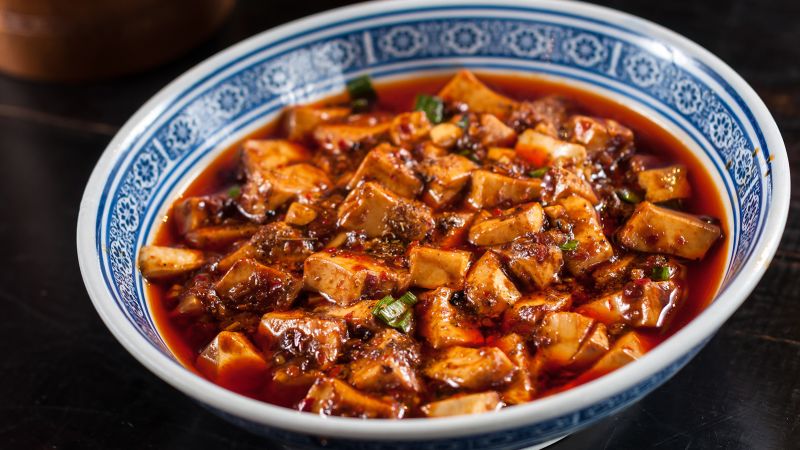
Moreover, specialties like Mapo Tofu and Hot and Sour Soup highlight regional differences that make Chinese cuisine so captivating. Mapo Tofu delivers a punch of spicy, salty flavors that exemplify Sichuan’s reputation for heat, while Hot and Sour Soup warms both body and soul with its balance of flavors, containing elements that are good for health in any season.

Reflecting on Wellness and Lifestyle Shifts

In today’s fast-paced world, embracing a diet inspired by the depth of Chinese cuisine can lead to transformative wellness practices. The incorporation of fresh ingredients, nutrient-dense foods, and balanced meals reflects a shift towards a holistic approach to living well. As culinary offerings adapt to modern health trends, one finds that these age-old recipes provide inspiration for savory solutions to contemporary dining dilemmas.

Ultimately, dining is not merely about consumption; it serves as a chance to embrace life’s journey—celebrating connections with others and fostering cultural appreciation. Whether it’s shared experiences over a steaming platter or a quiet dinner savoring every bite, the essence lies in the underlying concepts of mindfulness and enjoyment in life’s flavors. Every dish carries the invitation to explore and connect—making every meal a stepping stone in the ongoing adventure of discovery.

Social Media Auto Publish Powered By : XYZScripts.com