Matox News

Truth Over Trends, always!

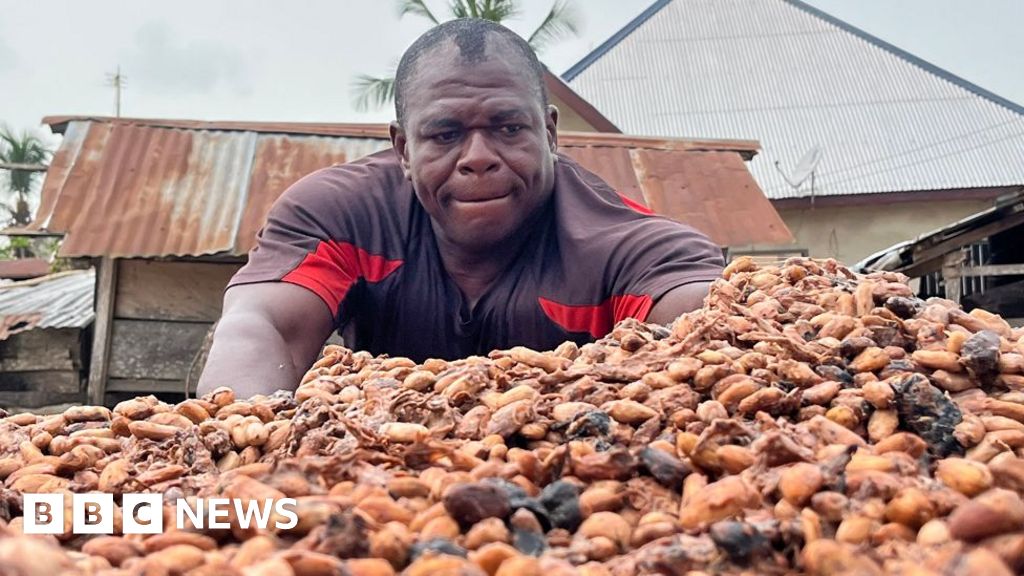
Cocoa farmers in Ghana and Ivory Coast hit hard as chocolate prices tumble

In a decisive move reflecting the shifting landscape of global trade and economic sovereignty, Ghana, one of the world’s leading cocoa producers, has announced a comprehensive set of measures aimed at revitalizing its vital agricultural sector. Historically, Ghana has relied heavily on exporting raw cocoa beans, which are then processed in foreign countries, generating substantial revenue for external economies rather than its own. Recognizing that the health of this sector is intrinsically linked to national wealth, the government’s new policies seek to process more of its cocoa domestically, rather than exporting raw beans for external processing. This strategic pivot underscores a broader trend among emerging nations aiming to maximize value addition and establish greater control over their resource-rich sectors.

This shift responds to both economic pressures and national ambitions, with officials emphasizing that increased local processing will enhance employment, technology transfer, and sustainable growth. The government’s plans include investing in local processing facilities and encouraging foreign investment through favorable policies. Such measures aim to reduce dependency on foreign industries and boost income from higher-value processed products, including chocolate and other derivatives. This approach also aligns with a burgeoning movement among resource-endowed African countries seeking to leverage their natural wealth for long-term economic independence. This move closely follows discussions among international analysts and economic historians who emphasize that resource value chain manipulation often dictates the geopolitical strength of resource-dependent nations. As Dr. John Williams, an economist at the International Monetary Fund, notes, “Countries that control the processing and value addition layers tend to wield greater geopolitical influence.”

However, the decision also signals a potential recalibration of regional and global power dynamics. By processing more domestically, Ghana is challenging established international trade patterns, especially those controlled by multinational corporations based in Europe and North America. Such a shift could disrupt existing supply chains and alter the flow of wealth within the global economy. It also sends a clear message to other resource-dependent nations: sovereignty over your natural assets translates into economic leverage and strategic resilience in an increasingly uncertain geopolitical landscape. Described by some analysts as a form of ‘economic patriotism,’ these policies could inspire further moves among African nations contemplating resource nationalism amidst swelling global tensions.

As history continues to unfold, the international community watches with bated breath. The move by Ghana is more than an economic policy; it is a bold statement on sovereignty and a challenge to the existing global order. With each step towards processing sovereignty, the nation cements its position on the world stage—yet, in the shadow of this burgeoning independence, new risks and rivalries loom. The tide of history is relentless, and as regional powers seek to emulate Ghana’s path, the outcome remains uncertain, leaving the world to ponder: who will control the resource riches of tomorrow, and at what cost to global stability? The story of Ghana’s cocoa revolution is only beginning, and its reverberations threaten to reshape the geopolitical map in ways yet unseen.

Top Milk Frothers in the U.S. for the Perfect Latte, Hot Chocolate, and More — Elevate Your Brew Game

In a world where the coffee shop has become a sanctuary for millions, the quest for that perfect brew is more than a morning ritual—it’s a lifestyle shift toward personal wellness and a pursuit of excellence in daily routine. From the sleek double boiler espresso machines at your local café to the latest in home coffee gadgets, the landscape of brewing is transforming rapidly. Among these, milk frothers have gained stellar reputation, typifying a broader movement towards accessible luxury and self-care. While traditional barista equipment boasts fine control and professional-grade results, the rise of user-friendly, high-performance devices like the Nespresso Aeroccino 4 and the Breville Milk Café exemplifies how technology now empowers consumers to elevate their lifestyle at home—turning everyday moments into small acts of indulgence.

At the core of these innovations lies a desire for personal impact: health, leisure, and inspiration. The ability to craft café-quality coffee and froth at home speaks to a broader cultural shift—where mindfulness in self-care and quality of leisure become foundational. Wellness experts and lifestyle authors like Tim Ferriss and wellness coach Dr. Mark Hyman emphasize that control over our routines—be it in nutrition, exercise, or morning rituals—translates into greater mental clarity and vitality. These devices, although simple, fit seamlessly into this ethos, promising consistent results with ease and minimal fuss. Whether it’s crafting silky oat milk froth or a hot chocolate for the family, the focus has shifted towards purpose-driven productivity and well-being, encouraging a mindful embrace of leisure as a lifestyle.

The array of milk frothers available today—from the straightforward, budget-friendly Aerolatte to the high-tech, adjustable Subminimal NanoFoamer V2—illustrates a democratization of culinary craftsmanship. For young consumers seeking to blend productivity with quality, the key lies in understanding the different types of devices and their impact on their health and leisure routines:

  • Carafe-style electric frothers for those who value consistency and ease of use.
  • Frother wands for the tinkerers and baristas-in-training, offering tactile feedback and control.
  • Manual frothers that challenge with a hands-on approach—turning frothing into a ritual of patience and discipline.

Health-conscious youth are increasingly aware of materials used in kitchen gadgets, prompting questions about non-stick coatings and PFAS exposure. The rise of premium all-metal devices and uncoated alternatives signals a growing concern for environmental impact and personal safety. Indeed, selecting the right device fosters a deeper connection with one’s health and sustainability, reinforcing the idea that lifestyle choices are active, impactful decisions. As Dr. Michael Greger champions, mindful consumption—down to the tools we use—can lead to better health outcomes and a sense of ownership over our daily rituals.

Ultimately, the journey of integrating technology with wellness and leisure transforms daily routines into an ode to personal growth. Making a perfect latte or frothing plant-based milks becomes more than a task—it’s an act of self-investment and expression. Just as author and wellness pioneer Deepak Chopra suggests that “every act of self-care is a step toward a more harmonious life,” embracing these everyday tools reflects an attunement to ourselves and our environment. In this ongoing lifestyle voyage, each ritual, be it brewing a coffee or practicing mindfulness, becomes a testament to embracing the *best version* of ourselves—an inspiring reminder that life’s richness often lies in the simple, deliberate acts of everyday living.

Social Media Auto Publish Powered By : XYZScripts.com



