Matox News

Truth Over Trends, always!

Meta experiments with premium subscriptions on Instagram, Facebook, and WhatsApp—giving users more choices and control

The tech giant Meta is charting a bold new course in its ongoing quest for influence and revenue, unveiling plans to trial premium subscription services for Instagram, Facebook, and WhatsApp. This move signals a significant shift in the social media landscape, with Meta aiming to diversify its income streams by offering exclusive features, such as expanded artificial intelligence (AI) capabilities, to paying users. While the core platforms will remain free, the introduction of subscriptions for enhanced features signifies not just a business pivot but a deepening reliance on monetized AI-driven tools that could reshape user experience across the sphere of global social interaction.

At the heart of Meta’s new strategy lies a pronounced focus on AI innovation, exemplified by the rollout of its own AI-powered applications like Vibes – a video generation tool that promises to “bring ideas to life” through AI visual creation. Additionally, Meta’s acquisition of Manus, a Chinese-founded AI firm bought in December for approximately $2 billion (£1.46bn), underscores the company’s aggressive push into AI development. Experts like analysts from the European Council on Foreign Relations warn that such moves extend Meta’s influence well beyond social media, positioning it as a major player in the future of AI-powered automation and digital services. The firm’s strategy of integrating Manus’ autonomous agents aims to enhance user engagement and streamline complex tasks, from trip planning to content creation, which could intertwine AI with daily social life in a manner that raises questions about privacy and control.

This transition also mirrors Russia’s concern about technological dominance and the geopolitical implications of AI development. As Meta continues to develop and deploy AI tools, the United States and China are undoubtedly watching closely—particularly because Manus, based in Singapore after leaving China, aims to develop what it claims is a “truly autonomous” AI agent. Such advancements could significantly influence the global balance of power,“ warns prominent historian Dr. Richard Lane, emphasizing that control over AI technology translates into geopolitical leverage. The decision to monetize AI features and not just core services may also accelerate the divide between nations adopting a superficial approach to digital regulation and those aiming to harness AI for economic and military supremacy.

Meanwhile, Meta’s move to extend paid verification services on Facebook and Instagram, allowing users to pay for blue checks, exemplifies a broader trend where social media giants seek to leverage authority and influence through monetization. Although these innovations may be appealing to young, ambitious users seeking status and AI-enhanced tools, many critics argue they deepen the social divide and commodify digital identity. The broader geopolitical impact of such policies cannot be ignored. As international organizations like the United Nations debate digital sovereignty and regulation, Meta’s strategies foreshadow a future where access to information and technology is increasingly influenced by economic power and strategic interests.

As history continues to unfold, the world watches with bated breath—on the cusp of a new era where AI and monetized social platforms might redefine global society, blurring the lines between technological innovation and geopolitical rivalry. The decisions driven by these corporate giants are not merely about profit; they carry the weight of shaping the fabric of future societies—possession of AI power and control over digital narratives—potentially setting the stage for a new age of dominance, conflict, and transformation. This is a chapter of history that remains unwritten, and its outcome could determine the fate of nations and the lives of billions across the globe.
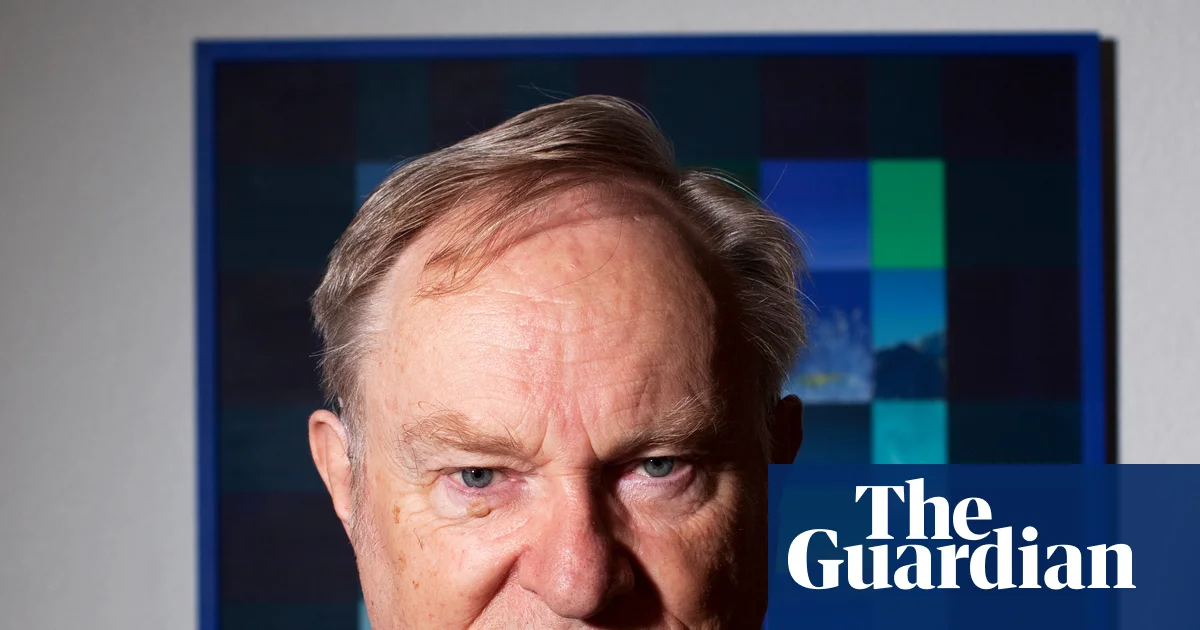

Dignitas Founder Chooses Assisted Death, Making Bold Statement on End-of-Life Choices

The recent passing of Ludwig Minelli, founder of the Swiss right-to-die organization Dignitas, marks a significant milestone in a rapidly evolving global debate over assisted dying. Minelli’s choice to end his own life at nearly 93, through an assisted death he championed for decades, encapsulates the profound ideological shift occurring across the world — from legal battles to cultural acceptance. He dedicated his life to the principle of self-determination in end-of-life choices, and his impact on Swiss law and the broader international legal landscape underscores the importance of these evolving norms. As the world witnesses this transformation, analysts emphasize that Minelli’s legacy continues to shape societies’ perceptions of dignity, autonomy, and the moral questions surrounding assisted death.

The case of Switzerland stands as a testament to the country’s progressive stance. While euthanasia—where a third party directly administers lethal assistance—is illegal, assisted dying remains legal and culturally accepted. This legal framework was notably influenced by Minelli’s persistent activism, which culminated in landmark rulings such as a 2011 European Court of Human Rights decision affirming the right to self-determination in end-of-life decisions. These legal precedents have inspired debate and legal reform across Europe and beyond, prompting countries like France, Spain, and Austria to enact laws permitting assisted dying under specific circumstances. The global geopolitical impact of this expansion is profound, as it challenges traditional values rooted in sanctity of life, compelling nations to reconsider their legal and ethical boundaries amidst shifting societal norms.

This wave of change is not confined to continental Europe. In North America, more than ten U.S. states have legalized assisted death, reflecting mounting support for personal autonomy in the face of terminal illness. Meanwhile, Canada and Australia have likewise embraced legislative reform in recent years, signaling a broader geopolitical realignment. However, within the UK, the debate remains fiercely contested. Despite a parliamentary vote in June backing the legal framework for terminally ill patients to seek assisted death, the legislation faces relentless scrutiny in the House of Lords. Critics argue the bill requires rigorous safeguards to protect vulnerable populations, and opponents have successfully delayed passage, emphasizing ongoing societal divisions over moral and legal dimensions. This illustrates how, even in democracies with long-standing traditions of debate, the transformation toward acceptance of assisted dying is not guaranteed but hinges on complex, high-stakes decision-making.

The influence of Minelli and Dignitas, and their advocacy, extend well beyond Swiss borders, shaping international discussions about personal sovereignty and the ethics of assisted death. As historian and legal analyst Dr. Amelia Carter notes, Minelli’s persistent legal challenges—culminating in appeals to the European Court of Human Rights—have helped reframe assisted dying as a matter of human rights rather than mere moral controversy. Yet, this evolving landscape comes at a cost, as societies grapple with the moral implications and societal risks of legislating individual choice over life and death. As Minelli’s legacy persists, the global community finds itself at a crossroads: do we uphold rigid sanctity of life, or embrace a future where autonomy, dignity, and personal choice dictate the terms of our final moments? As history continues to unfold, the answer will shape the moral fabric of nations and forge a new chapter in the ongoing debate over the right to die with dignity.

Australia bans high-dose B6 supplements: What young consumers need to know about their health choices

In today’s society, regulatory adjustments around health supplements reveal broader socio-economic tensions and the balancing act between consumer safety and industry influence. Starting from June 2027, Australia will place tighter restrictions on vitamin B6 products containing more than 50mg per daily dose, moving them behind the pharmacy counter. This regulation, initiated after a comprehensive review by the Therapeutic Goods Administration, underscores a rising concern about peripheral neuropathy—a nerve-damaging condition linked to excessive intake of this common vitamin in supplements. The move highlights the undeniable influence of the supplement industry and societal questions about how such commercialization impacts families and youth-driven communities.

The social repercussions of supplement overuse are especially pronounced among vulnerable populations. Elderly individuals, or those with specific health conditions such as alcohol dependence or autoimmune disorders, may face risks of deficiency, which specialists advise should be managed with professional consultation. Conversely, young consumers frequently ingest multiple B6-rich products—energy drinks, protein powders, vitamin mixes—often unaware of the cumulative danger. As Dr. Evangeline Mantzioris emphasizes, the ubiquity of vitamin B6 in common diets makes deficiency rare, yet overconsumption exists largely because of aggressive marketing tactics. This phenomenon raises concerns about how commercial interests shape youth behaviors and community health standards.

Historically, the societal response to supplement regulation mirrors past gaps between industry influence and public health. Sociologist Dr. Nathaniel Adams notes how government agencies, often swayed by powerful conglomerates, implement measures that span years—such as the five-year delay before restrictions take effect—allowing industry actors to adapt. This careful calibration mirrors societal patterns of compromise that, while necessary, perpetuate debates about trust, transparency, and the moral responsibilities of corporations towards young populations. Meanwhile, these regulations serve as a reminder that family units and community institutions are at the frontline of health advocacy, needing to remain vigilant in educational efforts.

Ultimately, the challenge extends beyond immediate health concerns toward a societal reflection: how do communities nurture resilience in youth amidst commercial pressures? How can families foster informed choices in an age dominated by quick fixes and marketing narratives? As experts like adjunct Associate Prof. Geraldine Moses suggest, patience is paramount—industry negotiations and regulatory changes take time. Still, the hope persists that through community education, transparent regulation, and moral courage, society can realign not just its health policies but its moral compass—ensuring that the well-being of future generations remains a collective priority. With ongoing vigilance and a united effort, society may yet transform these challenges into opportunities for genuine societal renewal, where youth grow up empowered by knowledge and protected by prudence, forging a society where health is a shared moral value rather than a commodity.

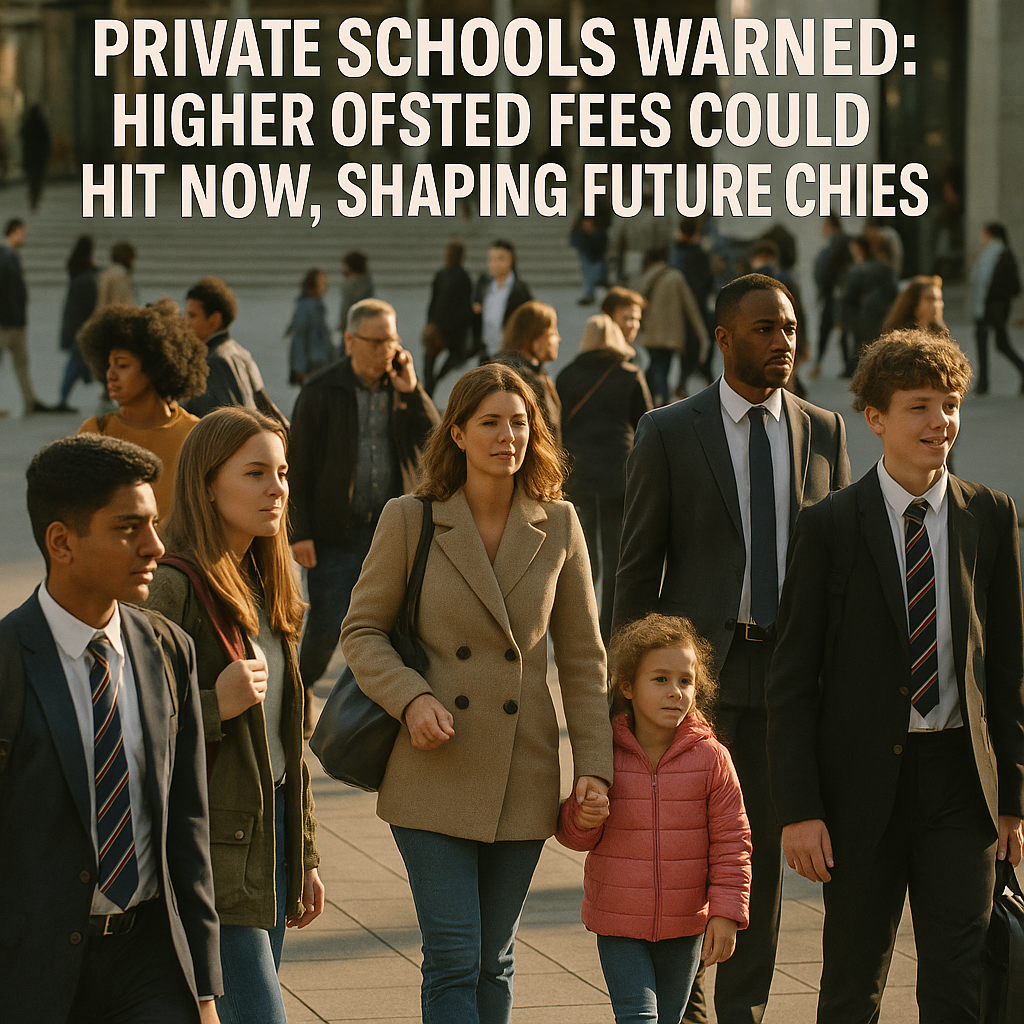
Private Schools Warned: Higher Ofsted Fees Could Hit Now, Shaping Future Choices

Societal Divide Deepens: The Impact of Private School Policies on Families and Communities

In recent months, the fractures within the fabric of British society have become more evident, as government and educational authorities grapple with the future of private education. The Department for Education (DfE) has proposed increased fees for Ofsted inspections of private schools, a move seen by many as a step toward economic fairness but criticized by others as a threat to exclusive community benefits. Currently, the regulator’s inspection costs are partially subsidized by taxpayers; however, the DfE suggests that private institutions should shoulder more of this burden, claiming that the taxpayer shouldn’t be subsidizing private businesses in this way. This policy shift raises questions about the social cohesion of communities and the role of private institutions within the broader society, especially given their historic role in perpetuating class distinctions and access to elite education.

Private schools inspected by Ofsted—those classified as “non-association”—comprise a significant portion of England’s independent educational landscape, with nearly half the 1,150 inspected institutions being specialized schools catering to pupils with disabilities and special educational needs. These smaller institutions serve as vital anchors for families seeking tailored education for their children—but looming financial pressures threaten their sustainability. The DfE’s proposal to increase fees over the next five years, climbing for schools with 150–399 pupils from £2,500 to £3,300, is part of a broader initiative to channel additional funds into **state school excellence**. Education Secretary Bridget Phillipson insists this approach is aimed at “driving up standards for children in state schools,” but critics argue it risks widening the social divide—thereby impacting family choices, community stability, and the very fabric of local life.

  • The financial burden on private schools could escalate, potentially making it more difficult for families already under economic strain to access these institutions.
  • Such shifts may incentivize educational consolidation, reducing the diversity of school options within communities.
  • The ongoing VAT on school fees and legal disputes over discrimination allegations compound the economic pressures faced by families and institutions alike.

This evolving landscape underscores how social and economic policies directly influence families and community dynamics. The higher fees could deepen existing inequalities, positioning private institutions as increasingly exclusive enclaves while challenging the principles of equal opportunity. Experiencing socioeconomic and cultural transformations, society faces the challenge of balancing meritocracy with accessibility. Sociologists like Charles Murray have long argued that education serves as a cornerstone of societal mobility; yet, policies that threaten to make private education more inaccessible risk entrenching disparities that threaten to undermine social cohesion. As families navigate these shifting currents, their choices and opportunities are being reshaped, impacting generations to come.

Reflecting on these societal shifts demands more than policy adjustments; it calls for a collective moral reconceptualization of what it means to foster an equitable society. The true test lies not merely in economic recalibrations but in nurturing a social fabric where opportunity and dignity for every family remain attainable. However, as history reminds us, societal transformations are seldom smooth, and the resilience of community bonds will be challenged amid economic austerity and cultural shifts. Yet, with deliberate effort and moral clarity, society can forge pathways that bridge divides, ensuring that future generations inherit not a fragmented landscape but a resilient, inclusive, and hopeful society.

Social Media Auto Publish Powered By : XYZScripts.com