Matox News

Truth Over Trends, always!

U.S. Deports Christian Converts to Iran, Raising Concerns

A Shifting Battlefield in Global Immigration and Human Rights

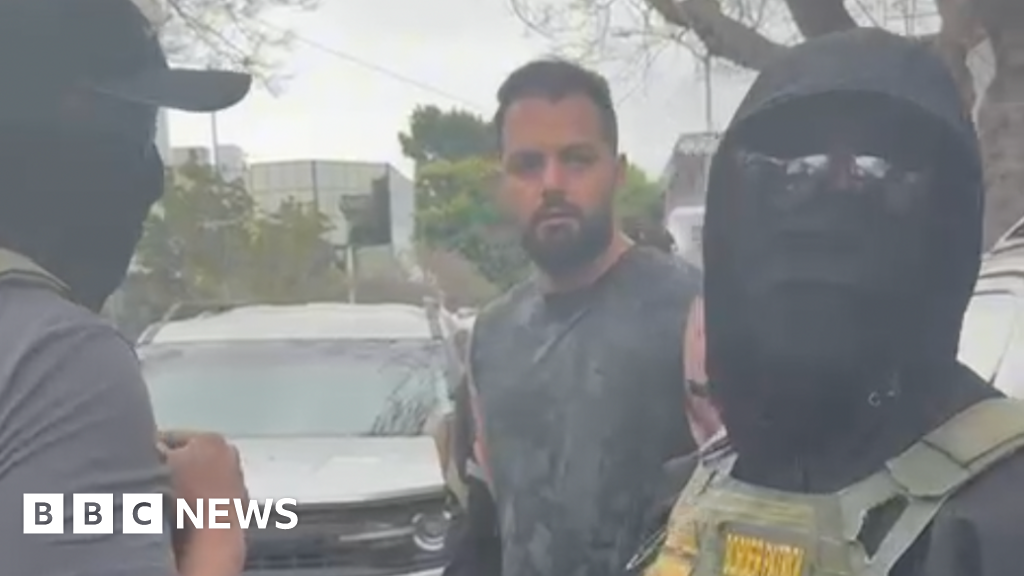
The United States has long positioned itself as a beacon of refuge for persecuted religious minorities, particularly Iranian Christian converts. Yet recent policy shifts reveal a disturbing paradox: while President Joe Biden publicly champions religious freedom and condemns Iranian oppression, the administration is simultaneously executing aggressive deportations that threaten the very groups it claims to protect. The recent chartered flights back to Iran, arranged via Qatar and involving passengers shackled and under armed guard, mark a stark reversal of United States’ historic stance on asylum for religious minorities fleeing religious persecution.

This unprecedented cooperation with Iran — a country with one of the most repressive regimes concerning religious freedom — sends a clear signal of geopolitical recalibration. Experts like Professor Alexei Ivanov of the London School of Economics warn that such moves could further embolden regimes hostile to religious minorities and escalate the persecution of converts back home. As reports surface of deported individuals facing interrogation about their faith by Iranian authorities, the global impact of America’s policies becomes evident.

The Fragile Lives Caught in a Geopolitical Crossfire

  • In late September, the US government orchestrated its first direct flight to Iran in decades, a move logic-defying given the *absence of diplomatic ties* and Iran’s notorious human rights abuses.
  • Families like Ali’s, whose wife was deported and is now targeted by Iranian intelligence, exemplify the personal danger underlying these policies.
  • Countries like Venezuela and Turkey, traditionally regions of refuge, are now increasingly becoming interconnected nodes in this perilous transit network for asylum seekers.

At the United Nations, calls for accountability grow louder. Human rights organizations criticize the US for mishandling and in some cases violating international standards—particularly regarding the confidentiality of asylum claims and the handling of sensitive religious information. The International Crisis Group suggests that these policies could undermine decades of diplomatic efforts to promote religious freedom and human rights. Notably, the divergence between the rhetoric of advocating for persecuted Christians and the reality of deportations reveals a troubling disconnect — a gamble with human lives that international analysts warn could destabilize fragile communities and embolden oppressive regimes.

The Shadows of Uncertainty and the Unfolding Crisis

Deeper within the US political landscape, legal experts caution that the decisions taken today may serve as a turning point in international refugee policies. Some argue that the administration’s claims of “fully adjudicated” asylum cases are contradicted by reports of mishandled information and the ongoing plight of individuals like Majid, who are now forced into hiding, fearful of reprisals. Meanwhile, the Iranian regime appears to be leveraging America’s internal tensions, using deported converts as leverage to crack down on internal dissent, framing converts as “Zionist agents”—a narrative designed to consolidate power and justify increased persecution.

As the weight of history bears down on this tangled geopolitical web, the stories emerging from beneath the surface suggest that these policies are more than bureaucratic decisions—they are reflections of a broader, ongoing conflict between principles and pragmatism. How long will the world’s most powerful democracy continue to turn a blind eye to its role as a protector or persecutor? This question hangs heavily in the air, as the fates of countless individuals unfold in shadows cast by shifting alliances and iron-fisted regimes. The story of Iran’s persecuted believers, and the US’s ambivalent stance, remains stubbornly unresolved — a stark reminder that in the grand chessboard of international affairs, human lives are pawns caught in a game still unfolding, written in the ink of history yet to be made.

Trump slams Nigeria’s Christian crackdown: Is religious freedom under attack?

Embracing a Lifestyle of Purpose and Resilience

In today’s fast-paced world, where the relentless pursuit of success often overshadows personal wellness, many young individuals are beginning to recognize the importance of __centering their lives around purpose, health, and resilience_. From the bustling streets of Lagos to the serene countryside, a rising shift in lifestyle ideals emphasizes _well-being as the foundation of true fulfillment_. Wellness experts like Dr. Jordan Peterson and motivational authors such as Brené Brown advocate for a life anchored in authenticity, self-care, and community. This cultural movement challenges the traditional metrics of success and highlights that _true vitality comes from nurturing the mind and body_ in harmony.

The _modern wellness paradigm_ is transforming how youth approach daily routines. Embracing practices like mindful meditation, active outdoor recreation, and nutritional awareness, many are striving to _find balance amid chaos_. For instance, African tech entrepreneurs and creatives are now integrating _lifestyle hacks that prioritize mental resilience_—whether it’s through local markets’ organic foods or outdoor ventures that foster _mental clarity_. The key message from wellness influencers like Jay Shetty and Oprah Winfrey centers on _investing in self-awareness and community_ as a route to personal impact. Living a life rooted in purpose translates to making choices that promote _long-term health, happiness_, and _shared prosperity_, which ultimately fuels a passion for _self-improvement and social contribution_.

Travel and leisure experiences are also evolving, becoming more intentional. Many youth-oriented explorers seek destinations that offer _authentic cultural immersion_ rather than superficial escapism. Travel hacks such as _connecting with local communities, engaging in eco-friendly activities, and practicing sustainable tourism_ serve as ways to _enhance personal growth_. Examples include hiking through Abuja’s national parks, volunteering in rural Nigeria, or participating in wellness retreats that combine _traditional healing rituals with modern mindfulness practices_. These experiences are not just leisure—they are _opportunities for self-discovery and connection to something greater_. As cultural theorist Chimamanda Ngozi Adichie reminds us, _embracing diverse narratives_ broadens our understanding of _what it means to live a fulfilled life_.

  • Prioritize daily movement—be it walking, dancing, or yoga—to boost physical and mental health
  • Choose destinations that foster _authentic cultural exchange_ and _self-growth_
  • Integrate _mindfulness practices_ into your routine for _lasting resilience_
  • Support local economies and _sustainable initiatives_ during travel

In a world filled with turbulence and shifting narratives, the _journey towards personal well-being_ becomes an act of defiance and hope. Young people today are redefining what _success_ and _happiness_ mean, turning away from material excess and towards _meaning, community_, and _self-awareness_. It’s an era that encourages individuals to _forge their own paths_, embracing _wellness as a lifestyle_ rather than a fleeting trend. And in doing so, they find the strength not only to improve their own lives but to inspire others along the way. Life, after all, is a continuous journey of growth—an ongoing act of embracing the resilience that resides within us all.

Trump urges military to prepare for 'action' over Nigeria Christian crisis claims
Trump urges military to prepare for ‘action’ over Nigeria Christian crisis claims

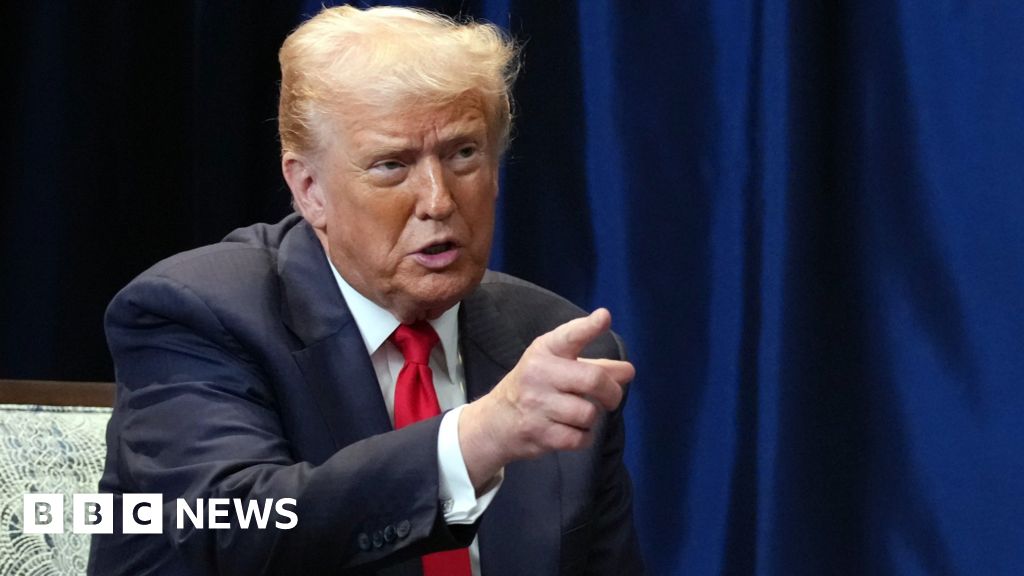
The recent escalation of tensions between Nigeria and the United States signals a new chapter in the ongoing struggle for religious and geopolitical dominance in West Africa. President Donald Trump has issued a provocative directive, instructing the US military to prepare for potential intervention amidst claims of religious persecution—specifically targeting Nigeria’s Christian population. Citing alleged atrocities, Trump labeled Nigeria as a “Country of Particular Concern”—a designation with significant sanctions implications—arguing that thousands have been killed in what he describes as a genocide against Christians. While these claims have been met with skepticism by many analysts, the move underscores a broader strategy to leverage religious conflicts as a tool for geopolitical influence, and highlights the US’s repositioning amid a shifting global landscape.

Much of the international community remains divided over the narrative of widespread persecution. Human rights organizations and regional experts assert that evidence does not support claims that Christians are targeted more than Muslims in Nigeria, which is approximately evenly divided between the two faiths. Groups monitoring violence report that both Muslim and Christian communities have suffered atrocities, often driven by complex local conflicts—including the long-standing insurgency of Boko Haram and the Islamic State West Africa Province (ISWAP). These militant groups have wrought havoc in northeastern Nigeria for over a decade, causing unparalleled human suffering. Yet, the global media and narrative promoted by Trump’s administration portray Nigeria’s crisis as primarily religious—a framing that risks oversimplifying a multifaceted conflict rooted in economic, ethnic, and political issues A

  • Trump’s executive actions have included labelling Nigeria as a security threat, intensifying international diplomatic tensions
  • US threats to cut aid if Nigeria does not protect Christians have alarmed regional leaders
  • Analysts warn that such interventionist rhetoric risks escalating violence rather than resolving internal strife

Meanwhile, Nigeria’s President Bola Tinubu has vigorously rejected the US’s characterization of Nigeria as a religiously intolerant nation, emphasizing instead that his government promotes religious tolerance. Speaking amid mounting international pressure, Tinubu’s administration insists that violent incidents are driven by regional conflicts affecting communities of all faiths. Historians and regional experts argue that the US’s focus on religious persecution offers a skewed perspective, neglecting the broader socio-economic factors fueling violence. International organizations like the United Nations and African Union have called for measured diplomacy, but the United States’s aggressive stance signifies a potential shift toward more interventionist policies—a move that could reconfigure alliances and power balances across the continent. As debate rages, the unfolding international response will likely influence Nigeria’s trajectory for years to come, with repercussions extending well beyond its borders.

In the shadows of this rising geopolitical tension, history looms—the intricate web of faith, power, and influence that has defined Nigeria’s recent past is now on the brink of transformation. As America’s rhetoric casts a long dark shadow over the continent’s future, the weight of history presses heavily on all nations involved. Will this be the moment when outside forces redraw Nigeria’s destiny, or will local resilience and diplomacy prevail? The pages of history continue to turn, with each chapter more critical than the last, leaving the international community to ponder whether true peace is within reach or forever beyond grasp amid the tumult of prophecy and power.

Social Media Auto Publish Powered By : XYZScripts.com