
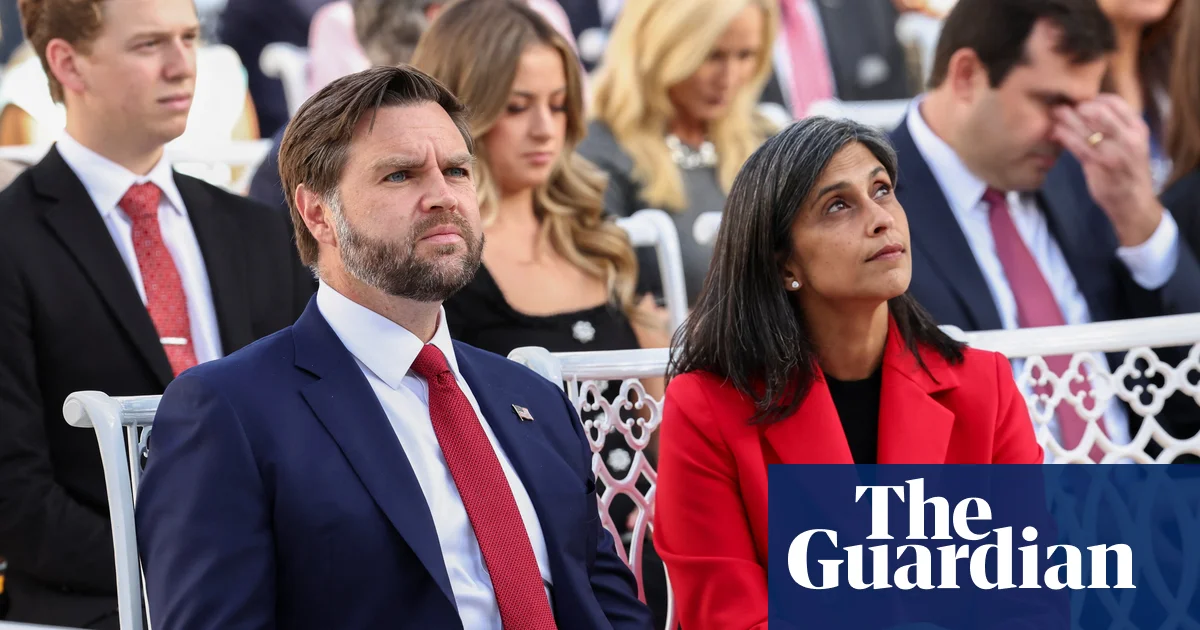

In today’s shifting global landscape, the ideological priorities of the United States continue to influence not only its domestic politics but also have profound repercussions on international relations. Recent statements by Vermont Senator JD Vance have sparked a ripple effect, showcasing the enduring polarization within the U.S. over religion, identity, and national loyalty. During a Turning Point USA event at the University of Mississippi, Vance emphasized the significance of Christianity in his personal life, revealing a nuanced perspective on diversity that nonetheless drew criticism from international observers and diaspora communities alike.
Vance’s fervent assertion that his children are being raised in the Christian faith, paired with his publicly expressed hope that his wife, Usha Vance, might convert, underscores a deeper ideological debate that transcends American borders. Critics, including the Hindu American Foundation, have condemned these remarks, warning of how such rhetoric potentially fuels religious intolerance and societal division. Far-reaching consequences can be observed as these internal cultural struggles influence U.S. foreign policy decisions, especially in regions where religious identity is intertwined with geopolitical loyalties.
Historians and geopolitical analysts argue that America’s internal religious discourse often mirrors broader international conflicts, such as the sectarian divisions in the Middle East or South Asia. When leaders like Vance publicly prioritize religious identity as a cornerstone of patriotism, it sets a precedent that complicates diplomatic relations with nations that are religiously diverse or where secularism plays a central role in governance. The State Department and various international institutions watch these developments with concern, interpreting them as signs of a potential shift toward more exclusivist national policies that challenge the traditional American image of pluralism.
This ideological momentum inevitably impacts how international communities perceive American values. For many, it highlights a growing tendency within the U.S. to intertwine national identity with religious allegiance, risking alienation of minority groups and destabilizing international cooperation. As analysts underscore, such domestic political moves resonate beyond borders, influencing America’s ability to act as a global leader committed to human rights and multiculturalism. These shifts threaten to undermine long-standing diplomatic efforts centered on tolerance and mutual understanding, leaving the world to wonder: Will America’s future be defined by a unity rooted in shared faith or fractured by religious exclusivism?
With history casting its long shadow, the unfolding narrative of religious identity within American politics serves as a powerful reminder that the decisions made today will shape the geopolitical landscape for generations. The weight of this moment hangs heavy, as the world watches whether the U.S. will embrace a more inclusive future or retreat into the divisions of its past. In this critical juncture, the question remains: how deeply will these internal struggles influence the course of international relations, and what legacy will they leave for history to judge?





