Matox News

Truth Over Trends, always!

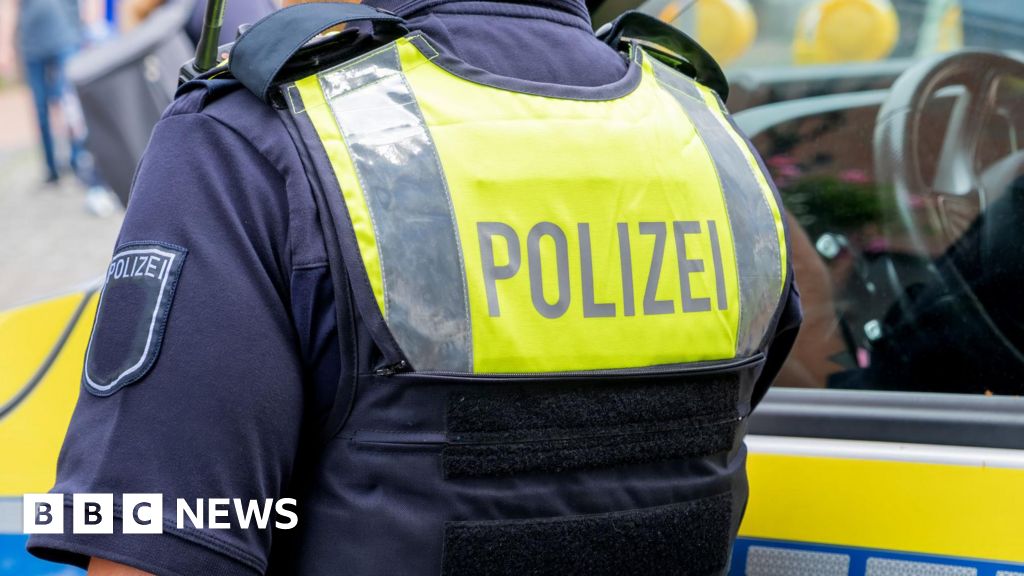
Five suspects detained over plan to target German Christmas market

In a significant display of resilience and vigilant security measures, Germany thwarted an Islamist plot aimed at unleashing violence during one of its most cherished traditions — the Christmas market. Five men, comprising three Moroccans, an Egyptian, and a Syrian, were detained last Friday in the southern Bavarian state, suspected of conspiring or actively participating in a plan to ram a vehicle into festive crowds. Authorities underlined the Islamist motive behind this plot, reaffirming ongoing concerns about the resurgence of extremist threats amid a complex geopolitical landscape.

Prosecutors disclosed that the Egyptian suspect, a 56-year-old imam linked to a local mosque, allegedly called for a vehicle attack with the explicit goal of causing maximum casualties. Meanwhile, the Moroccan suspects, aged 22, 28, and 30, purportedly agreed to execute the attack, with the 37-year-old Syrian being accused of encouraging the others in their sinister intent. The detail that the Egyptian imam might have played a role in radicalization underscores a broader debate within Europe about religious extremism and the integration failures that facilitate such plots. While authorities did not specify the exact timing or the precise location of the planned assault, intelligence linked it to an area northeast of Munich—Dingolfing-Landau—heightening fears of a coordinated attack during an already sensitive season.

Germany’s robust security response highlights the heightened alertness following a history of Islamist violence against Christmas markets, including the deadly attack in Berlin in 2016, which claimed twelve lives. The swift cooperation between security agencies, as noted by Bavaria’s Interior Minister Joachim Herrmann, showcases a proactive stance against these threats. Yet, this incident also starkly reveals how international jihadi networks continue to pose a destabilizing influence across Europe, requiring persistent vigilance and intelligence-sharing. Analysts warn that temporary security gains must be reinforced with more effective counter-radicalization efforts, especially within integrated communities where extremist rhetoric sometimes still finds fertile ground.

The geopolitical impact of this thwarted attack extends beyond Germany’s borders, serving as a stark reminder of how international and regional conflicts—such as the destabilization in parts of the Middle East—fuel global terrorism. The incident underscores the persistent threat that radicalized fighters and ideologues from North Africa and Near East pose to Western societies and their values. International organizations, including the United Nations, have consistently called for coordinated efforts to combat extremism, but critics argue that such measures often fall short of addressing the root causes.

As nations grapple with their internal security challenges, the unfolding story of this attempted attack serves as a vivid reminder that the frontlines of radical Islam are as much ideological as they are geographical. History’s historians and security experts caution that today’s efforts to prevent such plots may only buy a temporary reprieve. The weight of this warning hangs heavy as Europe stands at a crossroads: will it succumb to fear and overreach, or will it forge a new path towards understanding and resilience? As the world watches and the shadows of history lengthen, one truth remains undeniable—the battle for society’s soul, and the integrity of its physical boundaries, is far from over.
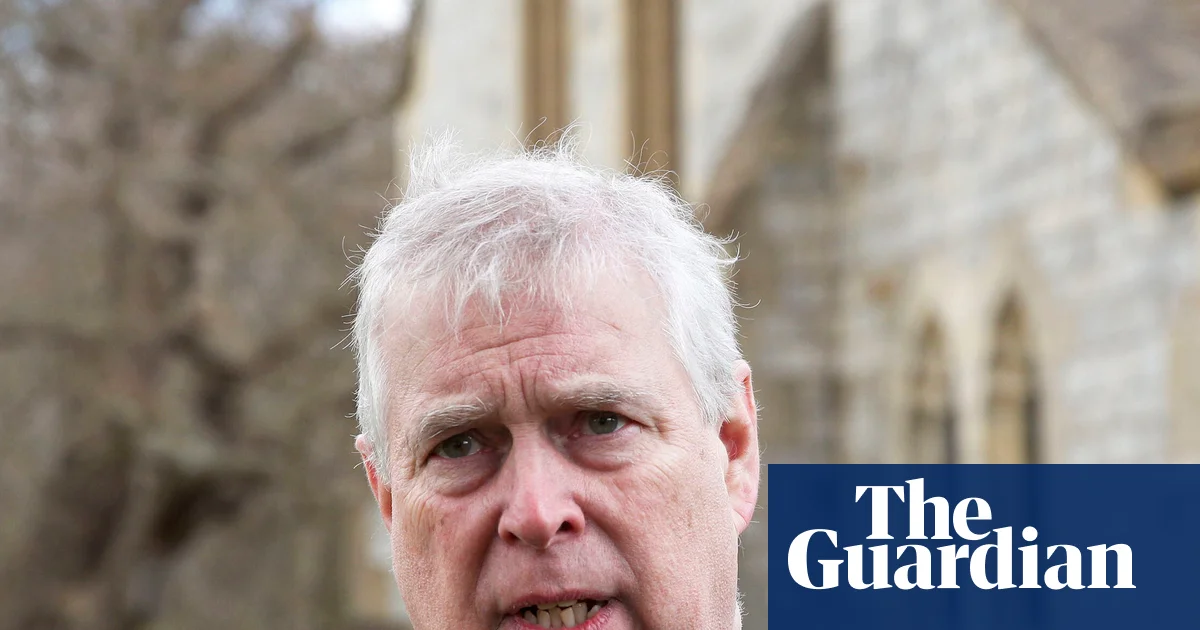

Prince Andrew becomes the punchline in this year’s top Christmas cracker joke—Andrew Mountbatten-Windsor strikes again

As the world approaches the end of 2023, the geopolitical landscape remains a tapestry of dramatic shifts, contentious conflicts, and cultural upheavals. This year has underscored the profound ways in which internal political shifts and international decisions ripple across nations, societies, and global institutions. Each headline, each political joke or scandal, encapsulates a broader narrative of a world grappling with the consequences of leadership struggles, cultural transformations, and the relentless march of history. Equally, the public’s humorous reflection on these serious matters—be it via satire or satire-like jokes—serves as a testament to the tension between authority and societal sentiment.

The decline of Prince Andrew symbolized more than just a royal scandal; it became a reflection of shifting societal values and the diminished trust in traditional symbols of authority. This year’s humorous jabs, crowned by a popular British joke questioning why Andrew isn’t writing Christmas books because “he hasn’t got any titles,” exemplify how cultural narratives adapt to the changing perception of monarchy and privilege. The joke’s resonance signals a broader cultural shift where aristocratic power complexes no longer hold the same sway, especially among the digital-savvy youth who demand accountability and transparency. According to internationalists and historians, this erosion of old-standing figures underscores a foundational transformation in how nations and their governing institutions are viewed—less as symbols of unchangeable heritage and more as entities subject to societal scrutiny.

Furthermore, the year saw a rise in sharp humor surrounding political figures like Angela Rayner and Nigel Farage, highlighting ongoing ideological conflicts within the United Kingdom. Such satire reflects the deep divisions that continue to shape the political climate, impacting everything from domestic reforms to international diplomacy. Meanwhile, international organizations have issued warnings about the potential for political polarization to escalate into instability, emphasizing how internal decisions in one country reverberate globally. The ‘cultural pandemic’ of satire encapsulates a collective anxieties about future governance, societal cohesion, and the preservation of traditional values amidst rapid change. Analysts argue that these jokes are not mere entertainment—they are a form of societal barometer, revealing the pulse of a transformed public consciousness seeking to redefine its future pathways.

On the global stage, external shifts—such as the ongoing impacts of international conflicts and negotiations—continue to realign alliances, affect trade routes, and challenge the sovereignty of nations. The delicate balance of power that once guaranteed stability is being renegotiated, with regional conflicts and coups threatening to plunge some areas into chaos while others forge new partnerships. For instance, the recent friction in Eastern Europe and next-level engagement by superpowers illustrate a climate of strategic uncertainty. International bodies like the UN and NATO are increasingly seen as ineffective or outdated, sparking calls among many nations for new alliances and a reevaluation of global governance. This tumultuous environment amplifies the stakes for democratic nations striving to protect their sovereignty and social orders, as the “great game” of geopolitics fuels economic uncertainty and societal strain worldwide.

As history continues to unfold on a grand scale, the tension between tradition and transformation persists. The scenes of politicking, cultural shifts, and international power plays echo through the corridors of power and within the streets of countless cities, leaving the world at a crossroads. The undeniably impact of these decisions resonates far beyond the headlines: they will shape not only the geopolitical map but the societal fabric of future generations. The weight of history presses down, as leaders and citizens alike navigate this treacherous, uncharted terrain—knowing full well that the story’s next chapter remains unwritten, its destiny still hanging in the balance of global choices and collective resolve.

UK Youth Rejecting Waste: 168 Million Christmas Lights and Fast Tech Bottling Up Environmental Damage

Environmental Concerns and Geopolitical Implications of the Wasteful Christmas Season

As London citizens bid farewell to another festive season, recent findings by the non-profit group Material Focus reveal a troubling trend that extends beyond individual consumer habits. An estimated 168 million light-up Christmas items and “fast-tech” gifts have been discarded across the UK just in the past year. This staggering figure, extrapolated from survey data, underscores a significant waste problem that:not only strains environmental resources but also highlights a global issue of reckless consumerism in the face of climate crises and international waste management challenges.

The report indicates that Brits spent approximately £1.7 billion on holiday lighting, including 39 million sets of fairy lights, alongside millions of garlands, wreaths, snow globes, and animated figures. While these items symbolize the holiday spirit for many, their disposability raises questions about the long-term impacts on the environment. The problem is compounded by the way these items are powered—often non-recyclable batteries that, once improperly disposed of, can cause dangerous fires in bins and waste centers. The incident rate of battery-related fires has surged by **71%** over the past year, emphasizing how poor disposal practices can escalate into serious safety hazards and environmental damage.

This pattern of irresponsibility has broader **geopolitical impact**—particularly in regions where waste management infrastructure is inadequate or poorly enforced. International organizations like the United Nations warn that electronic waste is the fastest-growing waste stream globally. A separate study estimates that **1.1 billion** electrical items and **450 million** batteries are irresponsibly discarded each year worldwide, often ending up in developing nations where environmental standards are woefully lax. These practices not only threaten public health but also propagate a cycle of environmental degradation, contributing to climate change and destabilizing social structures. As global citizens, policymakers and governments must confront the environmental fallout of consumer culture and address the international flow of electronic waste.

Prominent analysts, such as environmental historian Dr. Jane Williams, argue that the disposable culture fostered during festive seasons is symptomatic of a broader societal tendency toward overconsumption. She emphasizes that *“unless nations implement strict recycling regulations and promote durable, repairable products, the mounting waste will continue to have devastating global consequences.”* The UK’s efforts to promote responsible disposal—via campaigns urging proper recycling of electricals and batteries—are a phase in a larger international uphill battle against waste proliferation. The call for local accountability echoes at the global level, where international treaties and agreements must evolve to combat the rising tide of **e-waste** and prevent environmental crises that threaten to destabilize both economies and societies.

As the world stands at this crossroads, with humanity grappling with both the tangible and intangible scars of consumer excess, history reminds us of the urgent need for systemic change. Decisions made now—regarding waste management, international cooperation, and individual responsibility—will echo for generations. The dark shadow of a planet burdened by discarded light-ups and fast tech becomes a stark symbol of how fleeting traditions can have lasting, irreversible consequences. The unfolding story of environmental neglect, driven by the consumerist urges of today’s holiday season, leaves us with a haunting question: will we choose to break free from the cycle of waste and forge a sustainable path, or will history remember this as the moment when recklessness tipped the scales beyond repair?

Jess Cartner-Morley Takes the Lead: This Holiday, Dress to Impress — Your Ultimate Christmas Style Guide

Festive Fashion Trends Reflect Societal Shifts: The Future of Christmas Style

As the holiday lights flicker on and the aroma of turkey sandwiches in Pret become our seasonal soundtrack, a cultural transformation in Christmas fashion is quietly taking hold. It’s clear that this year’s festive dressing is more than just glitz and glamour; it embodies a broader *societal shift* towards authenticity, self-expression, and a reconsideration of traditional social norms. Influencers and fashion analysts alike are signaling that what we wear during this season is now a mirror of larger cultural currents—an outward expression of our *social relevance* and personal identity in an ever-evolving society.

At the heart of this trend lies a surprisingly liberated approach to holiday fashion. Gone are the days when party attire strictly adhered to the unspoken rules of modesty or expectations of sophistication through brand-new outfits. Instead, there’s a palpable emphasis on upcycling, vintage pieces, and sartorial boldness. Wearing something pre-loved or reimagined from your own wardrobe is now a flex — a statement that challenges consumerism and celebrates individuality. Fashion experts note that this embrace of a *more sustainable and authentic* aesthetic directly responds to the *social relevance* of environmental concerns among younger generations, who see fashion as a form of social activism rather than mere trend-following.

In the realm of party presence, the *new etiquette* champions ingenuity over conformity. Influencers such as Imogen May showcase outfits that turn the dial up on typical festive decor with sequined dresses, bold accessories, and playful socks that blend nostalgia with a modern edge. Dress, £110, from Albaray, and Heels from River Island exemplify how elevated eclecticism is shaping this year’s holiday wardrobe. The key takeaway? Clothing is now a deliberate act of *self-definition* rather than blind conformity. This shift underscores a *social relevance* where fashion becomes a tool of empowerment, especially among youth who seek to carve out their place in a cultural landscape that increasingly values authenticity over tradition.

As we peer into the future, the big question remains: could this *cultural shift in festive dress* be the catalyst for a broader societal movement? Will our holiday wardrobes become less about following worn-out traditions and more about **owning your style** unapologetically — not just during Christmas, but year-round? Sociologists and fashion commentators are debating whether this trend signals a new era where dress codes are less prescribed and more personalized, or if it’s merely a temporary revolt against outdated norms. What seems certain is that as the boundaries of societal expectation continue to blur, the next big question might be: **Are we witnessing the emergence of a new cultural paradigm—one where self-expression in fashion is the ultimate measure of social relevance?** Only time will tell, but one thing is clear: the future of festive fashion is about much more than just glitter — it’s about redefining who we are in every stitch and sequin.

15-Year-Old Facing Christmas Behind Bars After Sydney Teen Murder

Teen Violence in Sydney: A Microcosm of Societal and Geopolitical Shifts

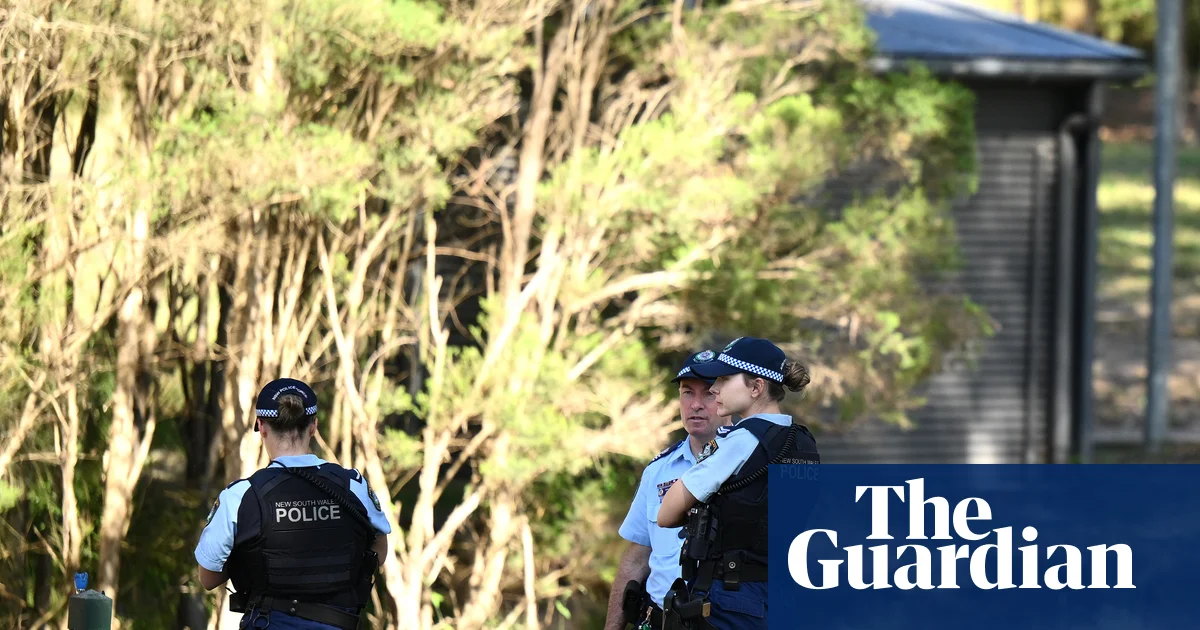
The recent tragic incident in Sydney, where a 17-year-old boy lost his life after a stabbing near a local high school, underscores a disturbing rise in youth violence affecting even the most peaceful societies. The suspect, a 15-year-old, was accused of the brutal murder, an act that has sent shockwaves through the Australian community and raises pressing questions about social instability, youth crime, and the broader societal influences fueling this violence.

Analysts and international observers have pointed to a global trend where societal discontent, economic disparities, and cultural shifts contribute to increased violence among youth. Historian Dr. James Thornton notes that such incidents often reflect underlying fractures within a nation, exacerbated by declining social cohesion and economic uncertainties. This tragic event took place in broad daylight, close to several schools and within view of the community—highlighting how fragile societal order can be, especially when morals and law enforcement are strained by the complexities of modern urban life.

The geopolitical impact of localized violence, however, extends beyond Australia’s borders. It acts as a stark reminder that internal societal stability influences a nation’s reputation on the global stage, especially as China and Russia continue to challenge Western democratic values and institutions. In a time where Australia aligns increasingly with U.S. interests, incidents like these threaten national cohesion and national security by fueling societal divisions. Moreover, international organizations such as the United Nations have long warned that domestic instability distracts nations from engaging effectively in global geopolitics, exacerbating regional tensions and allowing authoritarian influences to gain ground.

The response from Australian authorities underscores the seriousness with which such violence is treated. The young suspect was remanded in custody, with forensic evidence—including a DNA swab—being collected to establish further details. This case, due to return to court in January, highlights the ongoing challenge of juvenile justice and law enforcement’s efforts to combat youth violence in an increasingly volatile social climate.

Critical voices from across the political spectrum insist that resolving these issues requires addressing root causes—namely, inequality, cultural dislocation, and lack of opportunities for youth. Prime Minister Anthony Albanese has expressed condolences to the victim’s family while emphasizing the need for community resilience and policy reform. But the clash between social well-being and rising violence reveals deeper fractures within<typeof "Western" societies, which now confront the ongoing repercussions of rapid globalization, identity shifts, and internal divisions.

As the world watches, the event in Sydney becomes more than a localized tragedy—it serves as a bleeding symbol of how internal societal struggles can have far-reaching consequences. When youth are pushed to the brink, societies risk losing their future, and the weight of history continues to unfold, reminding all nations that peace is fragile and must be fiercely guarded against the tides of chaos and discord.

UK bird flu chaos threatens Christmas turkey supply—industry on edge

UK Bird Flu Outbreak Weighs Heavily on Christmas Supply Chain, Signaling Broader Geopolitical and Economic Shifts

The ongoing avian influenza outbreak sweeping through the UK poultry industry exemplifies a crisis that extends far beyond farmyards and supermarkets. With cases surpassing last year’s toll, the impact on the Christmas supply chain is mounting, revealing vulnerabilities that could have wider geopolitical implications. The reality that approximately 300,000 birds—particularly organic and free-range—have already been culled underscores the severity of this health emergency. Though major retailers exhibit resilience, willing to absorb short-term losses on advance orders, the disruption signals a fragile global food network exposed to the unpredictability of zoonotic diseases.

This health crisis is more than a local story — it’s a stark warning of how risks from emerging infectious diseases could reshape international trade relations and national security strategies. With outbreaks confirmed in large-scale commercial poultry units across England and neighboring nations under stringent biosecurity mandates, authorities are racing against time to contain the virus. The Animal and Plant Health Agency reports nearly 50 cases since October, emphasizing that *crisis management remains a delicate balance.* Historians and analysts warn that if such outbreaks persist or amplify, they could precipitate a cascade of economic repercussions, jeopardizing global food security and intensifying political tensions over resource sovereignty and pandemic response coordination.

International Responses and the Broader Geopolitical Impact

While the UK strives to manage its farm crisis, the broader international landscape is not immune to the repercussions of emerging zoonoses. Countries with significant poultry industries—such as the US, China, and India—are closely monitoring developments, aware that the spread of avian flu can undermine global supply chains and trigger protective trade measures. The World Organisation for Animal Health (OIE) cautions that such outbreaks may catalyze stricter import restrictions, impacting international relations and trade agreements rooted in agricultural commodities. This scenario underscores the need for a cohesive multinational response, yet it also exposes vulnerabilities in existing treaties that often prioritize economic gains over health security.

Experts contend that shifting geopolitical alliances could influence future biosecurity protocols, especially as nations seek to safeguard their food sovereignty amid mounting ecological and health challenges. The UK’s experience serves as a trial run for how local health crises can ripple outward, forcing countries to reevaluate their strategic alliances and resource allocations—factors that will significantly influence future global governance. As a result, international organizations are called to step up their coordination efforts, fostering resilience in an interconnected world increasingly threatened by zoonotic spillovers and climate change.

Conclusion: The Unfolding Chapter of Global Crisis

As the UK battles its most severe bird flu outbreak in years, the world watches with bated breath. The decisions taken today—ranging from immediate containment measures to long-term policy shifts—will carve the path for future generations. Public health and economic stability hinge on swift, decisive actions, but history warns that such crises often reveal deeper geopolitical fault lines, exposing vulnerabilities in our interconnected fabric of society. With every cull and containment order, the narrative of global resilience continues to unfold, leaving nations to ponder whether they are prepared for the next shadow looming on the horizon—a threat that, if unchecked, could transform the course of history in ways yet unforeseen.

Reform Council Pushes for Flag Removal to Brighten Up Christmas Lights in Kent

Controversy Over Flags and Christmas Lights in Harrietsham

Flags vs. Festive Cheer: The Cultural Clash in Harrietsham

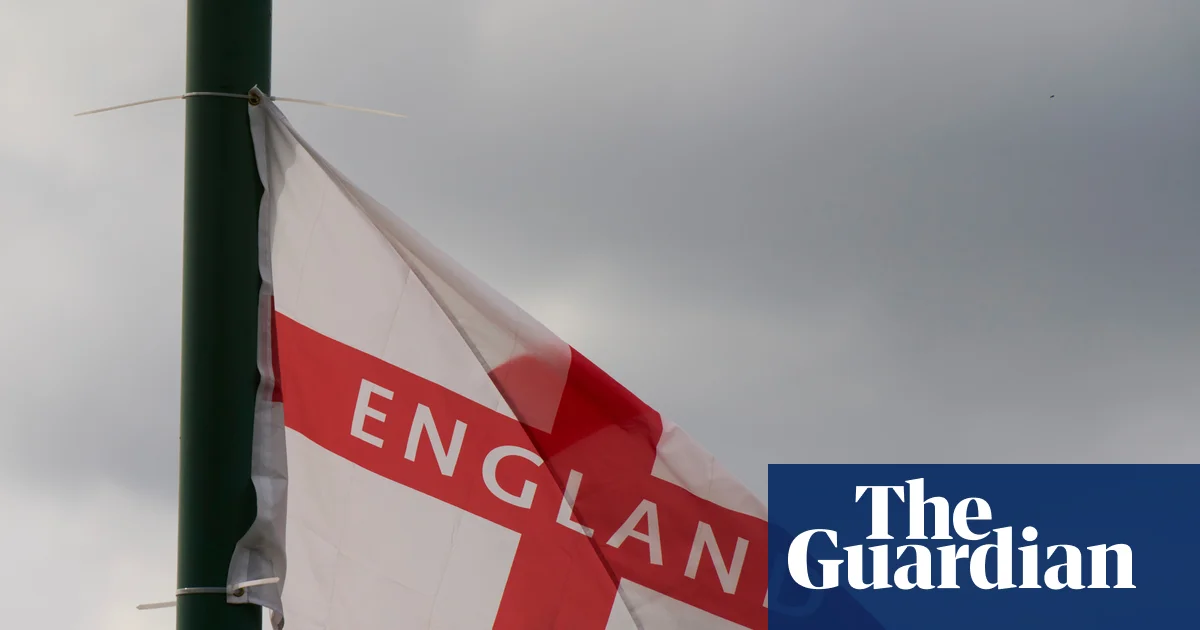
The recent decision by Kent county council to mandate the removal of union and St George’s flags from streetlights before the village can proceed with its traditional Christmas decorations has sparked a fierce debate that reflects broader societal tensions. This incident, deemed “beyond ironic” by local leaders, underscores how cultural symbols and identity politics increasingly influence community life and social cohesion. As the council’s safety concerns dominate discussions, the decision highlights an underlying struggle over the societal role of national symbols amid a rapidly changing demographic landscape.

The controversy centers on the flags, which are often associated with national pride and patriotic expression. While the county council asserts that safety during light installation is paramount, critics argue that the decision is emblematic of a broader trend of government intervention in cultural expression. For many families and communities, such symbols are part of their identity, deeply intertwined with their history and sense of belonging. The actions of the council have ignited concerns among residents and local groups who see this as an erosion of freedom to display their heritage. Notably, the parish council emphasizes that the flags, which were put up without formal permission, do not belong to the council property and therefore cannot be removed without owner consent—highlighting issues of property rights, local autonomy, and the cultural significance of public symbols.

This conflict has implications beyond mere symbolism; it affects the social fabric of communities and the everyday experiences of families. When local authorities restrict expressions that unite or represent a community’s history, it can lead to alienation and social fragmentation. Sociologists like Dr. Lisa Greenfield warn that such restrictions risk marginalizing conservative and patriotic elements, which are vital voices in the ongoing conversation about national identity. The debate reveals a cultural shift where traditional symbols are being scrutinized under the guise of safety or political correctness, often at the expense of community cohesion and shared celebration. Furthermore, the controversy illustrates how social tensions around identity, patriotism, and multiculturalism influence local governance and public spaces.

Supporters of the council’s stance argue that safety remains the highest priority in public planning, emphasizing that flags can obstruct visibility or interfere with installation safety. Peter Osborne, Kent council’s cabinet member for highways and transport, asserts that the removal process can be done efficiently by contractors without significant costs. Yet, critics like Stuart Jeffrey, a Green councillor and leader of Maidstone borough council, suggest that the broader issue is symbolic — that the flags represent more than just personal or local pride, but the tensions between local tradition and the push for a homogenized national identity. They contend that “the flags serve as a reminder of the community’s history, and their removal signifies a form of cultural suppression.”

Ultimately, this conflict resonates as a microcosm of society’s ongoing struggle to balance tradition with progress. It raises essential questions about how communities can preserve their heritage and identity in an increasingly diverse society, without compromising safety or the rule of law. As we move forward, the challenge lies not only in resolving disagreements over symbols and regulations but in fostering a society where families, educators, and communities can find common ground amid the inevitable changes shaping modern Britain. Reflecting on this, one can hope that society’s greatest strength remains its capacity to adapt, unite, and honor its roots—transforming division into dialogue, and symbols of division into symbols of collective hope for a more inclusive future.

Social Media Auto Publish Powered By : XYZScripts.com