Matox News

Truth Over Trends, always!

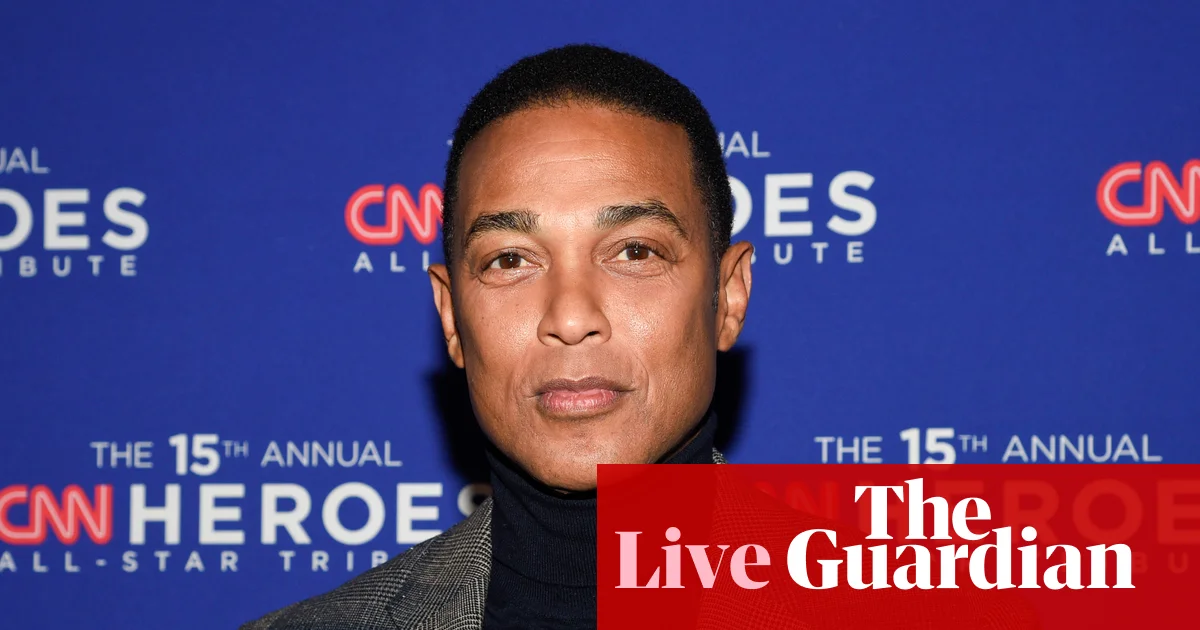
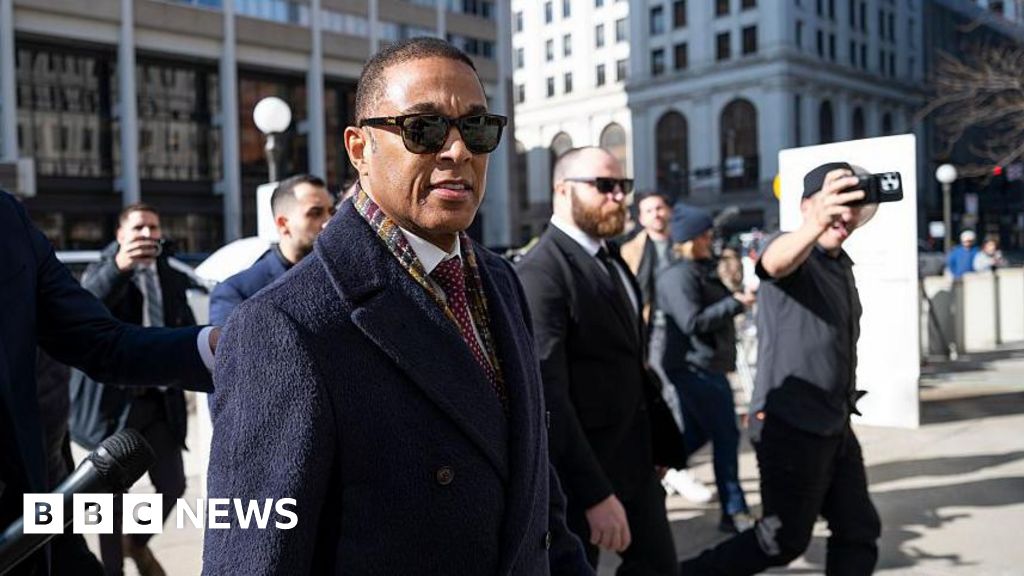
Ex-CNN Host Don Lemon Battles Back in Minnesota Church Protest Case

The recent incident in the United States, where a former CNN host along with eight other individuals were formally charged for interrupting a church service as a form of protest against immigration raids, underscores a troubling shift in domestic activism with global repercussions. The act, which took place during an event ostensibly rooted in faith and community, reflects a broader trend of activists leveraging public spaces to challenge increasingly contentious immigration policies. Such actions, while hailed by some as courageous civil disobedience, also serve as a stark mirror to the deep divisions rippling across American society and, by extension, the geopolitical landscape.

This stark confrontation between law enforcement, civil liberties, and national security considerations does not merely echo within U.S. borders but resonates far beyond. Analysts warn that these localized protests symbolize a broader international narrative where governments face mounting pressure from civic groups, advocacy organizations, and external actors. The United States’ handling of immigration policies, often shaped by bipartisan debates, is increasingly intertwined with global power dynamics, especially with nations like Mexico and Central America. As the U.S. continues to combat irregular migration flows, every act of domestic protest magnifies the overarching question: how will internal dissent influence America’s role on the world stage?

Geopolitical Impact and International Repercussions

Foreign policy experts highlight that these spectacles of civil unrest do more than challenge domestic policy—they alter international perceptions of America’s stability and commitment to the rule of law. According to international think tanks and historians specializing in U.S. history, acts of civil disobedience such as these may contribute to a narrative of chaos or instability, which adversarial nations could exploit. Moreover, the ongoing discourse reveals a nation at a crossroads—balancing its immigration commitments with the stringent enforcement measures that have become a wedge issue domestically.

Additionally, the incident arrives amidst rising tensions with China and Russia, who eagerly watch America’s internal divide as a sign of vulnerability. Global institutions, including the United Nations and European Union, have issued mixed messages—calling for human rights protections while grappling with their own crises. The protests, now etched into the national consciousness, serve as a reminder that the decisions made within American borders ripple outward, influencing alliances, trade relations, and diplomatic negotiations worldwide. Every act of defiance becomes part of a larger narrative: America’s democratic resilience being tested on its home turf.

The Future of American Identity

History historians and political analysts warn that such protests presage a more turbulent era where the American identity itself is under scrutiny. Citizens, especially younger generations, are demanding a different vision of national purpose—one that balances security with compassion. As the nation wrestles with these fundamental questions, the weight of history presses down, reminding all observers that the path forward remains uncertain yet pivotal in shaping the global order. Indeed, these moments reflect not just a confrontation over immigration, but a fundamental debate about who America is and what it will stand for in the 21st century.

As observers witness these unfolding events, one thing remains clear: in the theater of history, the lines are shifting, the stakes rising, and the outcome uncertain. The decisions made today will resonate through generations, as America’s story continues to be written in the ink of activism, policy, and power.
Bristol Church Repairs Renew Push to Exhume Edward Colston

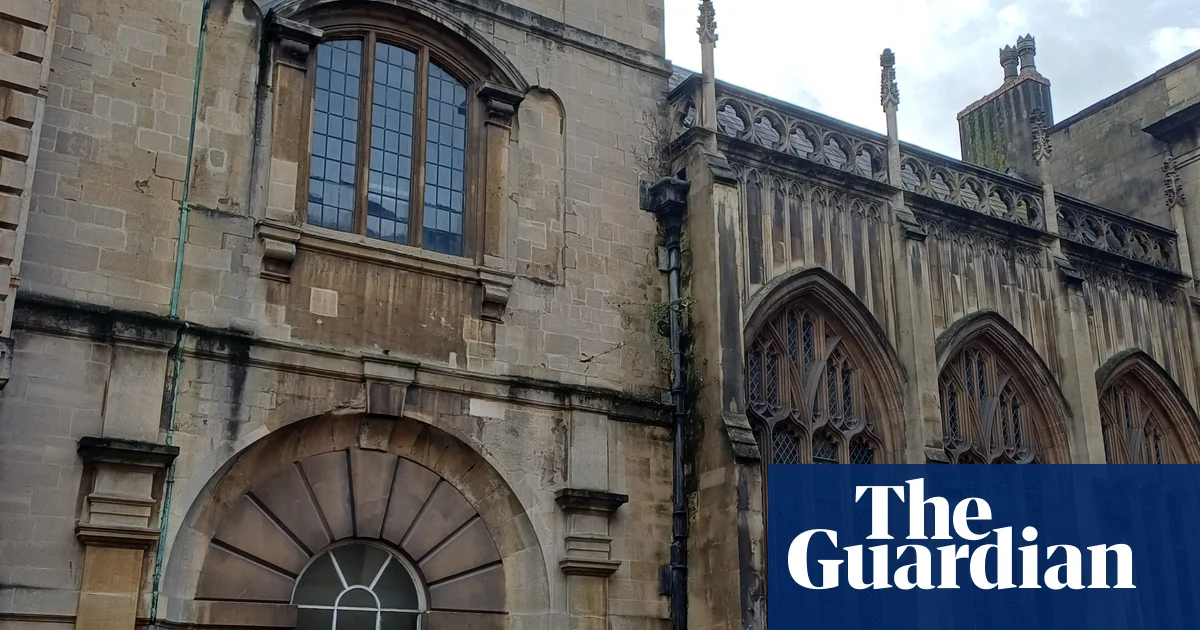
In a development that underscores the complex interplay between history, cultural memory, and national identity, Britain is at a pivotal moment regarding its approach to confronting its colonial past. The ongoing efforts to refurbish the once-abandoned All Saints Church in Bristol serve as more than mere local infrastructure repair; they symbolize the broader struggles faced by nations grappling with their historical legacies. The church, believed to be the burial site of Edward Colston, a notorious slave trader and financier of the British Empire, has been a focal point of controversy since the 2020 protests. The decision to repair the building and potentially deconsecrate it, removing Colston’s remains, reflects an international debate about how to handle monuments, sites, and symbols tied to a contentious past.

The geopolitical impact of these decisions extends far beyond Bristol, spotlighting a pattern observed across Western nations. European countries, in particular, are facing mounting pressure to reassess their colonial legacies. The removal or contextualization of monuments—sometimes driven by local communities, other times by national governments—has become a flashpoint that exposes underlying divisions about national identity and collective memory. Analysts from international organizations such as the United Nations Educational, Scientific and Cultural Organization (UNESCO) warn that these controversies are increasingly exploited by political factions seeking to reshape societal values. The controversy surrounding Bristol’s church and the fate of Colston’s remains exemplifies this wider phenomenon: the struggle to balance historical acknowledgment with the desire for national unity and social cohesion.

As debates unfold, the international community observes how decisions about the future of such sites affect societal cohesion and diplomatic relations. While some advocate for erasing uncomfortable symbols, others argue that context and education are essential. The diocese’s insistence that repair work is mandated for safety reasons, and the ongoing consultations with the African–Caribbean community, illustrate a nuanced approach aimed at reconciliation. Nonetheless, critics point out how the recontextualization or removal of Colston’s remains could be interpreted as a form of symbolic repudiation, potentially fueling further discord. These internal conflicts within Britain reflect broader tensions experienced by nations worldwide as they reckon with their colonial histories, often prompting uncomfortable questions about justice, reconciliation, and the very fabric of national identity.

The story of Bristol’s All Saints Church and its contentious history embodies a turning point—a moment when society must confront a shared past that is both painful and instructive. As the debate rages about whether to preserve the building, repurpose it, or erase its troubled history altogether, it echoes a larger truth: history is a living force, shaping international relations and societal values. Leaders and historians alike warn that how nations choose to remember—they say—will determine their future stability and integrity. The ongoing negotiations about Bristol’s church are more than regional—they serve as a somber reflection of how history’s shadow continues to loom over modern geopolitics, leaving a legacy that demands humility, understanding, and resolution, even as the world watches and waits.

Rome Church Removes Fresco Angel Resembling Giorgia Meloni—Cultural Clash Heats Up

Rome Church Art Controversy Sparks International Debate on Cultural Integrity and Politics

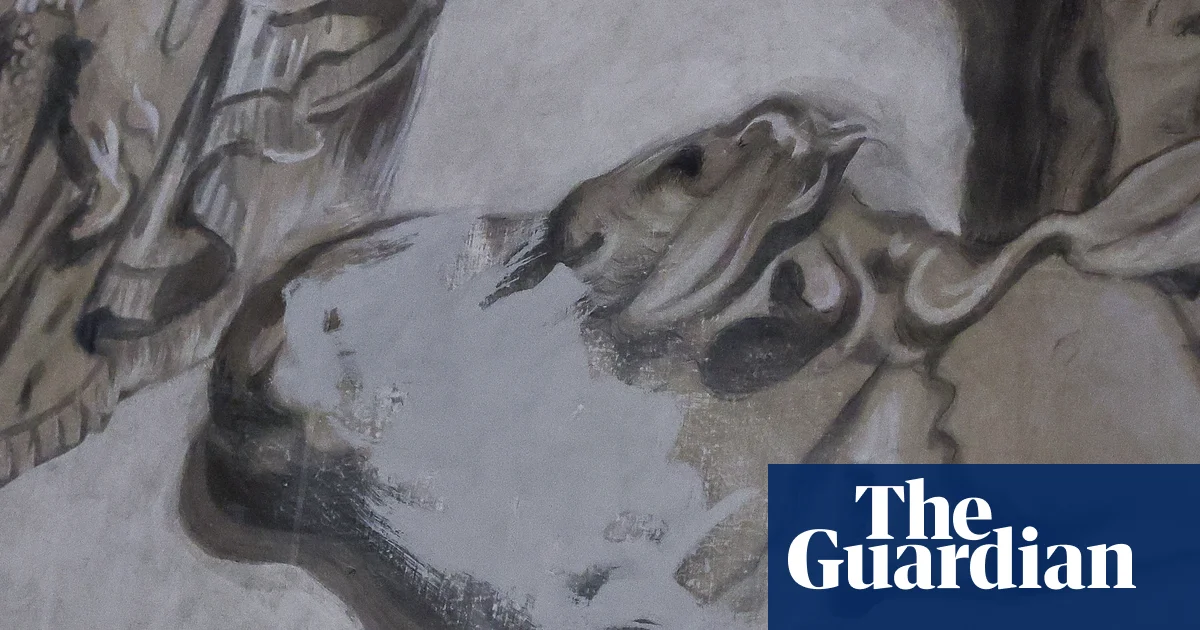
The recent incident in Rome where a fresco in the Basilica of St Lawrence in Lucina was defaced by erasing a cherub’s head—believed to bear an uncanny resemblance to Italian Prime Minister Giorgia Meloni—has ignited a firestorm of controversy that extends far beyond Italy’s borders. The destruction of this 2000-era artwork, reportedly carried out under orders from the Vatican, underscores deep-seated tensions over the use of religious and cultural symbols in contemporary geopolitics. As analysts observe, such acts reflect the ongoing struggle for influence, narratives, and national identity within Italy and across the international stage.

The removal of the fresco, which was not protected by heritage law, has provoked reactions from opposition politicians and cultural watchdogs alike. Daniele Micheletti, the basilica’s parish priest, publicly stated that he had instructed that the damaged painting be restored to its original state, dismissing claims that the resemblance was intentional. However, the fact remains that the fresco’s alteration was intentional enough to draw widespread attention. Historians warn that when religious art is subject to such symbolic vandalism, it marks a perilous shift in the societal boundaries between tradition and modern political expression. Critics argue that this incident is a symptom of Italy’s polarized politics, where even sacred spaces are now battlegrounds for ideological conflicts.

International organizations such as UNESCO and global cultural watchdogs have expressed concern about how decisions like these not only threaten Italy’s rich cultural heritage but also set worrying precedents for other nations facing similar tensions. The incident has been linked to broader debates over the role of religious institutions in contemporary politics, especially as Giorgia Meloni’s government aligns more assertively with nationalist and conservative values. Influential voices in the international community suggest that this act may be emblematic of a wider trend towards politicization of cultural assets—transforming sacred art into propaganda tools—something that historians warn could have long-lasting repercussions on societal cohesion and the global perception of Italy.

  • Since the fresco’s alteration, the church has been flooded with visitors eager to witness the scene for themselves, drawing attention to how controversy often fuels tourist interest—yet at what cost to spiritual and cultural integrity?
  • Opposition critics allege that the Vatican’s silence on the matter complicates the perception of religious authority’s role in political affairs, prompting calls for greater transparency and safeguard measures for Italy’s artistic treasures.
  • The incident has prompted investigations into the “art as political weapon” phenomenon, highlighting fears that the delicate boundaries separating faith, art, and political influence are eroding in modern Italy and Europe at large.

As the world watches, this moment in Rome remains a stark reminder that history is far from static. Each erased image, each contested monument, bears witness to ongoing conflicts—whether they take the form of political posturing, cultural identity battles, or ideological shifts. Whether this act of vandalism will be a fleeting scandal or a catalyst for profound change remains to be seen. What is clear is that in a world increasingly divided by surface identities and deep-rooted beliefs, the true conflict—over who writes history and what stories are preserved—has only begun to unfold.

House Democrat Jeffries slams Lemon’s arrest at Minnesota church protest – US Politics Update

Behind the tumultuous headlines of recent days lies an increasingly volatile global landscape, where decisions made within national borders ripple across continents with profound geopolitical impact. As President Donald Trump publicly warns Iran to cease its nuclear ambitions and end violent suppression of protesters, the world watches a familiar pattern of escalation and brinkmanship. Trump’s direct threat to deploy the U.S. military if Iran does not stop its crackdown exemplifies a stark shift towards a more confrontational posture, with analysts warning this could impoverish prospects for diplomatic engagement and ignite a wider regional conflict.

Simultaneously, Trump’s administration demonstrates a distinctive approach to internal dissent, as his nominee for the Federal Reserve, Kevin Warsh, signals intentions to reshape U.S. monetary policy under a President eager to undermine the independence of the institution. The President’s public praise for Warsh, contrasted with his previous criticisms of Fed leadership, underscores an ominous trend: an attempt to wield economic policy as a tool for political control rather than a safeguard of economic stability. Such moves evoke concern among international financial watchers, who warn that politicization of monetary institutions can trigger unpredictable swings in the US dollar and global markets, potentially destabilizing economies worldwide.

Domestically, America remains embroiled in internal struggles over free speech and law enforcement. The recent arrest of veteran journalist Don Lemon by federal agents—an unprecedented attack on the First Amendment—has alarmed international observers and U.S. allies. Critics argue this represents a troubling convergence of government overreach and ideological suppression, echoing the warnings of constitutional scholars who emphasize that the judiciary’s refusal to approve charges against Lemon indicates political interference aimed at diverting attention from ongoing crises, including violent crackdowns in Minnesota and Lebanon. As tensions rise, the question persists: how will the U.S. reconcile its democratic ideals with these alarming acts of repression?

In a broader context, these domestic and international events are intertwined within a shifting global order. The renewed threat from Trump to Iran, coupled with Iran’s readiness to resume diplomatic talks—contingent upon fair negotiations excluding military threats—reflects a world where diplomacy teeters on the brink of collapse. The stakes are high: will continued aggression and reckless rhetoric ignite a regional war, or can states find a path toward de-escalation? The decisions made today, from military posturing to economic policies and civil liberties within the United States, will shape the course of history’s unfolding narrative. It is a stark reminder that the weight of history rests heavily on the choices of current leaders, and the world remains a tenuous balance of power, waiting for its next chapter to be written—one that could either secure peace or ignite chaos.

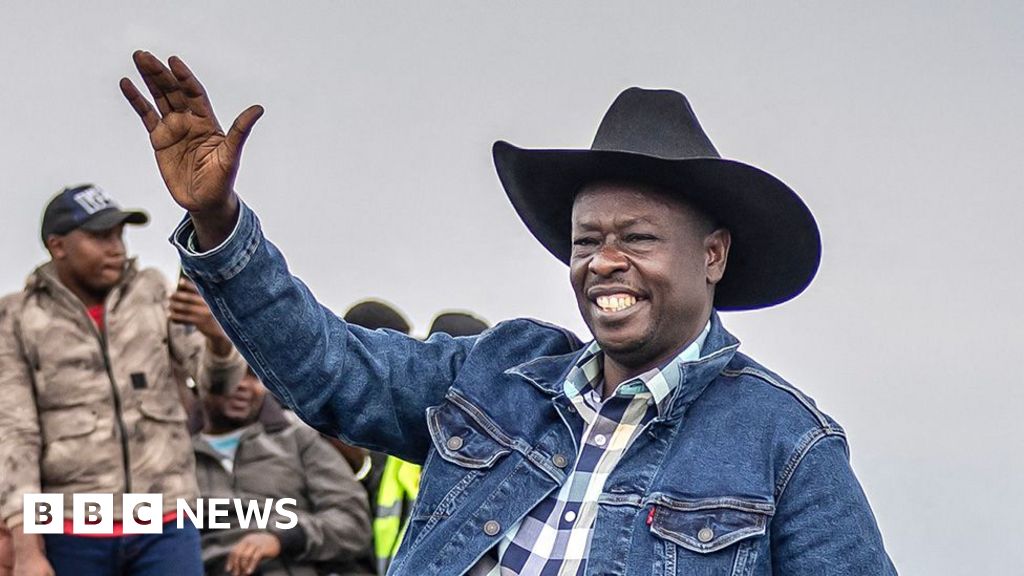
Kenya’s ex-deputy Gachagua accuses attackers of church assassination attempt

The recent chaos in Kenya has sent shockwaves through the international community, revealing the fragile balance of power and the dangerous depths of political division within East Africa’s economic hub. On a tense Sunday in the central county of Nyeri, opposition figure Rigathi Gachagua, a prominent voice critic of the current administration, alleged an attempt was made on his life during a church service. According to Gachagua, rogue police officers attacked his congregation using bullets and tear gas, exemplifying the escalating violence and instability that threaten not only the nation’s security but also its democratic processes. The unfolding drama underscores the troubling trend of political violence in Kenya, especially amid mounting tensions as powerful figures vie for control amidst justice and constitutional constraints.

Gachagua’s accusations, though lacking concrete evidence, have ignited regional and international debates over Kenya’s internal stability. He implicated President William Ruto and questioned whether political factions are deploying security forces against opponents—an assertion fueling fears of political repression and uncontrolled violence. While the police have launched an investigation and reported no injuries, the incident’s symbolism remains sharp. It reveals how political rivalry has become intertwined with societal divisions, with tensions over Gachagua’s recent conviction by the Kenyan senate—an act that bars him from holding public office—increasing strains within a nation still grappling with issues of ethnic division and governance. International observers, including the African Union and Global Human Rights organizations, warn that unchecked violence could undermine Kenya’s progress and stability.

This incident occurs against a backdrop of shifting alliances and constitutional crises in Kenya’s complex political landscape. Gachagua, a wealthy businessman from Mount Kenya and the deputy president before his impeachment, has become a symbol of regional loyalties and anti-establishment sentiments. Despite his conviction on charges including inciting ethnic divisions, he remains a formidable challenger, asserting plans to participate in the upcoming presidential election through an appeal process. His role exemplifies how political figures often challenge constitutional constraints, risking further destabilization. According to prominent analysts, such as regional political commentators and former diplomats, the struggle for influence in Kenya’s volatile yet strategic landscape reflects broader regional power struggles and the fragile state of democratic institutions.

The geopolitical impact of this crisis reaches beyond national borders. Kenya’s stability is pivotal for regional trade, diplomatic relations, and security cooperation, especially with neighboring Ethiopia and Somalia. As analysts warn of the potential for internal unrest to spill over into neighboring countries and disrupt vital economic corridors, the international community remains watchful. The current upheaval also highlights a warning sign—how media, political rhetoric, and unchecked violence may erode democratic norms. Some foreign governments and organizations urge Kenya to safeguard the rule of law and uphold constitutional processes, though critics argue these calls overlook Kenya’s long history of political resilience amid turbulent times. Still, the specter of an emboldened opposition and fractured society underscores how decisions made today will shape the future of East Africa’s most influential nation.

As Kenya’s story unfolds with each legal battle, political confrontation, and societal clash, history’s weight presses heavily on shoulders of leaders and citizens alike. The nation stands at a crossroads—its path determined by a volatile mix of justice, ethnic identity, and power politics—bearing the mark of a collective destiny that remains fluid and unresolved. The world watches as Kenya confronts internal demons, with the outcome poised to echo through generations, a vivid reminder that the currents of history are forever shifting, and the future remains unwritten—yet deeply consequential.

Sagrada Familia in Barcelona Tops Global Charts as World’s Tallest Church

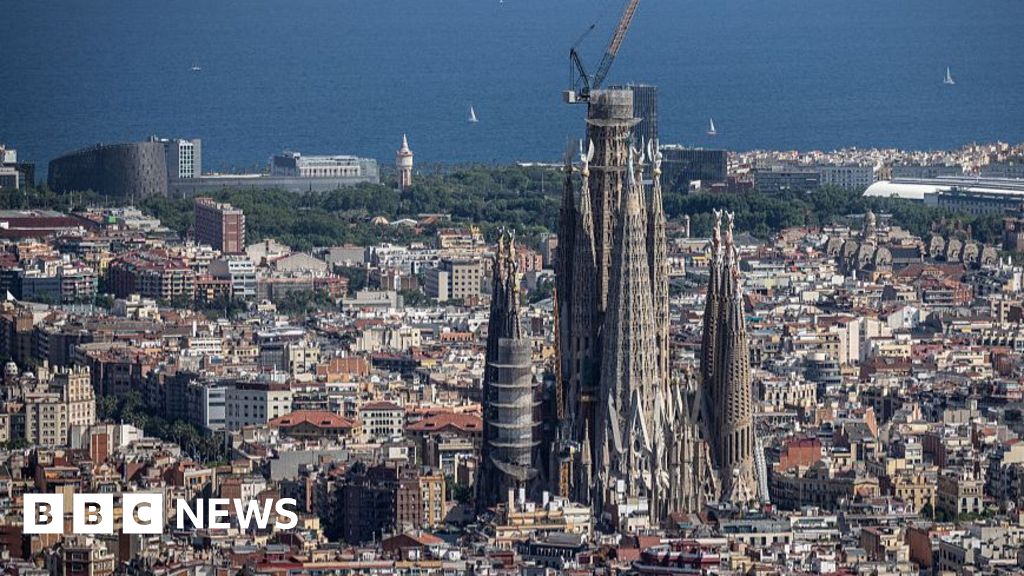
In a stunning showcase of architectural perseverance and cultural pride, the Sagrada Família in Barcelona has officially become the tallest church in the world. Rising to an unprecedented height of 162.91 metres after the placement of the first component of its central cross, this historic basilica has surpassed the Ulm Minster in Germany, which held the record since 1890. Designed by renowned architect Antoni Gaudí, the iconic structure has been under construction for over a century, symbolizing Spain’s resilience and relentless pursuit of grandeur amid geopolitical upheavals and internal challenges.

What makes this achievement especially noteworthy is the long, tumultuous history of the basilica’s creation. Gaudí, whose visionary designs transformed the initial plans into an ambitious masterpiece, tragically died in 1926 with only one of the planned 18 towers completed. Since then, the project has faced myriad obstacles, including the destructive Spanish Civil War, during which anarchists set fire to the crypt, destroying crucial plans and models. Despite these setbacks, the construction persisted, funded primarily through donations from visitors and enthusiasts from around the world, which exemplifies its symbolic importance far beyond mere architecture. International historians and analysts view the Sagrada Família as a testament to human dedication, with many considering it a cultural microcosm of Spain’s resilient national identity.

The recent milestone is viewed by many as a geopolitical emblem of Spain’s cultural revival and national sovereignty, especially amidst ongoing debates over regional independence and identity. The tower’s completion, projected for 2026 to mark the centenary of Gaudí’s death, is accompanied by a series of commemorative events that underscore the importance of preserving Spain’s rich architectural heritage. Yet, the construction’s slow progress, punctuated by the COVID-19 pandemic, highlights the fragility of such long-term national projects in times of crisis. Economic analysts warn that the temporary halt in tourism and funding reflects broader vulnerabilities facing Spain’s economy and cultural institutions, which are often caught in the crossfire of global geopolitical shifts.

As work continues on finishing the building’s decorative sculptures and the stairway leading to its entrance, leaders, historians, and international observers watch with cautious optimism. The Sagrada Família stands not only as an architectural marvel but as an enduring symbol of human aspiration in a world where political boundaries and societal values are constantly shifting. As the tower reaches skyward, so too does the recognition that history’s greatest changes are often born from patience, resilience, and unwavering faith—qualities embodied in this masterpiece, destined to watch over the city of Barcelona for generations to come, as the weight of history itself remains in perpetual motion, forever shaping the destiny of nations and societies worldwide.

Michigan Mormon church shooting leaves 2 dead, many hurt—community shaken

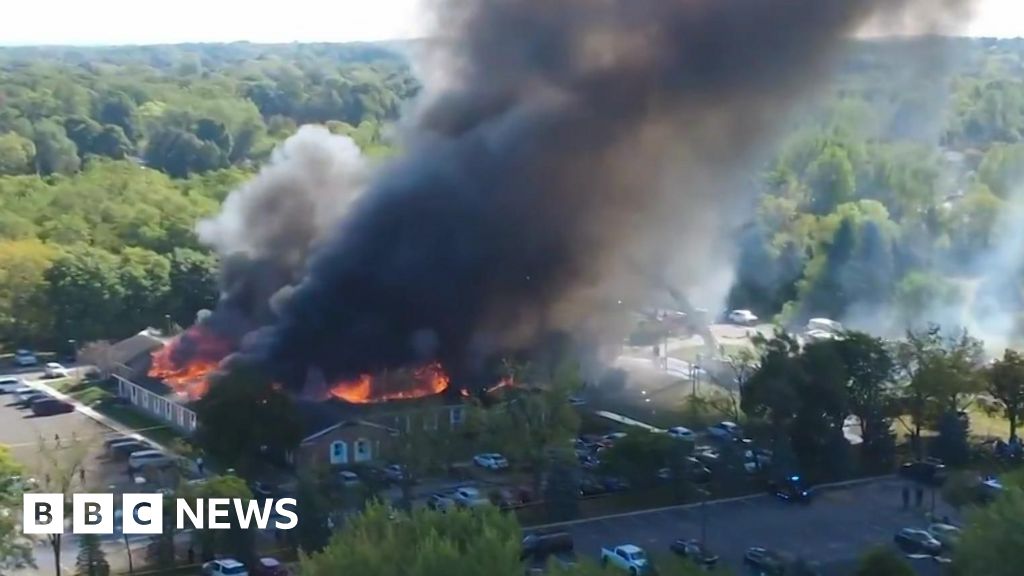
The recent attack on the Church of Jesus Christ of Latter-day Saints in Michigan marks a disturbing trend within the United States that extends beyond its borders, highlighting an alarming rise in domestic violence incidents targeting religious institutions. According to authorities, a 40-year-old suspect, identified as Thomas Jacob Sanford, drove a vehicle into the church during a Sunday service, subsequently opening fire with an assault-style rifle. The incident resulted in at least two fatalities, with several more wounded, illustrating the stark reality of violence that continues to threaten societal stability. While immediate law enforcement responded swiftly, the attack underscores deep-rooted issues concerning urban violence and mental health crises, which many analysts warn are exacerbated by ongoing social and political divisions.

  • Authorities confirmed the suspect was shot dead by police within minutes, yet the chaos left a trail of destruction and trauma. The warning signs ahead of such tragedies are often overlooked; in this case, investigators are examining Sanford’s property and phone records, seeking to understand his motives. This event is not an isolated anomaly but part of a disturbing pattern that has seen places of worship become targets, as highlighted by U.S. President Donald Trump—who described the attack as “yet another targeted attack on Christians in the United States of America.”
  • Notably, the FBI has deployed 100 agents to aid in the investigation, reflecting the seriousness with which U.S. authorities are treating the incident. The immediate response and investigation demonstrate a state apparatus that remains committed to defending its citizens, but the question remains: at what cost does this security come, and how does it reshape societal perceptions of safety? Historians and security experts warn that such tragedies threaten to ignite a cycle of fear and mistrust, especially when linked with ideological or psychological motives.

The geopolitical implications of domestic violence are often underestimated, yet they carry profound consequences on the international stage. The United States, as a global leader, faces increasing scrutiny over its internal stability, with foreign observers questioning whether such internal fissures weaken its influence abroad. The rhetoric from national leaders, while aimed at unity, often grapples with the realities of a society frayed at the seams. Prominent voices—including analysts from international organizations—note that these violent episodes threaten to undermine America’s moral authority and global credibility, especially as conflicts elsewhere continue to escalate.

Furthermore, the incident in Michigan reignites debates surrounding gun control legislation and religious freedom. Critics argue that such violence is symptomatic of a broader cultural crisis, where ideological extremism and mental health neglect fuel these tragedies. The escalating violence in public spaces echoes concerns voiced by historians warning that repeated cycles of violence could reshape national identity, stretching the fabric of societal cohesion. As investigations continue and communities grieve, the world watches — ponderously aware that each event, each line in history, can alter the delicate balance of peace and chaos.

Ultimately, as history unfolds in real time, the tragedy in Michigan is more than a local crime; it is a stark reminder of the enduring struggle for moral clarity amid suffering, and the choices nations face when confronting internal divisions. The weight of this moment rests not just on the lives lost or wounded but on the collective resolve to confront a rapidly changing world with resilience and resolve. As the world turns its gaze toward the horizon, the question remains—how will nations and societies respond when the shadows of violence stretch ever longer? The answer awaits in the coming days, shaping the legacy of now amidst the unceasing march of history.

Multiple shootings target Mormon church in Michigan and bar in North Carolina — rising crime concerns alarm Americans

In a weekend marked by violence from the United States, a renewed focus has been cast upon the nation’s internal stability and the far-reaching geopolitical implications of its ongoing crisis of law and order. Multiple incidents, spanning from a heinous shooting at a Mormon church in Michigan to a series of gun-related tragedies across states, have resulted in widespread fatalities and injuries. The crisis of violence exemplifies the deep-rooted societal challenges that threaten to undermine America’s global standing, especially as the nation grapples with internal discord and calls for reform.

Among the most harrowing events was the targeted attack during a waterfront gathering in North Carolina, where a suspect piloted a boat to attack civilians with premeditation. Authorities identified Nigel Edge, of nearby Oak Island, as the perpetrator, who now faces a cascade of charges including multiple murders and attempted murders. The incident, described by police as “highly premeditated,” underscores a disturbing trend of organized violence that erodes public trust. Such acts of terror are increasingly viewed both as symptomatic of domestic instability and as potential catalysts for international concern, prompting analysis from security experts and international agencies.

Meanwhile, in Texas, a separate shooting at the Kickapoo Lucky Eagle casino resulted in the deaths of two individuals and injuries to several others. Law enforcement has yet to determine a motive, leaving the nation’s porous gun laws and escalating violence under scrutiny. The complications are compounded by ongoing debates in Congress where political deadlock hampers substantive reforms. Many international bodies, including the United Nations, have issued warnings that continued internal unrest could embolden adversaries and weaken America’s diplomatic clout. These events serve as a stark reminder of how internal weaknesses ripple outward, presenting vulnerabilities that rival states might exploit in pursuit of strategic gains.

The global community watches closely as the United States confronts its internal crisis—an example of how fragile stability can be in an era of widespread societal division. Critics point to the failure of legislative bodies to implement meaningful gun control, arguing that this not only compromises domestic safety but also tarnishes America’s image as a beacon of liberty and rule of law. As historian Dr. Patricia Mullen notes, “The inability of Congress to address structural issues reflects a broader decline in political cohesion, with consequences extending well beyond its borders.” The United States’ internal discord now threatens to reshape international alliances and influence global markets, especially as nations seek to position themselves around the emerging vulnerabilities of their superpower neighbor.

The unfolding of this violence-ridden weekend hints at a future where internal instability could serve as a turning point in global geopolitics, demanding vigilance and decisive action from leaders worldwide. The question remains: how much longer can a nation of such profound internal fractures project strength abroad before history’s weight finally compromises its global influence?

Social Media Auto Publish Powered By : XYZScripts.com