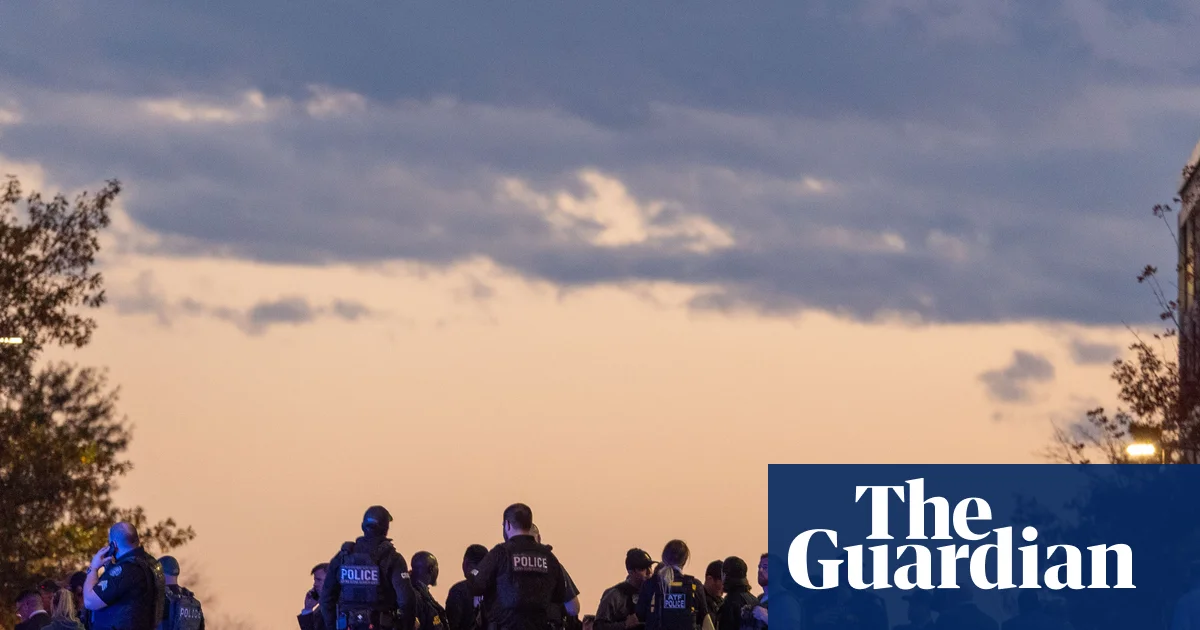

The recent shooting in Washington DC that injured two members of the National Guard has sent shockwaves through the political and security establishments of the United States. As authorities scramble for answers, it has emerged that the suspected assailant, Rahmanullah Lakanwal, has ties to the CIA-backed military operations in Afghanistan. According to official sources, Lakanwal, 29, arrived in the U.S. under the Operation Allies Welcome program—a controversial effort enacted by the Biden administration to expedite the resettlement of Afghans who had worked for the U.S. government in the war-torn nation. The revelation underscores a complex and contentious chapter in U.S. foreign policy: the repercussions of policies aimed at integrating former allies into American society, which in this case, appears to have possible unintended consequences for national security.
Analysts and international security experts warn that the connection between the suspect and US military operations in Afghanistan raises significant questions about vetting processes and the oversight of those who enter the country. John Ratcliffe, the CIA director, confirmed the suspect’s ties to the agency, elaborating that Lakanwal served in a CIA-backed unit in Kandahar. The turning point here is clear: despite efforts to use assimilation policies as a tool of soft power and diplomacy, there remains an undercurrent of risk stemming from the chaos that marked the withdrawal from Afghanistan. The fact that the FBI has labeled this as an act of terrorism highlights America’s ongoing struggle to confront the ideological and security threats emerging from its recent foreign engagements. Law enforcement is now investigating whether individuals linked to Lakanwal also pose a broader threat in the U.S., as American society increasingly grapples with questions about national loyalty, immigration, and security.
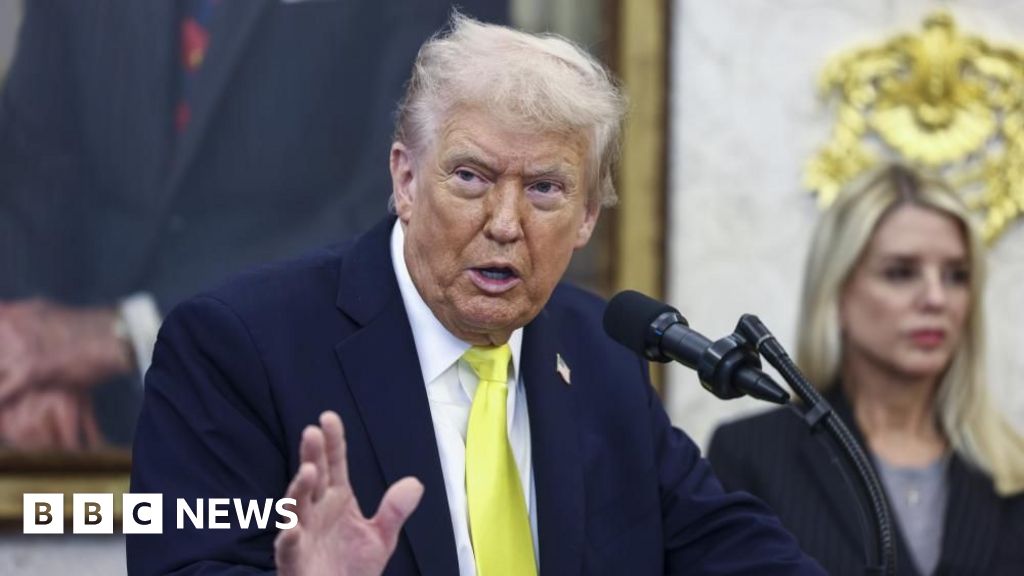
The incident has not only reignited fears about domestic terrorism but has also prompted a fierce political debate about immigration and border security. President Donald Trump, already vocal in condemning recent immigration policies, ordered an additional 500 troops to fortify the District of Columbia. In his statement, he called the attack an “act of terror” and launched a pointed critique of current immigration protocols, asserting that immigration remains “the single greatest national security threat”. This stance aligns with a broader conservative narrative emphasizing strict vetting and the need for stronger security measures. Meanwhile, city officials, including Mayor Muriel Bowser, have criticized the federal government’s handling of security, underscoring a political divide that persists in interpreting how best to safeguard Americans from threats both foreign and domestic.
International organizations and scholars have expressed concern over the broader geopolitical impact of this incident. The Washington shooting underscores the delicate balance that the U.S. must strike: integrating allies from conflicted regions without compromising national security. The pause in processing Afghan immigration applications by the U.S. Citizenship and Immigration Services reflects the gravity of the threat, but critics argue that it could hinder genuine efforts to resettle those fleeing violence. The investigation’s scope, which involves finding any overseas associates of Lakanwal, hints at a wide-reaching network that could threaten American interests at home and abroad. Historically, similar incidents have demonstrated how quickly the lines between foreign policy, immigration, and national security can blur—warnings of a future where the chaos of war follows the warriors it turns into.
As the nation confronts the aftermath of this violent act, the weight of history remains profound. The unfolding investigation will test the resilience of America’s security apparatus and the efficacy of policies designed to vet and integrate foreign nationals. With tensions rising and the specter of lone-wolf terrorism looming, the question remains: how many more scars of foreign or domestic conflict must be inflicted before definitive answers are found? Under a sky dark with uncertainty, the story of this attack—like countless others before it—becomes a fragment of a larger, ongoing narrative. A nation once again faces the challenge: will it succumb to fear, or will it rise, vigilant, toward a future shaped by the decisions made today in the shadowy corridors of power?