Matox News

Truth Over Trends, always!

LA City Council Member Nithya Raman announces run for mayor—young voices, new leadership

Los Angeles’s Urban Crisis: A Mirror of Global Urban Struggles

The upcoming Los Angeles mayoral race underscores a broader narrative of urban decay spreading across major cities worldwide, with local leaders grappling with crises that threaten the social fabric and economic stability of their communities. In her campaign launch, City Council member Nithya Raman highlighted the profound challenges facing LA—a city renowned for its glamour yet fractured by severe issues such as housing shortages, homelessness, and rising crime. Her critique reflects a mounting global concern: how to restore opportunity and safety amidst relentless urban stressors.

As LA faces these internal crises, analysts note the geopolitical impact of such local governance struggles. Cities like LA serve as bellwethers for national stability since their economic and social health directly influences regional and even international perceptions of a nation’s resilience. The debate over building sufficient affordable housing and holding city departments accountable is not merely local politics—it signals a broader battle over sovereignty, economic policies, and the capacity of governments to respond to crises generated by rapid urbanization and demographic shifts. Countries across the world observe these developments intently; urban crisis management increasingly becomes a test case for global governance models rooted in federal and municipal cooperation.

Global Echoes: Urban Leadership and International Sociopolitical Shifts

  • Raman’s emphasis on building too little and too slowly echoes similar struggles in European and Asian megacities, where bureaucratic inertia hampers essential infrastructure development.
  • The recent rise of Yimby movements and progressive policies like upzoning in LA reflect a global push toward more equitable urban planning, often facing stiff resistance from entrenched interests and local communities wary of change.
  • Meanwhile, the city’s debate on homelessness and crime echoes in capitals worldwide, revealing how urban decay feeds societal unrest and tests the limits of law enforcement and social welfare programs.

Global institutions such as the United Nations and World Bank increasingly recognize urban health as a critical factor in stability and development. Yet, voices like Raman and local activists challenge a broader narrative: Are Western cities failing to adapt and innovate in governance? Her campaign’s focus on urgent action—a reflection of societal frustration—serves as a call for international attention to the governance failures that transcend borders. The homelessness crisis, housing affordability, and public safety are enduring issues that, if unresolved, threaten to erode public trust and social cohesion on a global scale.

Decisive Moments for the Future of Urban Governance

The Los Angeles mayoral race is more than just a local election; it embodies the tense crossroads at which an increasingly urban world must decide its priorities toward sustainability, security, and social justice. Raman’s entry into the race, her associations with advocates of rapid housing expansion, and her challenge to the incumbent Karen Bass symbolize a broader ideological contest—one that pits progressivism against established political establishments. Her campaign signals a potential shift in leadership paradigms, grounded in accountability and urgent reform.

Meanwhile, the geopolitical implications extend beyond city borders. The recent immigration raids and federal policies underscore external pressures that affect urban governance. As cities become battlegrounds for national identity, policy direction, and economic survival, the world’s eyes are on Los Angeles as a test case: can a city regain its sense of opportunity and safety? Will policymakers learn from LA’s local struggles and adapt strategies to foster resilient urban societies worldwide, or will they capitulate to the chaos of neglect and bureaucratic paralysis? The outcome of this political contest could set a precedent, echoing through the corridors of global power and shaping the future of urban living for generations to come.


Chicago Mayor demands probe into suspected illegal ICE operations in the city

Chicago’s Bold Stand: A Microcosm of the U.S. Immigration and Federal Power Battle

In a move that underscores the escalating tensions between local authority and federal enforcement, Chicago’s mayor Brandon Johnson has launched a direct challenge against the federal government by instructing police to investigate and document alleged illegal activities by ICE agents within the city. This decision, encapsulated in the order titled ICE on Notice, positions Chicago as a leader among American cities resisting what many analysts characterize as overreach by federal immigration authorities. The mayor’s declaration that “nobody is above the law” underscores a broader pushback against federal statutes perceived as infringing on local sovereignty — a confrontation that resonates across the United States and signals a potential realignment of power dynamics within the nation’s federal system.

This local initiative arrives amid profound judicial and political currents. Just days prior, a federal judge rejected Minnesota’s attempt to block continuing immigration crackdowns, dismissing arguments that such initiatives violate the 10th Amendment— a landmark ruling reinforcing federal supremacy over state powers in immigration enforcement. The federal government maintains that immigration is a matter under its exclusive jurisdiction, often citing national security and border integrity. Yet, Chicago’s stance exemplifies a rapidly growing resistance from cities that believe their political and social fabric cannot be compromised by federal incursions. With activists and local officials asserting that federal operations have violated rights and destabilized communities, Chicago’s move is likely to inspire similar measures nationwide, sparking a new chapter in the ongoing debate over sovereignty and law enforcement authority.

Engineering a New Geopolitical Battlefield

  • Chicago’s executive order aims to formalize police procedures for monitoring and potentially challenging federal agents engaging in operations deemed illegal or excessive.
  • It underscores the importance of local oversight in an arena traditionally dominated by federal agencies, such as ICE and CBP.
  • Officials argue that federal immigration operations have infringed on community rights and have been shielded from accountability — unleashing a wave of protests and legal battles that further complicate the fabric of American federalism.

International scholars and think tanks now watch this dynamic with heavy interest, as such local crises threaten to reshape the geopolitical landscape of the United States. Universities like Harvard and analysts from the Council on Foreign Relations have indicated that America’s internal power struggles could weaken the country’s global standing. When local governments challenge federally defined borders of authority, it weakens the perceived stability of the U.S. constitutional order, creating ripples that extend well beyond national borders. With immigration policies at the center of this storm, some international partners and competitors see an opening to question America’s credibility on the world stage, especially as internal divisions deepen and civil unrest simmers.

Implications for Society and Future Governance

At the societal level, Chicago’s move and the broader resistance against federal immigration initiatives symbolize a fierce assertion of local interests and a pushback against perceived federal tyranny. City officials have voiced concerns that increased ICE operations have escalated conflicts, risked constitutional rights, and strained community relations. Their efforts to curb federal overreach by asserting local authority could establish a precedent for other cities, catalyzing a decentralization of immigration enforcement and lawmaking.

Meanwhile, President Biden‘s administration and federal agencies remain committed to asserting federal supremacy, citing the need for uniform national policies. But as politicians on both sides of the aisle debate the constitutional boundaries, the seeds of a constitutional crisis plant themselves deeply within American politics. Historically, such conflicts tend to accelerate societal polarization and threaten the stability of the nation’s constitutional order, especially when key states and cities challenge federal authority. The ongoing power struggle foreshadows a potential transformation of America’s political landscape, where sovereignty is increasingly fragmented, and the global image of a unified nation begins to fracture.

As this narrative unfolds, the underlying questions loom large: Will the tide of decentralization weaken the legal fabric holding the republic together? Or will federal authority tighten its grip, leading to a defining clash for the future of American governance? The echoes of history remind us that moments of profound transition are often marked by chaos and upheaval — a stark reminder that the course of a nation’s destiny is, in many ways, still being written, with each decision leaving an indelible mark on the pages of history.

City & Guilds Privatisation: Big Bonuses Raise Questions About Fairness and Society

In recent months, a wave of controversy has cast a stark light on the opaque dealings within influential educational and charitable institutions. The controversy centers around the secretive sale of City & Guilds, a cornerstone in vocational training, which was executed without parliamentary debate or meaningful public oversight. This alarming breach of transparency underscores a broader erosion of societal trust in institutions that shape the future of our youth and communities. High-ranking officials, including the chief executive, Kirstie Donnelly, and CFO, Abid Ismail, received exorbitant bonuses totaling over £3 million at the moment of privatization—an act that raises grave questions about moral responsibility and accountability amidst societal inequality.

Such developments do not occur in a vacuum; they echo a dangerous trajectory where social inequities deepen, affecting not just individual careers but the very fabric of families and communities. The role of social commentators and sociologists, like Dr. Jane Collins, suggests that these scandals symbolize broader democratic deficits—a society where elites manipulate systems for personal gain, often at the expense of those most in need. The recent investigations initiated by the Charity Commission, PeopleCert, and the qualifications regulator Ofqal serve as needed checks on excess. Yet, they also reveal the underlying challenge: how do communities ensure that public assets and educational resources are truly directed toward societal good? The issue becomes even more pressing when considering that City & Guilds, once a charitable entity, now controls assets worth up to £200 million—resources that could be transformative if allocated responsibly.

Amidst the scandal, significant questions about moral integrity and social responsibility arise, especially concerning figures like Dame Ann Limb, whose role as chair has come under scrutiny. Recently announced to step down and take a peerage, her false claims of academic credentials and substantial political donations highlight the challenges of trust and legitimacy in leadership forms that influence society’s moral compass. As the guardians of social progress, families and communities are left pondering whether those in positions of influence recognize their duty to uphold the ethical foundations of society. These events serve as a brutal reminder that every social institution must be rooted in transparency, genuine service, and accountability if they are to restore public faith and foster equitable social mobility.

Ultimately, society faces the ongoing task of confronting its deepest social fissures—demographic shifts, cultural tensions, and the widening gap between the privileged and the disadvantaged. Yet, even in the face of these formidable challenges, hope persists. The fight for accountability and moral renewal is ongoing, threading the aspirations of youth and the resilience of families committed to societal betterment. In this intricate dance of societal transformation, perhaps the most potent force is the collective will to demand change—an acknowledgment that societal justice begins with transparency and ends in the empowerment of every individual, regardless of their background. As history reminds us, foundations rooted in integrity—though tested—can be reshaped to build a society that truly reflects the values of fairness, opportunity, and human dignity.

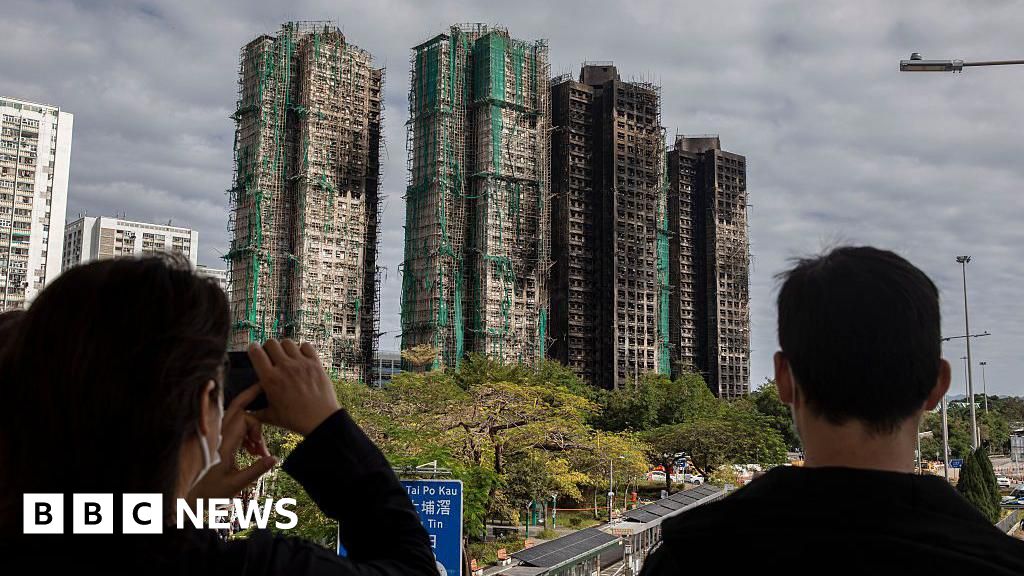
Hong Kong Votes Amid Tragedy: City Still Reeling from Deadly Blaze

Hong Kong’s Electoral Drama Unfolds Amidst Tragedy and Tightened Grip

As Hong Kong gears up for its latest election for the Legislative Council (LegCo), the city finds itself caught in a confluence of political control, societal tension, and recent tragedy. The election, slated for 26 November, serves as a crucial barometer of public sentiment—yet, beneath the surface lurks a deeper story of Beijing’s tightening grip on the former British colony. Since Beijing’s sweeping electoral changes in 2021, orchestrated to cement pro-Chinese loyalty, participation has plummeted, with just 30% voter turnout last cycle—a reflection not merely of apathy but of targeted suppression of dissenting voices.

A Response to National Security and a Suppression of Dissent

All candidates contesting this year’s LegCo have been strictly vetted, ensuring only those loyal to China are permitted to stand, effectively marginalizing opposition parties and pro-democracy advocates. According to analysts from international think tanks and statements from Beijing’s officials, the reform was deemed essential to restore “stability” following the tumult of the 2019 protests. Yet critics interpret this overhaul as a deliberate neutering of Hong Kong’s semi-autonomous institutions, undermining democratic principles and silencing protests. The recent crackdown following the Tai Po fire—Ironically, a disaster that claimed nearly 160 lives—exemplifies this approach. Authorities have detained those seeking independent inquiries and taken swift measures such as banning public dissent, further entrenching the narrative of an unyielding, if not increasingly authoritarian, regime.

The Fire, the Aftermath, and the Political Repercussions

The devastating fire at the Wang Fuk Court—Hong Kong’s worst in over 70 years—has reshaped the political landscape. Rescue efforts spotlighted deficiencies in building safety standards, exposing the vulnerabilities of aging infrastructure and igniting anger among residents. In response, authorities created an independent committee to investigate and have already made arrests, including those of suspected manslaughter, ostensibly to demonstrate accountability. However, the swift move to clamp down on dissent—detaining a petition signer for sedition and removing related internet content—illustrates how even tragedy is politicized to serve the regime’s interests. The incident has temporarily suppressed electoral campaigning, with protests and carnivals canceled, as the government seeks to mold public perception and demonstrate control.

Government Messaging and the Future of Hong Kong

Despite the turmoil, the government, led by Chief Executive John Lee, insists that the elections will proceed as planned. The narrative promoted by Beijing and Hong Kong’s authorities hinges on framing participation as a patriotic duty—an act of love and responsibility for the city’s future. State propaganda, including animated mascots and a catchy campaign theme, aims to rekindle voter enthusiasm, especially among pro-establishment supporters. Yet many analysts, including Hong Kong-based political scholars, predict the vote will reflect resignation rather than genuine support. The significant departure of seasoned lawmakers—particularly those over 70, like Regina Ip, nicknamed the “Iron Lady”—further signals an erosion of traditional political resistance. Pressure from Beijing has unofficially encouraged these retirements, consolidating an already tightly controlled political arena.

In this moment, as Hong Kong navigates the aftermath of tragedy and political repression, the city’s story remains fluid—an unresolved chapter shaping an uncertain future. The balancing act between suppression and the silent yearning for true autonomy leaves the world watching, with history bearing witness to whether Hong Kong can forge a new path or capitulate entirely to the evolving grip of a command-driven empire. The weight of these decisions stretches across generations, and the outcome will undeniably echo through the annals of history, leaving a question hanging in the air: What kind of future will emerge from these ashes?

New streaming channel puts city hall in the spotlight for Gen Z viewers

Emerging Tech Innovator Hamlet Catalyzes Transparency in Local Government

In a groundbreaking move that exemplifies the fusion of technology, civic engagement, and business disruption, Sunil Rajaraman has launched Hamlet TV, a streaming platform designed to democratize access to local government proceedings. Building upon the initial idea rooted in his personal experience of running for city council in a small California town, Rajaraman recognized a critical gap—the opacity and inaccessibility of municipal meetings. His company leverages advanced artificial intelligence (AI) to transform hours of city council videos into actionable intelligence, disrupting traditional legislative transparency and setting a new standard for civic accountability.

This innovative approach is not merely about convenience; it challenges entrenched industry norms. By processing and curating hours of recordings, Hamlet offers stakeholders—including local journalists, political actors, and private enterprise—the ability to search, analyze, and even receive alerts on relevant decisions or mentions. The platform’s features exemplify the potential for AI-driven data synthesis to revolutionize local governance transparency:

  • Real-time agenda tracking for target cities
  • Post-meeting summaries for efficient review
  • Searchable video archives to locate specific mentions or discussions

Industry analysts see Hamlet’s platform as a catalyst for market disruption—challenging the conventional meeting minute documents and increasing civic accountability through technology. Experts like Gartner emphasize that such innovations are pivotal in redefining how citizens and businesses interact with local governments, ultimately creating a more informed and engaged electorate.

Amplifying Civic Engagement Through Content and Community Building

Expanding beyond enterprise applications, Rajaraman’s strategy involves deploying Hamlet TV across various social media platforms, including TikTok, YouTube, Instagram, and AppleTV. This move underscores a broader trend of engaging younger audiences—those who are often disillusioned or disengaged from traditional civic processes. By showcasing highlight reels, humorous moments, and compelling stories from local meetings, Hamlet TV aims to make governance more accessible and relatable, a tactic that could redefine civic education and awareness.

Rajaraman stated that his team has processed thousands of hours of government meetings, curating moments that resonate with viewers—such as a city council meeting where a person dressed as a cockroach addressed pest issues. These instances reflect the platform’s potential to make civic proceedings compelling, an essential step in tackling what MIT researchers refer to as the ‘democracy deficit’. The focus on humor and human stories could significantly sway public perception, encouraging greater participation and oversight, vital as the social fabric of democracy faces mounting challenges.

Business Implications and Future Outlook

While Rajaraman admits that Hamlet may not become a dominant revenue generator, the broader business implications are unmistakable. By offering tools to local journalists and advocacy groups for free, his emphasis remains on creating a civic tech ecosystem that fosters transparency and accountability—traits critical in an era of increasing misinformation and political apathy. Moreover, plans to collaborate with entities in government affairs, advocacy organizations, and renewable energy sectors reflect an understanding that technology-driven transparency can translate into tangible policy and economic impacts.

Looking ahead, industry leaders like Elon Musk and Peter Thiel have long advocated for disruptive technologies that reimagine societal structures. Hamlet’s innovative approach aligns with this vision—disrupting the status quo and empowering citizens at the ground level. As AI and data analytics continue to evolve, the potential for such platforms to influence market behavior, regulatory policies, and democratic participation is immense. The key will be scaling these innovations quickly enough to keep pace with the fast-changing political landscape, making timely information the new currency of effective governance. The urgency to embrace such technological disruption has never been greater, setting the stage for a future where transparency and civic engagement are propelled by the relentless march of innovation.

Uber and WeRide launch Abu Dhabi’s first truly driverless robotaxis—ready to revolutionize city transit

In a landmark development for autonomous mobility, Chinese autonomous vehicle firm WeRide and Uber have officially transitioned their Abu Dhabi robotaxi service from testing to driverless operations, marking a significant milestone in global AV deployment. After a year of rigorous testing and regulatory approvals—highlighted by WeRide’s recent federal permit from the UAE—the service now operates entirely without human safety operators, opening a new era of disruption for urban transportation. This move not only demonstrates the technological maturity of Chinese AV startups but signals a strategic push by Uber to cement its position in emerging autonomous markets outside North America and China.

The service, launched on Yas Island—home of high-profile events like the Abu Dhabi Grand Prix—represents an extension of Uber’s broader vision to scale driverless transportation across multiple regions. Similar to Uber’s partnership with Waymo in Austin, the Abu Dhabi operation leverages local regulatory advances and robust integration with Uber’s core app infrastructure, allowing users to opt into fully autonomous rides with a simple toggle. This reflects a fundamental shift—marking not just a technological breakthrough but an industry-wide disruption poised to commoditize premium mobility. Uber’s strategy exemplifies a new chapter where autonomous fleets could eventually supplant traditional ride-hailing, creating a more efficient, cost-effective model for urban mobility.

Market analysts like Gartner and MIT’s Transportation Lab highlight that Uber’s recent and anticipated autonomous deployments foreshadow a transformative effect on the transportation industry—particularly in how urban congestion, safety, and operational costs are managed. Uber’s extensive partnerships with over 20 AV companies—including May Mobility, Volkswagen, and leading Chinese firms such as Pony.ai and Baidu—underline its ambition to diversify its portfolio of self-driving applications. The company’s move into major markets like Abu Dhabi and future plans for cities such as Dubai underscore a competitive environment where disruption is accelerating: traditional taxi and ride-hailing revenues are under imminent threat, giving way to a new autonomous paradigm.

The business implications of these advancements extend beyond mobility. Uber’s strategic alliance with AV tech firms has laid a foundation for revenue streams in micro-mobility, logistics, and even freight—areas where autonomy promises exponential cost reductions and operational agility. With Uber CEO Dara Khosrowshahi openly forecasting deployments in at least ten cities by 2026, the competitive landscape is set to intensify. Disruption in urban transit markets is expected to accelerate as these innovations crack the code on safety, scalability, and regulatory hurdles—factors that have traditionally slowed adoption. This aggressive rollout trajectory not only promises economic rewards for early entrants but positions Uber as a pivotal player shaping the future of how societies mobilize.

Looking ahead, the next 12 to 24 months will be critical in determining whether these autonomous innovations can achieve the widespread adoption necessary to redefine urban landscapes. Emerging markets like the Middle East—with their rapid development goals and openness to cutting-edge solutions—are emerging as fertile testing grounds for AV commercialization, signaling a global shift toward disruptive mobility. As industry giants and startups race to perfect driverless technology, the urgency for regulators, investors, and consumers to adapt to this evolving landscape intensifies. The question remains: will the tipping point arrive sooner than expected, ushering in a new era of disruption, or will technical and regulatory challenges delay mass adoption? Given the current pace, it is clear that the future of transportation is not just approaching—it is already here.

Mumbai Families Fret as Data Centres Keep the City Burning Coal—A Tech Crisis for Our Youthful Future

In the bustling streets of Mumbai’s Mahul district, a stark reality unfolds. Kiran Kasbe, a 36-year-old rickshaw driver, navigates through streets lined with produce stalls and choking smog-filled air. This thriving, yet heavily polluted neighborhood exemplifies the complex intersection of urban growth and environmental degradation. Mahul’s residents face serious health challenges—Kasbe’s own mother, who arrived there after her home was demolished, was diagnosed with brain cancer amidst polluted surroundings. Such stories reflect a broader narrative of how economic development often brushes up against the imperative to preserve public health and sustainability.

Meanwhile, India’s rapid push to transform its economy into a global hub for artificial intelligence is fueling an unprecedented data centre boom, especially in mega-cities like Mumbai. Leaked records show that Amazon, one of the world’s largest data centre operators, used 16 facilities within Mumbai alone in 2023—a significant increase from the three zones they publicly acknowledge. This acceleration highlights a broader trend: as digital infrastructure expands, so does the demand for energy. Critics like Bhaskar Chakravorti of the Fletcher School warn that this surge is pushing India’s commitment to a green transition to the brink. The paradox is evident. Tech giants attract applause for green energy claims, yet the reality signals a clash with climate goals—amplified by the exponential growth of datacentres requiring monstrous energy inputs that often rely on polluting energy sources.

Specifically, the rapid expansion of datacentres—most notably those operated by Amazon—has resulted in a paradoxical situation in Mumbai. Sources estimate that Amazon’s 2023 datacentre operations consumed enough electricity to power over 400,000 households annually, with forecasts indicating that such centres could command a **third of the city’s energy** by 2030. In this pursuit of digital dominance, the region’s existing energy infrastructure—comprised of Tata’s coal plants and Adani’s power stations—has been extended well beyond their planned shutdown dates, citing increasing demand from these very datacentres. Yet, this reliance on fossil fuels has transformed parts of Mahul into what local residents call a “toxic hell,” plagued by air pollution, chemical factories, and environmental neglect. Diesel generators powering these datacentres further exacerbate the crisis, making air quality even worse and threatening public health—especially for those living in proximity to these high-energy facilities.

  • Prioritize understanding the true environmental cost behind digital infrastructure
  • Support policies that incentivize renewable energy for urban tech developments
  • Encourage tech giants to adopt more transparent sustainability practices
  • Recognize that economic growth should harmonize with public health and environmental stewardship

As cities like Mumbai grapple with the tension between rapid technological progress and environmental sustainability, it becomes clear that the path forward is as much about redefining growth as it is about innovation. India’s story embodies a larger truth that resonates beyond its borders: true progress entails a balanced embrace of technology and wellness, ensuring that the pursuit of prosperity does not come at the expense of public health or ecological integrity. For today’s youth—ambitious, aware, and ready to lead—the challenge lies in advocating for a vision where lifestyle and sustainability are not mutually exclusive but are woven together into a collective journey of responsible development. As history reminds us, society’s greatest achievements are those that uplift the wellbeing of its people today while safeguarding the world for generations to come.

Time Out names the coolest neighborhood of 2022—where young, stylish locals are redefining the city vibe

Embracing Local Vibes: The Hidden Gems Shaping Our Lifestyle

Travel isn’t just about crossing destinations off a bucket list; it’s an immersive journey into the essence of local culture, cuisine, and community. As modern explorers, we’ve brushed past the typical tourist traps, seeking instead the neighborhoods that pulse with authenticity—those that provide a deep **personal impact** on our health, leisure, and inspiration. Thanks to thought leaders like Time Out and cultural curators worldwide, a curated list of the world’s coolest neighborhoods now guides us toward these vibrant, less-trodden paths.

At the top of this list is Colonia Americana in Guadalajara, Mexico. Here, art deco terraces intertwine with warehouse venues, fuelling a **boundary-pushing creative community**. Such neighborhoods aren’t just picturesque—they become catalysts for personal growth, inviting us to indulge in local culinary innovations and revel in nightlife that invigorates the soul. Guadalajara’s burgeoning scene exemplifies how authentic, independent hotspots can transform a city’s identity, inspiring visitors to embrace new ways of living.»

Following closely is Cais do Sodré in Lisbon, Portugal. Once famed solely for its lively nightlife, this riverside neighborhood is now a **foodie’s paradise**, showcasing Lisbon’s promising young chefs and innovative dining experiences. For the youth seeking wellness and inspiration, exploring such areas means reconnecting with the vibrant energy of emerging talent and authentic cuisines—elements proven to boost *mental well-being and creative vitality*. As wellness expert Dr. John Lee emphasizes, our environment directly influences our *state of mind*—neighborhoods like Cais do Sodré remind us that vitality can be found in the simplest pleasures, like a well-crafted meal or a spirited street conversation.

Not limited to Europe and North America, the list spans global cultural tapestries. Wat Bo Village in Siem Reap, Cambodia, has undergone a **’serious glow-up**, becoming a social enterprise hub that empowers women through local organic cuisine and boutique hospitality. Such transformations highlight the importance of engaging with LOCAL initiatives that align with the \underline>shift towards conscious, wellness-driven lifestyles. They also serve as inspiration for young individuals aspiring to make meaningful *personal impacts* through travel and cultural appreciation.

  • Seek neighborhoods with independent eateries and creative spaces—these foster community connection and mental wellness.
  • Prioritize areas with local social enterprises—support small businesses that empower and uplift communities.
  • Focus on destinations that balance leisure with cultural authenticity, creating a holistic experience.

As highlighted by Times Out, exploring these less conventional neighborhoods offers a treasure trove of experiences—many within a walkable distance—that inspire adventurous spirits to immerse themselves fully in their journeys. Whether wandering through Shimokitazawa in Tokyo or strolling along Rue Julien in Marseille, travelers can unlock a renewed sense of purpose and *well-being*. Unlike homogenized tourist hubs, these neighborhoods stand as testaments to the power of local culture and independent enterprise in shaping a vibrant, healthy lifestyle for the younger generation eager to forge their own paths.

And so, the journey continues—not just across borders, but inward. To discover not only the hidden nooks of the world but also the untapped reservoirs within ourselves—where curiosity, community, and purpose intertwine. In embracing these unique neighborhoods, we embrace a lifestyle dedicated to wellness, authenticity, and *the pursuit of personal inspiration*. As the philosopher Rainer Maria Rilke once suggested, “The only journey is the one within.” Keep exploring. The world—the true one—is waiting for you to find your place in it.

Russia Targets All of Kyiv, Igniting Fires Across the City

Russian Escalation in Ukraine Sparks Global Concerns

In what analysts are now describing as a conspicuous escalation of the ongoing conflict, Russia launched a massive combined attack on Kyiv early Friday, striking multiple districts across Ukraine’s capital. The assault, involving drones and missile systems, resulted in fires, destruction, and at least 11 casualties, including civilians and vulnerable populations such as a pregnant woman. City officials confirmed widespread damage to residential buildings and critical infrastructure, with emergency crews responding tirelessly to contain fires and evacuate the injured. The attack signifies a potentially decisive moment in the open conflict, signaling Moscow’s willingness to commit further resources to dismantle Ukraine’s resilience.

This offensive not only underscores the persistent renewal of hostilities but also highlights the fragile geopolitical stance of Western allies supporting Ukraine. Kyiv’s mayor Vitali Klitschko reported damage to the city’s heating system, power outages, and water disruptions—conditions that threaten to deepen the humanitarian crisis amid winter’s approach. Several districts, including Darnytskyi, Dniprovskyi, and Podilskyi, bore the brunt of the attack, with debris igniting fires and causing widespread destruction. Regional authorities also reported civilian injuries in the Kyiv region and damage to private homes, reinforcing the toll on everyday life amid ongoing military tensions.

International institutions, from the European Union to NATO, have expressed grave concern over the latest assault, warning of the broader geopolitical impact that extends well beyond Ukraine’s borders. The EU, still haunted by questions of Kyiv’s EU accession prospects, has sought to balance support for Ukraine with efforts to curb corruption—a major precondition for integration. European officials, as reported recently, continue to pledge aid, but the message is clear: the path toward stability remains hindered by persistent internal vulnerabilities and external threats. According to security analysts, this wave of attack might foreshadow a tipping point that could reshape regional alliances and accelerate NATO’s strategic positioning in Eastern Europe.

This brutal act of warfare, captured vividly in social media images of flames and rubble, portends a dangerous new chapter in the U.S.-Russia proxy struggle. Historians warn that such brutal tactics are reminiscent of Cold War brinkmanship, where the balance of power hinges on each audacious move. As international organizations monitor Kyiv’s response, the question remains: how will this escalation influence diplomatic negotiations, and what future does this fractured region face? Despite diplomatic overtures, the weight of history presses heavily; the destiny of Ukraine, its people, and indeed the stability of Europe, continues to hang in the balance, as the shadows of past conflicts stretch into an uncertain tomorrow.

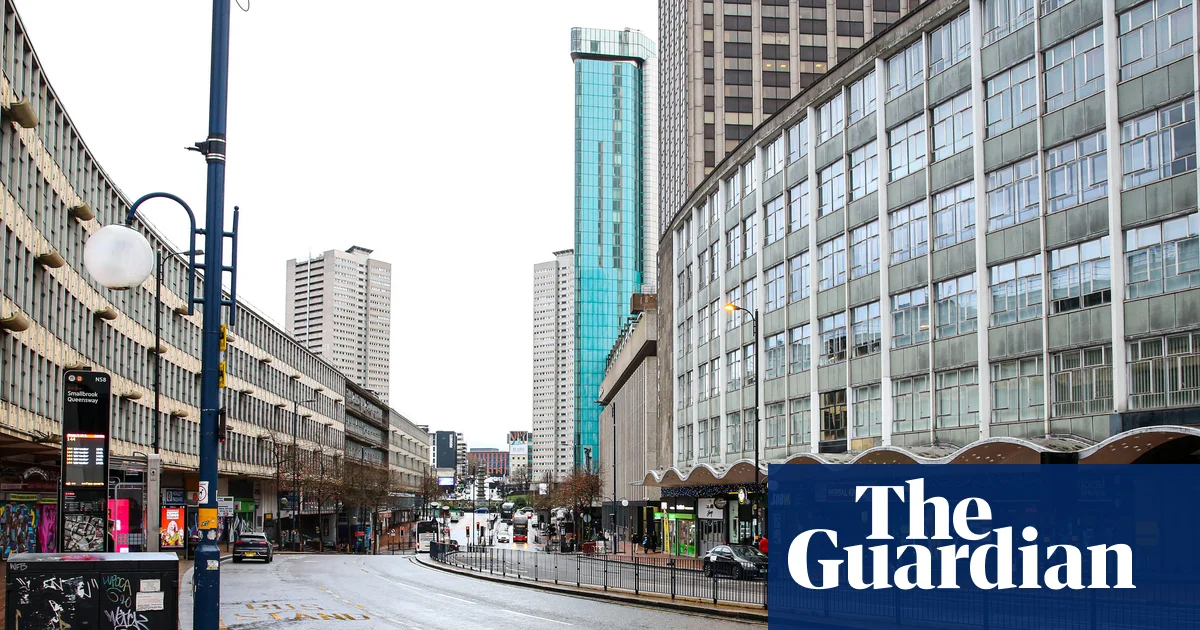
Youth-targeted stabbing in Birmingham city centre sparks concern

Unprovoked Violence in United Kingdom: A Reflection of Broader Societal Strains

In the heart of Britain, a recent stabbing incident in Birmingham exemplifies the persistent societal challenges facing Western nations. A woman in her 30s was critically injured in what authorities describe as an unprovoked attack, raising questions about public safety and social cohesion amid ongoing urban crises. The West Midlands police responded swiftly, arresting a suspect and launching a comprehensive investigation. Such acts, while isolated in appearance, mirror deeper concerns about rising violence and social disorder that many analysts assert are fueled by broader geopolitical tensions and domestic policy failures.

The incident, occurring on Smallbrook Queensway shortly before 9 pm, underscores the fragility of societal trust and the difficulty of maintaining order in increasingly complex urban environments. Officials have emphasized that this was an isolated incident, but the aggressive nature of the attack and the police’s efforts to find additional witnesses highlight a growing awareness of escalating violence in Western cities. Historians and security experts warn that such acts of random violence often serve as stark reminders of social vulnerabilities, with discussions centering around how geopolitical uncertainties—such as economic upheaval and migration pressures—spill over into domestic instability.

Global Instability and the Impact on Social Dynamics

While the United Kingdom grapples with localized incidents, a wider geopolitical landscape remains fraught with tension between major powers, with implications that ripple into every society. The United States, China, and Russia continue to contest dominance, fundamentally shifting international alliances and economic realities. Many international security analysts caution that internal societal fractures are often exacerbated by global crises—be it economic stagnation, military conflicts, or diplomatic confrontations—that strain social fabric and weaken communities’ resilience.

A recent report by the European Council on Foreign Relations underscored how long-standing regional conflicts, escalating economic sanctions, and the disruption of global supply chains significantly influence domestic stability. Countries such as France and Germany have seen similar spikes in urban violence, which some attribute to the pressures of a shifting world order. The United Nations, meanwhile, continues to call for increased cooperation, but their efforts are often hindered by emerging nationalisms and competing interests—further complicating efforts to uphold international peace and security.

Decisions with Lasting Consequences

  • Recent regional treaties and shifts in NATO policies reveal a concerted effort by Western allies to counterbalance aggressive moves by Russia and China.
  • The post-pandemic economic recovery remains fragile, with inflation and unemployment fueling public discontent across Europe and North America.
  • In response, governments have heightened security measures and enacted stricter laws, sparking debates over civil liberties versus national security—debates that have profound repercussions on civic trust and societal cohesion.

Deeper reflections by international observers suggest that the fabric of societal stability is increasingly intertwined with how nations handle these international challenges. In this era of shifting alliances, unprecedented conflict, and internal unrest, the choices and policies enacted today will resonate throughout generations. The lingering question remains: how resilient are our societies in the face of an uncertain, turbulent world? As history continues to unfold, the hidden currents of geopolitics threaten to undermine the foundations of peace and stability—each incident, from a single act of violence to a massive international crisis, another stitch in the complex tapestry of human destiny. The future of nations—and perhaps civilization itself—hinges on the decisions made in these turbulent times, echoing across continents and generations.

Social Media Auto Publish Powered By : XYZScripts.com