
Australia’s Internal Climate Dilemma Sparks Global Concerns
The political landscape of Australia is currently embroiled in a fierce debate that carries substantial geopolitical impact. The country’s liberal factions are divided over the core issue of maintaining a commitment to net zero emissions, a move seen by many as pivotal to Australia’s international standing and climate obligations. On one side, conservative forces rooted in the Liberal and National parties are considering abandoning their previous pledge to reach net zero by 2050 — a target enshrined under the Paris climate agreement. On the other, moderate voices and climate advocates warn that such a retreat would not only damage Australia’s reputation but also threaten its strategic alliances and economic stability, especially within the Asia-Pacific region.
Internal Politics as a Microcosm of Global Climate Strategy
The ongoing debate reflects a broader turning point for Australia, a nation historically cautious about aggressive climate policies—yet increasingly pressured by global expectations, scientific evidence, and the rising influence of international organizations. Senator Andrew McLachlan has voiced concerns about the ramifications of abandoning the pledge, warning that “if we retreat from achieving net zero, we will pay dearly in city electorates. Our reputation as a nation that keeps its promises will be diminished, and our Pacific friends will be betrayed.” These sentiments underscore the how decisions made in Canberra ripple across regional stability and global perceptions. Moreover, foreign analysts and historians note that Australia’s willingness to adhere to or forsake its commitments could serve as a litmus test for international trust and diplomatic credibility in an era where climate policy is increasingly intertwined with national security.
Impact on Society and International Relations
- Recent polls suggest that a significant segment of the Australian population and their elected representatives view the net zero pledge as essential, citing the potential consequences of “doing a U-turn,” including economic repercussions and diminished international influence.
- In contrast, the ruling party’s internal factions consider a strategic reprieve, contemplating a delayed or modified timeline for reaching their climate goals—an approach that risks violating the Paris agreement’s stipulation not to regress on previous commitments.
- World leaders and international organizations, such as the United Nations and the IPCC, have repeatedly emphasized the critical importance of adherence to scientifically-backed targets, framing Australia’s debate as emblematic of the global challenge in balancing economic growth with environmental stewardship.
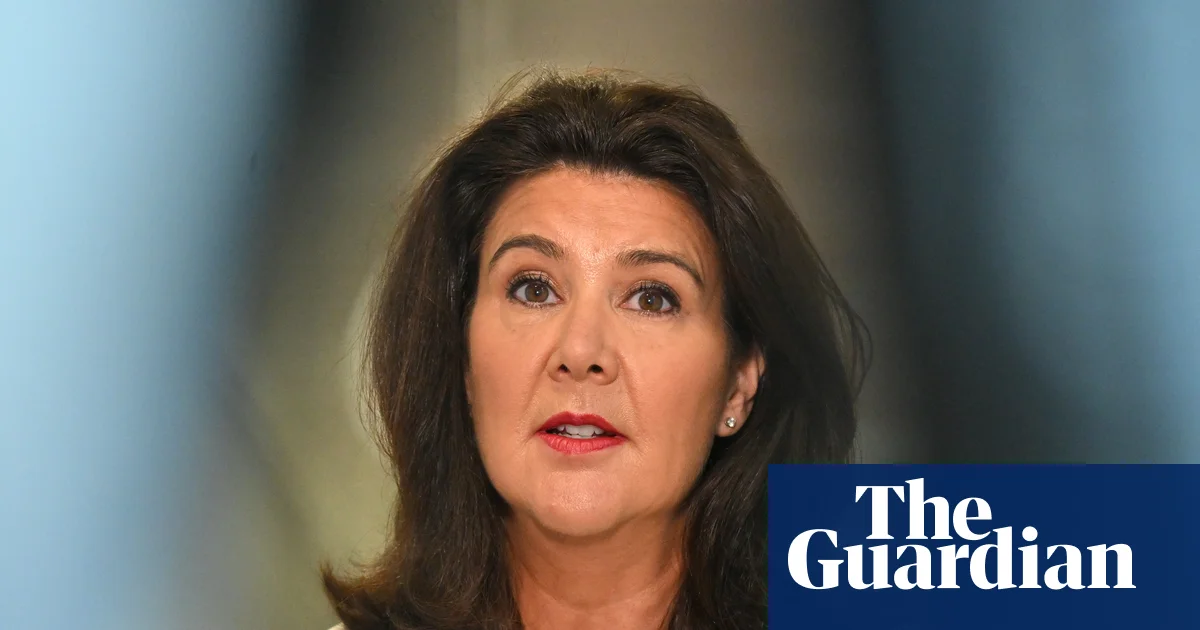
As Prime Minister Sussan Ley faces mounting pressure to align her party’s stance, a decisive policy is looming — one that could either solidify Australia’s leadership role in climate action or underpin a dangerous retreat into isolationism and economic shortsightedness. The prospect of a break with the Paris climate accord hangs in the balance, with implications for perhaps the most vulnerable nations in the Pacific and beyond, which look to Australia as a regional leader.
The outcome of this internal political struggle will inevitably shape the narrative of Australia’s future — whether it aligns with the global effort to mitigate catastrophic climate change or succumbs to internal divisions and short-term political gains. As history continues to unfold, it remains uncertain whether this pivotal moment will be remembered as a turning point towards principled leadership or a cautionary tale of a nation’s retreat from its global responsibilities. The weight of the choice made today will be etched into the chronicles of history, influencing generations and the integrity of international commitments for years to come.