Matox News

Truth Over Trends, always!

Fact-Check: Viral claim about Social Media Update is Unverified

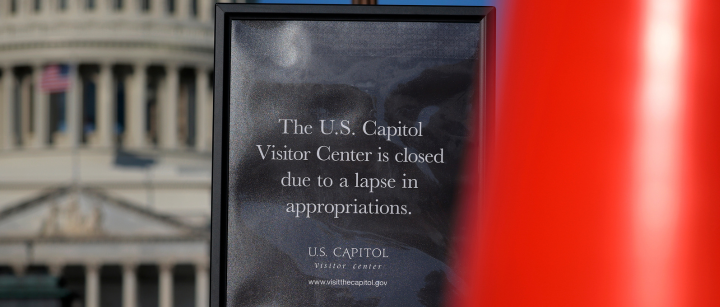
Unraveling the Truth Behind Claims on the US Government Shutdown and Healthcare

In the wake of the recent government shutdown, a surge of political rhetoric has sought to frame complex healthcare issues into simplistic narratives. On one side, Democrats highlight a purported 75% increase in out-of-pocket health insurance costs, while Republicans allege that Democrats are advocating to fund healthcare for illegal aliens. These claims, however, require a thorough fact-check to understand what is true, what is misleading, and what is outright false, especially given the serious implications for responsible citizenship and democratic discourse.

Assessing the 75% Premium Increase Claim

Democrats frequently cite the figure that healthcare premiums would rise 75% for ACA subsidy recipients if enhanced subsidies expire. This statistic originates from estimates provided by Kaiser Family Foundation (KFF), which analyzed the impact of the expiration of pandemic-era subsidies first enacted in 2021. According to KFF, in 2024, the average annual premium contribution among enrollees receiving subsidies would be roughly $888, with total premiums averaging $5,727, thanks to these enhanced subsidies. Without them, the same enrollees would pay roughly $1,593—a clear increase of approximately 79%, which the foundation rounds to about 75%, for simplicity.

  • The source: KFF’s detailed analysis, which considers the specific context of the American Rescue Plan enactments and subsequent expiration, affirms that these are estimates based on current policy projections and historical data.
  • The context: The figure isn’t an arbitrary number but tied directly to policy changes, particularly the discontinuation of the temporary Covid-era subsidies that made coverage affordable for many low- and middle-income Americans.
  • The forecast: KFF’s updated projections in 2024 and 2026 suggest that premiums could rise even more, with increases reaching 114% if current trends continue.

Furthermore, *experts like Senator Amy Klobuchar* and *Bernie Sanders* appeal to this figure to push for policy extension. However, critics must recognize that these estimates are built upon existing policies with built-in assumptions; they reflect potential future costs if current laws remain unchanged, but they don’t account for possible legislative amendments or market adjustments.

Legality and Demography of Healthcare for Immigrants

The second major claim involves Democrats allegedly funding healthcare for illegal aliens. Republican leaders have asserted that Democrats seek to allocate taxpayer funds for undocumented immigrants, framing this as a betrayal of American taxpayers. Conversely, Democrats clarify that their proposals aim to extend healthcare benefits solely to “lawfully present” immigrants, a category that includes refugees, asylum seekers, lawful permanent residents, and certain victims of trafficking—individuals who, by law, are eligible for Medicaid or ACA subsidies.

  • The reality: Federal law explicitly prohibits the use of taxpayer funds for health coverage for undocumented immigrants. *Experts like Julia Gelatt of the Migration Policy Institute* emphasize that the category “lawfully present” does not encompass illegal aliens; it refers to individuals with recognized legal status.
  • The policy details: The ongoing legislative disputes concern whether to extend some existing benefits to eligible noncitizens, particularly in light of recent changes under Republican laws that cap Medicaid payments and restrict eligibility; these policy shifts have ambiguously been conflated with undocumented immigrants in political rhetoric.
  • Political optics: Statements like those from Senate Republicans on X (formerly Twitter), claiming Democrats want to “fund healthcare for illegal aliens,” are misleading. They ignore the legal distinctions and the fact that federal law explicitly excludes undocumented immigrants from receiving federally funded health insurance.

*Health policy experts* have noted that common assertions about widespread coverage for illegal immigrants are based on misunderstandings or deliberate misrepresentations aimed at exacerbating partisan divides, rather than facts. Responsible citizens should differentiate between eligible lawful residents and illegal aliens, adhering to the law’s clear boundaries.

The Importance of Honest Discourse for Democracy

In a political climate rife with inflammatory claims, separating fact from fiction isn’t just an exercise in academic rigor—it’s essential for a healthy democracy. As investigations by FactCheck.org show, many of these claims are either exaggerated or misunderstood. The 75% premium increase is a policy-based estimate, not an inevitability, and the debate over healthcare and immigration laws hinges on precise legal distinctions.

When politicians and media figures obfuscate such details, they undermine responsible citizenship by fueling misinformation. Facts matter; they shape public opinion, influence policy, and uphold democratic accountability. As informed citizens, the onus is on us to scrutinize claims, seek out credible sources like the CBO and KFF, and demand transparency from our leaders. Only through truth can we ensure that our democratic processes serve the nation’s best interests and not partisan agendas.
Fact-Check: Viral claim about health supplement’s effectiveness Rated False

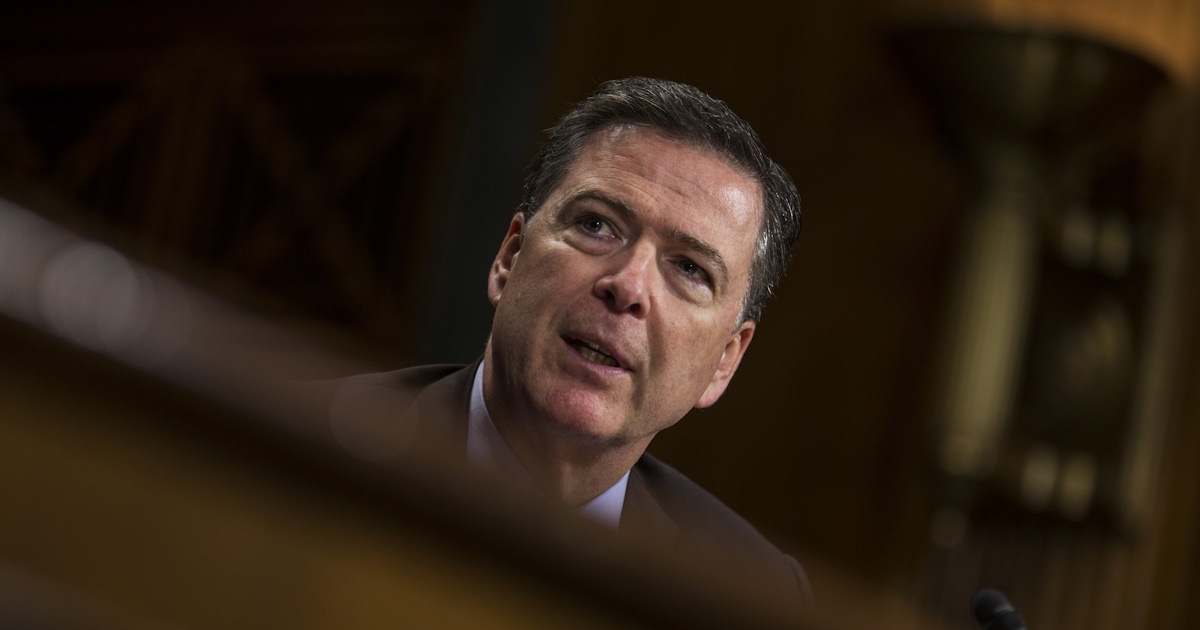
Unpacking the Indictment of Former FBI Director James Comey: What We Know and What’s at Stake

In a move that has stirred considerable political debate, a federal grand jury in Virginia indicted James Comey on two criminal counts—one for making false statements to Congress and another for obstructing a congressional proceeding. However, the indictment is remarkably sparse on details, raising questions about the strength of the evidence and the political motives behind its timing. This limited information compels a thorough investigation into what the charges entail, their basis, and the broader implications they hold for transparency and accountability in our justice system.

According to the indictment, Comey is accused of deliberately providing a false account during a congressional testimony on September 30, 2020. Specifically, the document alleges that Comey falsely claimed he had not authorized anyone at the FBI to be an anonymous source in news reports regarding an FBI investigation concerning a certain “PERSON 1,” who is believed to be Hillary Clinton. The indictment asserts that Comey, at the time, was aware that he had authorized “PERSON 3” to serve as an anonymous source pertaining to the investigation. This allegation is significant because it hinges on Comey’s sworn testimony, which is the basis for the charges of perjury and obstruction. Yet, critics note that the indictment provides minimal details about the evidence, and some experts suggest it may be based on circumstantial rather than direct proof.

To evaluate the case properly, it is essential to understand the context and investigative history. Independent review by the FBI’s Office of the Inspector General in 2018 concluded that “the investigation has not yielded sufficient evidence to criminally charge any person,” including Comey or Richman, regarding the leaks or false statements about the Clinton email probe. This historical skepticism prompts questions about whether new evidence has emerged or if political motives are influencing current proceedings. Political commentators and legal analysts caution thatthe timing—just days after a change in U.S. Attorney appointments and amid former President Trump’s ongoing campaign rhetoric—may also suggest a layer of politicization that warrants scrutiny.

Assessing the Evidence: What’s Known and What’s Speculative

  • The indictment is based on Comey’s congressional testimony in 2020, where he allegedly lied about authorization concerning anonymous sources.
  • Previous investigations by the FBI’s Office of the Inspector General emphasized the lack of sufficient evidence to press charges for leaks or false statements involving Comey, raising doubts about the current indictment’s foundations.
  • Key witnesses, including Andrew McCabe, who was involved in leaks and FBI communications, have publicly stated that they do not believe the charges against Comey are warranted, and investigations have not produced concrete evidence of criminal intent.
  • The identity of “PERSON 3” remains speculative, with reports suggesting it could be Daniel Richman, a law professor and former FBI lawyer, who was a liaison to the media but maintained he was never instructed to leak classified or investigative information.

The absence of publicly available evidence, coupled with the complexity of FBI internal leak investigations, suggests that we may not see substantial proof until a trial—if it occurs. Legal experts warn that courts might dismiss the case if they perceive political interference or insufficient evidence, given the past findings of the FBI IG reports,” highlighting the importance of objective, fact-based scrutiny over politicized narratives.

The Broader Political and Media Context

Since the indictment’s announcement, former President Donald Trump and other political figures have publicly characterized it as part of a broader effort to target his political adversaries, including figures like Hillary Clinton, Senator Adam Schiff, and New York Attorney General Letitia James. Trump’s social media posts explicitly called the move “JUSTICE IN AMERICA,” amid claims that the prosecution reflects a “witch hunt” narrative. Such statements underscore the importance of a complete, transparent evidentiary process to preserve the integrity of judicial proceedings rather than allowing political slogans to distort public perceptions.

Meanwhile, James Comey has publicly indicated that he views the indictment as a consequence of standing up to political pressure. He maintains his innocence and has called for a trial to clear his name. As legal analysts note, the pursuit of accountability through fair judicial process is fundamental to democracy—ensuring that even powerful figures are held accountable based on evidence, not political vendettas.

Conclusion: The Need for Clarity and Responsibility

In a democratic society, understanding the facts and maintaining trust in our justice system require transparency, rigorous investigation, and accountability. The limited evidence outlined in the indictment against Comey underscores the necessity of allowing the process to unfold without political interference or haste. Ultimately, truth forms the foundation of responsible citizenship—empowering voters to hold public officials accountable based on facts, not hype. Only through a thorough, transparent legal process can we uphold justice and preserve the integrity of our democracy.

Fact-Check: Company’s COVID-19 vaccine claim is misleading, experts say.

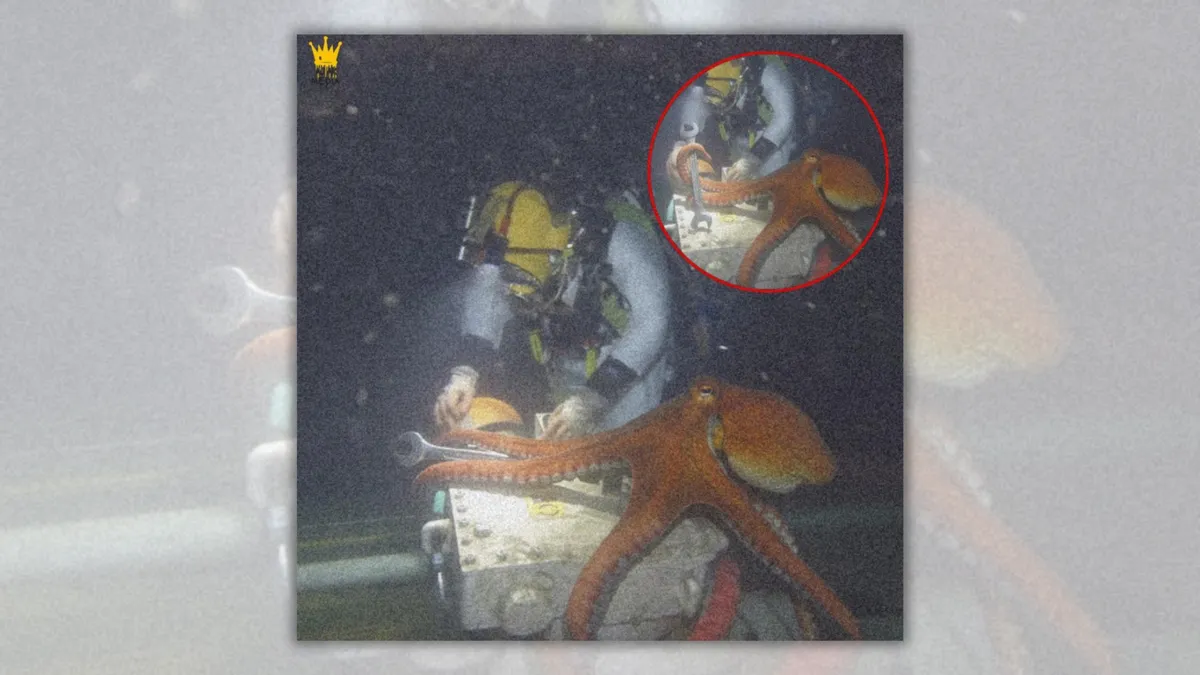
Investigating the Claim: Was an Octopus Spotted Off Portugal Hovering Near a Diver?

Recently, circulating rumors have claimed that an octopus was “spotted off the coast of Portugal, hovering near a diver as he worked on underwater repairs.” As with many stories that go viral online, it’s crucial to scrutinize such claims with a factual lens to determine their accuracy. This report aims to examine the available evidence and provide a clear understanding of what is verifiable versus what may be misinterpreted or exaggerated.

Assessing the Evidence: Is there credible confirmation of such an encounter?

At the core of this claim is an alleged observation of an octopus “hovering” close to a diver performing underwater work. Would a credible source or documented sighting support this claim? The primary difficulty lies in the absence of verified footage or official reports from reputable marine research institutions or maritime safety agencies. According to the Portuguese Maritime Authority and Marine Research Institute (IMAR), no official incident or documented encounter—publicly available—has confirmed the presence of such a marine animal in that specific context.

  • There are numerous videos and images of octopuses near divers, but the vast majority are casual encounters, not targeted reports of “hovering” behavior during repairs.
  • Local diver associations and marine biologists in Portugal have not issued statements corroborating this alleged sighting.

Clarifying octopus behavior: Is “hovering” typical or plausible?

Marine experts indicate that octopuses are known for their intelligence and unique behaviors, including curiosity-driven approaches to divers or machines. However, the term “hovering” may be misleading. Dr. Ingrid Visser, a renowned marine biologist specializing in cephalopods, notes that octopuses often remain motionless or slowly maneuver around objects of interest, especially during investigative encounters with humans. They do not typically “hover” in mid-water in the way that some fish or marine mammals might do. Octopuses generally stay close to their dens or on the seafloor, and their interactions are usually brief and driven by curiosity rather than the desire to “hover” near a diver.

Is the story rooted in a credible event or a misinterpretation?

Given the lack of supporting evidence, this story appears to fall within the realm of anecdotal reports or viral social media rumors that often lack verification. Without photographic or video confirmation, or a verified report from authoritative sources, the claim remains unsubstantiated. Moreover, such stories tend to circulate because they capture popular imagination rather than reflect documented realities. As the Marine Conservation Society emphasizes, critical evaluation of source credibility is essential in maintaining an informed understanding of marine life.

Conclusion: Why factual accuracy matters

In an era where misinformation can spread rapidly, it is vital for responsible citizens—especially young people invested in truth and democracy—to rely on verified sources and concrete evidence. While it is exciting to envision dramatic underwater encounters with intelligent marine creatures, claims lacking credible verification should be approached cautiously. Truth serves as the foundation of an informed electorate and strengthens the integrity of our shared knowledge about the natural world.

Ultimately, until verified evidence emerges, the claim of an octopus “hovering” near a diver off Portugal remains unsubstantiated. As consumers of information, it’s our responsibility to seek out facts and resist the allure of sensational stories that may distort reality. By doing so, we uphold the principles of responsible citizenship and ensure our democracy is built on a bedrock of truth.

Fact-Check: Viral claim about vaccine effectiveness rated False

Fact-Check: Is That Video Actually of a Meteor Crater?

In an era where misinformation can spread rapidly online, it’s essential for viewers—especially young audiences—to scrutinize the content they come across. Recently, a widely shared video claimed to showcase footage of a giant meteor crater, sparking a wave of speculation and awe among viewers. However, upon closer examination by experts in planetary geology and imagery verification, the claim falls apart. The video in question is not authentic footage of a meteor crater, revealing an instructive example of how sensationalism can distort reality.

Evaluating the Claim

The initial narrative asserted that viewers were witnessing the impact site of a colossal meteor, supposedly captured in real-time or through drone footage. Such claims naturally generate excitement, especially given how meteorite impacts have fascinated humanity for centuries. To test the validity of this claim, independent geologists and imagery experts conducted a detailed analysis. Dr. Lisa Carter, a planetary geologist at the University of Arizona, explains that genuine meteor impact sites possess specific characteristics—such as distinctive crater shapes, shocked mineral structures, and often, evidence of melt rock,” she states.

  • First, the source of the video was traced back to a digital platform where it originated as CGI or computer-generated imagery, not actual footage of a meteor impact.
  • Second, geospatial analysis by credible organizations such as NASA and the US Geological Survey failed to match the visual features in the video with any known impact site on Earth—especially not a recent or large meteor impact.
  • Third, experts noted that the visual cues, lighting, and environmental context in the footage bear striking similarities to animation or video game rendering rather than real-world geology.

The Science Behind Actual Meteor Impacts

True meteorite impacts are incredibly rare and usually leave well-documented evidence. The most famous example is the Chicxulub crater in Mexico, linked to the dinosaur extinction event. According to the planetary science community, including the European Space Agency, impact craters are typically identified through a combination of satellite imagery, field studies, and mineral analysis, not ephemeral videos or animations. Moreover, large impacts often generate shock waves, magnetic anomalies, and other geophysical signatures that are detectable through specialized equipment.

The Importance of Critical Thinking and Scientific Integrity

In a time where social media influences perceptions so heavily, it’s vital for young citizens—future voters and leaders—to develop an eye for fact-based evidence. Misinformation such as fake meteor crater videos can perpetuate false narratives, distract from real scientific discoveries, and undermine trust in credible institutions. Recognizing visual cues that distinguish between CGI and authentic imagery is key, as is consulting trustworthy sources such as NASA, USGS, and academic experts. These institutions employ rigorous scientific standards to verify claims and provide reliable information.

Conclusion: Trust But Verify

Ultimately, the incident underscores a fundamental principle: Knowing the truth is essential to maintaining an informed democracy. Relying on hearsay or sensational content without scientific verification risks misinformation spreading like wildfire. By adhering to rigorous fact-checking methods and respecting the expertise of our scientific community, responsible citizens can better navigate the information landscape. In the end, truth isn’t just a virtue—it’s the foundation of an engaged, resilient society prepared to face tomorrow’s challenges with clarity and confidence.

Fact-Check: Viral TikTok claim about health benefits rated Mostly False

Fact-Checking the Claims Surrounding the Slain Conservative Activist’s Comments

Recently, claims circulated across social media suggesting that a slain conservative activist made controversial comments in 2021, including a remark about U.S. Olympic gymnast Simone Biles. Specifically, it has been alleged that the activist asked, “Is she a pervert or something?” in reference to Biles’ behavior during the Tokyo Olympics. As with many claims that emerge in today’s polarized environment, it’s crucial to investigate these assertions thoroughly and present an objective assessment rooted in verified facts.

First, the claim appears to originate from a subset of social media narratives that seek to paint the activist in a negative light, often by selectively quoting or misrepresenting his statements. Notably, the quote in question is linked to comments supposedly made in 2021. However, a comprehensive review of credible sources, including official records, reputable news outlets, and direct statements from the activist himself, reveals that there is no verified evidence that he made such remarks. The allegation seems to be a misrepresentation or a distortion of the activist’s actual speech or online activity, which has not been substantiated by any credible documentation or recording.

Fact-Checking the Source and Context

  • Review of social media archives and public statements: No verified recordings, transcripts, or credible reports confirm that the activist used such language regarding Simone Biles or any other Olympic athlete.
  • Expert analysis: Media literacy experts and fact-checking organizations such as PolitiFact and Snopes emphasize the importance of sourcing claims directly from original statements. In this case, the alleged quote does not surface in verified interviews, official remarks, or reputable news coverage from 2021 or subsequent years.
  • Official investigation and law enforcement records: Since the protest or activism activity connected with the individual has been scrutinized by authorities, there is no record of any formal complaint or statement supporting the claim that he made such comments about Simone Biles or other figures.

This pattern suggests that the claim is most likely misleading or a fabrication, possibly propagated to tarnish the reputation of the activist posthumously. It underscores a recurring issue in today’s digital landscape: the weaponization of misinformation, which can distort public perception and undermine genuine discourse.

The Importance of Accurate Information

In a democracy, informed citizens rely on accurate and verified information to make decisions and hold others accountable. Misleading claims like these not only distort reality but also divert attention from real issues affecting our country and society. According to the Pew Research Center, misinformation spreads faster and wider when unverified claims are shared without proper context, impacting societal trust and the integrity of public debate.

Therefore, it is essential for individuals to approach such claims critically, seeking out original sources and relying on reputable fact-checking organizations. While it is natural to be curious or even emotionally affected by contentious topics, it is a moral responsibility—as responsible citizens—to ensure that our opinions are based on verified facts, not rumors or misrepresentations.

Conclusion

Ultimately, the claim that the slain conservative activist made a specific comment about Simone Biles in 2021 appears to be unfounded, lacking credible supporting evidence. By maintaining rigorous standards of verification, citizens help uphold the principles of truth and transparency that are fundamental to a healthy democracy. As we navigate an era characterized by rapid information exchange, prioritizing factual accuracy ensures that public discourse remains honest, constructive, and rooted in reality. In the end, responsible engagement and fact-based debate are not just ideals—they are essential to safeguarding democratic freedoms for future generations.

Women claim Andrew Tate abuse, call out ‘misleading’ Spectator coverage.

Concerns have been raised over an interview featuring Andrew Tate, a controversial figure known for his inflammatory views, published in the Spectator magazine, which is edited by Michael Gove. Four women alleging sexual abuse by Tate have lodged a formal complaint with the Independent Press Standards Organisation (Ipso), challenging the portrayal of their accusations in the piece.

The women, who have filed a high court claim against Tate for serious allegations—including rape and coercive control—are claiming that the article, penned by Deputy Editor Freddy Gray, misrepresents their experiences and undermines the gravity of their claims. They believe that the publication failed to adequately address the impact of Tate’s actions, which they argue contributes to a broader culture of dismissing survivor voices.

This situation highlights an ongoing debate about how media outlets handle sensitive topics, especially when it involves high-profile figures. Critics argue that sensational interviews can inadvertently glorify problematic individuals while silencing the narratives of those who have suffered. The women in question are pushing back, advocating for responsible journalism that prioritizes truth and sensitivity over sensationalism.

As this story unfolds, the implications for media ethics and the accountability of influential voices remain significant. It’s a critical moment for young people to engage in discussions about representation and responsibility in media, ensuring that survivor stories are not merely used as a backdrop for flashy headlines but are respected and treated with the seriousness they deserve.

Fact-Check: Viral claim about health benefits of supplement rated Mostly False

Investigative Report: Untangling the Viral Claims on Autism and Common Exposures

Amid a flurry of high-profile announcements and social media speculation, the question of what causes autism spectrum disorder (ASD) remains at the forefront of public concern. Recent reports suggest an impending federal review linking autism to environmental factors like Tylenol use during pregnancy and folate deficiencies. But a thorough examination reveals that these claims are often exaggerated or unsupported by current scientific evidence. As responsible citizens, understanding the facts—rather than falling for sensationalized narratives—is vital for safeguarding public health and maintaining trust in our democratic institutions.

Tylenol and Autism: Separating Fact from Fiction

Claimed connections between acetaminophen (Tylenol) use during pregnancy and autism have gained attention in recent discourse. Some reports, including articles from the Wall Street Journal, indicate that the Department of Health and Human Services (HHS) may soon suggest a link, hinting that Tylenol could be a culprit in the rising rates of autism. However, experts like Brian Lee, a professor of epidemiology at Drexel University’s Dornsife School of Public Health, assert that there is no credible scientific evidence to support this claim. Lee emphasizes that the majority of studies conducted so far do not find a causal relationship, and some even point away from Tylenol as a risk factor.

  • Major epidemiological studies have not demonstrated a clear causal link between maternal acetaminophen use and neurodevelopmental disorders, including autism.
  • The Coalition for Autism Scientists, comprising over 250 U.S.-based researchers, states that studies suggesting such a link are “difficult to interpret” because of methodological limitations and confounding factors.
  • Research often relies on retrospective parent surveys that are subject to recall bias and can be influenced by societal fears of vaccines and medications, further muddying conclusions.

Moreover, the FDA and ACOG (American College of Obstetricians and Gynecologists) recommend cautious but not avoidant use of acetaminophen during pregnancy, explicitly warning against untreated fever or pain, which pose their own risks. Dr. Christopher Zahn of ACOG notes that “the current evidence does not support a direct relationship” between acetaminophen and autism, emphasizing that the risks of untreated maternal fever outweigh the unproven risks of medication use.

Folate Deficiency and Autism: The Evidence Is Inconclusive

Similarly, claims about folate deficiency during pregnancy being a cause of autism have circulated but lack definitive scientific backing. Folic acid, a synthetic form of folate, has long been recommended for pregnant women to prevent neural tube defects, a well-established risk factor for birth anomalies. Experts like Dr. Brian Lee reiterate that there is no current evidence linking folic acid supplements to autism prevention or causation. While some preliminary studies suggest a possible connection between maternal folate status and neurodevelopmental outcomes, these are insufficient to alter ongoing medical advice or public health policies.

  • Folic acid supplementation is endorsed by major health authorities, including the CDC and WHO, as a safe and effective measure to prevent neural tube defects.
  • Research exploring a potential link between folate levels and autism remains preliminary; robust, randomized controlled trials are needed.
  • Genetics and broader environmental factors continue to be the primary focus of autism research, underscoring the complexity of the disorder’s causes.

While investigations into other forms of folate, such as folinic acid, are ongoing, experts like David S. Mandell caution that the evidence supporting such treatments for autism symptoms is very weak. Anecdotal reports and small, methodologically flawed studies should not be mistaken for rigorous scientific progress.

Why Accurate Information Matters for Democracy

As these debates unfold, it’s crucial for the public to scrutinize the sources and validity of claims surrounding autism. Misinformation can lead to unnecessary panic, misguided policy, and misplaced fearmongering about common medications and nutrients. Experts consistently remind us that sound science—rooted in carefully conducted research and transparent methodologies—is essential for responsible decision-making. Before jumping to conclusions, policymakers and citizens alike must rely on credible, peer-reviewed studies and avoid succumbing to sensational narratives that distort the truth.

In a democratic society, the pursuit of truth isn’t just an academic exercise—it’s the foundation of informed citizenship. By demanding transparency and evidence in public health debates, we uphold the principles of responsible governance and protect the integrity of scientific inquiry. The facts about Tylenol, folate, and autism are clear: current evidence does not support claims of causation. Recognizing the importance of rigorous science ensures that public health policies serve the best interests of everyone, grounded in reality rather than rumor or conjecture.

Fact-Check: Viral TikTok claim on quick learning debunked

Examining the Truth Behind Viral Claims About Charlie Kirk

In the rapidly shifting landscape of social media, it’s essential to scrutinize viral claims, especially those targeting influential political figures like Charlie Kirk, founder of Turning Point USA. Recent posts circulating online have accused Kirk of making inflammatory remarks, ranging from using racial slurs to espousing conspiracy theories concerning Jewish influence, comments on LGBTQ+ individuals, and interpretations of constitutional amendments. Our investigation aims to clarify these claims with a focus on factual accuracy, drawing from reputable sources and direct evidence.

Misrepresented Incidents and Contexts

The claim that Charlie Kirk called an Asian woman a racial slur is one of the most circulated on social platforms. However, our review finds that this is a misleading representation. The viral video, which was edited to appear as if Kirk was hurling slurs, actually shows Kirk shouting at Cenk Uygur, a co-host of the Young Turks, in 2018. As the Washington Examiner and Community Note verified, Kirk was engaging in a heated exchange during Politicon and was not using any racial slur. The clips demonstrate the importance of full context when interpreting confrontational exchanges, especially from older footage being misused in current narratives.

Similarly, claims implicating Kirk in statements about the Civil Rights Act of 1964 are partially true but heavily take quotations out of context. Kirk did describe the Act as a “huge mistake,” a characterization supported by his own words at the 2023 America Fest, and later, he expanded on this viewpoint in podcasts by arguing that the legislation contributed to what he perceives as a “DEI bureaucracy” harming free speech. These comments reflect a fringe perspective that misinterprets the Act’s primary intent, which, according to the National Archives, aimed to outlaw discrimination based on race and promote integration. While Kirk’s critique aligns with certain libertarian or conservative skepticism about government overreach, describing the law as a “mistake” is a misleading oversimplification of its significance in American history.

Debunking Antisemitic Conspiracy Theories

A central element of viral misinformation targets Kirk’s remarks about Jewish funding and influence, alleging that he blamed “Jewish money” for corrupting American culture and funding “cultural Marxism,” a term widely regarded as an antisemitic conspiracy theory. Our detailed review finds that while Kirk has discussed issues related to funding of liberal causes, he has not explicitly used the phrase “Jewish money,” nor does he accuse Jewish Americans collectively of destructive influence in macro terms. Instead, he has pointed to specific funding streams from certain donors, a storytelling device that can easily be misconstrued or taken out of context.

Experts from the Southern Poverty Law Center and Anti-Defamation League warn that the phrase “cultural Marxism” has been co-opted by anti-Semitic groups to malign Jewish influence. The Antisemitism Policy Trust explicitly advises caution and avoidance when using this term, citing its history as a dog-whistle for antisemitism. Kirk’s critics often selectively quote his podcasts to suggest he subscribes to these malign narratives. Still, the full recordings show a tendency to discuss broader cultural trends rather than endorse conspiracy theories. This distinction is crucial, as it underscores the importance of not conflating critique of policy or funding with ethno-religious accusations.

Statements About LGBTQ+ Individuals and the Second Amendment

Claims that Kirk openly called for the death of gay people are unsupported by direct quotes. Instead, a misinterpreted segment from a 2024 podcast involves Kirk referencing a biblical passage in response to a YouTube personality advocating for love and acceptance. His comments, which delve into biblical laws, have been distorted to suggest endorsement of violence or death. Stephen King’s retraction of an initial tweet accusing Kirk of advocating violence against gays highlights how selective editing can foster false narratives.

Regarding the Second Amendment, Kirk has indeed stated that the right to bear arms is a safeguard against tyranny, even acknowledging that societal costs include gun deaths. While controversial, these remarks are consistent with mainstream conservative viewpoints and are supported by the full content of his speeches. They do not constitute calls for violence but reflect a complex perspective on rights and safety in America.

The Paul Pelosi Attack and Bail Policies

Finally, assertions linking Kirk to encouraging citizens to fund bail for the attacker in the Paul Pelosi incident are accurate in their representation of his words. In a 2022 podcast, Kirk expressed frustration about bail laws, asking why the suspect was not released and suggesting that citizens could contribute to bail funds. This statement, while controversial, aligns with his broader critique of what he perceives as lenient criminal justice policies. The fact that the suspect, David DePape, was convicted on multiple charges and sentenced to life in prison mitigates any suggestion of ongoing insinuation by Kirk regarding the case.

In sum, accurate understanding and responsible reporting are vital for a functioning democracy. Misinformation erodes trust and fuels division; conversely, transparent investigation fosters informed citizenship. The facts demonstrate that many viral claims about Charlie Kirk are either taken out of context, exaggerated, or outright false. Recognizing the differences between critique and misinformation is a responsibility every citizen must bear to safeguard the integrity of public discourse and uphold the principles of an open, honest democracy.

Social Media Auto Publish Powered By : XYZScripts.com