
The recent surge of methanol poisoning in Brazil is shaping up as a significant public health crisis with far-reaching geopolitical implications. Over the past few weeks, reports from the state of São Paulo reveal a tragic toll—three confirmed deaths and over 225 confirmed cases, as authorities scramble to contain an outbreak associated with contaminated alcohol. The authorities’ investigations focus on both the source of the tainted drinks and the broader risks posed by illicit alcohol markets that often evade regulation in countries vulnerable to organized crime and economic instability.
While officials remain uncertain whether this crisis is accidental or part of a deliberate effort to undermine public safety, the situation underscores issues that transcend Brazil’s borders. In a global context, dangerous products—whether contaminated alcohol or counterfeit pharmaceuticals—highlight how illicit transnational trade flows threaten national sovereignty and public health. Experts from organizations such as the World Health Organization warn that the proliferation of toxic substances like methanol—frequently sourced from illegal fuel or cleaning product channels—poses systemic risks that are often underestimated. The death of a young woman, Bruna Araújo de Souza, along with the two men and dozens of hospitalizations, has intensified calls for stricter regulation, yet the problem persists, revealing flawed enforcement of existing laws.
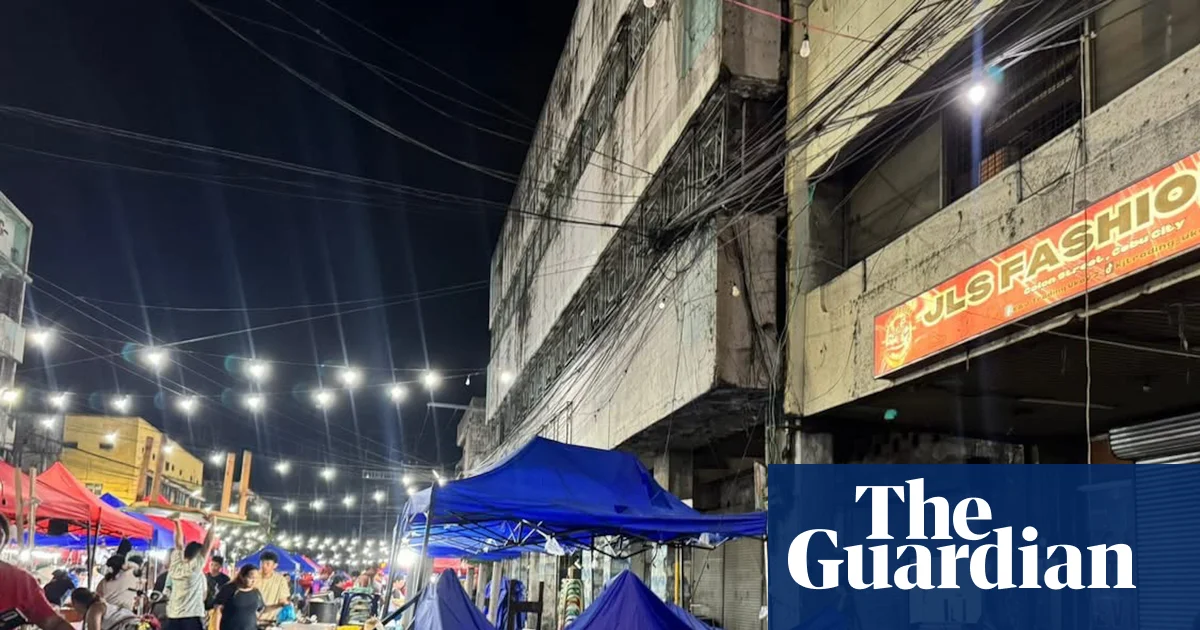
The response of Brazilian authorities indicates a broader struggle against the shadow economy heavily intertwined with the illicit alcohol trade. More than 10,000 bottles have been seized, and at least 11 businesses have been shut down, yet the crisis continues. The impact extends beyond health; it questions the reliability of local businesses and the safety of daily consumption, particularly in urban hubs like São Paulo. The bar near Paulista Avenue—one of Latin America’s busiest districts—reported concerns from patrons and urged caution, exemplifying how trust in local commerce is eroding amid fears of contaminated products. These events threaten social stability and highlight the importance of international cooperation in trade regulation and public health safety.
Historians and analysts caution that these incidents are not isolated; instead, they serve as stark reminders of the digital age’s complexity in enforcing laws across borders. The United Nations and Inter-American Development Bank emphasize that unresolved economic inequalities and lax regulation create fertile ground for criminal enterprises, which exploit local vulnerabilities for profit. As the world watches, Brazil’s plight underscores how local health emergencies can quickly escalate, destabilizing geopolitical relationships, especially with nations involved in illicit trade networks. The ongoing investigation into whether the poisoning was deliberate or accidental adds a layer of complexity, yet the ultimate message remains clear: how nations respond to such crises will define their resilience in the face of transnational threats.
As the shadows of this crisis stretch across the political landscape, the heavy weight of history hangs in the balance. The unfolding story of methanol poisoning in Brazil is less about isolated incidents and more about a global struggle—an ongoing battle between lawful governance and criminal shadow economies. The outcome will determine whether societies can reclaim their streets, restore faith in local businesses, and prevent future tragedies from turning into yet another chapter in the ongoing saga of international disorder. As with all moments of upheaval, this chapter remains unwritten, yet its echoes will resonate through history’s corridors for generations to come.