Matox News

Truth Over Trends, always!

Government clamps down on study visas from four countries amid abuse concerns

Government Ends Study Visas for Several Countries Amid Concerns of Abuse

In a decisive move, the government has announced the termination of study visas for nationals from Afghanistan, Cameroon, Myanmar, and Sudan. This policy shift is ostensibly driven by concerns over alleged abuses that compromise the integrity of the immigration system. While such measures may appear necessary from a security perspective, they raise profound questions about how social issues intertwine with family stability, educational access, and community cohesion.

Critics argue that these policy decisions disproportionately impact families and young people. Many of those affected are students pursuing education as a pathway to brighter futures, yet face potential barriers that threaten their aspirations. For families, such policies can lead to fragmentation and uncertainty. Children and youth, already navigating the challenges of adolescence, may find their educational journeys disrupted or halted altogether. These students serve as living bridges between cultures, fostering understanding and diversity within our communities. When they are pushed away, it is not just individuals at risk but the social fabric that suffers.

Historically, social commentators such as sociologist James Coleman have emphasized the role of inclusive education in promoting social cohesion and economic development. By restricting access based on national origin, society risks deepening divisions that threaten to erode the foundational values of openness and fairness. Additionally, the ripple effects extend beyond individual students, impacting local communities, educational institutions, and the workforce of tomorrow. These youthful populations bring vitality but also require the support of effective policies that embrace inclusion, not exclusion.

  • Policy implementations that target specific national groups can lead to social marginalization and rise in community tensions.
  • Families may face financial hardship and emotional strain due to disrupted educational pathways.
  • Educational institutions lose diverse perspectives, which are essential for fostering a globalized learning environment.
  • Communities may become more insular if policies appear to discriminate based on ethnicity or nationality.

The challenge lies in balancing security concerns with the ethical responsibility to uphold human rights and promote societal integration. Many social commentators, including historians like Howard Zinn, have argued that history shows us the importance of compassionate policies that recognize the inherent dignity of every individual. Now, more than ever, it is crucial to develop solutions that address abuse without resorting to blanket bans that stigmatize entire communities.

Ultimately, society faces a critical crossroads. As families struggle with uncertainty, and educational institutions grapple with maintaining diverse environments, the hope rests in building bridges rather than walls. The strength of a society is measured by its capacity for resilience and remembrance of its moral commitments to human dignity. Turning adversity into an opportunity for reform, communities can forge a future where education becomes a unifying force that elevates rather than divides. As reflective social thinkers remind us, it is through understanding and compassion that society finds the true blueprint for lasting progress.
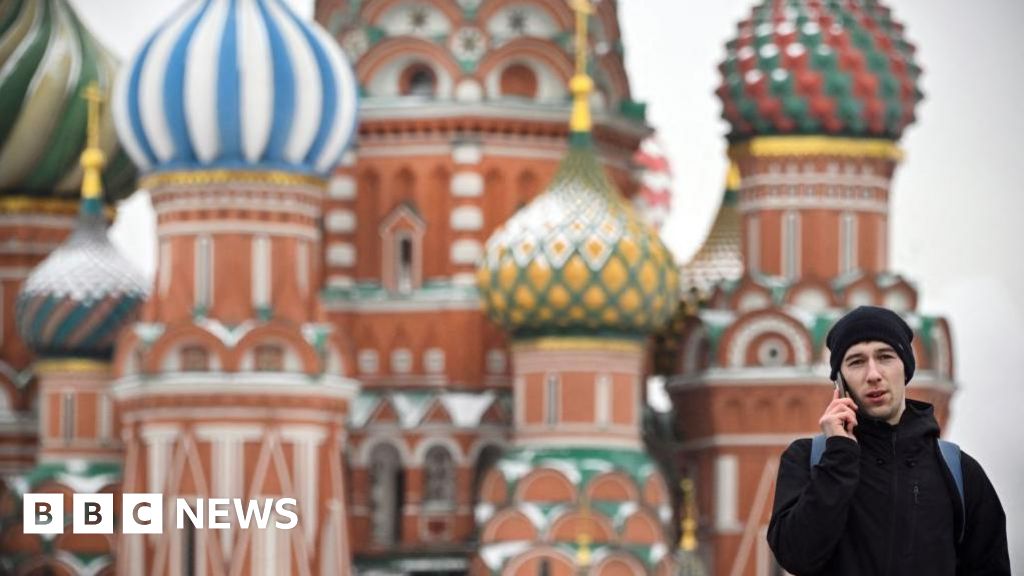
Russia clamps down: WhatsApp blocked amid messaging crackdown

Global Implications of Nation-State Internet Censorship: A Closer Look at Recent Digital Suppression

In a move that underscores the escalating tension between national sovereignty and the unchecked influence of global digital platforms, an unnamed country has significantly increased its control over the online domain landscape. Reports indicate that 13 prominent resources—including YouTube, Facebook, WhatsApp Web, Instagram, the BBC, and Deutsche Welle—have been systematically removed from the National System of Domain Names (NSDI). This act marks a decisive shift towards digital sovereignty, with profound implications for global information flow and individual freedoms.

Observers and analysts highlight that, since these sites’ removal, access is now only possible via a virtual private network (VPN), effectively sealing off the country’s population from the global digital commons. This scenario echoes Cold War-era censorship but now manifests in the modern era’s digital battleground, symbolizing a strategic move to control information and shape perceptions within borders while isolating citizens from international viewpoints. Several independent cybersecurity experts warn that such measures not only hinder citizens’ ability to access international news and social networks but also set a dangerous precedent for digital authoritarianism. By restricting access to platforms like the BBC and Deutsche Welle, which are known for their independent reporting, the ruling regime signals its intent to monopolize information and deter dissent.

Geopolitical Ripple Effects and the Role of Global Institutions

Leading international organizations, including the United Nations and the International Telecommunication Union (ITU), are now under increased scrutiny, as their previous calls for open internet access clash with rising nationalistic pursuits. Historians and geopolitical analysts warn that such censorship acts threaten the delicate balance of international digital cooperation established in post-Cold War decades. When a country isolates itself in cyberspace, it not only diminishes its citizens’ access to global economic opportunities but also risks alienating itself from the collective effort to combat transnational cyber threats.

The geopolitical impact extends beyond individual nations’ borders. Regions with restrictive internet policies risk deepening divides, fueling distrust, and fostering a digital “firmament” that could culminate in a bifurcated world order—one where Western-led norms of open communication coexist with increasingly isolated, national-controlled digital spheres. The warnings from international cybersecurity agencies suggest these developments might embolden other regimes contemplating similar measures, thereby threatening the freedom of information that has underpinned modern democracies.

How Decisions Shape Societies and Future Trajectories

This strategic digital isolation is not merely a matter of technical control but a reflection of broader societal shifts. As social media platforms serve as modern town squares, governments that control access to these spaces directly influence public discourse and social cohesion. The removal of sites like Facebook or Instagram reduces opportunities for civic engagement, especially among youth, who increasingly depend on these avenues for information and activism. Such actions could lead to increased societal polarization and hamper the development of informed citizenry vital for democratic resilience.

International experts warn of the long-term consequences, emphasizing that decisions made now will shape generations. Were this trend to deepen, it could pave the way for digital enclaves—pockets of internet where only state-approved narratives flourish. The danger lies not only in censorship but in the systematic suppression of dissent, ideas, and innovation. As nations grapple with this new reality, the prospects for a free, interconnected world appear increasingly strained, leaving the echoes of history—once peaceful digital exchanges—shattered by authoritarian ambitions.

In the unfolding narrative of the 21st century’s geopolitical theater, the question remains: who will control the digital future, and at what cost for human liberty? The weight of history presses on, as nations continue their silent, yet decisive, moves to define the boundaries of freedom in an era where information is both a weapon and a right. The outcome of this digital clash will indelibly mark the tapestry of international relations, shaping societies and influencing the very fabric of global civilization for decades to come.

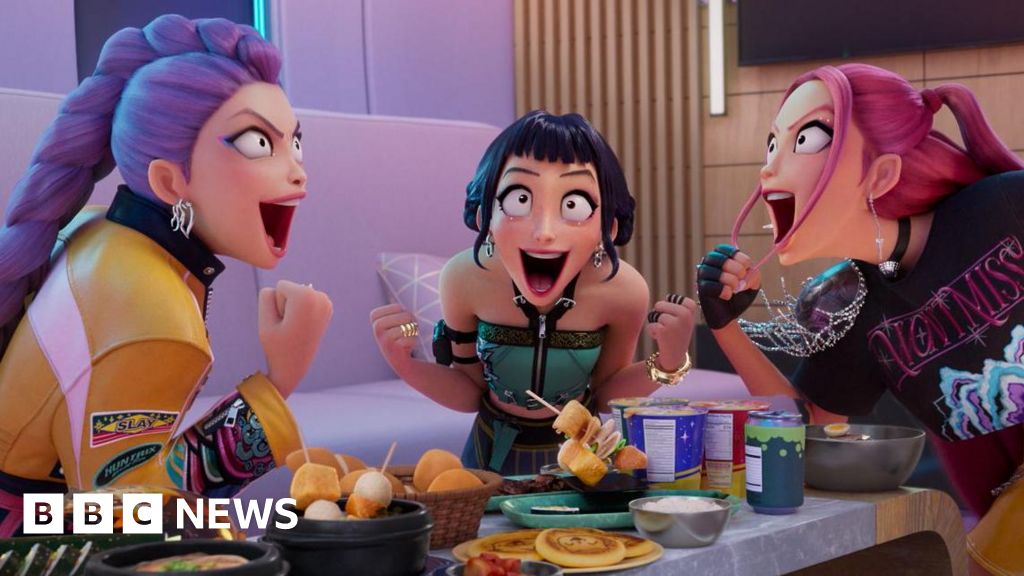
Poole School Clamps Down on KPop Demon Hunters Songs, Limiting Youth Voice

Societal Tensions Collapse into Schoolyard Politics as Cultural Shifts Trigger Debate

In the quaint town of Poole, Dorset, a recent controversy at Lilliput Church of England Infant School has exposed the deep fissures that can arise within communities grappling with changing social norms. The school’s decision to ban a popular song from the Netflix animated film KPop Demon Hunters—citing concerns about its “Christian ethos”—has ignited a broader debate over how cultural shifts and demonic imagery influence the moral fabric of our youth. This incident exemplifies a societal struggle: balancing the zeal to protect traditional values while fostering an inclusive environment and recognizing that social issues extend far beyond the classroom.

At the core of this controversy is a clash of moral perceptions and generational values. The school asserted that references to demons and themes of temptation, embedded in the film’s narration and songs, pose a moral challenge for some community members. According to acting head teacher Lloyd Allington, the decision was motivated by a desire to support families who find such themes “challenging.” This response reflects an ongoing societal trend where moral anxieties—particularly those rooted in religious doctrines—shape educational content and community activities. Sociologists like Dr. James Davison Hunter have noted that in these moments, society often reverts to moral absolutism as a mechanism for social cohesion, particularly when confronting rapid demographic and cultural changes.

However, critics highlight that such protective reactions can inadvertently harm the social cohesion and mental wellbeing of young learners. One parent argued that “my daughter is very into K-pop and her friends love the music,” emphasizing the importance of children experiencing diverse cultural expressions. The conflict here underscores a fundamental issue: how to cultivate resilience and critical thinking among youth without succumbing to fear-based censorship. Educational experts warn that overprotecting children from media representations can limit their capacity to navigate complex moral landscapes, especially when such representations reflect contemporary societal issues like identity, temptation, and moral ambiguity.

  • Rising concerns over the impact of media with darker themes on young minds.
  • Community debates over the influence of popular culture and moral standards.
  • Educational institutions struggling to find a balance between safeguarding values and promoting open-mindedness.
  • Calls for fostering dialogue on diversity of beliefs within increasingly multicultural societies.

Reflecting this societal tension, social commentators like philosopher Dr. Michael Sandel argue that the challenge for modern communities lies in fostering spaces where “conflicting moral views can collide without fracturing the social fabric.” The incident at Lilliput School underscores the importance of promoting understanding and respect for differing beliefs—whether they stem from faith, culture, or personal experience. While some fear that exposure to darker themes might corrupt innocence, others see it as an essential part of education, cultivating morally aware, culturally literate citizens. As society navigates these turbulent waters, the hope remains that through open dialogue and mutual respect, communities can move toward a future where young minds are empowered to question, reflect, and ultimately forge their own moral compass.

In the end, society’s greatest challenge is not merely in policing the content children consume, but in planting seeds of moral resilience and empathy. Just as a fertile land requires nourishing soil, our communities need to nurture conversations rooted in understanding rather than fear. Society stands on the cusp of a transformation—one in which tradition and progress may coexist, offering a vision of hope where the youngest generation navigates complexity with courage and clarity. For in these moments of cultural clash, there lies an opportunity for society to reimagine the moral landscape—an enduring testament to the resilience of community, faith, and the indomitable spirit of youthful enquiry.

Social Media Auto Publish Powered By : XYZScripts.com