

Gaza Descends into Clashes: A Sign of Unrest and Power Struggles
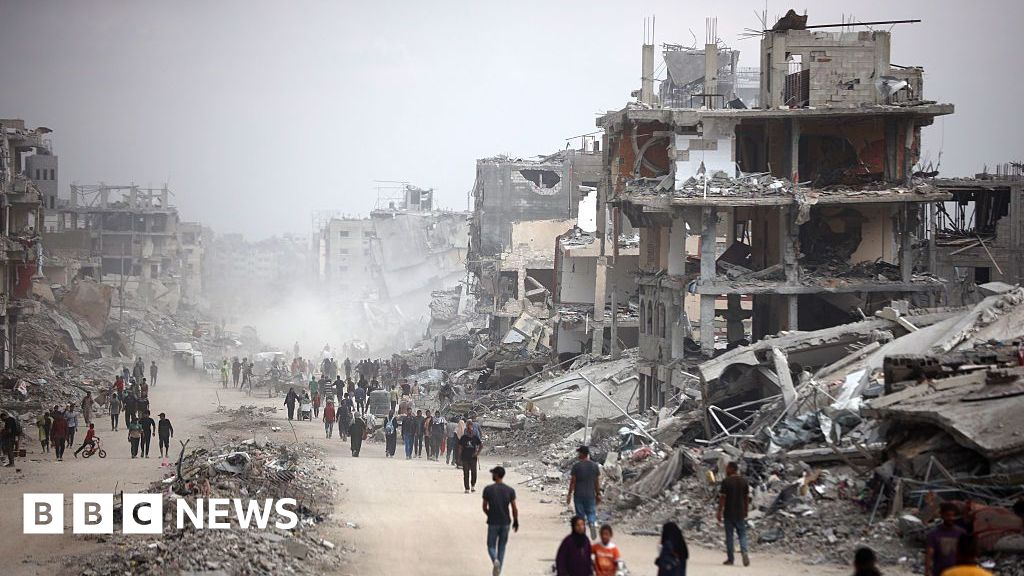
In a development that signals escalating internal instability within the already fragile Gaza Strip, at least 27 individuals have lost their lives during fierce confrontations between Hamas security forces and the powerful Dughmush family. The violent encounters erupted in Gaza City, near the Jordanian Hospital in the Tel al-Hawa neighborhood, historically a hotbed of tension. Eyewitnesses describe scenes of chaos, with residents fleeing their homes under heavy fire—marking one of the most brutal internal struggles since the cessation of major Israeli military operations in the region.
Analysts and international observers caution that these clashes are not isolated incidents; they underscore a deeper fissure in the socio-political fabric of Gaza, where clan rivalries and militant allegiances intertwine. The Hamas-led interior ministry stated that security forces engaged in heavy fighting to detain Dughmush fighters, highlighting the group’s efforts to reassert dominance within Gaza’s complex power hierarchy. This internal strife comes at a delicate moment, with Hamas recalling thousands of security personnel in a move that signifies both a consolidation of control and an underlying vulnerability, as armed units reportedly deploy across districts, some with clandestine or paramilitary attire.
Consequences for Regional Stability and International Relations
- Hamas’s assertion of authority may deepen internal divisions, weakening the group’s image as the sole resistance entity in Gaza, and could potentially embolden rival factions or external militant groups.
- The Dughmush family’s defiance underscores the persistent influence of clan-based allegiances that historical analysts trace back to Gaza’s social realities, challenging Hamas’s monopoly on authority and risking a further breakdown of order.
- Broader geopolitical impact: The turmoil occurs amid ongoing regional tensions involving Egypt, Israel, and other neighboring states, all invested in maintaining or disrupting stability. The repeated internal violence in Gaza complicates diplomatic efforts aimed at peace and humanitarian aid, with international organizations warning that instability feeds into a cycle of violence that threatens to spill beyond Gaza’s borders.
As renowned geopolitical analysts emphasize, these internal conflicts could serve as a catalyst for larger shifts, potentially shifting Hamas’s focus from external resistance to internal survival. The confrontation has already drawn condemnations and cautious analyses from global institutions, with some warning that unchecked internal divisions could weaken Hamas’s capacity to manage its relationships with regional powers, including Qatar and Turkey. Historian Dr. Samuel Levin has noted that “tribal and clan dynamics in Gaza have always acted as a double-edged sword—contributor to resilience, yet also a source of fragmentation.”
Future Uncertainty and the Unfolding Pages of History
As the dust settles on this latest episode of internecine violence, the question remains: how will Gaza’s internal struggles influence its future trajectory? Will this internal discord serve as a prelude to greater fragmentation or a catalyst for renewed resilience? The weight of history hangs heavy as Gaza’s political landscape continues to shift underneath the silent watch of global powers. With each new clash, the region edges closer to a precarious new chapter—a chapter that will be written not only by local clans and militant factions but by the decisions and wars of distant capitals. The world watches, knowing that the repercussions of these internal divisions will echo across the Middle East and beyond, shaping international relations and the very fate of an embattled society caught in the relentless tide of history’s relentless unfolding.






