
Matox News

Truth Over Trends, always!

Sussan Ley and the Glass Cliff: Is Australian Politics Still Failing Women?

In an era marked by global upheaval and shifting alliances, the political landscape of the liberal democracies continues to evolve in unpredictable ways. Recently, the Liberal Party in a notable nation elected its first female leader, a historic milestone meant to symbolize progress and renewal amid mounting crises. However, this historic appointment proved short-lived, as she lasted less than a year at the helm, raising questions about internal party dynamics, leadership stability, and the broader implications for the nation’s future amid rising ideological tensions.

The election of the first female leader within the party was seen by many analysts as the start of a new chapter — a move toward greater gender inclusion in high-level political decision-making. Yet, critics warn that the timing could not be worse. The nation faces external pressures from regional adversaries, economic destabilization, and an increasingly divided electorate. The rapid turnover in leadership reflects not only internal party conflicts but also the broader discontent that pervades society. This brief tenure coincides with a period of intense international realignment, as alliances shift and global institutions grapple with new challenges.

International observers, including renowned political scientists and institutions like the International Crisis Group and the Council on Foreign Relations, emphasize that such leadership turmoil has significant geostrategic consequences. The geopolitical impact extends beyond national borders. It influences regional stability, trade routes, and security pacts. As nations vie for influence and strategic dominance, internal political fragility can weaken the capacity to navigate these complex international waters effectively. Historians warn that fleeting leadership in volatile times often precedes larger political upheavals, potentially opening the door for authoritarian forces or destabilizing populist movements.

Within this fragile context, the Liberal Party’s rapid leadership change underscores a critical inflection point for the political status quo. The nation, considered a key player in global affairs, now faces questions about the impact of such instability on long-term foreign policy, economic resilience, and citizen trust. While party insiders might argue that new leadership could reinvigorate the political apparatus, others see it as a symptom of deeper ideological divides and mounting societal unrest. With international treaties, regional alliances, and economic partnerships at stake, the question remains: how will this turbulence shape the course of the nation’s future?

As history unfolds, the world watches with bated breath. The ephemeral nature of leadership amid global chaos serves as a stark reminder: in the arena of geopolitics, stability is fragile, and every decision bears the weight of history — not just in defining nations but in shaping the destiny of civilization itself. The story of the Liberal Party’s brief moment in the sun is still being written, its conclusion yet unwritten, leaving a legacy of lessons — and warnings — for generations to come.
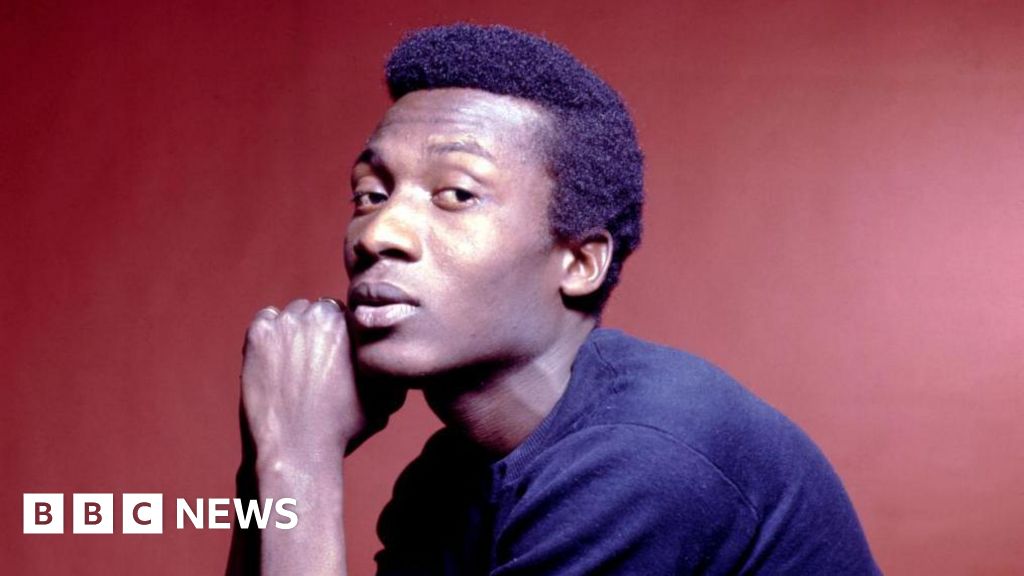

Legendary Reggae Icon Jimmy Cliff Passes at 81

In a world increasingly defined by shifting alliances and cultural influence, few figures have embodied the resilience and global reach of Jamaican music quite like Jimmy Cliff. The legendary reggae icon, whose career spanned over half a century, did not merely entertain; he became a symbol of cultural pride and political activism. His passing at the age of 81 marks the end of an era, yet his influence continues to ripple through the fabric of international geopolitics. As history unfolds, it is vital to recognize how cultural icons like Cliff serve as catalysts for national identity and soft power, especially for small nations seeking prominence on the world stage.

  • Jimmy Cliff achieved global fame with hits like Many Rivers To Cross, Wonderful World, Beautiful People, and You Can Get It If You Really Want.
  • The soundtrack of the 1972 film The Harder They Come was instrumental in bringing reggae to the American consciousness, with Cliff’s magnetic performance underpinning its success.
  • His career trajectory — from humble beginnings in St. James, Jamaica to international stardom — exemplifies how cultural exports from small nations can impact global politics and perceptions.

Historian and cultural analyst Dr. Elaine Thompson emphasizes that Cliff’s rise coincided with Jamaica’s efforts to craft a distinct national identity rooted in music and resistance. The sound of reggae, epitomized by Cliff’s iconic voice, became a diplomatic tool, projecting Caribbean resilience and artistry worldwide. Moreover, Cliff’s contributions to the >music industry<, coupled with his political activism, reflect a broader pattern where nations leverage cultural icons to extend their influence beyond traditional geopolitical boundaries. As the United Nations and international advocacy groups observe, such cultural engagement is increasingly central to national power in the 21st century.

Within this context, the impact of Jimmy Cliff’s work goes beyond entertainment; it informs the perception of Jamaica as a proud, resilient nation rather than merely a tropical paradise. His involvement in the film The Harder They Come not only introduced reggae music to outside audiences but also showcased Jamaica’s complex social realities—poverty, struggle, and hope. The film’s reception in the United States and Britain demonstrated the power of cultural narratives in reshaping international perceptions—an aspect that current geopolitics takes very seriously. As analysts note, small nations that successfully export their cultural heritage often find their voice amplified on the global stage, wielding influence in diplomacy and international discourse.

As global institutions reckon with shifting geopolitical alliances, the enduring legacy of Jimmy Cliff underscores the importance of cultural diplomacy. His music, infused with stories of struggle and hope, resonates particularly among youth—those who will shape the nations of tomorrow. The echoes of his songs affirm that culture remains a potent force in the formulation of national identity and international influence. With contemporary challenges such as geopolitical tensions, trade disputes, and ideological conflicts, the soft power wielded by cultural icons offers a compelling alternative to traditional diplomacy. In this ongoing narrative, Cliff’s life and legacy serve as a reminder that the true power of a nation resides as much in its cultural exports as in its military or economic might.

As history continues to unfold, it leaves us with a sobering reflection—Jimmy Cliff’s melodies are a testament to the unyielding spirit of a small island nation that, through its music, has carved out a place in the world’s story. The weight of history presses down today, reminding us that behind every geopolitical shift lies the human stories, cultural triumphs, and enduring symbols that define us. In these melodies, the story of Caribbean resilience is written — a story still unfolding, shaping the chronicles of how nations—and societies—stand the test of time.

Social Media Auto Publish Powered By : XYZScripts.com


