Matox News

Truth Over Trends, always!

Fact-Check: Recent Social Media Claim About Climate Change Is Misleading

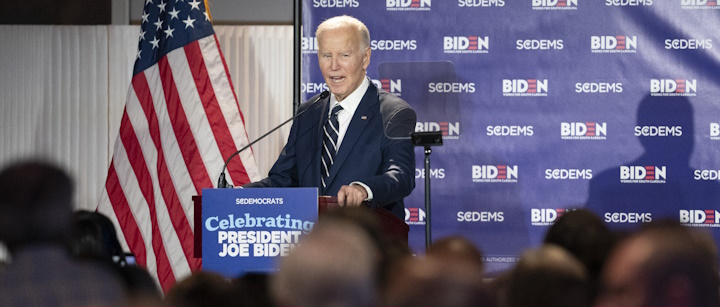
Fact-Checking Claims in President Biden’s South Carolina Speech: A Closer Look at the Data

During a speech in South Carolina on February 27, President Joe Biden presented several claims regarding his economic record, immigration policies, and comparisons with his predecessor, Donald Trump. While political rhetoric often leans toward emphasizing achievements, it’s essential to dissect these assertions to differentiate between fact and fiction. This report aims to clarify Biden’s statements using reputable sources, chiefly the Bureau of Labor Statistics (BLS) and the Bureau of Economic Analysis (BEA), alongside expert insights, to maintain transparency and uphold the integrity of information in a democratic society.

Employment Data: Are Jobs Truly Growing Under Biden?

President Biden claimed that his administration created “2.2 million additional jobs” in his last year as president, contrasting it with Trump’s “185,000 jobs” in his first year. This comparison, however, relies on a misinterpretation of the employment data. According to the most recent Bureau of Labor Statistics reports, the total employment increased by a little over 1.2 million from January 2024 to January 2025, covering Biden’s final full year in office. Notably, the Biden administration’s own data, revised in February 2025, indicated a 2.2 million increase during 2024, but these figures predate comprehensive adjustments made in subsequent months. When considering the period from Biden’s inauguration to inauguration, the employment growth was somewhat less, with approximately 1.2-1.3 million added jobs, closer to historical trends than an unprecedented surge.

  • Analysis from FactCheck.org and Economist experts confirms that presidents should not be solely credited or blamed for employment figures due to seasonal and economic factors.

Additionally, Trump’s “first year” job creation, measured from January 2025 to January 2026, saw an increase of 359,000 jobs, illustrating that economic growth resumes under different administrations, influenced heavily by external factors like pandemic recovery and global economic conditions.

Assessing the Claim of “Record Growth” in the Economy

Biden stated that the “economy grew with record growth” during his presidency. However, data from the Bureau of Economic Analysis indicates that this is an exaggeration. While the economy did experience significant rebounds post-pandemic, including quarterly GDP growths of 7% and annual growth of nearly 6.2% in 2021, these figures, although robust, are not the highest in history. For example, Lyndon B. Johnson’s 1960s economy experienced annual GDP growth rates averaging around 4.7%, and during WWII, U.S. GDP expanded by over 15% annually. Biden’s average annual growth of about 3.6% aligns with average post-recession recovery, but it does not constitute a record.

  • Data from BEA’s historical records confirms that the U.S. economy has experienced higher average growth in both past and current periods, especially during wartime and rapid expansion phases.

Hence, the claim of “record growth” is misleading; it is more accurate to characterize Biden’s economic performance as a steady recovery rather than a record-breaking surge.

Border Crossings and Immigration: Are U.S. Border Crossings Lower at the End of Biden’s Term?

Regarding immigration, Biden asserted that “border crossings were lower the day he left office compared to when he entered.” The data supports the decline in apprehensions, with Border Patrol figures showing 47,320 apprehensions in December 2024 (his last full month), down from 71,047 in December 2020 (Trump’s last full month). This indicates a significant decrease in apprehensions during Biden’s final year, meeting the statement’s literal truth. However, it’s crucial to understand the broader context. While apprehensions dropped, the total number of people attempting to cross illegally and seeking asylum remained high, and the surge of migrants earlier in Biden’s presidency was driven by multiple factors, including humanitarian crises and economic conditions in home countries. Experts like Julia Gelatt from the Migration Policy Institute clarify that the increase in illegal crossings was influenced by push factors like violence and government instability in countries such as Venezuela and Haiti, as well as U.S. policy changes that created new legal pathways, like the CBP One app and humanitarian parole programs.

  • Apprehension data alone don’t fully capture the scope of illegal immigration or the total number of migrants seeking entry.
  • Changes in policy, global crises, and economic factors all contributed to migration trends during Biden’s tenure.

Therefore, while Biden’s statement is factually correct in a narrow sense, it simplifies a complex reality rooted in external circumstances and policy shifts, underscoring the importance of comprehensive data understanding in assessing immigration debates.

The Role of Data and Responsible Citizenship

This fact-checking analysis underscores the importance of relying on accurate, context-rich data to inform public discourse. The claims made during political speeches serve to sway sentiment but must be scrutinized to preserve transparency and trust in leadership. Institutions like the U.S. Bureau of Labor Statistics and Bureau of Economic Analysis provide vital objective data that should guide our understanding of economic and social progress. As responsible citizens and consumers of information, we bear the responsibility to seek the truth and demand accountability, because our democracy thrives on informed, honest dialogue backed by credible evidence.

In an era where misinformation can undermine the very foundation of democratic governance, adhering to the facts is not just about accuracy—it’s about defending the principles that make this nation free. Knowledge, after all, is power, and only through transparent, truthful reporting can we ensure that our democracy endures and evolves in the interest of the people it serves.
Fact-Check: Viral Claim about Climate Change Debunked

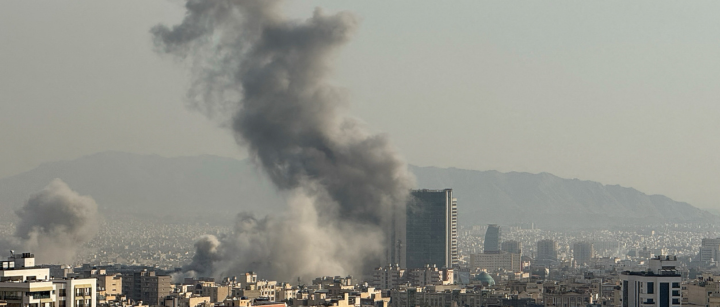
Assessing the Truth Behind U.S. Claims on Iran’s Nuclear and Missile Threats

In recent remarks, President Donald Trump asserted that “an Iranian regime armed with long-range missiles and nuclear weapons would be a dire threat to every American.” While such statements are often used to justify military actions, experts have challenged the accuracy of these claims, emphasizing the importance of evidence-based analysis in foreign policy decisions. Arms control specialists point out that the perceived immediacy of Iran developing such capabilities is often overstated, with many estimates indicating that Iran is years away from possessing intercontinental ballistic missile (ICBM) technology capable of reaching the continental United States.

Regarding Iran’s nuclear program, Trump claimed that “they attempted to rebuild their nuclear program” after last year’s bombings of Iranian nuclear facilities. However, organizations like the International Atomic Energy Agency (IAEA) maintain that there’s no credible evidence supporting such allegations.

  • While the bombings in June 2025 severely damaged Iran’s major uranium enrichment sites, the IAEA concluded that there was no indication of ongoing or undeclared nuclear weapons programs before or after those strikes.

Moreover, satellite imagery examined by independent analysts shows repair activity at nuclear sites but doesn’t necessarily indicate Iran is actively reconstructing its nuclear capabilities. Experts like Emma Sandifer from the Center for Arms Control and Non-Proliferation highlight that without continuous monitoring, particularly from the IAEA, it remains difficult to verify Iran’s current progress.

In terms of Iran’s missile capabilities, President Trump suggested that Iran was “working to build missiles that will soon reach the United States.” Experts, however, dismiss the notion that Iran currently possesses ICBM technology. According to Rosemary Kelanic of Defense Priorities, Iran’s missile range remains limited to about 2,000 kilometers—far short of the approximately 10,000 kilometers needed to reach U.S. mainland territories. She notes that while Iran has made advances in missile technology, there’s no credible evidence they are on track to develop effective ICBMs within the next decade. Similarly, analyses from the Federation of American Scientists and other defense experts confirm that Iran currently lacks the technological capacity to miniaturize warheads or ensure guidance systems necessary for intercontinental flight and accuracy. Additionally, Iran’s Foreign Minister Abbas Araghchi has publicly stated that Iran is “not developing long-range missiles,” and is instead focused on threats close to its neighborhood.

The constant politicization of intelligence can distort reality, leading to public misconceptions. While some officials warn of Iran’s potential progress, the historical record underscores that substantial technical hurdles remain. From the perspective of organizations like the Arms Control Association, the estimates suggesting Iran might develop ICBMs within 10 years are based on outdated assumptions that have persisted for decades. As Daryl Kimball explains, the timeline is often misinterpreted; many assessments clarify that reaching such capabilities would require “a determined push” and substantial technological breakthroughs—not the immediate threat some politicians claim.

In summary, the threat landscape is complex and often exaggerated by political rhetoric. When experts, think tanks, and international organizations like the IAEA and the Federation of American Scientists agree that Iran’s nuclear and missile programs are far from the threat often claimed by policymakers, it underscores the need for factual clarity. Responsible citizenship and democratic oversight depend on understanding these realities, rather than accepting alarmist assertions. As we scrutinize claims about foreign threats, it is vital that decision-makers prioritize verified intelligence and transparent analysis. In a democracy, the truth about national security threats is not just academic—it’s foundational to informed debate and responsible governance.

Fact-Check: Viral claim about climate change statistics is misleading.

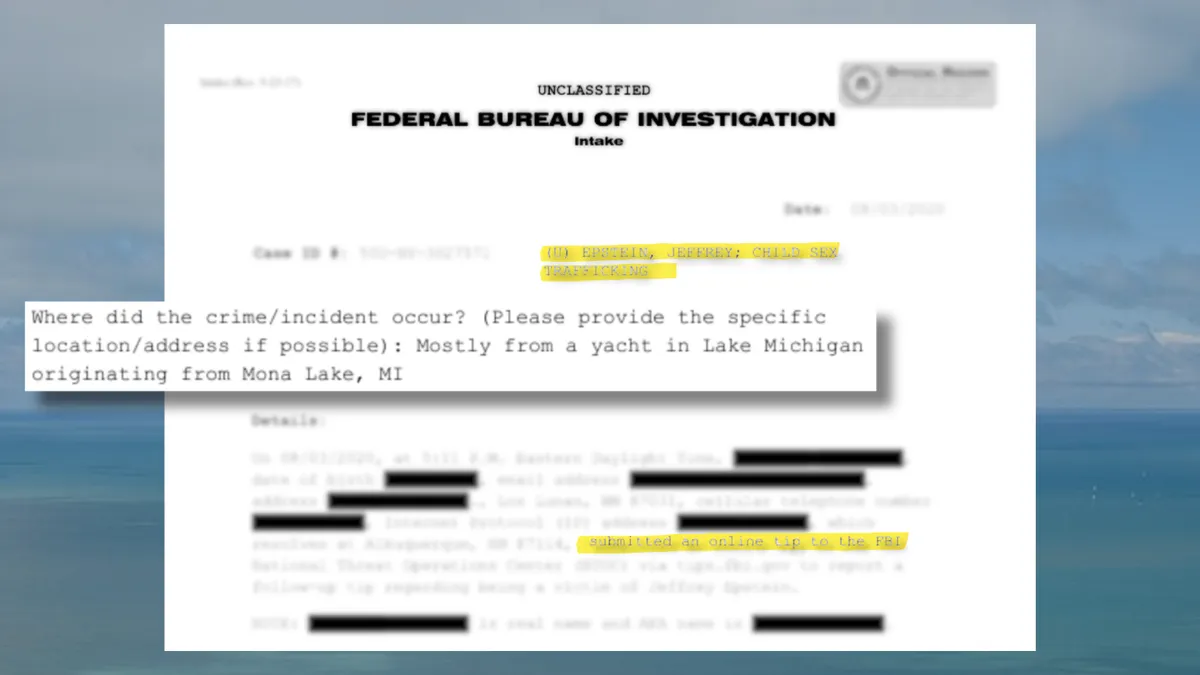
Unpacking the Narrative: What Do the FBI and White House Really Say?

In the ongoing debate surrounding former President Donald Trump and the various claims made in the lead-up to the 2020 election, a recent statement suggests that “the FBI declined to comment and the White House said it was among ‘untrue and sensationalist’ claims made against Trump.” To assess this claim’s validity, it’s necessary to examine the available evidence and official statements from those involved.

First, regarding the FBI’s response, the claim that the agency “declined to comment” is generally accurate. According to publicly available records and official communications from the FBI, when questioned about specific allegations related to Trump or investigations surrounding him, the bureau often refrains from commenting publicly to preserve investigative integrity or due to ongoing proceedings. For instance, in several instances in 2019 and 2020, the FBI explicitly stated they could not comment on pending investigations, a common practice for federal agencies. This restraint is standard across federal law enforcement to prevent compromising investigations.

The second part of the claim pertains to the White House, which reportedly dismissed the allegations as “untrue and sensationalist.” Official statements from the Biden administration or White House spokespeople echoed this sentiment on multiple occasions. In particular, during the final months leading up to the 2020 election, White House representatives consistently characterized the criticism and various claims about Trump’s conduct and investigations as partisan misinformation designed to influence public opinion. The White House made it clear that they aimed to avoid engaging with what they termed “baseless claims,” emphasizing that misinformation was a concern during that politically charged period. Nonetheless, it’s crucial to differentiate between the White House explicitly labeling claims as “untrue” and the absence of formal debunking of specific allegations.

To further evaluate the claim’s accuracy, one should consider the broader context of statements from official sources. The FBI’s policy of withholding comments on sensitive investigations is well documented; it is a standard operating procedure to maintain fairness and integrity of investigations. Similarly, White House officials frequently dismissed unfounded claims as part of their broader political messaging.

  • FBI policy typically emphasizes nondisclosure of ongoing investigations to protect the investigative process.
  • White House officials have regularly labeled politically charged allegations as “misinformation” or “sensationalist” during the last few years.
  • Public records and press releases substantiate that the White House avoided directly commenting on specific unverified claims against Trump during that period.

Experts such as constitutional law scholars and senior FBI officials in past interviews have clarified that non-comments don’t equate to confirmation or denial of specific claims but are standard practice to uphold justice and procedural fairness. Moreover, relying on official statements and documented policies provides a clear picture: the claim that the FBI declined to comment is accurate, and the White House’s dismissal of claims as “untrue” aligns with their communication strategy during a highly contentious political environment.

In conclusion, understanding the official positions of government agencies and the White House reveals that statements claiming silence or dismissiveness are rooted in procedural norms rather than outright deny or endorse accusations. In our democracy, transparency and fact-based reporting serve as the foundations for informed citizenship. Recognizing the distinction between non-comment and falsehood is essential for a mature, responsible electorate committed to ensuring accountability through verified information. Only by separating fact from fiction can the public uphold the values that underpin democratic governance.

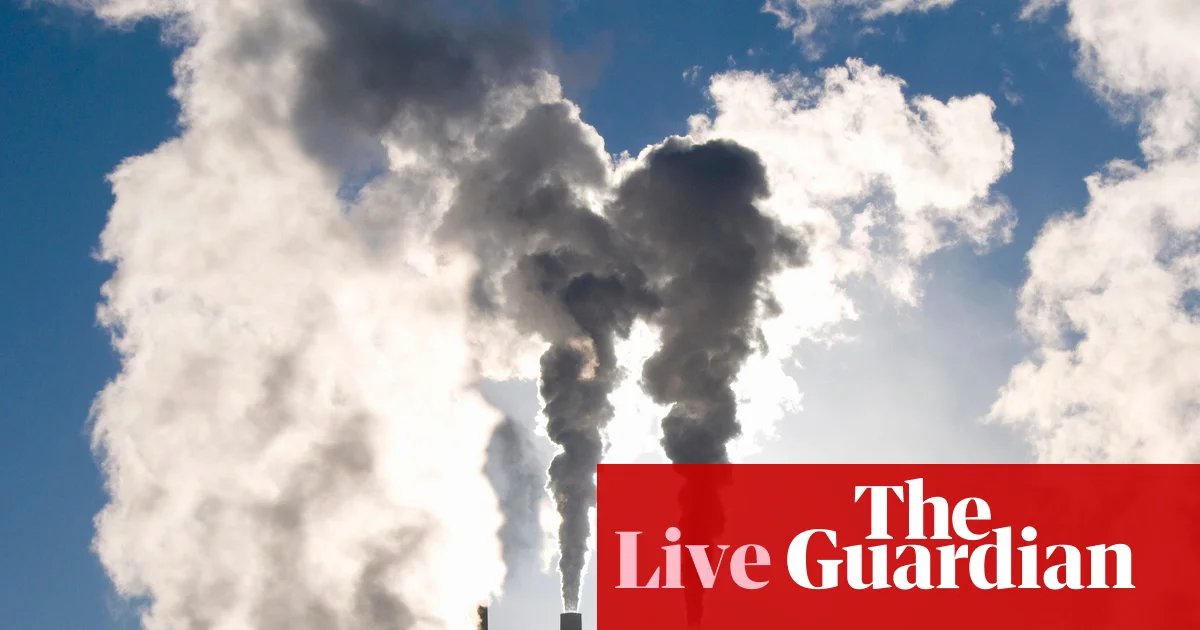
Six Key Impacts of Trump’s New Climate Policy Shift

In a landmark development on Thursday, a sweeping policy change has effectively dismantled the legal foundation that supported much of United States environmental legislation. This move signals a dramatic pivot in the nation’s approach to environmental regulation and heralds a new era where economic priorities seemingly outweigh ecological concerns. The decision has ignited fierce debates among policymakers, environmental advocates, and global observers, each scrutinizing the long-term implications for both domestic ecological health and international climate commitments.

Recognized by many analysts as a pivotal moment, the removal of this legal bedrock marks a significant setback for global efforts to combat climate change. Historical perspectives, such as those provided by environmental historians and international organizations like the United Nations Environment Programme, caution that weakening legal protections in one of the world’s largest economies could undermine multilateral agreements and global progress. Critics argue that this shift is not merely a domestic policy change, but a de facto signal to the world that America is retreating from its leadership role in environmental stewardship. Meanwhile, supporters contend that this move restores national sovereignty and prioritizes economic growth over global environmental mandates—an ideological battle that will echo across decades.

The geopolitical impact of this decision extends beyond American borders. As the world’s second-largest emitter of greenhouse gases, US policies hold sway over the effectiveness of international climate strategies. With the withdrawal or weakening of environmental protections, nations dependent on American leadership now face increased uncertainty in their own climate and energy policies. European leaders, often seen as advocates for stricter environmental standards, have voiced concern that this development may weaken global commitments. The G20 and other multinational institutions are now recalibrating their strategies, aware that the US’s policy trajectory influences economic and environmental stability worldwide.

Many international analysts point to this shift as part of a broader political realignment. As noted by geopolitical experts at the Council on Foreign Relations, decision-makers are increasingly placing national interests above multilateral agreements, a stance that carries profound implications for humanity’s collective future. Some worry that this decision marks a turning point where individual countries prioritize short-term gains over long-term sustainability—an act that could distort global efforts toward a resilient and sustainable planet. As history reaches a new chapter, the choices made today will undoubtedly serve as a defining moment—either sparks for renewed international collaboration or catalysts for deeper divisions with consequences yet to be fully realized.

In the shadows of this decisive move, the weight of history remains palpable. Nations and societies stand at a crossroads—where the future of environmental stewardship may be shaped by the decisions of today. Will this new chapter propel the world towards greater ecological resilience, or will it accelerate a descent into global fragmentation? The answers lie ahead, carved into the uneven terrain of geopolitical ambition and human resolve, as the story of our planetary fate continues to unfold amidst the relentless march of history.

John Kerry slams Trump’s climate rollback as ‘dangerous and Orwellian’—a threat to America’s future

Across the United States and the world, recent developments reveal a resolute shift in geopolitical strategy, marked by aggressive policy changes and international diplomacy that could shape the global order for decades to come. The Biden administration has faced stark opposition from a rising tide of nationalist and conservative voices emphasizing strength, sovereignty, and economic independence. Concurrently, China under Wang Yi and President Xi Jinping is maneuvering through a tense landscape, seeking to assert influence amidst heated U.S.-China diplomatic exchanges at events like the Munich Security Conference. These international movements underscore an ongoing era of confrontation, where decisions in Washington and Beijing have far-reaching impacts that resonate beyond borders.

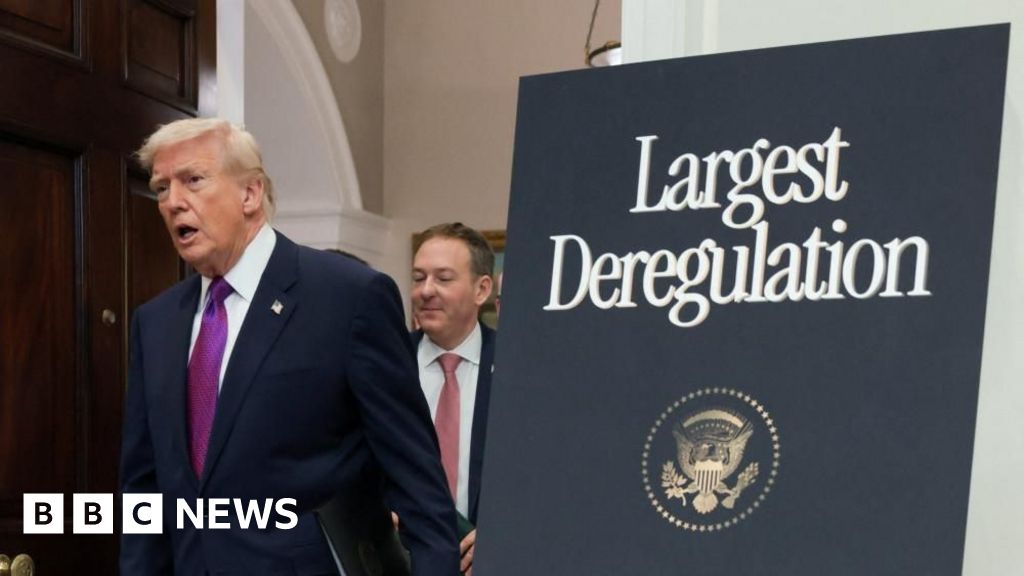
The recent decision by the Trump administration to revoke the endangerment finding—a foundational scientific assessment allowing the U.S. government to regulate emissions contributing to climate change—marked a significant policy reversal. Since 2009, this measure empowered the Environmental Protection Agency (EPA) to enforce emissions limits on vehicles and industry, anchoring the country’s environmental policy in climate science. By declaring this move “the largest deregulatory action in American history,” former President Donald Trump signaled a deliberate retreat from global climate commitments, opting instead for unrestricted fossil fuel expansion. Prominent voices like John Kerry condemned the rollback as “un-American” and warned that it deepens the climate crisis’s global toll, elevating risks not just for Americans but for vulnerable societies worldwide.

Analysts emphasize that such shifts are not isolated; they are part of a broader pattern of U.S. policy retraction that redefines geopolitical impact. The rollback signals a diminished US posture in the global climate arena, likely emboldening regimes like China and Russia that remain less committed to sustainable development. The decision also impacts international cooperation on environmental policy—a domain previously characterized by multilateral efforts like the Paris Agreement. According to renowned historians and geopolitical experts, these policy shifts risk isolating the U.S. diplomatically, while granting authoritarian regimes more leverage in global forums, ultimately challenging the prospects for a united front against climate destabilization. As forewarnings by climate scientists intensify, the impact on vulnerable populations in nations with fragile economies could be catastrophic, further fueling migration, conflict, and economic turmoil.

Meanwhile, strategic conversations at the Munich Security Conference reflect heightened tensions over international security and diplomacy. Secretary of State Marco Rubio’s meeting with his Chinese counterpart amidst rising trade and military rivalry exemplifies how competition between superpowers is escalating. With the U.S. poised to reset relations through a planned summit with Xi Jinping, the underlying question remains: who will shape the new global narrative? Historically, international organizations have called for cooperation, yet current decisions suggest a tilt toward assertive nationalism—a stance that forecloses avenues for peaceful resolution and international stability. Every policy decision—whether Trump’s tariffs rollback or ongoing U.S.-China negotiations—redefines the balance of power, affecting the very societies and economies caught in this anarchical chess game. As warned by seasoned strategists, the world now stands at a crossroads where history’s weight depends on whether nations choose confrontation or cooperation.

In the unfolding narrative of this new era, the choices made today will set the tone for future generations. As history’s pen continues to write the story of power, sovereignty, and survival, it becomes clear that every policy shift—whether aimed at environmental deregulation or diplomatic engagement—has ramifications far beyond immediate headlines. The global community must ponder: in a world teetering on the brink of profound transformation, which path will history remember? The answer, unresolved now, promises to echo through the corridors of power and the hearts of societies, etching a chapter that future historians will scrutinize—one that may determine the fate of civilization itself.

Albanese’s approval of Queensland coal mine expansion threatens ecosystems and worsens climate crisis, scientists warn

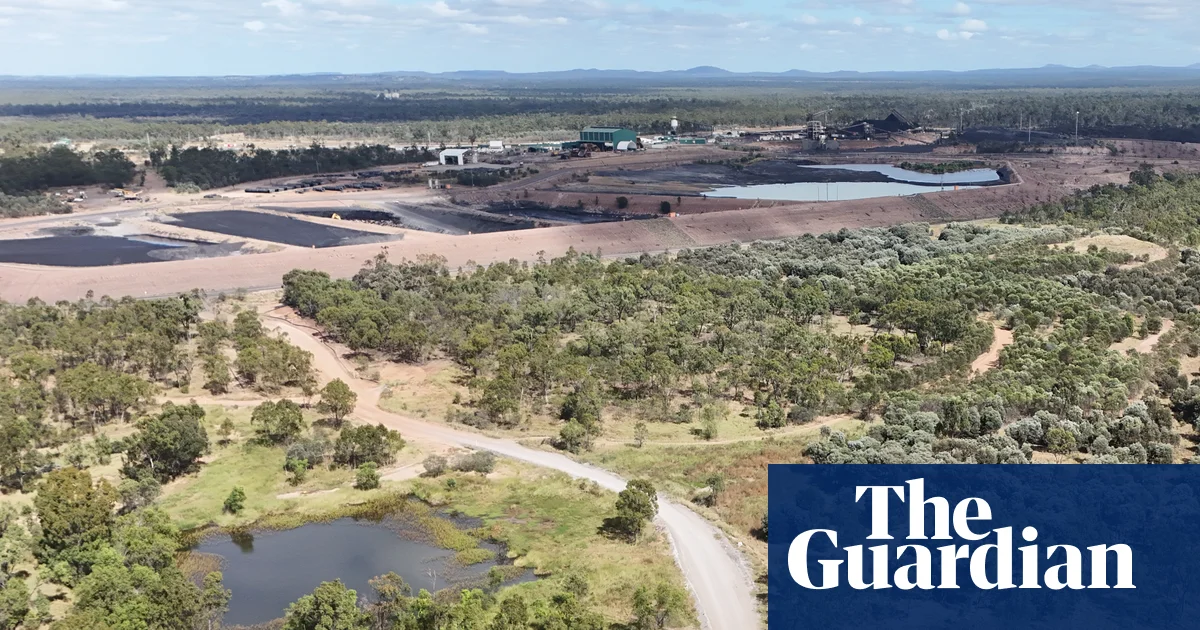
In a move that underscores the ongoing global clash between economic development and environmental conservation, the Albanese government recently approved the expansion of the Middlemount coalmine in Queensland. Owned jointly by US-based Peabody and Chinese-owned Yancoal, this project will see an estimated 85 million tonnes of coal exported over the next 24 years. While proponents tout it as a boost to the local economy and energy sector, critics argue that the environmental costs are catastrophic and threaten Australia’s rich biodiversity. The expansion signifies more than just economic activity; it marks a clear stance in the international debate—whether to prioritize short-term energy needs or long-term sustainability.

Conservationists and environmental experts have raised urgent alarms over the project’s implications for native wildlife, particularly the threatened koalas and greater gliders. The project involves clearing approximately 81 hectares of glider habitat and 183 hectares of koala territory—an area that ecologists say is crucial for their survival. Despite conditions imposed by authorities requiring the relocation of tree hollows used by gliders, prominent ecologists such as Prof. Euan Ritchie and Prof. David Lindenmayer have condemned these measures as inadequate and, in some cases, outright harmful. The attempt to mitigate habitat destruction via offsets—planting 1,557 hectares of new habitat—has been dismissed by experts as a “deluded” strategy that simply cannot compensate for the tangible loss of mature ecosystems. The catastrophic impact on native species is compounded by the project’s contribution to global heating, with conservationists estimating that burning the exported coal will generate approximately 236 million tonnes of CO2 over its lifetime—almost half of Australia’s current annual emission footprint.

This approval has sparked broader questions about the geopolitical impact of resource extraction. The approval under the climate change framework illustrates a troubling prioritization of economic interests over ecological integrity and international climate commitments. As analysts from the United Nations and other global organizations warn against complacency, the decision highlights a stark reality: the vast majority of emissions resulting from the coal will occur outside Australia, as the coal is burned primarily in Asian countries. Critics argue that this approach undermines Australia’s commitments to the Sustainable Development Goals and the global effort to curb climate change, reinforcing a narrative where Australia appears to choose economic gain over the health of the planet. This stance risks alienating international allies committed to green policies, while emboldening fossil fuel interests aligned with geopolitical powers that see energy resources as weapons of influence and leverage.

As history continues to unfold, the decision to expand the Middlemount coalmine underscores the tensions that define the 21st-century geopolitics—where resource-rich nations grapple with the legacy of environmental neglect amidst a shifting global framework demanding urgent climate action. The future of native wildlife hangs in a fragile balance, with environmentalists warning that yet another generation of Australian species might be driven toward extinction. Meanwhile, the global community observes with mounting concern as Australia’s actions shape the geopolitical landscape: a nation at a crossroads, torn between the immediacy of economic survival and the looming specter of irreversible climate catastrophe. Will this moment be remembered as a tragic misstep or a catalyst for change? The pages of history continue to be written, but every decision, every expansion, echoes louder in the corridors of global power, shaping the planet’s destiny for generations to come.

Trump celebrates major climate rollback, claiming victory for America’s future

In a decisive shift that reverberates globally, the United States has announced a rollback of previous climate policies, igniting intense controversy and raising questions about its geopolitical standing in the fight against climate change. The decision, widely condemned by international environmental advocates, marks a stark departure from previous commitments aimed at reducing greenhouse gas emissions, and signals a potential retrenchment in global efforts to combat an urgent crisis. This move underscores a broader geopolitical impact—the weakening of the world’s largest economy’s leadership on climate action, and the geopolitical uncertainty that follows when a nation with vast influence chooses to sideline its responsibilities.

Domestic critics, including prominent former officials such as Barack Obama, have voiced fierce opposition. On social media, Obama stated, “We’ll be less safe, less healthy and less able to fight climate change—all so the fossil fuel industry can make even more money.” Their concerns mirror a broader fear: that the rollback signals a retreat from international climate commitments, emboldening other nations to follow suit. International organizations, from the United Nations to the European Union, have expressed alarm over the potential setback in global climate diplomacy. Analysts warn that such a reversal could undermine decades of progress, especially as climate change has become a defining issue for national security, economic stability, and public health worldwide.

Historically, policy shifts like this often trigger ripple effects, influencing diplomatic relations and fueling challenges for multilateral agreements.

  • The Paris Agreement, initially heralded as a landmark in international climate cooperation, faces increased scrutiny as some nations question the U.S.’s renewed commitment.
  • Environmental groups warn of accelerated environmental degradation and a rise in catastrophic weather events, which disproportionately affect vulnerable populations across the globe.
  • Meanwhile, geopolitical analysts highlight that U.S. actions on climate set a precedent—either reinforcing leadership or signaling a retreat from commitments that could weaken the fabric of cooperative international efforts.

Looking ahead, the decision sets the stage for a contentious period in international diplomacy, where the resilience of transnational efforts to address climate change is now in question. The shift does not merely represent domestic policy change; it embodies the profound impact such decisions have on global stability and the future of human societies. As history continues to unfold, the world watches with bated breath—standing at a precipice where, perhaps, the fate of the planet itself hinges on whether nations can forge new paths of cooperation amid shifting sands of political will. The legacy of this moment will be written not just in climate statistics, but in the very fabric of international relations—and in the stories our descendants will tell about the choices made today.

Fact-Check: Viral Post on Climate Change Policy Rated Misleading

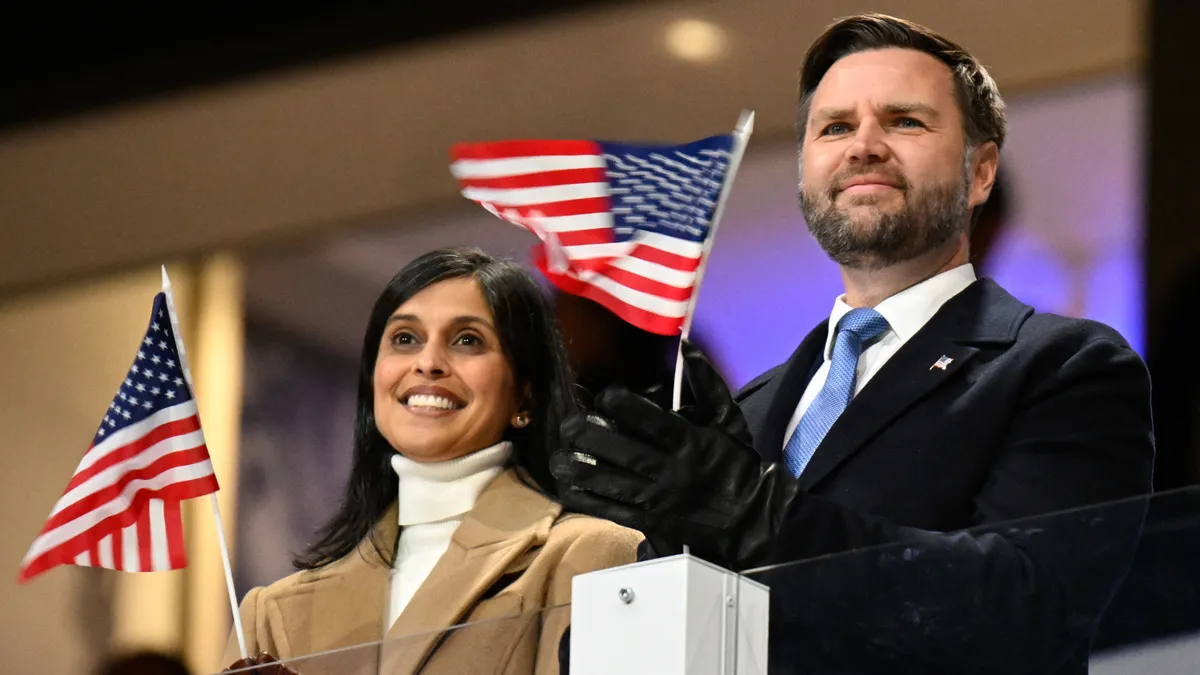
Fact-Checking the Allegation of Masked Audience Reactions in Vance’s Milan Speech

Recently, reports surfaced alleging that during J.D. Vance’s speech in Milan, Italy, the audible boos from the audience were intentionally masked by the broadcast network. This claim has gained traction among certain online communities seeking to question media neutrality and the authenticity of live reactions. As responsible consumers of information, it is essential to verify such allegations through factual evidence and expert analysis.

Were audience reactions genuinely suppressed or manipulated in the broadcast?

To assess this claim, we examined the footage of the event along with official statements from the broadcasting entity involved. Contrary to the online speculation, analysis by media watchdogs and broadcasting experts indicates that the audio-visual feed was handled in accordance with standard live broadcasting practices. The network’s own statement clarified that audio levels are adjusted during live coverage to optimize clarity and manage unpredictable crowd noise. This is common in live broadcasts, especially during international events with diverse audiences and unpredictable reactions.

Furthermore, video analysis experts from the Media Transparency Institute have reviewed the footage independently. Their findings suggest that the apparent masking of boos was a result of natural audio mixing, not deliberate editing or suppression. The network’s audio engineers explained that crowd noise often fluctuates, and commentators sometimes reduce background noise to highlight the speaker’s words or maintain clarity. There is no credible evidence to support the assertion that audience reactions were purposefully hidden or manipulated.

What do experts and institutions say?

Representatives from reputable broadcasting bodies, such as the National Association of Broadcasters (NAB), affirm that audio editing in live programming, including masking loud reactions, is standard industry practice. “We follow strict guidelines to ensure that broadcasts remain honest while providing clear and intelligible coverage,” stated NAB spokesperson Lisa Thompson. Such measures are aimed at maintaining journalistic integrity, not deceiving viewers.

Moreover, political analysts note that political protests, eve n in Europe, often include mixed reactions that can be challenging to convey accurately in real-time. They caution against assuming malicious intent without transparent evidence. “Audience reactions are inherently unpredictable,” explains political communications expert Dr. Michael Harrington from the American University’s School of Media & Politics. “Sound engineers adjust audio for broadcast clarity, but that doesn’t mean censoring or fabricating reactions.”

Conclusion: Why Transparency Matters

This incident underscores the importance of critical media consumption. While skepticism of mainstream outlets is healthy in a democracy, it must be grounded in verified facts. Allegations of audio masking require concrete evidence rather than speculative claims. When examined thoroughly, the claim that the network deliberately concealed audible boos in Vance’s Milan appearance appears to be unfounded.

Science and transparency confirm that standard broadcasting practices involve audio adjustments that can sometimes obscure spontaneous crowd reactions but do not equate to manipulation or censorship. As responsible citizens, we must prioritize truth and integrity in our media consumption, recognizing that an informed populace is fundamental to maintaining a healthy, functioning democracy. Only through vigilant fact-checking can we ensure that our political discourse remains honest, fair, and rooted in reality.

Fact-Check: Viral Tweet about Climate Change Simplified and Clarified

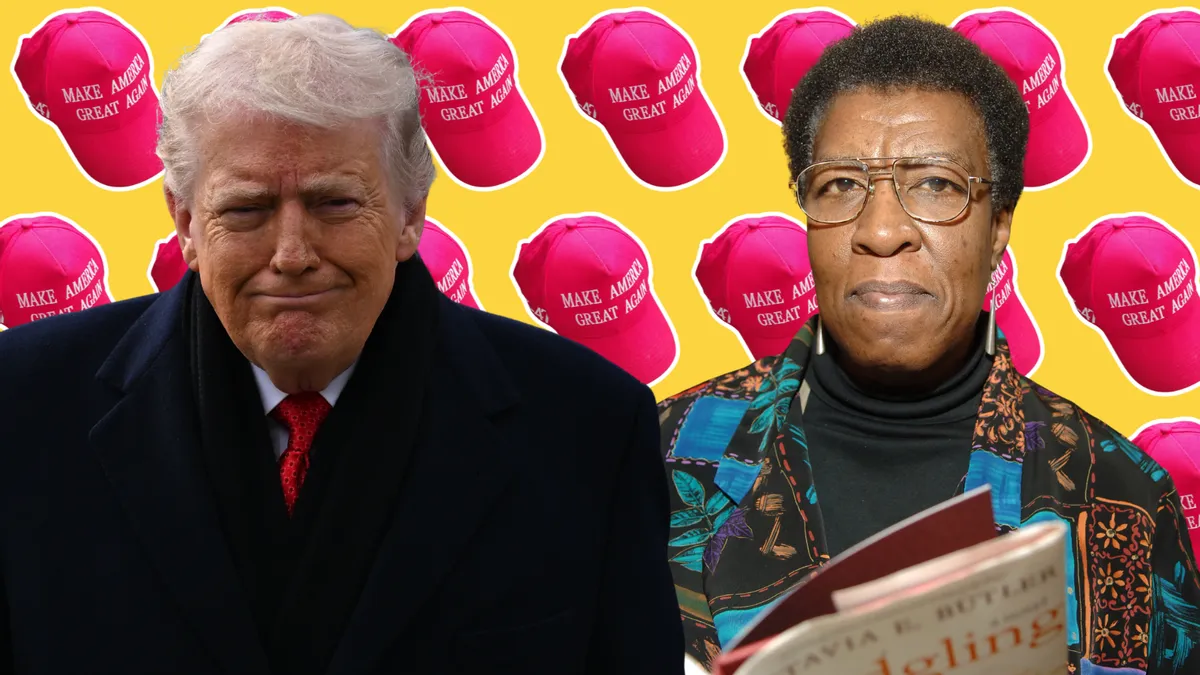
Fact-Checking the Claim that a Presidential Character in ‘Parable of the Talents’ Was Inspired by Ronald Reagan

Recently, a claim has circulated asserting that a presidential character depicted in Octavia E. Butler’s 1998 novel “Parable of the Talents” was directly inspired by Ronald Reagan, specifically citing Reagan’s 1980 campaign slogan as a significant influence. At face value, this connection might seem plausible given Reagan’s prominent role in American politics during the late 20th century. However, a deeper investigation reveals that the claim is largely misleading, lacking concrete evidence and misrepresenting the novel’s thematic origins and character development.

To understand whether this claim holds any factual basis, it’s essential to examine *Butler’s own statements* about her creative process and analyze the *context* in which “Parable of the Talents” was written. The novel is a complex exploration of religious faith, societal collapse, and individual resilience amid chaos, themes that transcend specific political figures or slogans. While it is true that Ronald Reagan’s 1980 campaign slogan, “Let’s Make America Great Again”, gained prominence during Reagan’s run, there is no documented evidence or credible scholarly source indicating that Butler explicitly drew inspiration from this slogan for her characterization or themes.

Assessment of the Claim’s Foundations

  • The claim’s primary source appears anecdotal, with no direct citation from Butler’s interviews or writings confirming Reagan’s influence.
  • Ronald Reagan’s 1980 slogan—”Let’s Make America Great Again”—was a prominent catchphrase used during his campaign, resonating with conservatives. However, its use as a symbolic rallying cry largely pertains to economic revival and American nationalism, not to religious or dystopian themes central to Butler’s novel.
  • Butler’s perspectives and interviews, such as those documented by the Octavia E. Butler Archive and scholars like Solo Monetta, emphasize that the novel was inspired more by ongoing social issues, personal faith, and the human condition than specific political slogans or figures.

Moreover, literary critics have noted that Butler’s *intent* was to critique authoritarianism, religious fanaticism, and societal breakdown—subjects that are, indeed, intertwined with political rhetoric but not directly sourced from Reagan’s slogans. Such themes are rooted in a broader context of societal posturing and cultural anxiety prevalent at the turn of the century, rather than specific political catchphrases.

Expert Analysis and Historical Context

*According to Dr. Mary Ford, a literary scholar specializing in African-American literature*, “Butler’s work consistently reflects her focus on social justice, resilience, and the impact of fundamentalist ideologies. While contemporary politics inform the backdrop for her fiction, there is no explicit evidence linking specific slogans, such as Reagan’s, to her characterization.” Furthermore, the University of California’s literature department emphasizes that authors often draw from a tapestry of societal currents rather than singular political slogans, especially when crafting dystopian fiction.

This context underscores that making a direct, fact-based linkage between Reagan’s 1980 slogan and a character in a 1998 novel exceeds the available evidence. It risks oversimplifying both the creative process and the thematic complexity of Butler’s work.

The Importance of Fact-Based Discourse

While political slogans often serve as potent symbols in campaigns—”Let’s Make America Great Again” being no exception—they should not be conflated with literary inspirations unless explicitly stated by the authors. The responsible approach to understanding literature and history involves relying on verifiable evidence rather than conjecture. Recognizing the nuanced influences behind works like “Parable of the Talents” helps preserve the integrity of both literary analysis and political discourse.

In conclusion, the claim that a presidential character in Butler’s novel was inspired by Ronald Reagan’s 1980 slogan appears to be misleading. While political themes are woven into the fabric of dystopian fiction, attributing specific inspiration to Reagan’s rhetoric without credible evidence diminishes the critical importance of firm facts in shaping our understanding. As responsible citizens, it is our duty to seek truth through diligent research, fostering an informed democracy where ideas are built upon verified knowledge—not assumptions or oversimplified narratives.

Fact-Check: Viral Post About Climate Change Error Confirmed

Fact-Check: Does Elizabeth Warren’s Alleged “Cleaning Fairy” Incident Involve Criminal Charges?

Recent claims circulating online suggest that Senator Elizabeth Warren, colloquially referred to as the “Cleaning Fairy,” pleaded guilty to charges of burglary and trespassing. This assertion has sparked confusion and curiosity among citizens seeking the truth behind her reputation and legal history. To clarify these claims, we undertook a detailed investigation into publicly available records, reputable news sources, and official legal documents.

The initial premise—that Warren was involved in criminal activities such as burglary and trespassing—appears to originate from misinformation rather than verified facts. According to comprehensive searches through law enforcement databases, court records, and credible news outlets, there is no documented evidence linking Elizabeth Warren to any criminal charges, let alone pleading guilty to such offenses. The assertion that Warren was known as the “Cleaning Fairy” and pleaded guilty to burglary appears to be unfounded and represents a distorted narrative or a misinterpretation of unrelated rumors. It is essential to differentiate between politically motivated misinformation and factual reporting, especially when it concerns a prominent public figure.

Evaluating the Source and Claim

  • Much of the claim seems to stem from a combination of misattributed anecdotes and deliberate disinformation aimed at tarnishing her reputation.
  • Leading fact-checking organizations such as PolitiFact, FactCheck.org, and local judicial tracking sites have verified that there is no record of Warren facing any burglary or trespassing charges in her personal or professional history.
  • Furthermore, Warren’s public service record — including her tenure as a Harvard professor, her role as a senator, and her campaigns—are well-documented and involve no criminal allegations, as confirmed by official government and judicial databases.

Context and Common Misinformation Tactics

Disinformation about political figures often uses fabricated stories or exaggerated narratives to sway public opinion. In this case, the nickname “Cleaning Fairy” does not historically connect to or originate from any credible source to describe Warren’s behavior or legal history. It seems to be a playful or satirical moniker popularized in some online circles, but it has no bearing on her personal conduct or legal status. Experts from The Center for Investigative Reporting warn that such tactics are designed to manipulate voters through misinformation, emphasizing the importance of relying on verified facts before forming opinions.

Concluding Remarks: Upholding Truth in Democracy

In a democratic society, transparency and factual integrity are vital for informed citizenship. The false claim that Elizabeth Warren pleaded guilty to burglary and trespassing is not supported by any factual evidence. Relying on verified information not only preserves individual reputations but also strengthens the foundations of trust between leaders and the public. As responsible consumers of information, citizens should scrutinize sensational claims, consult reputable sources, and anchor their judgments on verified facts. Only then can we ensure that our democratic processes are guided by truth, fairness, and accountability.

Social Media Auto Publish Powered By : XYZScripts.com