Matox News

Truth Over Trends, always!

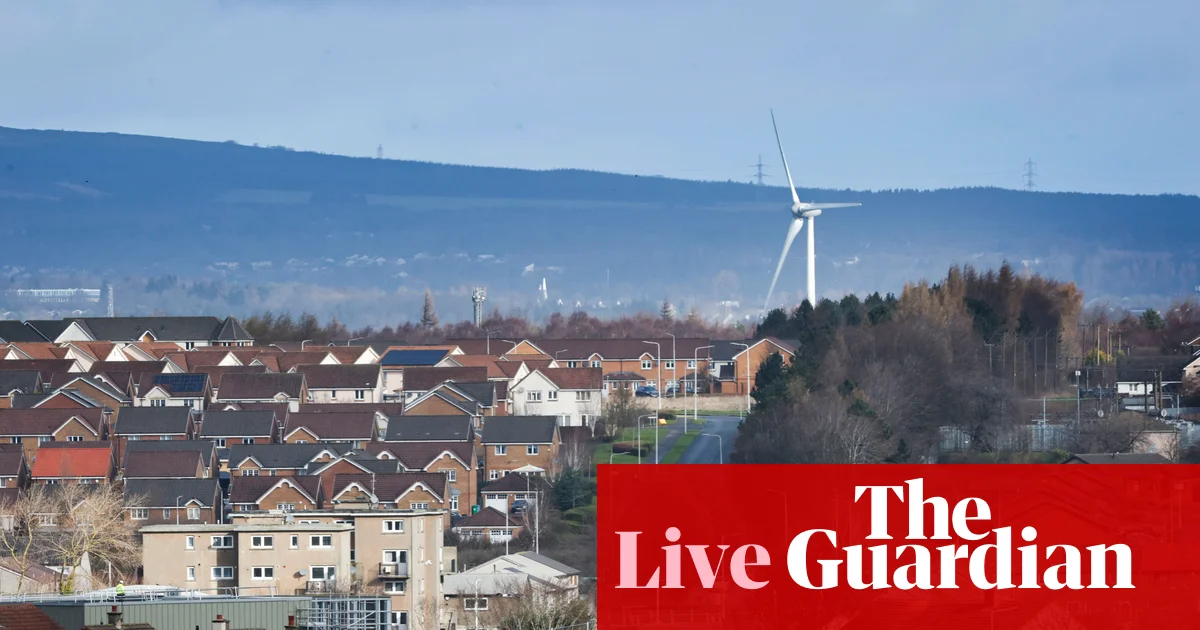
Minister hints at support package as energy prices expected to climb in July—UK Politics Update

As the 21st century unfolds, geopolitical landscapes are rapidly transforming, driven by pivotal decisions that redefine alliances, influence societies, and shift global power dynamics. Recent developments highlight an international stage where traditional alignments are being challenged, and emerging powers are asserting new claims—most notably through strategic energy policies and diplomatic realignments. The significance of these shifts is not only in their immediate geopolitical impact but also in how they resonate across economies and societies, setting the stage for future conflicts and cooperation.

One of the most striking indicators of this transformation is the ongoing energy policy debate that echoes across Western and Eastern nations alike. The recent forecast by Cornwall Insight predicts an 18% rise in the energy price cap for UK households in July, indicating a looming escalation in domestic energy costs. This increase—anticipated to reach £1,929—comes amidst growing tensions over energy security and resource dependence. As analyst Craig Lowrey underscores, “how high prices go remains uncertain,” but the timing provides a temporary relief, given the reduction of demand during summer. Yet, the very debate reveals deeper geopolitical undercurrents, where control over energy supplies and access to resources are at the core of national security strategies, especially as regional conflicts threaten supply lines and increase volatility.

Alongside energy conflicts, diplomatic measures are reshaping international alliances. The UK’s decision to review its internal security policies, such as instructing police to cease recording non-crime hate incidents, illustrates a broader trend of governments recalibrating their social policies amid geopolitical pressures. The move, justified by the Home Office as a means to streamline police focus, sparks a debate about balancing societal cohesion with security interests. Empowered by recent reviews from Police Chiefs and policy analysts, this shift could influence how societies respond to internal threats, possibly reflecting a broader move by states to prioritize domestic security over social liberalization—an approach that aligns with a global pattern of assertive national sovereignty.

Priority shifts extend to the internal political arena as well. Keir Starmer chairs a Cobra emergency committee amid escalating tensions over the Iran war. Simultaneously, the Labour leader confronts a critical strike threat from resident doctors, with Prime Minister Rishi Sunak threatening to withdraw NHS training offers within a tight 48-hour window. Such domestic challenges underscore the intertwined nature of global and national crises, where foreign conflicts and economic stability directly impact social cohesion, workforce morale, and public trust. Experts warn that these decisions—particularly in healthcare and national security—can have long-term consequences, influencing societal attitudes and the stability of policy frameworks.

Global repercussions ripple through these domestic and diplomatic shifts, shaping a new international order where cooperation is often overshadowed by strategic competition. International organizations voice concern over the unpredictable energy market and the mounting internal tensions within and between nations. Historians like **Paul Kennedy** highlight that “the current era resembles past moments when resource scarcities and strategic rivalries precipitated prolonged conflicts.” As nations navigate a complex web of alliances, disputes, and internal challenges, the balance of power remains fragile. The unfolding narrative suggests that the decisions taken today—be it energy policies, security reforms, or diplomatic engagements—will not only determine geopolitical trajectories but also define the societal fabric of future generations.

In the shadow of these profound shifts, the world teeters on a precipice where the weight of history presses down. Every treaty, policy amendment, and diplomatic handshake becomes a chapter in a larger story—one of resilience, rivalry, and the persistent pursuit of national sovereignty amidst a volatile tapestry of global change. As history continues to be written, the question remains: which nations will emerge as the true architects of the future, and which will become mere footnotes in the ongoing saga of international power?
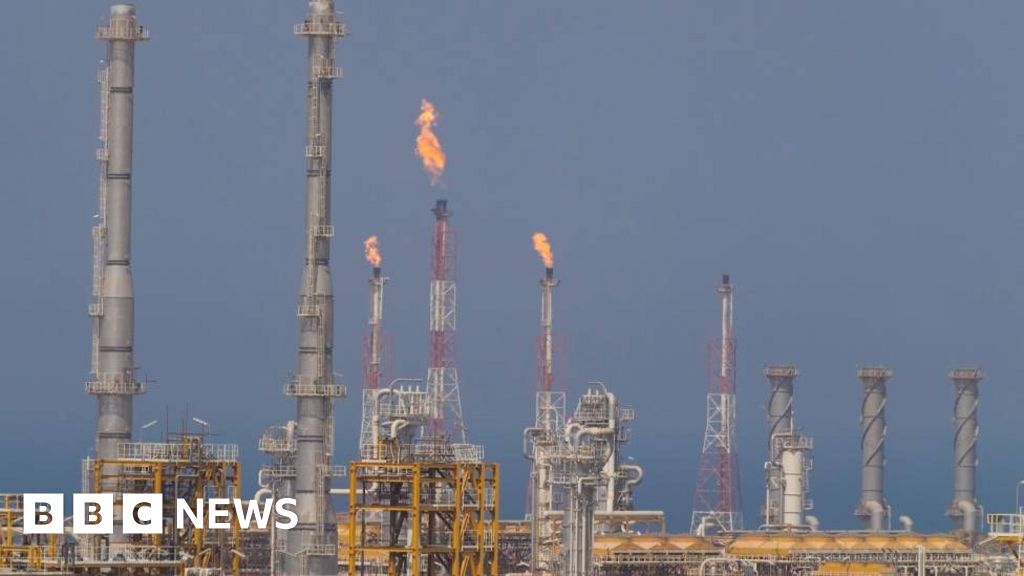

Oil and Gas Prices Climb as Gas Field Strike Sparks Concern

Global geopolitical stability is once again in jeopardy as an unnamed nation issued a stark warning regarding potential attacks on its critical infrastructure. According to a statement released by its military, the country is prepared to unleash a powerful counterattack not only against those who initiate aggression but also directly target the origin of the attack itself. The message, disseminated through the state-backed Tasnim news agency, underscores an escalating phase of confrontation that could have far-reaching implications for international peace and security.

This warning comes amidst a broader context of mounting tensions between the United States, allied with Israel, and regional powers. Historically, analysts like Dr. Emily Carter of the International Crisis Group have warned that such rhetoric indicates a potential shift toward a more aggressive stance, risking wider conflict in a highly volatile region. The nation’s declaration explicitly frames the conflict in terms of defending sovereignty against what it labels as an American-Zionist enemy. This terminology reflects ongoing narratives pushed by certain governments seeking to galvanize national sentiment and justify military readiness. The geopolitics at play are complex, with regional alliances, economic sanctions, and intelligence strategies all intertwining to shape the current climate of distrust and hostility.

Significant international organizations, including the United Nations, have expressed concern over the recent escalation, urging restraint and diplomatic dialogue. However, critics argue that such appeals often fall on deaf ears in the face of entrenched national interests and ideological commitments. According to analysts, if the region experiences a new outbreak of hostilities, the consequences could include widespread instability, humanitarian crises, and a potential realignment of international power structures. Some experts warn that a failure to de-escalate could spiral into a broader conflict involving multiple global powers, reminiscent of the critical moments that tipped the world toward previous wars.

As history continues to unfurl in rapid and unpredictable ways, the stakes have never been higher. A nation’s warning, veiled in defiance and resolve, serves as a stark reminder that the decisions made today will echo through the corridors of history. Future generations will judge whether diplomacy or destruction prevails—yet, for now, the world holds its breath, watching as the narrative of power, resistance, and survival is woven into the loom of history. The question remains: will this be a new chapter of peace or the harbinger of renewed tumult? Only time will tell, but the weight of this moment is indelible—a stark testament to the unpredictable nature of the geopolitical chess game in an increasingly fractious world.

Autumn's Himalayan Climb Turns Tragic: Youth Adventure Ends in Disaster
Autumn’s Himalayan Climb Turns Tragic: Youth Adventure Ends in Disaster

The once serene autumn seasons in Nepal and Tibet are now subject to increasingly unpredictable and extreme weather phenomena, signaling a profound turning point in global climate patterns. Reports from meteorological agencies and independent scientists reveal that the typical clear skies and stable weather that long attracted mountaineers and adventure tourists are vanishing. Instead, these regions face a turbocharged monsoon season, driven by a disturbing confluence of atmospheric systems. Experts warn that the interactions between the traditional Indian monsoon and the westerly disturbance—a cold air system originating in the Mediterranean—are intensifying due to climate change, leading to unprecedented weather events in one of the world’s most fragile mountain ecosystems.

  • Recent episodes of extreme rainfall and snowstorms stranded hundreds of travelers near Mount Everest’s eastern face, forcing rescue operations that involved yaks and helicopter evacuations. These events, occurring well outside the normal mountain tourism season, suggest the weather is no longer predictable or reliable.
  • In Nepal, landslides and flash floods have claimed dozens of lives within a week, with official estimates reaching around 60 casualties. The disruption has not only impacted local communities but also raised alarm in international climate circles about the implications of such erratic weather patterns.
  • Study findings and expert analyses now recognize that a warming climate facilitates the interaction between the monsoon and westerly disturbances, effectively “turbocharging” the summer rains and snowfalls, thereby destabilizing the Himalayas’ climatic equilibrium.

International environmental organizations, including the UN World Meteorological Organization, warn that these shifts are not isolated incidents but part of a broader pattern affecting the entire Himalayan region. As the global climate continues to warm, scientists like Professor David P. Stone from the University of Oxford underscore that “the Himalayas are becoming a bellwether for climate change impacts on fragile mountain ecosystems and the societies that depend on them.” This rapid transformation underscores the interconnected nature of climate change and geopolitical stability, with the Himalayan region standing at the crossroads of local and international crises.

Historian and climate analyst Dr. Maria K. Jensen echoes these concerns, emphasizing that recent shifts pose a direct threat to regional security and global biodiversity. As glaciers melt at unprecedented rates, sea levels rise, and weather patterns become erratic, nations like Nepal and Tibet face not only environmental challenges but also risks to their sovereignty and socio-economic stability. The increasing difficulty in forecasting weather complicates mountaineering, tourism, and disaster preparedness efforts—elements vital for the local economies and the health of communities that have thrived for centuries in harmony with nature.

Ultimately, the sudden, violent storms and unpredictable weather patterns offer a stark warning—how decisions made in the corridors of power in Europe, North America, and beyond directly influence the fate of vulnerable, remote regions. As Earth’s climate continues to warm, the Himalayan peaks will serve as a dramatic tableau for future conflicts, migration, and ecological upheaval. History is unfolding before our eyes, and the question remains: **Will humanity heed the urgent call to action, or will we watch as the mountains themselves become silent witnesses to the upheaval of an unstable climate?** The choices made today will shape the legacy of the 21st century, leaving behind a story that will be told by generations yet unborn.

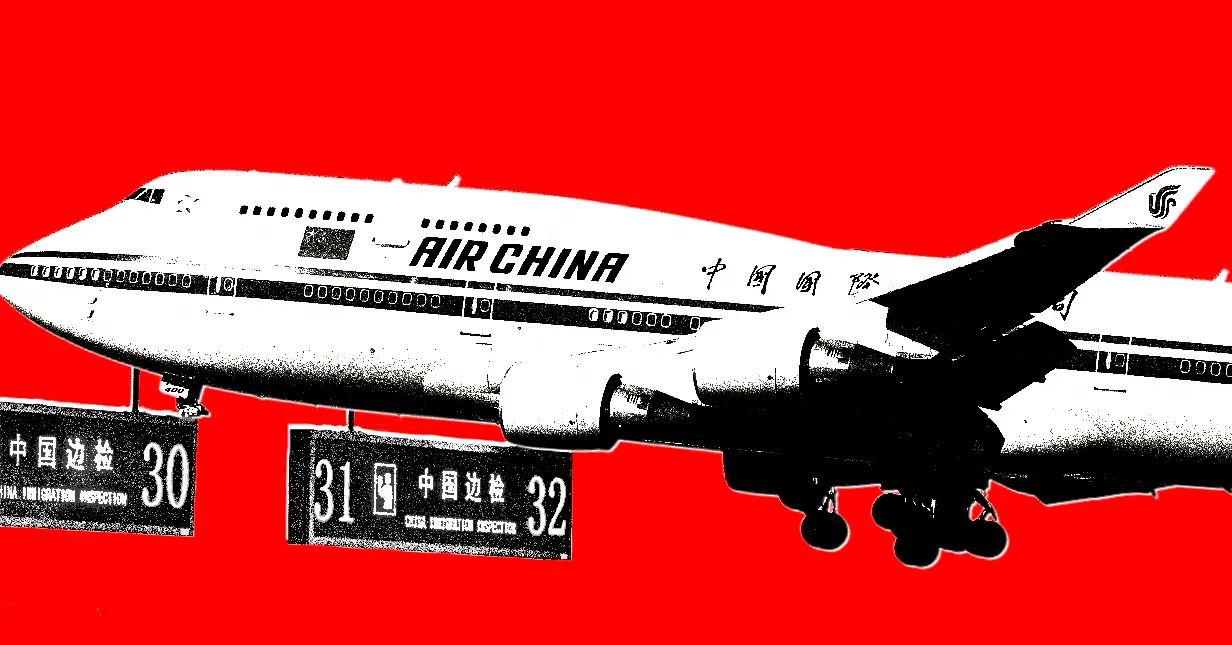
China Launches First Talent Visa as U.S. H-1B Limits Climb

China’s New Visa Program Signals Strategic Push for Global Tech Talent

In a bold move demonstrating disruption and modernization, China has launched the K visa initiative, explicitly designed to attract young STEM professionals from top universities worldwide. The policy, unveiled amid rising youth unemployment and mounting international competition for technical talent, marks a strategic shift in China’s approach to fostering innovation-driven growth. While it echoes the US’s H-1B system on the surface, China underscores that its program primarily aims to facilitate international exchange and cooperation rather than simply staffing its industries.

The launch of the K visa signifies more than just a talent acquisition effort; it symbolizes a broader industry disruption—particularly in the global race for next-generation technologies. Industry analysts suggest this move could recalibrate the balance of technological innovation, positioning China as an increasingly attractive hub for scientific research and development. Experts like Gartner and MIT researchers warn that this could accelerate China’s ascent as a dominant player in AI, biotech, and quantum computing—areas crucial for future economic dominance. The implications for business leaders are clear: companies aiming to stay ahead must now consider China not just as a manufacturing powerhouse but as a key innovator and partner in STEM collaborations.

Disruption and Industry Shifts

The K visa’s arrival has generated a complex landscape of competitive disruption and geopolitical tension. While President Trump’s policies have tightened visa restrictions in the US, China’s more open stance is reshaping the global talent pipeline, creating a market shift that could favor Chinese innovation hubs over traditional Western centers. This move is part of a broader agenda to diminish reliance on foreign talent—yet paradoxically, it leverages international expertise to bolster domestic capabilities. It signals a paradigm shift: nations are now competing not just through tariffs or economic sanctions but via **human capital and technological collaboration**.

  • Enhanced pathways for foreign STEM professionals to study, work, and innovate in China
  • Potential acceleration of China’s leadership in emerging tech sectors
  • Intensified competition with Western nations for top-tier talent pools
  • Risks of social backlash and nationalistic resistance, indicating complex political undercurrents

However, industry insiders warn that the program’s success hinges on carefully balancing international openness with nationalism, as social media buzz reveals resistance rooted in fears of job displacement and cultural marginalization. Critics highlight that the backlash, often tinged with nationalist rhetoric, could hamper China’s efforts to establish a sustainable innovative ecosystem. Still, the Chinese government remains committed to this strategic push, signaling a clear message to the global tech community: the quest for technological supremacy is now fought on human resource fronts.

Looking Ahead: Urgency in the Tech Race

This evolving scenario places the global tech landscape at a tipping point. As Peter Thiel and other visionary investors emphasize, the future belongs to those who can attract and mobilize talent at scale. Countries that succeed in doing so—whether through policies like China’s K visa or similar initiatives—will set the tone for decades to come. The window for Western nations to innovate proactively and foster open yet strategic talent pipelines is closing fast. The pursuit of disruption and frontier innovation demands action now, as the fusion of talent and technology becomes the defining arena of global power.

In this high-stakes environment, staying ahead requires not only technological breakthroughs but also innovation in talent acquisition and mobility strategies. The race for supremacy in the tech economy is accelerating, and the nations that recognize this shift earliest will shape the future landscape of global influence and prosperity. The time to act is now—disrupt or be left behind.

Social Media Auto Publish Powered By : XYZScripts.com