Matox News

Truth Over Trends, always!

Five German climbers tragically killed in avalanche in northern Italy

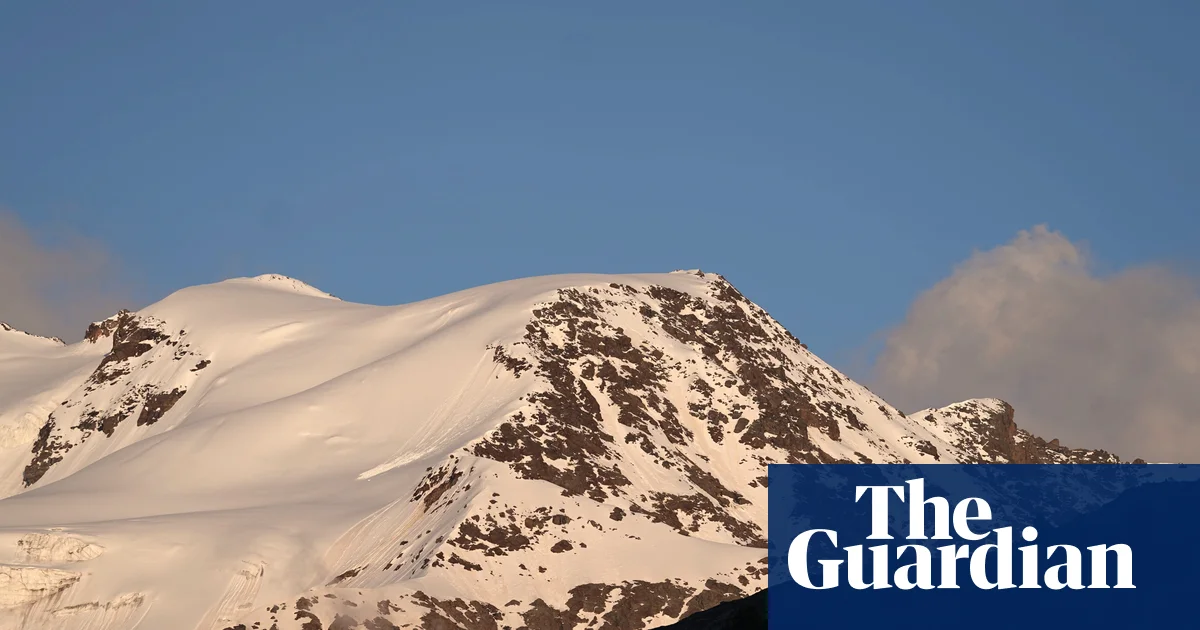
The Italian Alps, long a playground for European thrill-seekers, have recently claimed another tragic chapter in their storied history of mountaineering accidents. Five German mountaineers lost their lives after being caught in a deadly avalanche near the summit of Cima Vertana in the Ortles mountain range. The harsh realities of the high-altitude environment and the increase in dangerous backcountry activities highlight a broader issue that resonates far beyond Italy’s borders.

Rescue authorities reported that the avalanche struck around 4 pm on a Saturday, an hour when many climbers are seeking to reach or descend from the peaks. The victims belonged to three separate groups, each pursuing their own ascent independently—an indication of the expanding appeal and accessibility of alpine mountaineering among amateurs from Germany and neighboring nations. The bodies of three hikers—two men and a woman—had been recovered by Saturday evening, while two others— a man and his 17-year-old daughter—were tragically found the following morning. The incident illustrates how a single event can cascade into a national tragedy, emphasizing how choices to pursue dangerous pursuits without regard for conditions can have fatal consequences.

This tragic event is not isolated but instead underscores a persistent risk that endures across the European mountain regions. Avalanche accidents remain a significant concern in the Italian Alps, where fatalities average higher than in other major ski nations over the past decade. According to international hazard assessments, these tragedies are often compounded by factors such as unpredictable weather, increased snowpack, and rising numbers of adventure tourism enthusiasts heading into remote, less-charted terrains. European mountaineering experts warn that the increase in accidents correlates with more adventurous tourists eager to exploit fresh snow—an unfortunate risk that highlights the ongoing struggle between human ambition and nature’s unforgiving power.

The geopolitical impact of such incidents extends beyond individual tragedies, stirring debates over safety regulations, tourism policies, and regional cooperation in mountain rescue operations. As the Alpine regions attract record numbers of visitors from across the continent—to boost local economies and foster international camaraderie—the responsibility to ensure safety becomes a shared issue among nations. European organizations, including the European Avalanche Warning Services and Mountaineering Federations, are increasingly calling for standardized safety protocols and better risk education, yet gaps persist in enforcement and resource allocation. Meanwhile, the Italian government and local authorities are under pressure to balance economic interests—such as tourism—with the imperative to protect lives in increasingly perilous environments.

International analysts point to a broader climate shift and changing weather patterns that threaten to escalate the frequency and severity of natural disasters in mountainous regions, making the call for international cooperation even more urgent. In the words of historians, such as John Lewis Gaddis, history often teaches that human hubris and underestimation of nature’s power can have profound consequences. The recent avalanche serves as a stark reminder that in regions where nature’s beauty masks its ruthlessness, decisions by a few can alter the course of history—not just for those directly involved, but for entire societies watching from afar. As rescue teams brace for more adverse weather conditions, the stories of these five mountaineers become part of a larger narrative—one of ambition, vulnerability, and the relentless call of the mountain, echoing across borders and generations, whispering that the unfolding story of our highlands remains unwritten, and the weight of history presses ever closer.”
Victorian climbers question ban on Mount Arapiles Indigenous sites: "Are they really going to chase us away?"
Victorian climbers question ban on Mount Arapiles Indigenous sites: “Are they really going to chase us away?”

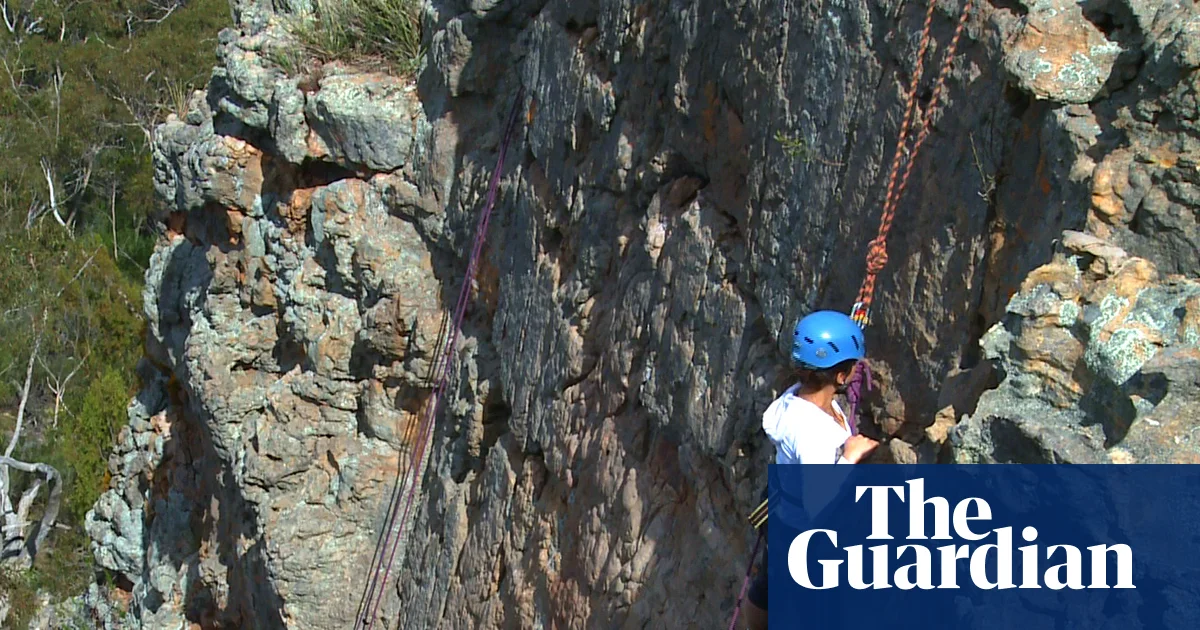
In a striking display of international tensions over land use, the ongoing controversy surrounding rock climbing in Victoria, Australia underscores a broader geopolitical debate over the recognition and respect of Indigenous heritage versus individual freedoms and recreational pursuits. At the heart of this dispute lies Mount Arapiles, a globally renowned climbing destination, which is also a site of immense cultural significance containing ancient rock art and artefacts dating back over 3,000 years. Despite governmental efforts to curb access—through voluntary bans and proposed legal restrictions—climbers, backed by passionate communities, continue to challenge these measures, highlighting the deep rift between cultural preservation and personal passion.

This spat isn’t just about climbing; it echoes worldwide conflicts over preservation of Indigenous sites and sovereignty. Australia’s Dyurrite region, as highlighted by officials from Parks Victoria, is teeming with tens of thousands of artefacts and a giant Indigenous stone quarry complex, demanding a nuanced management response. The state government’s proposal to amend the management plan, possibly leading to a full ban on climbing in key areas, has ignited fierce opposition. According to a recent consultation, involving over 1,000 voices—90% of whom are climbers—there’s a palpable sense of loss within the community. Many see restrictions as a dismissal of the land’s cultural and recreational importance, threatening the very soul of one of Australia’s most cherished outdoor pursuits. Analysts like Dr. John Edwards, a cultural historian, warn that such measures risk alienating local communities and emboldening anti-heritage sentiment, if not carefully balanced with meaningful respect for Indigenous rights.

The international impact of this conflict extends beyond the borders of Australia. As debates about Indigenous sovereignty and land rights intensify worldwide—spanning regions from North America to Africa—this saga serves as a proxy battleground for global discussions. The decisions made here could influence international policies on cultural heritage management, highlighting the delicate diplomacy necessary to navigate conflicting interests. The dispute at Mount Arapiles also exposes the potential for international organizations like UNESCO to step into the fray, urging governments to handle such matters with respect, transparency, and inclusivity. Meanwhile, climbing communities, inspired by stories of Indigenous resilience and ecological importance, are mobilizing with increased vigor, urging policymakers to reconsider restrictions.

As the struggle deepens, the climbers’ defiance stands as a testament to a broader cultural movement questioning not just land use, but the very nature of freedom and heritage in a globalized world. Despite official claims that “the great outdoors are to be experienced and admired, not locked away,” the fierce determination of activists and climbers alike magnifies the weight of historical responsibility and the enduring clash of values. With each new protest and legal challenge, history continues its relentless march, leaving the world to face the enduring question: can a nation honor its ancient past without sacrificing its modern pursuits? As the future of Mount Arapiles hangs in the balance, so too does the message that the decisions made today will echo through generations—defining the cultural landscape of tomorrow amid the echoes of history’s unfolding narrative.

Storm traps 1,000 climbers on Everest, spotlighting the risks of adventure tourism

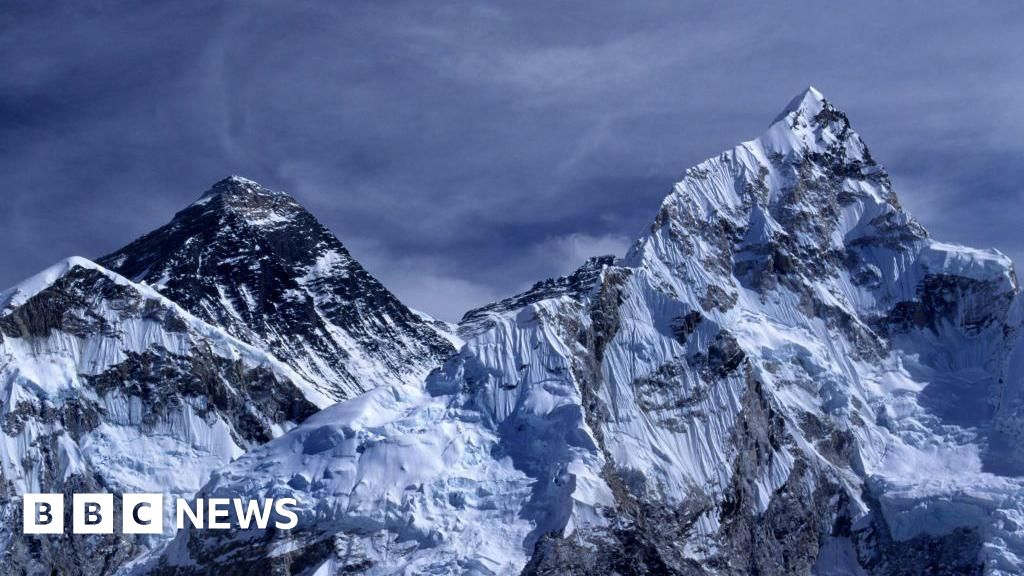
The remote Tibetan slopes of Mount Everest have become the epicenter of a dramatic rescue operation prompted by an unexpected snowstorm. According to Chinese state media, nearly 1,000 adventurers and hikers stranded at campsites above 4,900 meters are now the focus of urgent relief efforts, illustrating a broader escalation in **extreme weather events** affecting the world’s highest peaks. This situation not only underscores the peril inherent in high-altitude mountaineering but also raises questions about **climate change’s** growing influence on seasonal weather patterns, which many analysts warn could make such disasters more frequent and severe.

The immediate **geopolitical impact** of these events extends beyond the natural hazards. China’s authorities have responded decisively, deploying local villagers and specialized rescue teams to clear snow and save those caught in the storm, which struck suddenly and with unprecedented intensity. The rescue efforts, including the evacuation of approximately 350 climbers—guided to safety in nearby Qudang town—highlight Beijing’s strategic leverage over Tibet, a region historically fraught with geopolitical tensions. Tibet’s **Blue Sky Rescue team** reported tents collapsing under the weight of snow, with some victims already suffering hypothermia, demonstrating the serious risks faced by those venturing into this volatile environment.

Meanwhile, the regional crisis extends into neighboring Nepal, where heavy rains have caused devastating landslides and floods, killing at least 47 people recently. The *worsening climate conditions* are straining local infrastructure, with landslide-ravaged bridges and overwhelmed rescue services becoming common scenes—that is, a vivid manifestation of how environmental degradation exacerbates **natural disasters** with geopolitical ripple effects. Such cascading crises threaten to destabilize local economies, especially those heavily reliant on tourism, as the {Tingri County Tourism Company} has suspended ticket sales for Everest, reflecting a cautious response to *unprecedented* weather patterns.

Expert analyses from historians and climate scientists warn that these **extreme weather events**, paired with *mountaineering overcrowding* and environmental degradation, may mark a turning point for the region’s geopolitics. As international organizations debate the sustainability of Everest tourism, some educators emphasize the importance of respecting natural limits while others warn of the **cost of neglecting climate warnings**. The adventurers—primarily young and ambitious—are unwittingly caught in a larger struggle that ties ecological health, regional stability, and global climate policies into a complex web. This unfolding situation mirrors other recent scenes of natural chaos, which critics argue are a silent but deadly consequence of **unchecked environmental policies** pursued by powerful nations.

As night falls over the Himalayas, the storm’s fury is a stark reminder that the world’s tallest mountain has become a symbol of nature’s unpredictable might and humanity’s fragile grasp over its environment. History is watching — every rescue, every collapse, every international response adds another chapter to the ongoing story of nations confronting climatic upheavals that threaten to redraw the geopolitical map. With the skies darkening and the earth trembling, the question remains: how many more lives will be caught in this relentless, unfolding drama before the lessons of today are etched into the history books of tomorrow?

Social Media Auto Publish Powered By : XYZScripts.com