Matox News

Truth Over Trends, always!

Death Toll Climbing as Aid Faces Blockades in Jamaica's Hardest-Hit Areas
Death Toll Climbing as Aid Faces Blockades in Jamaica’s Hardest-Hit Areas

Hurricane Melissa’s Devastation: A Stark Reminder of Nature’s Fury and Geopolitical Shifts

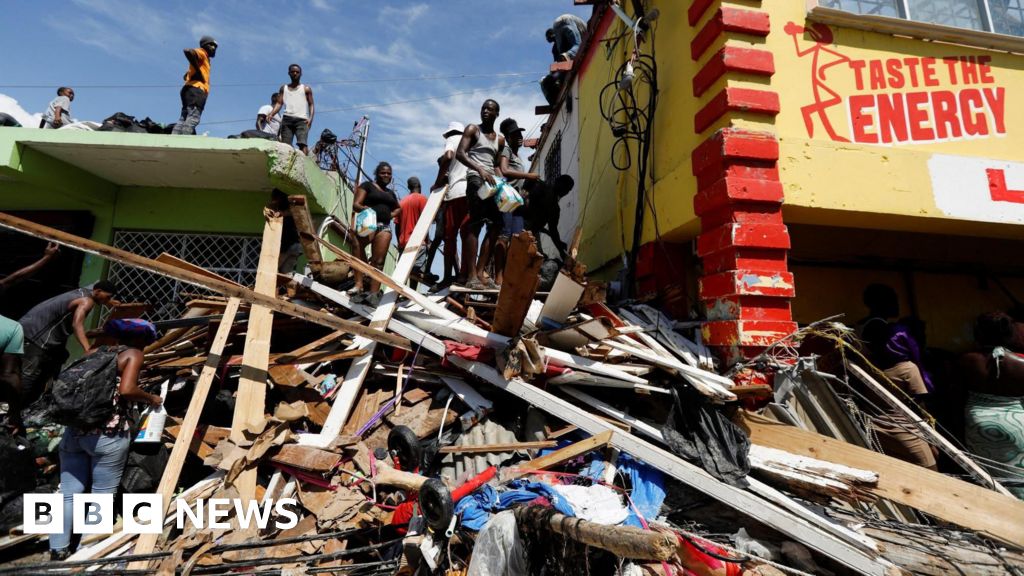
Hurricane Melissa, one of the most formidable storms to ever strike the Caribbean, has left a trail of destruction across multiple nations, reaffirming the continent’s vulnerability to increasingly powerful weather phenomena. Making landfall in Jamaica as a category five storm, with winds reaching 185 mph (295 km/h), the hurricane has demonstrated the intensifying severity of natural disasters linked to climate change, according to climatologists. Countries such as Haiti, Cuba, and even territories like Bermuda have experienced its wrath, exposing systemic weaknesses and the urgent need for international cooperation and robust disaster preparedness.

In **Jamaica**, the destruction has been severe, with entire communities cut off, homes flattened, and infrastructure left in ruins. Search and rescue efforts reveal scenes of devastation, especially in western regions where satellite imagery shows complete obliteration of some villages. Local residents articulately describe scenes of chaos, with roads blocked by fallen trees and widespread power outages—highlighting the challenge of providing aid in a country already strained by economic and social issues. Analysts warn that such natural calamities threaten to exacerbate existing inequalities, potentially destabilizing nations and fueling regional insecurity. It is a sobering reminder that the Caribbean’s geostrategic position has placed it on the frontline of climate change’s geopolitical impact, forcing neighboring nations and global institutions to confront a grim reality: the need for resilience in the face of unpredictable and increasingly destructive storms.

Meanwhile, in **Haiti**, the devastation intensified. According to UN reports, over 30 lives have been claimed, primarily due to flooding when a river overflowed in Petit-Goave. Around 15,000 civilians are sheltering across more than 120 relief centers, yet comprehensive assessments remain elusive due to inaccessible regions. Haiti’s fragile infrastructure—hindered by political instability and poverty—struggles to cope with such crises. International organizations like the UN warn that ongoing instability complicates disaster response efforts, threatening to turn localized tragedies into broader humanitarian crises. The storm’s impact underscores how conflicts and weaknesses in governance undermine a nation’s ability to survive such natural adversities, amplifying the impacts while exposing geopolitical vulnerabilities.

Turning to **Cuba** and its resilience, the island’s government reports that more than 3 million citizens faced life-threatening conditions. Nearly 240 communities have been cut off by landslides and flooding, with no fatalities yet, thanks to extensive evacuation campaigns. UN officials commend Cuba’s preparedness but emphasize that the island’s capacity to withstand such chaos is limited, especially with persistent economic constraints. The storm’s aftermath has increased calls within the global community—specifically from Western nations—to evaluate how aid and diplomatic support can bolster regional resilience. As international institutions analyze the repercussions, some argue that the response to Melissa reveals the urgent need for a restructuring of geopolitical alliances, prioritizing swift aid delivery and long-term climate adaptation strategies.

Beyond immediate relief, the storm intensifies ongoing debates over the geopolitical consequences of climate-induced disasters. Decisions by major powers to bolster humanitarian aid, or lack thereof, will significantly influence regional stability. The UK’s pledge of an additional £5 million, along with the United States deploying disaster response teams, exemplify how global actors maneuver in a landscape increasingly shaped by climate crises. As history demonstrates, failure to adapt and invest in resilient infrastructure amidst a changing climate could sow the seeds for future chaos, displacing millions and destabilizing entire regions. With the World Food Programme coordinating logistics across several nations, it becomes clear that the battle is as much about geopolitics as it is about saving lives.

As the world watches the Caribbean’s suffering unfold, the legacy of Hurricane Melissa underscores a profound truth—that our planetary fate is now intertwined with geopolitical choices, human resilience, and international cooperation. The storm’s wrath serves as a harrowing chapter in an ongoing story of climate change, conflict, and survival—reminding us that history is still being written, with every decision echoing through the corridors of power and the lives of countless innocents. Will this be a turning point leading to global unity, or merely another chapter in humanity’s struggle against the forces of nature? The answer remains uncertain, but the weight of history presses heavily upon our collective conscience.

Alaskan climbing sensation Balin Miller tragically loses his life after fall from Yosemite’s iconic El Capitan

In a world captivated by the thrill of extreme sports and outdoor adventure, the recent tragedy involving Alaskan climber Balin Miller has sent shockwaves through the global climbing community. Miller, just 23, lost his life after falling from the iconic El Capitan—a towering monolith in Yosemite National Park. Known for his daring solo ascents, Miller had built a reputation as one of the rising stars of alpinism, inspiring many young climbers with achievements such as the first solo ascent of Mount McKinley’s Slovak Direct. His death highlights the raw dangers inherent in the pursuit of adventure and how personal dedication to mastering the mountains can turn into a lethal risk when safety protocols are overlooked or unforeseen accidents occur.

Miller’s story is not merely one of tragedy; it serves as a stark reminder of the fine line between heroism and hazard. Climbing experts like veteran alpinist Clint Helander have recognized Miller’s impressive accomplishments, pointing out that in just six months, he had unleashed some of the most remarkable exploits the sport has seen. His determination and skill culminated in efforts that gained international acclaim—an inspiration to aspiring climbers looking to push their limits while respecting the mountain’s formidable power. Still, Miller’s death underscores an essential truth: every upward step in the mountains is shadowed by inherent risk. His passing, during an activity that blends physical mastery with mental resilience, challenges us all to balance the desire for thrill with unwavering respect for nature’s unpredictability.

Amid this atmosphere of reflection and respect, it is vital to recognize how the shift in outdoor lifestyle—driven by the quest for health, wellness, and adventure—continues to grow. In recent years, more young people have been inspired to embrace a lifestyle that emphasizes personal achievement and resilience, often turning to activities like climbing, hiking, and outdoor exploration as a form of wellness. However, the recent incident also prompts a deeper conversation about safety, preparation, and respecting limits. Experts such as author and wellness advocate Mark Sisson emphasize that true strength in outdoor pursuits lies in understanding one’s boundaries and ensuring proper training and gear. For young adventurers, the message is clear: ambition should be paired with prudence, transforming the adrenaline of discovery into a responsible pursuit that endures.

Ultimately, the story of Balin Miller leaves us contemplating the profound journey of embracing life’s challenges. It reminds us that true fulfillment in the pursuit of adventure is intertwined with respect—for ourselves, our craft, and the majestic, often unpredictable forces of nature. While the heights of mountains like El Capitan beckon with promises of achievement and inspiration, they also demand our humility and vigilance. As we listen to the echoes of Miller’s daring spirit, we are called to recognize that the pursuit of greatness is a continuous journey—a quest to find harmony between daring to dream and the wisdom to keep ourselves safe. In this balance, we discover not just the thrill of ascent, but the strength to face life’s own steep, uncharted cliffs.

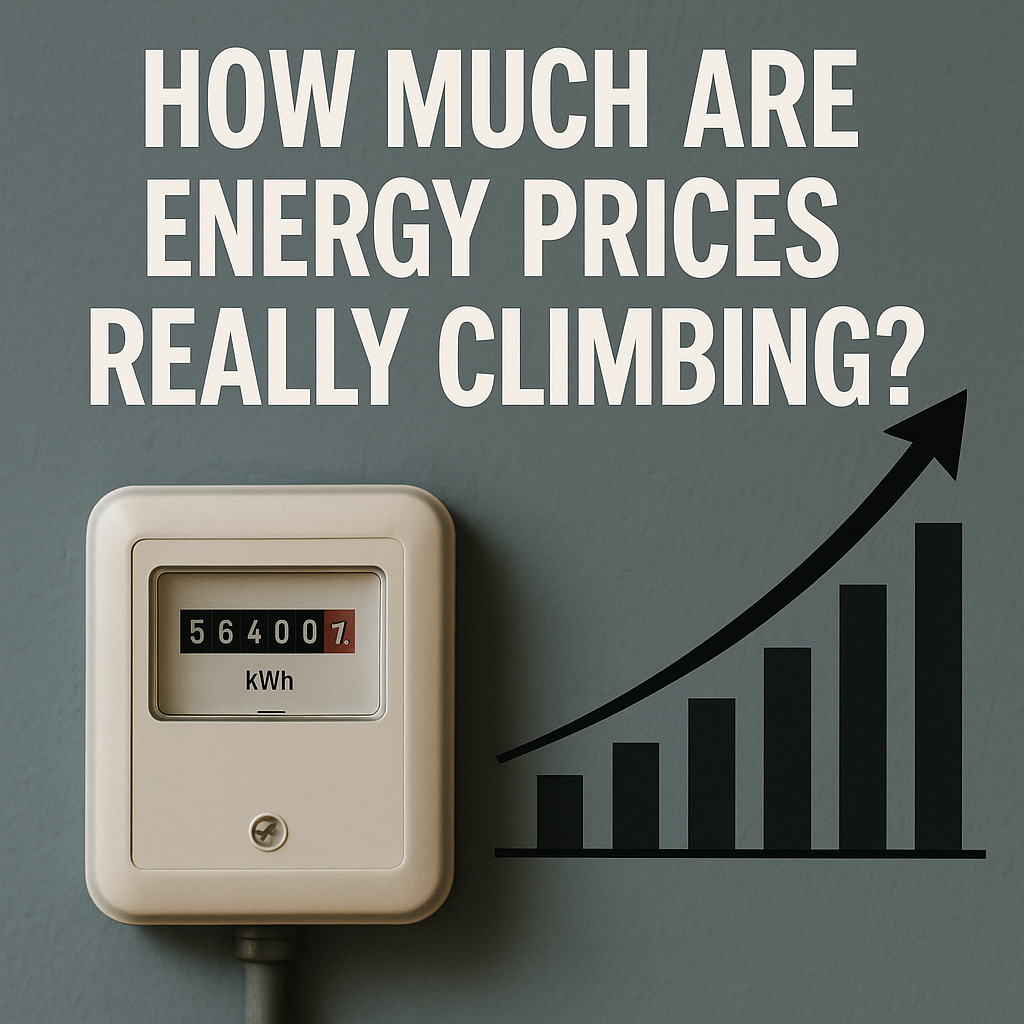
How much are energy prices really climbing?

The UK energy market faces a subtle yet decisive recalibration as the government’s energy price cap adjusts once again from October 1, 2024. While the mid-year dip in prices at the onset of July temporarily alleviated some financial strain on households, the renewed increase in the cap signifies underlying volatility and persistent challenges for consumers and investors alike. The cap, which restricts the maximum charge per unit of gas and electricity for roughly 20 million households, is set quarterly by Ofgem—the nation’s energy regulator—reflecting fluctuating global commodity prices and geopolitical dynamics.

From October 1, the typical dual-fuel household on a variable tariff will see their annual bill rise by about £35 to £1,755, marking a modest but notable increase after months of relative stabilization. The cap limits the cost of gas at 6.29p per kWh and electricity at 26.35p per kWh, but the total bill still depends heavily on consumption patterns. The nuanced adjustment underscores a broader economic shift: despite efforts from policymakers to shield consumers, market forces remain highly sensitive, with key forecasts from think tanks like the National Institute of Economic and Social Research warning of continued pressure on household budgets amidst inflationary pressures and international supply constraints.

This recalibration has significant market impact. Investors are closely watching the trajectory of energy prices, especially in relation to the ripple effects on renewable investments and traditional fossil fuels. While fixed-price deals offer consumers some security, the current environment underscores the importance for households to understand their options—whether locking in long-term deals or capitalizing on the market’s volatility. The regulatory framework aims to balance affordability with market sustainability, but critics argue it merely patches the surface of systemic issues. The slight increase in standing charges and the continuation of the cap reflect policy consequences designed to contain inflation but risk shifting the burden onto lower-income households, particularly prepayment customers, who now see their typical annual bill at around £1,707.

Amidst these shifts, policy responses focus on bolstering household resilience. Programmes like the Fuel Direct Scheme and the extension of the Household Support Fund aim to provide targeted relief for vulnerable groups. Additionally, initiatives such as the overhaul of the Warm Home Discount promise automatic bill discounts for those on means-tested benefits, significantly reducing the financial strain even as energy costs fluctuate. Robust discussions continue among economists like Samuel Tombs of Pantheon Macroeconomics and consumer advocates, emphasizing that opportunities for strategic energy management and policy innovation could shape the market’s trajectory for years to come.

Looking ahead, the evolution of the energy market signals a stage where global geopolitics and technological innovation converge as the true engines of economic power. The delicate balancing act undertaken by regulators, investors, and consumers alike underscores a fundamental truth: the energy sector remains at the heart of national sovereignty, economic resilience, and future global influence. As current patterns continue to unfold, the narrative of the energy market will remain a powerful barometer of a nation’s strength, innovation, and readiness to seize the immense opportunities of the coming century—the true pulse of civilization’s relentless pursuit of progress.

Social Media Auto Publish Powered By : XYZScripts.com