Matox News

Truth Over Trends, always!

National Student Pride Closes After 21 Years of Fighting for Youth Voices

End of a Community Tradition: A Reflection of Broader Social and Cultural Shifts

The announcement that this weekend’s community event will be its last signals more than just the loss of a local tradition. Organizers have cited a significant decline in sponsorship support over recent years, underscoring a troubling trend of diminished communal investment and engagement. Such events, often rooted in shared cultural heritage and local solidarity, serve as vital touchpoints for building social cohesion, nurturing civic pride, and strengthening familial bonds. Their fading points to a society where economic pressures, shifting social priorities, and demographic changes threaten to erode the fabric that binds neighborhoods together.

As sociologists and social commentators have observed, the decline of community-centered initiatives reflects, in part, broader uncertainties and tensions within society. Economic strains have compelled many families and local businesses to prioritize immediate financial survival over participation in cultural or communal endeavors. Historically, institutions such as schools, local councils, and community organizations have played crucial roles in maintaining social stability and transmitting shared values. However, as these institutions face challenges of funding, relevance, and engagement, the social fabric begins to fray, further complicating efforts to foster a sense of belonging among youth and families alike.

How social issues directly impact families, education, and communities becomes evident when local traditions fade. The absence of ongoing communal events deprives younger generations of generational storytelling, cultural inheritance, and opportunities for active civic participation. This vacuum fosters a sense of disconnection, potentially leading to increased social alienation and polarization. Many social analysts argue that without deliberate intervention and innovative approaches, these losses threaten to deepen societal rifts, undermining the foundational values of shared responsibility and community service.

In examining such decline, some sociologists, like Christopher Lasch, emphasize the importance of *cultural resilience*—the capacity of communities to adapt and preserve core values amid change. Historians point to past periods of social upheaval, noting that renewed community engagement often emerges from intentional efforts to reconnect residents through shared projects and local history initiatives. Moving forward, solutions may involve fostering youth involvement, revitalizing local institutions, and encouraging cross-sector collaborations that prioritize cultural preservation and social cohesion. Only through these concerted efforts can communities hope to bridge the gaps caused by economic and demographic shifts, restoring a sense of collective purpose.

As society stands at this crossroads, the fading of this cherished event serves as a somber reminder of the complex social dynamics shaping our world. Yet, it also beckons us to confront these challenges with hope and resilience—recognizing that the strength of a community lies not solely in its traditions, but in its willingness to adapt, rebuild, and forge new paths toward lasting social unity. In the end, these societal upheavals challenge us to reflect on what it truly means to be a community, and whether we are willing to invest our shared hopes for the future into the causes that bind us—before they, too, become memories of what once was.

X Closes EU Ad Account Following Massive Fine: What It Means for Young Users and Trendsetting Platforms

In today’s interconnected world, social media platforms like X (formerly Twitter) are more than just outlets for personal expression—they are powerful tools shaping global societal dynamics. Recently, the European Commission1 imposed a historic $140 million fine on X, sparking a broader debate about the social responsibility of tech giants and their influence over regulatory norms. This action underscores a significant wave of regulatory pushback against tech’s unrestrained power, marking a turning point where policy makers are asserting dominance over digital platforms.

The European Commission’s move was rooted in concerns over what it termed deceptive design—specific to X’s infamous blue checkmark verification process—and a lack of transparency around advertising and access to public data. These issues are more than technical flaws; they symbolize broader societal questions: Who controls online identity? How transparent should platforms be about their algorithms? As sociologist Dr. Laura Chen notes, “These incidents highlight a shifting societal expectation that digital platforms cannot operate in a vacuum but must adhere to regulations ensuring fairness and transparency.”

This regulatory clash has been fueled by a shift in social behaviorthe aspiration for authentic digital influence—and this is visible in the way younger users consume content. Marketers and influencers recognize that quality engagement now depends on factors like video uploads and interactive formats, which platforms like X are manipulating to skew attention and reach. Elon Musk’s recent updates to the platform’s algorithm, favoring video content, exemplify this trend toward immersive, visual engagement—a move that critics say risks amplifying sensationalism. Notably, X’s senior product manager Nikita Bier claimed that the deceptive ad exploit was reset after being patched—a statement that raises questions about accountability and transparency.

It is increasingly clear that these trends are not driven solely by platform economics—they are also intertwined with the social fabric, influencing youth culture and societal norms. Trends such as

  • viral video challenges
  • short-form content dominance
  • cryptic algorithm manipulation

are shaping a new digital ecosystem where control is contested between regulators, influencers, and tech executives. The recent EU actions may just be the beginning of a new era—one in which tech companies are held accountable for how they influence perceptions and behaviors on a global scale.

As we watch this evolving landscape, an intriguing question lingers: Will these regulatory efforts succeed in curbing unchecked platform power, or will they inadvertently accelerate a new wave of innovation and user-driven change? In the end, the next big question might be whether society’s push for truly transparent digital spaces will redefine the very essence of influence in the digital age—an influence that ultimately shapes tomorrow’s cultural and social norms.

Zohran Mamdani Closes Gap to Claim NYC Mayoral Victory

New York City’s New Mayor Reflects Shifting Geopolitical and Societal Tensions

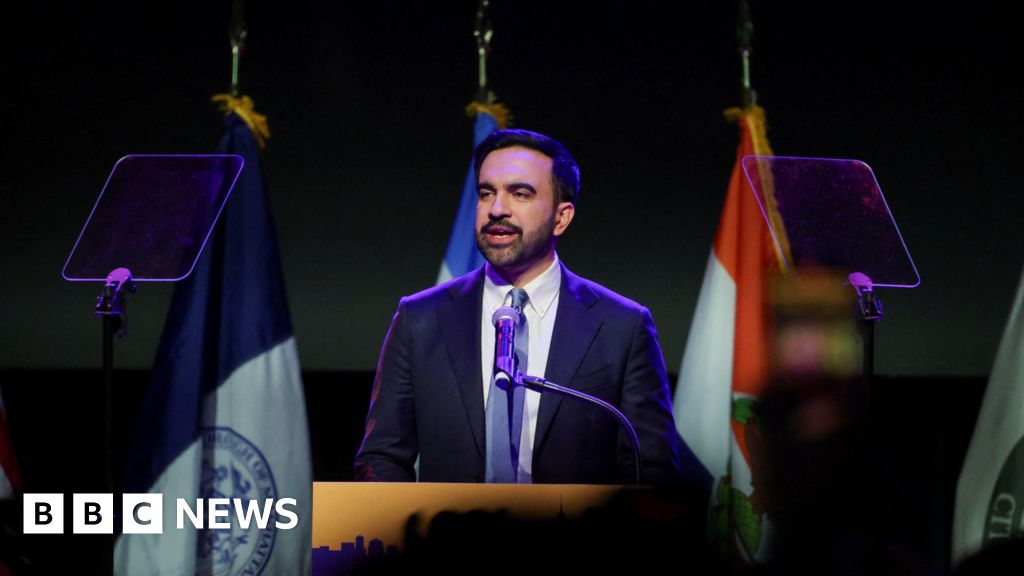
In a landmark victory that resonates far beyond the borders of the United States, Zohran Mamdani has been elected mayor of New York City. At just 34, Mamdani’s ascendancy marks a profound turning point: the emergence of a youthful, progressive leader anticipated to challenge the city’s political elite and redefine its social agenda. His victory signifies more than local politics; it heralds a nuanced shift in the geopolitical landscape, indicating a possible recalibration of American urban centers towards a more radical leftist future amid an escalating global ideological rivalry.

Throughout his campaign, Mamdani explicitly centered his platform on affordability, social programs, and taxing the wealthy—stances that align with broader left-leaning currents pulsating through many Western democracies. Despite limited initial recognition, online momentum propelled him to triumph over seasoned contender Andrew Cuomo, a move seen as a symbolic overthrow of entrenched political dynasties. Global analysts and historians view this as part of a larger pattern where urban centers are increasingly reflecting youthful discontent with traditional elites, prompting a reevaluation of governance models that could influence international political dynamics. In particular, Mamdani’s position as the first South Asian and Muslim mayor of New York underscores a message of diversity, but also raises questions about his capacity to manage a city with over $100 billion in annual budget. Critics warn that such ambitions could intensify existing ideological clashes, especially amid rising tensions with the federal government under President Donald Trump.

It is impossible to overlook the international geopolitical implications of this U.S. citywide shift. Donald Trump has openly attacked Mamdani, branding him a communist and threatening to withhold federal funds—an indication of how internal American politics now spill over into global discourses of governance and ideology. Republican critiques frame Mamdani’s victory as evidence of a “radical, big-government socialist” trend, echoing concerns prevalent in conservative circles across Europe and Oceania. Meanwhile, the Democratic establishment faces a dilemma: are they supportive of fresh, youth-driven leadership that echoes broader societal demands, or are they retreating into a cautious posture that risks alienating younger voters? The repercussions of this internal struggle extend beyond city limits, as international organizations and think tanks analyze whether these shifts presage a new epoch of American political identity—one that could ripple outwards, strengthening ideological alliances, or provoking backlash from conservative allies.

Other Key Elections and the Battle for Control

  • The Virginia and New Jersey gubernatorial races underscored a trend of modest victories for centrist Democrats, suggesting an undercurrent of desire for pragmatic leadership amid the ideological turbulence.
  • In California, voters approved a groundbreaking measure—Prop 50—to redraw electoral boundaries favoring Democrats, a strategic move aimed at consolidating influence ahead of the 2024 midterms. Such redistricting battles underscore how internal US contests are becoming increasingly pivotal for geopolitical influence and the future shape of parliamentarian power.

This electoral wave, especially Mamdani’s triumph, signals that the battle for America’s urban centers is more than about city policies; it is about the soul of a nation caught between tradition and upheaval. Critics worry that the newfound progressive surge portends a fundamental ideological shift—one that could polarize, destabilize, or even reshape the global balance of power. As historians and policy analysts observe these turbulent times, the message is clear: history is still being written, and the legacy of tomorrow depends on the choices made in these formative moments.

Louvre in Paris Closes After Heist – French Culture Minister Confirms

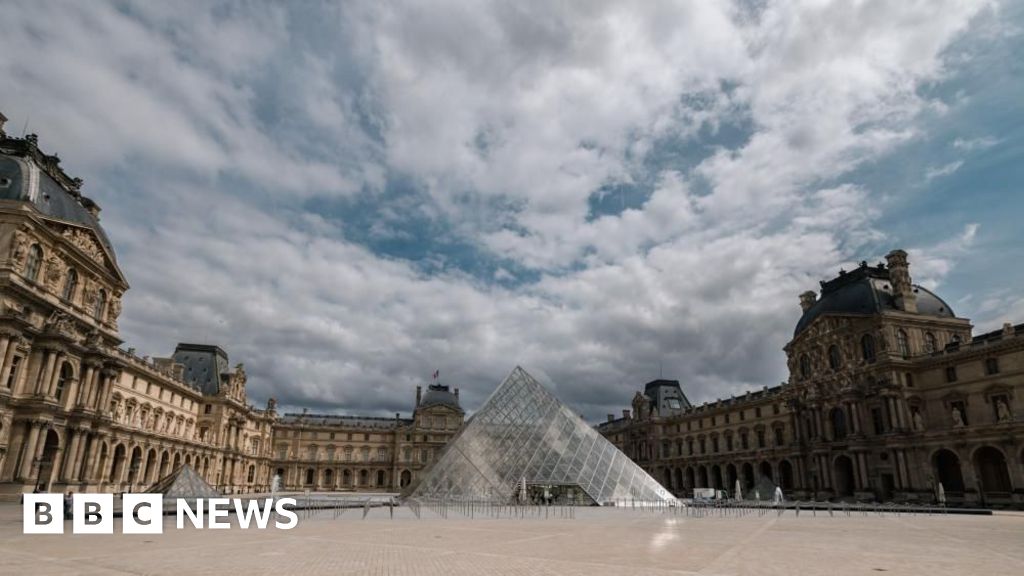
The recent robbery at the Louvre Museum in Paris marks a disturbing escalation in the ongoing challenge of safeguarding cultural heritage amidst increasing global unrest. The world’s most visited museum, renowned for housing priceless artworks and invaluable artifacts, was targeted early Sunday morning as it prepared to open its doors. Reports indicate that jewelry was stolen during this breach, a loss that transcends mere material value, threatening to erode a pillar of global cultural identity. France’s culture minister, Rachida Dati, confirmed the incident, and police are now engaged in a detailed investigation, reflecting the gravity with which the country is treating this unprecedented event.

The geopolitical impact of such thefts, particularly at iconic sites like the Louvre, resonates globally. Museums, monuments, and cultural institutions serve as symbols of national pride and history. Their vulnerabilities expose deeper fissures in international security protocols and cultural diplomacy. Experts warn that the theft could facilitate the illicit trade of priceless antiquities and artworks, fueling a transnational black market that weakens the cultural fabric of nations. Analysts from organizations like INTERPOL emphasize that this event signals a complex interplay of organized crime and geopolitical instability, as art thefts are increasingly linked to geopolitical conflicts and militant groups seeking to destabilize societies by targeting their cultural symbols.

Historically, such breaches serve as strategic provocations or indicators of chaos, with some specialists comparing recent trends to the looting of Iraq’s museums during the early years of the Gulf War. How nations respond to these acts will define their cultural resilience and sovereignty in the digital age. The Louvre incident underscores the urgent need for international cooperation on security measures, intelligence sharing, and the recovery of stolen assets. Various voices, including international organizations and cultural watchdogs, warn that failure to adapt and strengthen protections could lead to a wave of similar threats, ultimately dismantling the collective memory and identity of societies.

In the broader scope, the incident at the Louvre echoes a warning for the international community: the preservation of history is a battlefield where progress and chaos collide. As nations grapple with geopolitical shifts, economic upheavals, and technological forces, the security of our shared heritage remains fragile. The relentless pursuit of power and profit ensures that, one day, the history-makers and art custodians of today may become prey in a relentless underworld of theft and smuggling. With the weight of history pressing down, the world must ask itself: how long can we protect the treasures that define our identity before they are lost to the shadows?

Kenyan Airport Closes as Youths Gather in Massive Welcome for Ex-PM's Body
Kenyan Airport Closes as Youths Gather in Massive Welcome for Ex-PM’s Body

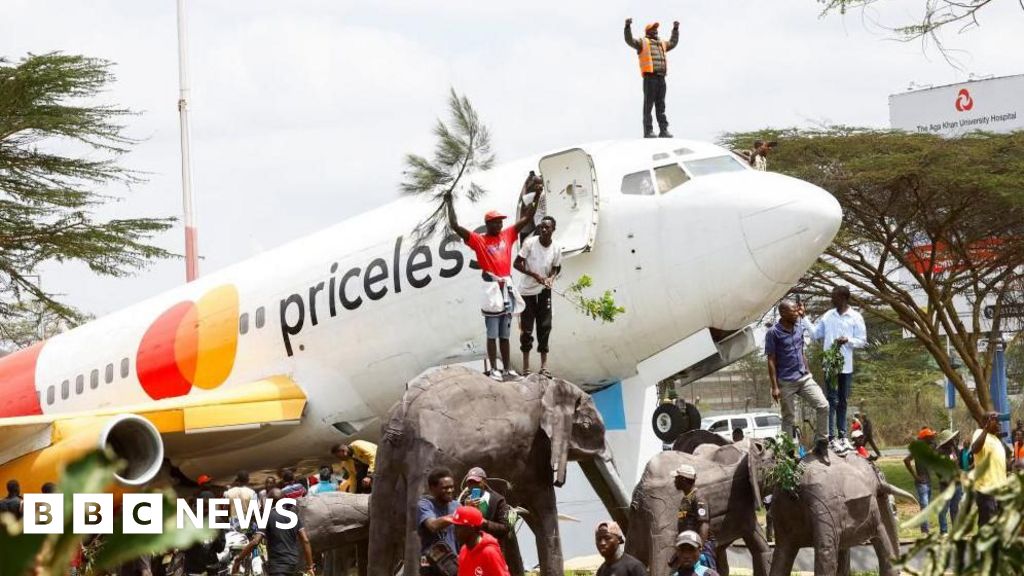
In a dramatic turn that has gripped Kenya and reverberated across the African continent, the nation is currently grappling with the loss of Raila Odinga, a towering figure in Kenyan politics. His death in India at age 80, following a cardiac arrest, marks not just the end of a political era but signals an imminent shift in the nation’s political landscape. Thousands of Kenyans gathered in mourning, breaching security at Jomo Kenyatta International Airport to receive his body—a clear indication of the deep emotional and political connection Odinga commanded. Authorities had to suspend operations at the airport amidst the chaos, illustrating how his influence transcended politics, resonating with the very fabric of Kenyan society.

This unprecedented turnout underscores Odinga’s role as a unifying yet contentious figure whose politics mirror the nation’s complex identity struggles. Recognized internationally, Kenyan officials and world leaders have poured out condolences, with Indian Prime Minister Narendra Modi hailing Odinga as a “towering statesman” and “a cherished friend of India.” Such sentiments highlight his diplomatic significance and the enduring bonds between Kenya and many nations, especially in a global environment increasingly marked by geopolitical competition and shifting alliances. Back in Kenya, President William Ruto—who now inherits Odinga’s political mantle—praised him as a “beacon of courage” and the “father of our democracy.” A seven-day mourning period and a state funeral with full military honors further cement Odinga’s legacy, setting the stage for his influence to continue shaping national policies and societal outlooks.

The circumstances surrounding Odinga’s death expose the delicate internal dynamic within Kenya. Despite his repeated presidential campaigns—losing five times—his persistent opposition work made him an icon of resilience, inspiring millions and challenging entrenched political structures. The decision to move his public viewing from Parliament to Nairobi’s Moi International Sports Centre responds to the extraordinary national outpouring, indicating his widespread impact. International analysts suggest that such a response reflects Kenya’s own internal tensions—balancing tradition with the revolutionary fervor of its youthful population—while demonstrating the power of a leader who, despite setbacks, remained a symbol of hope and resistance.

As global institutions monitor this moment, the geopolitics of Africa faces a major crossroads. Odinga’s death comes at a time when Russia and China are increasingly vying for influence across the continent, while the United States seeks to sustain its strategic partnerships. His political journey embodied the struggle of balancing domestic democratic aspirations with external geopolitical pressures, a challenge faced by many emerging nations in the 21st century. What Kenyan society chooses next could serve as a bellwether for regional stability and the future of democratic governance across Africa. As history’s pages turn, the weight of Odinga’s legacy presses heavily upon the nation. His life—marked by resilience, opposition, and unyielding dedication—becomes a chapter in the unfolding narrative of a continent on the cusp of transformation. The question now is whether Kenya will forge a new path inspired by his ideals or succumb to the turbulence that has long defined its political landscape, leaving the world to wonder: who will shape the next chapter of this historic story?

Opposition Leader Patrick Herminie Closes the Gap, Beats Wavel Ramkalawan

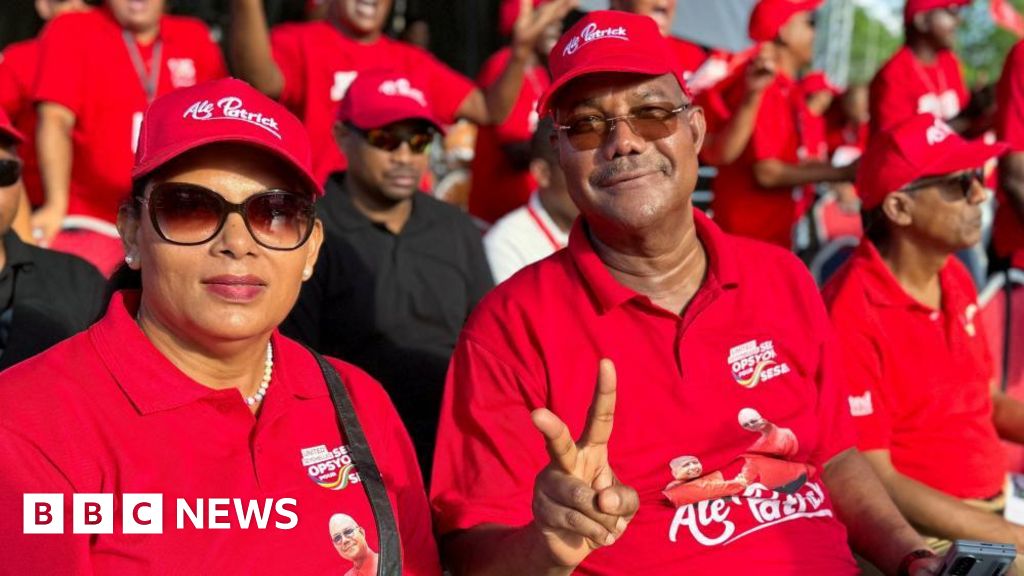
In a significant turn of events that reverberates through the Indian Ocean region, Seychelles has witnessed a pivotal electoral victory that underscores the shifting landscape of African geopolitics. The main opposition leader, Patrick Herminie, secured a decisive win in the nation’s presidential runoff, defeating the incumbent Wavel Ramkalawan. Official results report Herminie capturing 52.7% of the vote compared to Ramkalawan’s 47.3%. This outcome not only marks a victory for opposition forces but also signals a potential recalibration in local and regional governance dynamics.

Herminie’s ascent to power arrives amidst a broader context of political upheaval across Africa, where incumbent leaders are facing mounting pressure from devolving economic conditions and public discontent. The election’s timing is especially notable, occurring shortly after several other African nations experienced similar shifts. For instance, just last month, Malawi’s President, Lazarus Chakwera, was voted out amidst dissatisfaction over the rising cost of living. Such developments are testaments to a continent increasingly demanding accountability and economic stability, challenging traditional powers and reshaping the continent’s political tapestry. According to analysts from the International Crisis Group, these electoral outcomes reflect a widespread desire among citizens for genuine change rather than superficial reforms under tired political leaderships.

Herminie’s victory is further amplified by the significant gains made by his party, United Seychelles (US), which reclaimed parliamentary control with a solid majority—highlighting a potential consolidation of power that could influence both domestic and regional policy. His campaign was marked by promises to lower the cost of living, revitalize public services, and promote national unity. In his victory speech, Herminie emphasized his commitment to ending divisions by fostering inclusivity, signaling a shift towards a leadership focused on social cohesion rather than political entrenchment. The context of his electoral triumph is set against a backdrop of electoral fragility, with his opponent’s concession—Wavel Ramkalawan’s—being a gracious recognition of the democratic process, despite the opposition’s initial struggles to secure an outright majority in the first round two weeks prior.

Nevertheless, the political landscape in Seychelles remains complex. Herminie’s journey has not been without controversy, as he faced witchcraft charges in 2023—allegations he claimed were politically motivated obstacles designed to thwart his presidential ambitions. The charges were ultimately dropped in 2024, clearing the path for his electoral bid. Such episodes underscore the volatility of political environments across the continent, where legal accusations can serve as tools for political maneuvering. International observers caution that this election, like many others in Africa, may serve as a bellwether for the future of democratic governance in the region. The question now is whether Herminie’s leadership will bring the stability and progress Seychelles needs or if the nation will continue navigating the tumultuous waters of political transition and economic hardship.

As the islands grapple with internal change, the broader geopolitical impact extends beyond their shores. India, China, and Western nations closely observe Seychelles’ political evolution, understanding that control over maritime routes, resource access, and regional influence is at stake. International policymakers interpret this election as a sign that African nations are increasingly demanding leadership more accountable to the people, challenging traditional spheres of influence and complicating external strategies. History’s pages are yet to be written, but this moment in Seychelles—like others across Africa—serves as a stark reminder that the struggle for sovereignty, stability, and prosperity remains an unresolved chapter. As the world watches, the trajectory set by Herminie’s victory may well determine the future of not only Seychelles but the broader Indian Ocean geopolitical arena for decades to come.

Munich Airport Closes Amid Drone Threat, Raising Security Concerns for Travelers

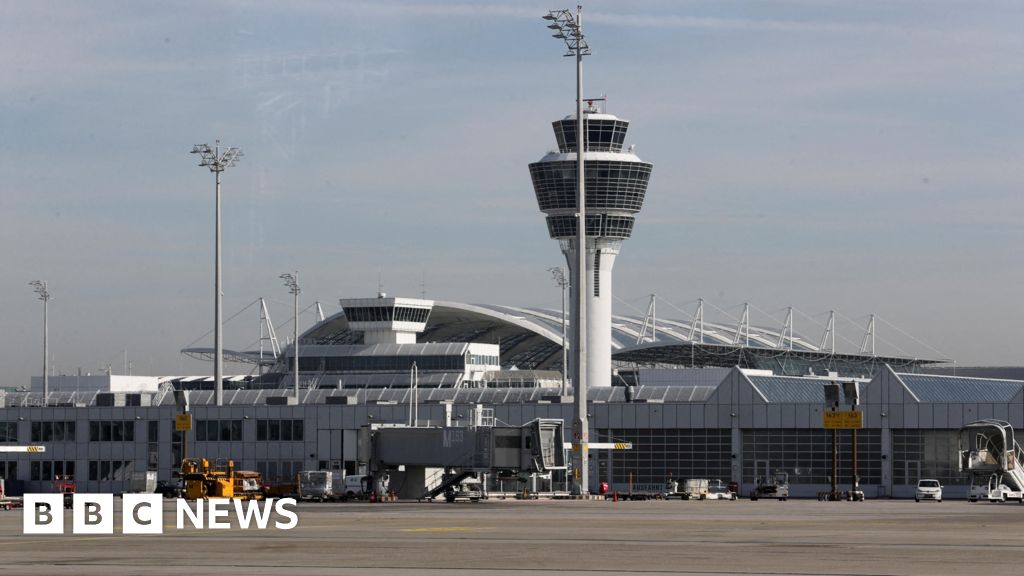
Recent events at Germany’s Munich airport have underscored the growing volatility in European airspace security, with authorities forced to cancel over a dozen flights and ground almost 3,000 passengers. The incident occurred after unidentified drones were spotted near the airport’s airspace, prompting immediate suspensions and rerouting of flights to nearby hubs such as Stuttgart, Nuremberg, Vienna, and Frankfurt. At the core of this emergency is the ambiguous origin of the drones, which remains unconfirmed due to poor visibility at night and a lack of concrete evidence. Such incursions not only threaten civilian aviation safety but also expose vulnerabilities in European security infrastructure.

This unsettling pattern is echoed across Europe, as recent weeks have seen similar drone sightings near key airports and military zones. Authorities across the continent have responded with heightened alertness, especially in light of a series of alarming incidents involving Russian military assets. Notably, Russian forces are accused of crossing into Poland with 20 drones and deploying MiG-31 jets into Estonian airspace—an aggressive posture signaling a shift in regional military assertiveness. Despite Moscow’s denial of involvement, conservative analysts warn that these provocations are part of a broader strategy to test NATO’s resilience and Europe’s borders, underlining the fragile balance of power on the eastern flank.

Adding to the geopolitical tension, the recent drone disturbances have prompted a summit in Copenhagen, where European leaders debated security measures and coordinated responses to emerging threats. The consensus is clear: while Russia dismisses these actions as provocations or misunderstandings, the effective deployment of drones and the apparent willingness to challenge European airspace norms reveal a shifting battlefield. European Union officials and military experts warn that such tactics threaten to escalate into open conflicts—an alarming prospect that could redefine security alliances and trigger a new era of confrontation.

As thousands remain stranded amid the chaos, the question lingers: Who is truly behind these incursions, and what is their ultimate goal? With the tranquility of Oktoberfest now overshadowed by fears of unseen threats, history once again bears witness to a continent on the brink—a place where the decision of a rogue drone or a calculated military maneuver could ignite a geopolitical catastrophe. In this volatile landscape, every flight canceled and every border challenged adds a new chapter to the unfolding saga of European resilience and vulnerability—reminding us that peace, once taken for granted, is now a fragile illusion.

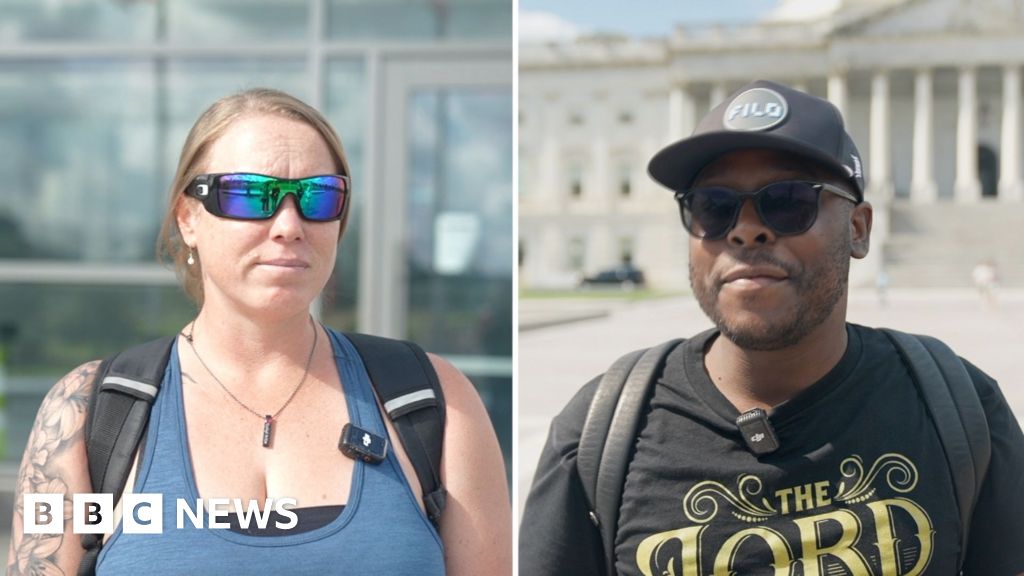
Tourists in D.C. Feel the Pinch as Shutdown Closes Big Attractions

The United States has entered its second day of a government shutdown, a critical event that signals deeper fractures within the nation’s political landscape. As federal agencies grind to a halt, the immediate domestic effects are profound—numerous national monuments and public institutions have closed their doors, denying millions access to their cultural and historical landmarks. While many in the American public initially perceive this as an internal political impasse, analysts warn that the ripple effects go far beyond borders, threatening both economic stability and geopolitical credibility.

This shutdown underscores a broader trend of political polarization in Washington, with lawmakers locked in intractable disputes over funding and policy priorities. The BBC’s coverage highlights global concern as tourists from around the world experience firsthand the consequences of elected officials’ failure to compromise. In particular, the closure of sites like the Capitol, the Smithsonian museums, and national parks serves as a stark reminder of how internal political discord can tarnish a nation’s image and undermine the strength of its institutions. Past historian analyses emphasize that prolonged governmental paralysis not only diminishes public trust but also erodes the United States’ standing as a reliable partner on the international stage.

From a geopolitical impact perspective, the shutdown hampers America’s ability to project influence, especially amid ongoing global conflicts and shifting alliances. International organizations such as the United Nations and G7 are closely observing the internal chaos, recognizing that internal political stability is fundamental to maintaining dominance in world affairs. Economic consequences are particularly alarming: with government programs and contracts frozen, markets are reacting with volatility, potentially impacting global supply chains and investor confidence. Experts warn that unless resolved quickly, the inability of the US government to function effectively could embolden adversaries, who will interpret the chaos as signs of weakness and disarray.

Furthermore, the shutdown exemplifies a broader struggle in democratic governance—a cautionary tale about the fragile balance of power and the cost of partisan brinkmanship. Many international observers are drawing parallels with other recent crises in democracies worldwide, noting that such internal conflicts threaten not only national stability but also the international order as a whole. As nations watch with concern, policymakers and analysts alike stress the importance of swiftly reaching a resolution. Conversely, some warn that persistent divisions and political stagnation threaten to set a dangerous precedent — one where governance itself becomes hostage to ideological extremes, leaving nations vulnerable to external challenges.

As the crisis unfolds and history continues to write itself, the image of shuttered monuments and furloughed workers serves as a stark reminder: the decisions made in the halls of power today will echo through generations. With each passing day of the shutdown, the weight of history hangs heavier. Nations worldwide watch intently, pondering whether this wasn’t just a fleeting political crisis but a reflection of deeper and more perilous fissures in the foundations of Western democracy, which may ultimately reshape the landscape of international geopolitics for years to come.

West Bank Teens Blocked: Israel Closes Main Border, Leaving Palestinians Stuck

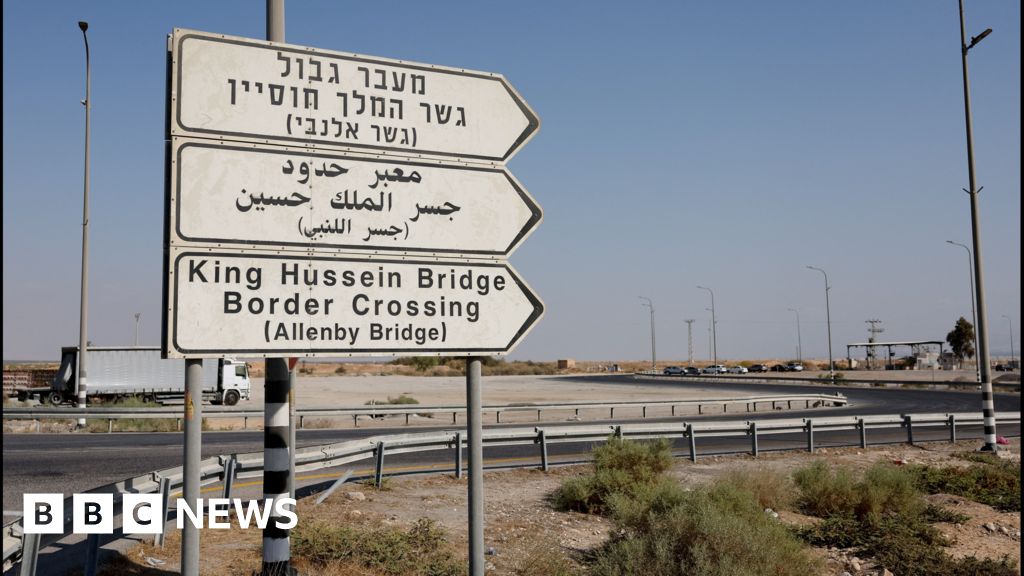
The Middle East continues to navigate the tumultuous aftermath of recent events, as Israel has uniquely shut down the only crossing between the Israeli-occupied West Bank and neighboring Jordan. This strategic move effectively cuts off access for more than two million Palestinians, severing a vital lifeline in a region where mobility and access are already heavily restricted. The closure, announced by the Israeli airports authority and carried out “at the direction of the political leadership,” has left many Palestinians stranded, unable to travel abroad or reunite with family members across borders. Prominent Palestinian voices, such as Mustafa Barghouti, have condemned this act as “dangerous,” emphasizing that it essentially imprisons the Palestinian population inside the West Bank, intensifying existing hardships.

This move comes amid a backdrop of escalating violence and international tension. Just days prior, two Israeli soldiers were shot dead near the Allenby Bridge by a Jordanian gunman—an incident that briefly shut down the crossing but was later reopened. The King Hussein Bridge, as it’s historically known, represents more than just a border crossing; it is a critical corridor for commerce, humanitarian aid, and the movement of people—especially for those Palestinians who cannot use Israeli-controlled airports. As historians and analysts note, such closures are not merely tactical but carry profound geopolitical impact, damaging the fragile relationships and perspectives that hold regional stability at bay. The decision impacts everyday lives—medical students like Maxim Giacaman, whose plans for medical electives in Germany have been dashed, exemplify how such actions extend beyond politics into personal futures, disrupting generations of aspirations.

In parallel, international responses have been polarized and fraught with tension. The recent moves by countries such as the UK, France, Australia, and Canada to recognize the State of Palestine have been met with fierce condemnation from Israel, which branded these efforts a “reward for terrorism.” Ultranationalist ministers within Israel have called for even more drastic actions, including the blatant prospect of outright annexation of the West Bank—an act that would irreparably reshape the territorial landscape and escalate the risk of outright conflict. Since the Hamas-led attack that resulted in the deaths of around 1,200 Israelis and the taking of 251 hostages, Israel has intensified its security apparatus—erecting hundreds of checkpoints, accelerating settlement expansion, and engaging in broader military operations aimed at Palestinian resistance groups. Such measures have been internationally scrutinized, with many accusing Israel of transforming the West Bank into an open-air prison while the international community struggles to curb its expansive policies.

This crisis underscores a fundamental question of sovereignty, resistance, and the international order’s capacity to uphold justice in an unstable region. As the United Nations and veteran analysts observe, Israel’s recent actions — especially the indefinite closure of key border crossings — exemplify a pattern of escalating repression. The decisive militarization and expansion threaten to write a new chapter of conflict, with history warning that such policies often engender long-term cycles of violence and despair. The weight of this unfolding chapter in history challenges whether global institutions and nations will succeed in their efforts to foster peace or merely watch as the fabric of an already fractured society unravels further. As the world’s eyes remain fixed on the Middle East, the true impact of these decisions will echo through generations—ultimately defining whether this region is destined for continued chaos or a chance at stability, however distant that hope may seem. The pages of history are turning, and the story of Palestinians and Israelis is far from finished—yet each stroke writes them deeper into the annals of a conflict that has endured far too long, a testament to human resilience and failure in equal measure.

Social Media Auto Publish Powered By : XYZScripts.com