
Matox News

Truth Over Trends, always!

Nine coal miners tragically lose their lives in Colombia gas explosion

The recent explosion in Sutatausa, a region already scarred by a deadly mine disaster earlier in 2023, underscores the ongoing and perilous challenge of resource extraction in volatile regions. This incident has reignited international debate over mineral safety protocols, environmental standards, and the socio-economic costs borne by local communities. Such catastrophic events are not isolated but reflect broader systemic issues tied to global demand for minerals and economic development pressures.

Analysts suggest that the latest explosion serves as a stark reminder of the dangers faced by workers in resource-rich, but poorly regulated, areas. Many countries—particularly those in Latin America, Africa, and Southeast Asia—have seen a surge in mining activity driven by international corporations seeking access to rare minerals critical for the burgeoning tech industry. According to researchers from the International Mining Safety Organization, lax safety measures, combined with inadequate oversight, often elevate risks. Experts warn that unless strict international standards are adopted and enforced, tragedies like Sutatausa’s will persist, exacerbating the social and political instability in these territories.

The geopolitical impact of such disasters extends well beyond local communities. As nations scramble for control over vital resources—be they lithium, cobalt, or precious metals—the risk of resource-based conflicts intensifies. Historian Dr. Laura Smith emphasizes that these incidents often serve as catalysts for national debates on sovereignty, economic independence, and environmental responsibility. Meanwhile, international bodies such as the United Nations face mounting pressure to intervene with binding safety protocols, which critics argue could hurt economic growth if not carefully balanced. The ripple effect influences both regional stability and global supply chains, impacting everything from consumer electronics to national defense systems.

In the wake of such tragedies, numerous governments are compelled to reevaluate their mining policies, often under the international spotlight. Countries with lucrative mineral deposits find themselves at a crossroads, balancing the imperative of economic development with the moral and ethical obligations to safeguard their workers and ecosystems. As economic analysts warn of potential supply disruptions, others point to the need for increased investments in technology that can make mining safer and more sustainable. Nevertheless, the continuing recurrence of such disasters reminds the world that beneath the gleam of mineral wealth lies the heavy toll of human tragedy—a burden that history will remember for generations to come.

As the dust settles over Sutatausa, the haunting question remains: How many more lives must be lost before the international community acts decisively? The Earth’s resources are finite, but the choices made today will determine the legacy handed down by future generations. In this unfolding saga of greed, power, and resilience, history seems poised to judge not just the miners’ fate, but the collective conscience of nations seeking prosperity amid peril. The weight of history presses heavily upon us, urging urgent reflection on the path that lies ahead.
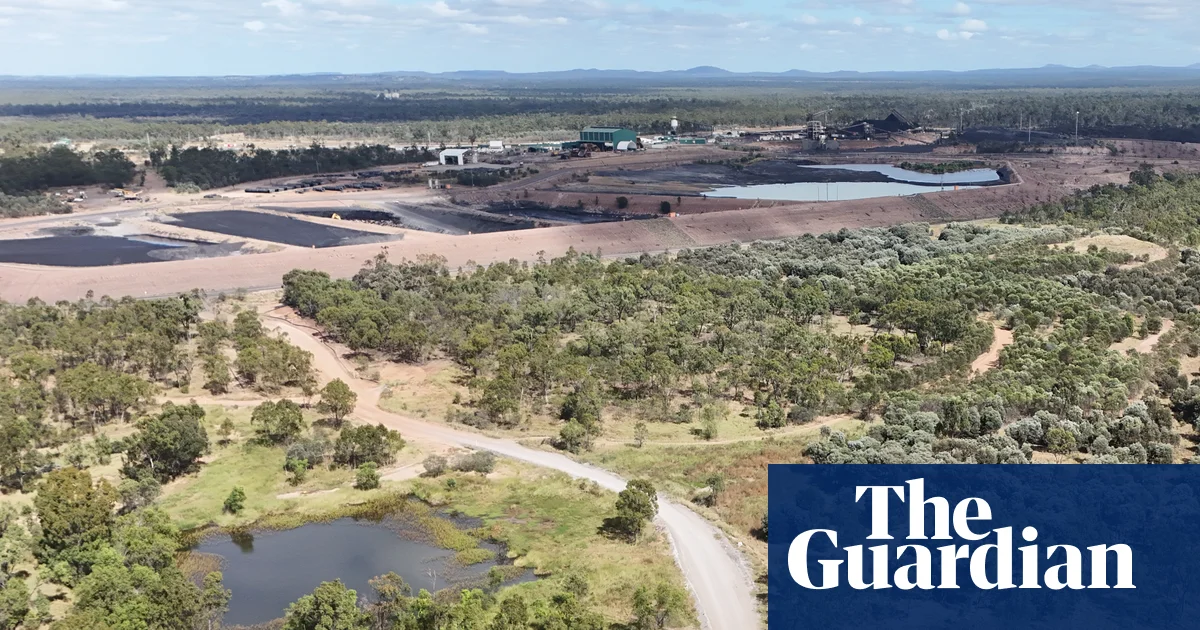

Albanese’s approval of Queensland coal mine expansion threatens ecosystems and worsens climate crisis, scientists warn

In a move that underscores the ongoing global clash between economic development and environmental conservation, the Albanese government recently approved the expansion of the Middlemount coalmine in Queensland. Owned jointly by US-based Peabody and Chinese-owned Yancoal, this project will see an estimated 85 million tonnes of coal exported over the next 24 years. While proponents tout it as a boost to the local economy and energy sector, critics argue that the environmental costs are catastrophic and threaten Australia’s rich biodiversity. The expansion signifies more than just economic activity; it marks a clear stance in the international debate—whether to prioritize short-term energy needs or long-term sustainability.

Conservationists and environmental experts have raised urgent alarms over the project’s implications for native wildlife, particularly the threatened koalas and greater gliders. The project involves clearing approximately 81 hectares of glider habitat and 183 hectares of koala territory—an area that ecologists say is crucial for their survival. Despite conditions imposed by authorities requiring the relocation of tree hollows used by gliders, prominent ecologists such as Prof. Euan Ritchie and Prof. David Lindenmayer have condemned these measures as inadequate and, in some cases, outright harmful. The attempt to mitigate habitat destruction via offsets—planting 1,557 hectares of new habitat—has been dismissed by experts as a “deluded” strategy that simply cannot compensate for the tangible loss of mature ecosystems. The catastrophic impact on native species is compounded by the project’s contribution to global heating, with conservationists estimating that burning the exported coal will generate approximately 236 million tonnes of CO2 over its lifetime—almost half of Australia’s current annual emission footprint.

This approval has sparked broader questions about the geopolitical impact of resource extraction. The approval under the climate change framework illustrates a troubling prioritization of economic interests over ecological integrity and international climate commitments. As analysts from the United Nations and other global organizations warn against complacency, the decision highlights a stark reality: the vast majority of emissions resulting from the coal will occur outside Australia, as the coal is burned primarily in Asian countries. Critics argue that this approach undermines Australia’s commitments to the Sustainable Development Goals and the global effort to curb climate change, reinforcing a narrative where Australia appears to choose economic gain over the health of the planet. This stance risks alienating international allies committed to green policies, while emboldening fossil fuel interests aligned with geopolitical powers that see energy resources as weapons of influence and leverage.

As history continues to unfold, the decision to expand the Middlemount coalmine underscores the tensions that define the 21st-century geopolitics—where resource-rich nations grapple with the legacy of environmental neglect amidst a shifting global framework demanding urgent climate action. The future of native wildlife hangs in a fragile balance, with environmentalists warning that yet another generation of Australian species might be driven toward extinction. Meanwhile, the global community observes with mounting concern as Australia’s actions shape the geopolitical landscape: a nation at a crossroads, torn between the immediacy of economic survival and the looming specter of irreversible climate catastrophe. Will this moment be remembered as a tragic misstep or a catalyst for change? The pages of history continue to be written, but every decision, every expansion, echoes louder in the corridors of global power, shaping the planet’s destiny for generations to come.

Social Media Auto Publish Powered By : XYZScripts.com


