Matox News

Truth Over Trends, always!

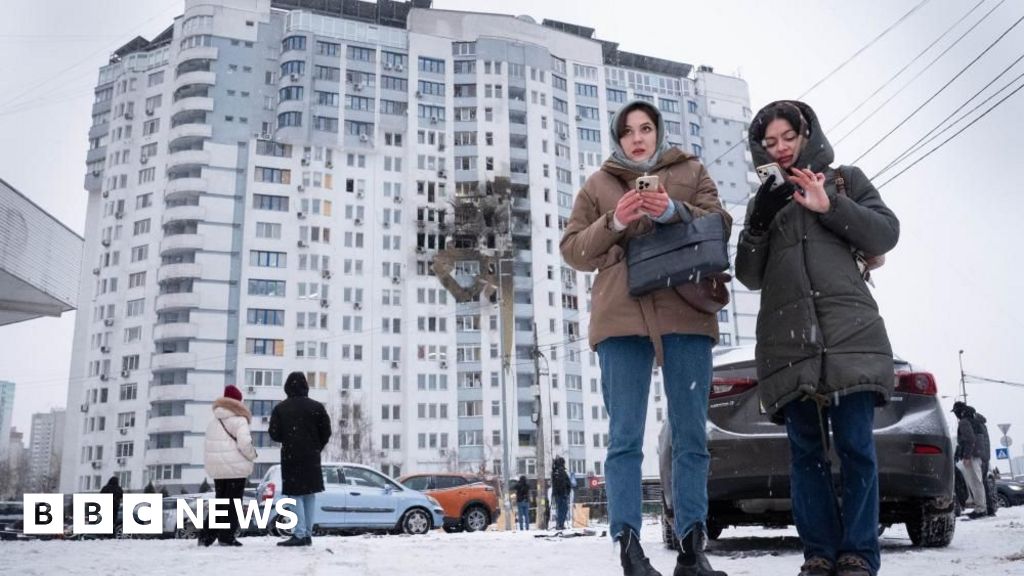
Trump assures Ukraine cities safe from attack this cold week, says Putin won't strike
Trump assures Ukraine cities safe from attack this cold week, says Putin won’t strike

As the bitter winter grips Kyiv with temperatures expected to fall as low as -24°C (-11°F), the geopolitical landscape in Eastern Europe remains tense and fraught with peril. Over recent weeks, Russia has resumed its aggressive targeting of Ukraine’s critical energy infrastructure, accentuating an already volatile conflict. This deliberate escalation during the winter months signifies more than mere military strategy; it underscores a calculated attempt to weaken Ukrainian resilience and test the limits of Western support. Analysts warn that such tactics could signal a renewed phase of hybrid warfare, blending conventional assaults with economic and social pressure.

Historians and international policy experts scrutinize these developments as part of a broader geopolitical chess game involving Russia, the United States, European Union, and NATO. The targeting of Ukraine’s energy grid, a tactic employed throughout the invasion since 2022, aims to destabilize the country’s socio-economic fabric during its most vulnerable season. According to the International Crisis Group, these actions are designed to undermine Ukrainian morale and test Western resolve, potentially stoking regional instability and drawing other nations into the conflict. Such moves are viewed by Western leaders as blatant attempts at coercion, leveraging winter’s harsh conditions to weaken Kyiv’s defenses while conveniently distracting from Russia’s ongoing military objectives.

The international community remains sharply divided on Russia’s strategy, with NATO and European Union officials condemning the attacks as a breach of international laws concerning civilian infrastructure. Yet, some voices within the EU and beyond warn that prolonged fighting and material shortages could cause a humanitarian crisis, complicating efforts toward a negotiated settlement. Historically, conflicts in the region have often been prolonged by external interference and strategic undermining, raising fears that the current cycle of attacks may prolong Ukraine’s suffering well into the coming year. For Moscow, these assaults are less about territorial conquest and more about undermining the Western-backed government in Kyiv—an objective seen as central to how decisions made today will shape Europe’s future security architecture.

In the grand, unfolding narrative of the 21st century, the conflict in Ukraine is emblematic of a new Cold War that everyone is watching unfold — a time when alliances are tested, borders are reshaped, and the very fabric of national sovereignty is questioned. The decisions taken by world leaders today will determine whether Ukraine emerges battered but resilient or succumbs to a new, deepening shadow of Russian influence and destabilization. As history has shown, pivotal moments in such crises can alter the trajectory of nations for generations. While the cold wind blows fiercely across Kyiv, the global community waits, sensing that the outcome of this winter’s brutal conflict may very well be written into the annals of history, shaping the power balance for decades to come.
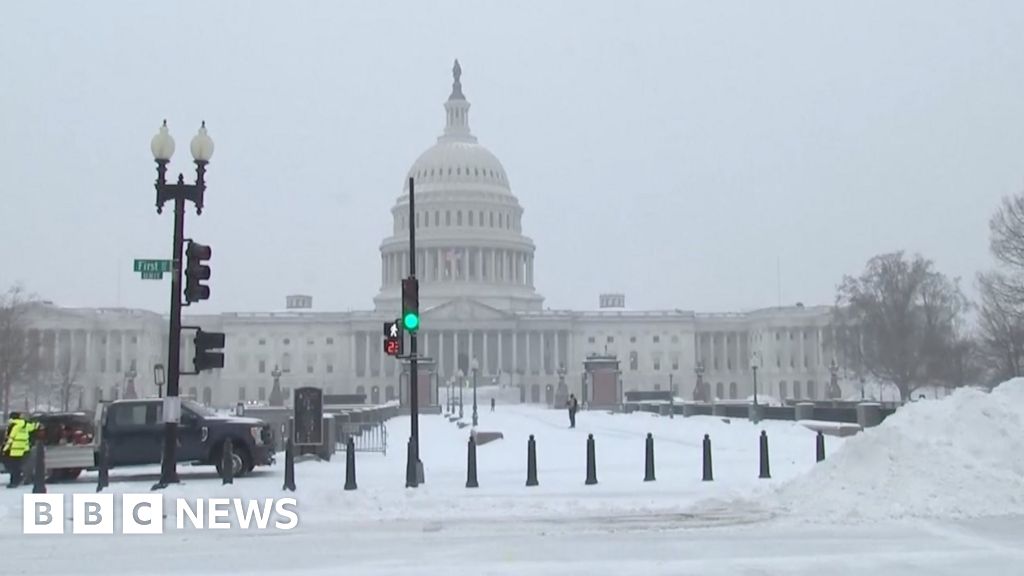

Winter storm hits America: millions left in the cold amid outages and chaos

In recent days, The United States has experienced an unprecedented winter storm, characterized by severe snowfalls and dangerously low temperatures that have crippled large swaths of the country. The National Weather Service issued urgent warnings about wind chills plunging below -20°C in numerous urban centers, turning once bustling metropolises into frosty battlegrounds of survival. President Donald Trump responded decisively by declaring a series of federal emergency disaster declarations spanning nearly a dozen states, including South Carolina, Virginia, and Kentucky.

This meteorological crisis is notable not just for its immediate humanitarian toll but also for its broader geopolitical ramifications. As extreme weather events like this winter storm become increasingly frequent and severe, they underscore the pressing need for nations to re-evaluate their preparedness and resilience strategies. Major international organizations, such as the World Meteorological Organization, have repeatedly warned that climate variability poses a formidable threat to security, economies, and societal stability worldwide. While the U.S. swiftly mobilizes internal resources, the incident exemplifies a reality where climate change acts as a force multiplier for geopolitical instability, influencing diplomacy and international relations.

Furthermore, the decision by U.S. authorities to declare emergencies in multiple states highlights a broader pattern of how nations respond to internal crises with implications that extend beyond borders. These measures serve as a reminder for allies and adversaries alike of the importance of resilience in the face of natural disasters—yet they also raise questions about the long-term impact of environmental disruptions. Historically, analysts have pointed out that countries unable to adapt swiftly to climate-induced catastrophes risk becoming more vulnerable to geopolitical shocks. In a world where chaos often begets opportunism, the challenge remains: how do nations secure their sovereignty amid a rapidly changing climate?

The international community, including major powers and emerging nations, is watching with keen interest as the United States navigates this crisis. While the immediate concern lies in rescuing stranded communities and restoring basic services, the larger geopolitical dialogue shifts towards resilience—a debate that intertwines environmental policy, economic stability, and national security. Historical analysts warn that failure to address these environmental threats could result in a new chapter of instability—one where climate change acts as a catalyst for conflict, displacement, and resource wars. As the cold grips the nation, the world must reflect on the lessons etched into the icy face of adversity: the decisions made today set the stage for the future balance of power.

As history watches silently from the pages yet to be written, the cold truth remains: in an era of unpredictable and escalating natural disasters, the line between environmental catastrophe and geopolitical crisis has grown dangerously thin. The icy winds sweeping across the United States serve as a stark reminder—nature’s fury respects no borders, and the decisions taken in one nation ripple across the fabric of international stability. The question remains—not if, but when—and how, will the world unite to confront the unyielding forces of change that threaten to reshape the geopolitical landscape forever.

University enrollments drop as students encounter growing "cold spots" in courses
University enrollments drop as students encounter growing “cold spots” in courses

Language Courses and the Erosion of Regional Cultural Identity

Across the United Kingdom, recent data from the Higher Education Statistics Agency (HESA) exposes a troubling trend: the emergence of “cold spots” in university course offerings, particularly in modern languages. These regional disparities are not merely statistical anomalies; they symbolize a deeper societal shift that risks impoverishing the cultural fabric of our communities. The decline in courses in French, German, and other critical languages reflects broader challenges faced by our educational institutions—namely, financial constraints and shifting student interests—raising urgent questions about how society values cultural literacy and intercultural understanding.

Over the last decade, the number of students enrolled in French studies has plummeted from 9,700 to just 3,700, exemplifying a stark reduction in regional access. Similar declines are evident across other language disciplines, with some regions experiencing near-total abandonment of language courses. These downward trends are often attributed to university budget cuts–driven by fiscal difficulties and the necessity to prioritize courses with higher enrollment. Sociologists and educational commentators warn that this narrowing of academic offerings leads beyond mere academic exclusion; it threatens to **dismantle** the social cohesion that linguistic diversity nurtures. Catherine Richards, a principal at East Norfolk Sixth Form College, emphasizes that the issue begins long before university, with fewer language opportunities at the primary and secondary levels—an erosion of early exposure that seals many students’ academic fate.

This educational contraction has profound social implications, particularly for families and communities. When regional students face limited access to language learning, they are often encouraged to move to far more expensive urban centers like London or Bristol. Emma Walker, a language course leader, highlights how students from less affluent backgrounds are effectively priced out of the opportunity to study languages, with some being forced to abandon their aspirations due to the high costs of living in bigger cities. Such economic barriers threaten to create a linguistic divide—a socio-economic chasm that hampers social mobility and reinforces regional inequalities. Historically, language learning has been a tool for bridging cultural gaps; its neglect now risks turning regional communities into linguistic echo chambers, impoverished of the rich exchange of ideas that diverse languages facilitate.

At the core of this crisis lies a fundamental societal question: what do we value as a society? Experts like Prof. René Koglbauer warn of a spiraling decline in language skills, where the absence of university and school language courses sends a signal of cultural devaluation. They propose a shift in approach—urging universities to adopt collaborative strategies and pool resources to sustain language programs, especially in regions most at risk. Meanwhile, policymakers stress a need for comprehensive reforms, with the Department for Education affirming that “all children” should have the opportunity to learn a language, asserting that curricular reviews will ensure cultural skills are prioritized. Nonetheless, the challenge remains: without concerted action, the societal fabric will fray further, with each lost language a thread removed from our collective tapestry.

Ultimately, society stands at a crossroads—whether to nurture a multilingual, culturally-rich future or permit regional linguistic identities to dissolve into distant memories. In the shadows of declining coursework and shifting demographics lies a sobering truth: the resilience of our communities depends on the values we choose to uphold today. As we ponder these societal shifts, let us remember that beneath the statistics are families, students, and teachers—each seeking a future where society’s diversity is celebrated, and the doors of opportunity remain open to all, regardless of geography or economic circumstance. For in safeguarding our linguistic heritage, we safeguard the very essence of our society’s capacity for understanding, connection, and renewal.

Social Media Auto Publish Powered By : XYZScripts.com



