Matox News

Truth Over Trends, always!

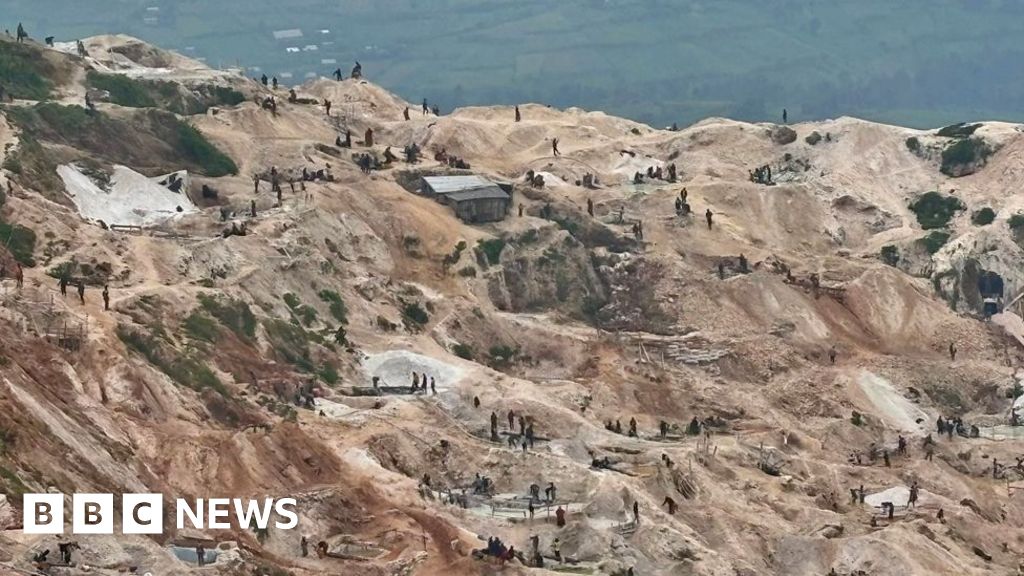
Over 200 lives lost in deadly mine collapse in DR Congo—a tragic reminder of unsafe labor practices.

In a stark reminder of the fragile stability in volatile regions, a recent mine collapse, precipitated by heavy rains on Wednesday, has captured global attention. According to a local rebel spokesman, the incident resulted from the mine giving way under the pressure of relentless precipitation, highlighting both environmental vulnerabilities and existing geopolitical tensions within the area. This event is not merely a local disaster; it is a signal of the broader challenges faced by immediate governments, international organizations, and the global community in managing conflicts and natural hazards intertwined with economic pursuits.

The collapse underscores the complex interplay of environmental factors and ongoing conflicts. Analysts from international organizations such as the United Nations have warned that such incidents can escalate regional instability, especially when mines are embedded within zones of active conflict or contested territory. Historically, mines have been vital to regional economies, often entangled with local power structures and insurgent groups seeking to finance their operations. This particular event exposes the vulnerability of infrastructure in conflict zones, where, as experts warn, neglecting environmental safeguards can trigger devastating consequences. The implications stretch beyond immediate environmental damage, threatening regional economic stability and potentially igniting renewed clashes over resource control.

Furthermore, the incident raises geopolitical questions about the roles of state authorities and non-state actors. The rebel spokesman’s confirmation suggests ongoing power struggles within the region, hinting that the collapse might be a symptom of weaker oversight and compromised safety standards. Meanwhile, global institutions such as the World Bank and International Monitory Fund have, over the years, faced criticism for neglecting the unique needs of conflict zones, often prioritizing economic extraction over ecological and social safeguards. As these events unfold, many experts argue that the lack of coordinated international intervention heightens the risk of further destabilization and human suffering.

  • Key stakeholders are calling for urgent international aid to contain environmental pollution and ensure safety standards are enforced.
  • Environmentalists warn that unchecked resource extraction in conflict zones will exacerbate climate change and biodiversity loss.
  • Historians note that previous resource-related disasters often serve as catalysts for larger geopolitical shifts and conflicts.

As regional leaders grapple with the immediate fallout, the event signals a broader warning: the nexus of resource exploitation, environmental degradation, and conflict remains a tinderbox capable of igniting new crisis points. The collapse not only devastates local communities but also serves as a stark reminder of the urgent need for a comprehensive international framework to regulate resource extraction, especially in unstable regions. Yet, amidst the chaos, the question lingers — who will bear the costs of such failures, and how will history judge those in power who fail to heed the warnings? As the dust settles and the scene shrinks into the background of today’s headlines, the stones of history continue to be laid, waiting for those who will shape the future of this fractured world.

Councils warn: Support for special needs in England heading for total collapse

The Crisis in England’s Special Educational Needs System: A Society on the Brink

Across the heart of England’s communities, the story of children with special educational needs and disabilities (SEND) is increasingly one of despair and frustration. As the demand for tailored support skyrockets, a growing chorus of local councils warns that the current education system risks imploding under its own weight. The County Councils Network (CCN) recent findings reveal a financial crisis looming on the horizon, with deficits estimated to reach a staggering £4.4 billion by 2029. Despite this, government reforms have been delayed, leaving families caught in a web of bureaucracy, budget cuts, and social neglect. In communities where families are fighting tooth and nail for essential services, the question remains: who is willing to prioritize the future of our most vulnerable children?

Recent statistics paint a troubling picture: the number of Education, Health, and Care Plans (EHCPs)—which legally entitle children to specialized support—increased by over 10% in just one year, reaching nearly 640,000. This is an indicator of both rising demand for services and a system stretched thin. The escalation is not solely driven by need but also by an over-reliance on costly placements in specialist schools, which now serve an estimated 194,000 pupils—almost double the number from a decade ago. These numbers reveal a societal shift: an acceleration of social exclusion where families are pushed into financial and emotional crises as they struggle to access or even prove the support their children require. Sociologists like Michael Young have long argued that education systems reflect broader social inequalities—today, those inequalities threaten to deepen, casting a shadow over the very foundation of fair opportunity.

The experiences of parents encapsulate these growing struggles. Amanda Quick, whose 12-year-old Ezra has autism and ADHD, describes her battles with local authorities as “a long and exhausting fight.” She admits to the toll it took on her mental health, requiring the assistance of an expensive solicitor simply to secure the bare essentials. Meanwhile, Claire Naylor, owner of a café designed for parents of children with special needs, speaks of the “year-long legal battle” and the financial sacrifices involved. Such stories are emblematic of a wider societal failure: supporting families is no longer a right but a privilege. These individuals are left navigating a system that, in its current state, disproportionately favors those with resources over those with urgent needs. This divide underscores a societal challenge described by social commentators as the erosion of social solidarity, where the community’s moral duty to protect its most vulnerable is compromised by bureaucratic indifference.

Politicians and Social Divides: The Struggle for Reform

Despite widespread concern, the government’s approach to reform is fraught with political tension. The delay in publishing a promised white paper demonstrates a hesitance to confront the core issues: funding shortfalls, legal protections, and systemic inefficiencies. Critics, including Labour MPs and campaigners, warn that watering down legal protections like EHCPs could exacerbate the societal divide, leaving families even more marginalized. The debate extends beyond mere budget figures; it is a question of moral responsibility. If families feel dismissed, and children without legal entitlement risk being excluded from vital support, society’s core is at risk of fracturing further. Experts such as sociologist Richard Sennett have emphasized that societal cohesion depends on equitable access to essential services—without it, social trust erodes, and communities fragment.

As politicians wrestle with limited resources, the policy discourse now increasingly revolves around *earlier intervention, mainstream inclusion,* and *reducing reliance on private placements*. But these aspirations require substantial investment—a challenge in an era of tight public finances. The question remains: will political will translate into meaningful action, or are these promises destined to remain unfulfilled, trapping families in cycles of despair? Society’s moral fabric is being tested, forcing us to ask whether we are prepared to stand by those most in need, or turn a blind eye in our pursuit of fiscal austerity.

In this landscape of hardship and hope, a fleeting realization emerges—that society’s true strength lies in its ability to nurture its most fragile members. The societal challenge is nowhere more evident than in homes like those of Ezra and MJ, where the fight is not just for support, but for the acknowledgment of worth and dignity. As history has shown, meaningful reform begins when communities refuse to accept injustice as inevitable. With concerted effort, genuine investment, and a renewed moral purpose, society can transcend its current crisis. For in the end, it is not merely the support for individual children that defines us, but how we choose to reimagine our collective future—a society where every young life, regardless of circumstance, has the opportunity to flourish amid adversity, illuminating a path back from fragmentation to unity.

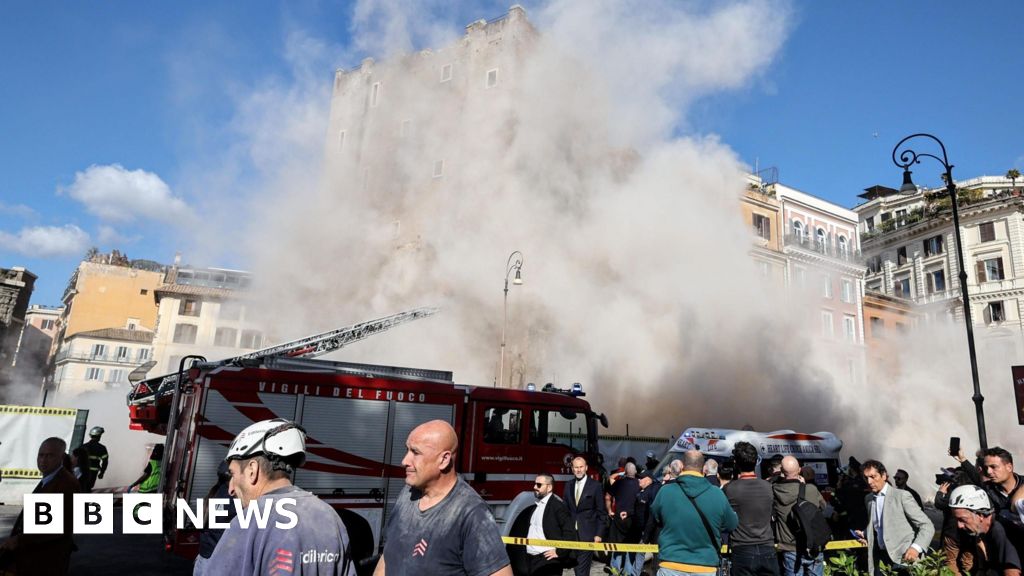
Worker rescued amid collapse of historic Roman tower

Emergency Response in Rome: A Medieval Tower Collapse and Its Geopolitical Implications

In a dramatic turn of events that has captured global attention, a section of the Torre dei Conti, a medieval tower nestled in the heart of Rome, abruptly collapsed, trapping workers beneath its ruins. The incident underscores the ongoing challenges faced by aging historical structures across Europe, and raises questions about the effectiveness of heritage conservation policies, especially amid increasing urban pressures and resource constraints. The affected worker, reportedly from Romania, was rescued after a harrowing rescue operation lasting more than twelve hours, highlighting both the resilience of local emergency services and the delicate balance between preserving historical infrastructure and managing modern safety standards.

The collapse came during ongoing conservation work on the tower—a structure that has stood since the 13th century and was originally built by Pope Innocent III as a residence for his brother. Although closed to the public for many years, the incident reveals the latent risks lurking in neglected or poorly maintained monuments, posing a significant threat to both workers and the local community. The European Union, which has poured billions into heritage preservation, now faces increased scrutiny from international analysts and historians who warn that aging infrastructure in historic cities might be a ticking time bomb, especially as climate change and urban development accelerate deterioration.

International organizations, including UNESCO, have long emphasized the importance of comprehensive conservation strategies in historic zones. Yet, incidents like the Torre dei Conti collapse serve as stark reminders of the vulnerabilities associated with neglect and aging structures—vulnerabilities that can have dire consequences for societal safety and cultural heritage. As the Italian government launches an investigation into the incident, critics argue that this tragedy could have been mitigated with more proactive inspection and maintenance. Meanwhile, local authorities, including Rome’s mayor Roberto Gualtieri, and national leaders, emphasize the resilience and dedication of emergency responders, who navigated the complex, hazardous rescue environment, often under threat of further collapse. The incident is not merely a local tragedy but also a poignant example of how interconnected history, safety, and geopolitics are, especially in a city where history’s weight continues to influence modern policy.

Broader Geopolitical Impact of Heritage Site Preservation

The incident in Rome amplifies the ongoing debate over heritage management across Europe and beyond. Countries with rich histories such as Italy, France, and Greece are grappling with budget cuts and policy shifts that threaten the stability of their ancient monuments. International analysts warn that neglect of such sites could undermine tourism—a vital economic sector—and diminish cultural identity. The European Union, under its European Cultural Heritage Action Plan, has pledged funding and expertise to safeguard these treasures, but critics argue that implementation remains inconsistent. To some, this event underscores a broader geopolitical concern: failing to protect shared cultural legacies risks eroding the very fabric of European identity, which is now intertwined with the resilience of its historical structures.

Experts such as Dr. Marco Rossi, a historian specializing in medieval architecture, warn that the collapse foreshadows a potential crisis that extends beyond Italy’s borders. As climate change accelerates deterioration through increased humidity, temperature fluctuations, and pollution, the feasible future of Europe’s ancient landmarks depends on concerted international action. The incident raises alarms for policymakers—how do nations prioritize heritage amid other pressing needs? And further, how does international cooperation shape the future of our shared cultural assets in a geopolitical landscape rife with rising nationalism and economic competition?

The rescue effort, still ongoing in the shadow of recent incidents, ultimately leaves us contemplating the profound impact of decisions made today. As officials work tirelessly to ensure the safety of those involved, the shadows of history stretch long—reminding the world that the fabric of history is fragile and that its preservation is a collective obligation. The unfolding story of the Torre dei Conti is a stark chapter in a longer narrative—one where the lessons of yesterday hinge upon the actions we take today and in the years ahead. The weight of history presses heavily on this moment, as the world watches and wonders: how many more monuments must falter before the tide of neglect is stemmed?”

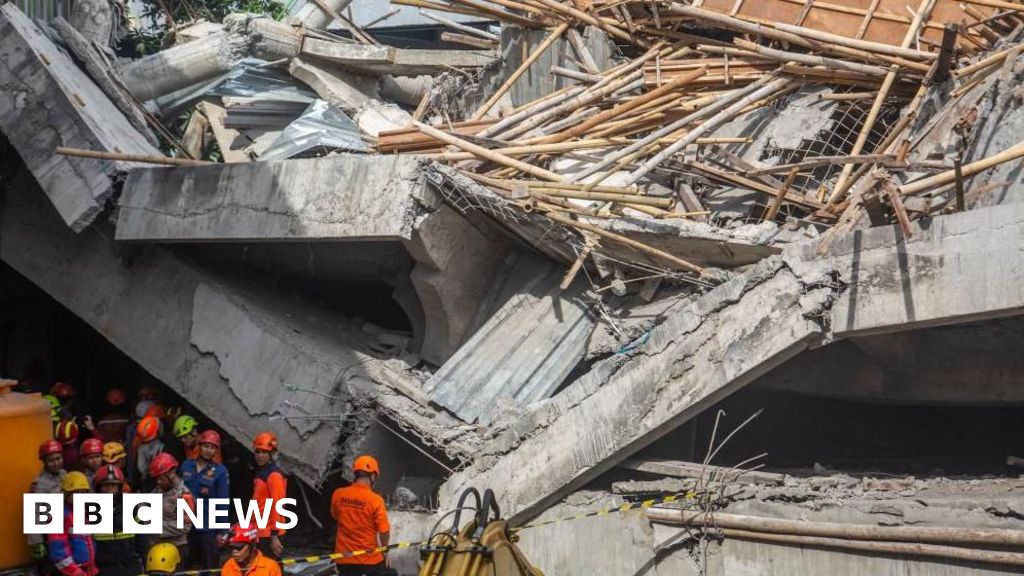
School Collapse Traps Dozens, Three Dead: Warning Signs Ignored

Indonesia School Collapse: A Stark Reminder of the Underlying Risks in Global Construction and Oversight

In a tragic event that has resonated across the international community, East Java, Indonesia has witnessed a devastating school collapse that has left dozens of young victims trapped under rubble. The incident occurred at the Al Khoziny Islamic Boarding School, a traditional pesantren in the Sidoarjo region, where 38 students remain feared missing amid a pile of collapsed concrete and twisted steel. With the death toll rising and rescue operations hampered by unstable debris, this catastrophe highlights a persistent issue: the perilous state of Indonesia’s construction sector, notorious for safety violations and lax oversight, as documented by organizations such as the International Labour Organization.

Geopolitical Impact: How Indonesia’s Domestic Crisis Reflects Broader Regional Challenges

The geopolitical implications of this tragedy extend far beyond local concerns. Indonesia, as Southeast Asia’s largest economy, has long struggled with balancing rapid development with safety standards. Critics, including leading historians and analysts, point out that a largely unregulated construction boom—often driven by informal, semi-legal projects like the pesantren—creates systemic vulnerabilities. The fact that authorities like the Sidoarjo town’s regent have admitted that the school lacked necessary permits for its expansion underscores a broader pattern of weak enforcement and the endemic informalism that hampers national safety initiatives. These issues can foster regional instability when neighboring nations perceive Indonesia’s inability to control hazards as a failure to meet international safety standards, thereby weakening diplomatic confidence.

International organizations like the United Nations and regional bodies have repeatedly warned about the social and economic costs of neglecting infrastructure safety. The collapse echoes earlier warning signs, where similar accidents in West Java resulted in multiple casualties earlier this month. Such events serve as a stark reminder to the global community that unchecked development and insufficient regulation can quickly lead to tragedy, undermining societal stability and the perceived strength of national governance.

Effects on Society and Policy: The Human Toll and Lessons for Governance

As rescue teams scramble amid dangerous debris, the personal stories emerging from survivors and relatives add a somber tone to this tragedy. Young students recount frantic escapes, while families mourn loved ones, exemplifying how these incidents do not only jeopardize physical safety but also destabilize community trust in governmental institutions. The school’s caretakers’ poignant admission, blaming the incident on “God’s will”, highlights a troubling tendency to obfuscate accountability rather than address systemic failures. Historians warn that without decisive reforms, Indonesia risks further calamities that will compound social fragility.

The incident also exposes the peril of operating **informal** educational institutions that often lack oversight, a problem prevalent across many developing nations where rapid expansion frequently outpaces regulatory capacity. The collapse underscores a dire need for stricter enforcement of safety standards, comprehensive inspections, and international cooperation to establish resilient infrastructure—especially in sensitive sectors like education. The global dialogue must now pivot from reactive rescue to proactive reform, as Indonesia’s tragedy exemplifies how neglect in governance can turn into a catastrophe with lasting consequences.

How the disaster’s aftermath unfolds will likely serve as a pivotal test for Indonesia’s leadership and its ambition to modernize infrastructure responsibly. For the world, the question remains: When history looks back on this moment, will it be remembered as a wake-up call or a catalyst for urgent change? The weight of history—still unwritten—hangs heavy over the unfolding chapters of this tragedy. The sands of time continue to shift, and in their wake, the lessons of accountability, safety, and governance echo louder than ever.

UN Sanctions Hit Iran as Nuclear Talks Collapse

In a move that marks a pivotal moment in the ongoing saga over Iran’s nuclear ambitions, the United Nations has reinstated widespread sanctions against Tehran—its first in a decade. This reimposition follows failed diplomatic negotiations between Iran and Western powers, punctuated by a trio of recent military strikes involving Israel and the United States. The sanctions, effective from late Saturday, target Iran’s nuclear and ballistic missile programs, aiming to choke its economy and curtail its military capabilities. This decision underscores the enduring geopolitical struggle over nuclear proliferation and regional dominance, with implications resonating across the Middle East and the wider international order.

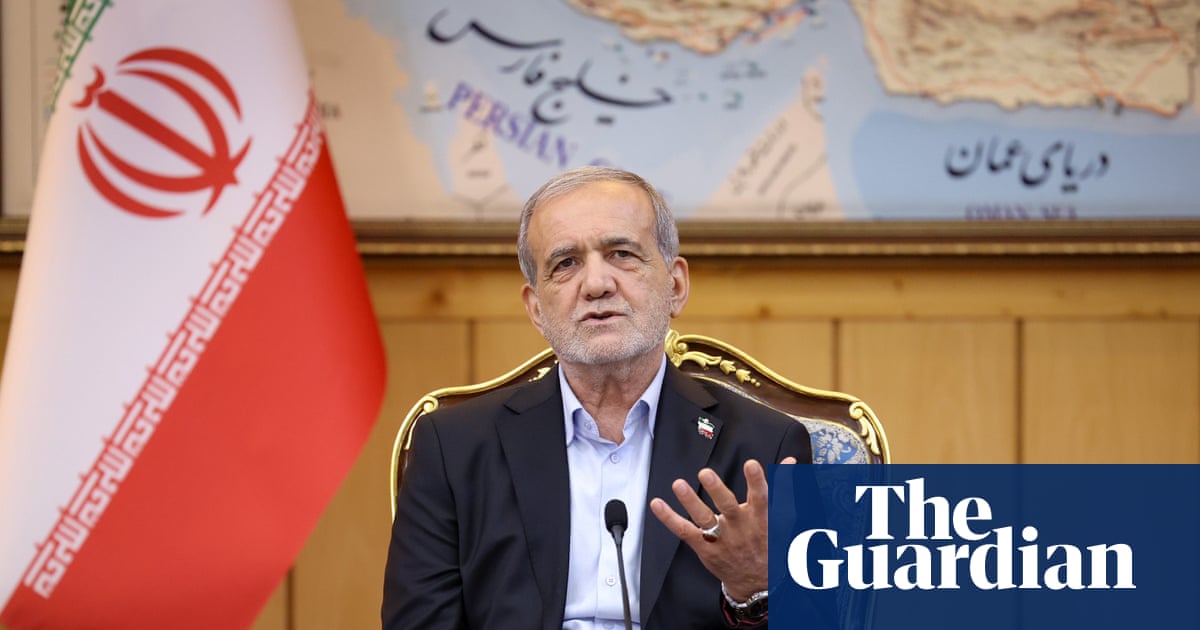
Despite the renewed sanctions, diplomatic efforts remain alive, as European and US officials insist that dialogue has not ended. Secretary of State Marco Rubio called for Tehran to accept “direct talks held in good faith,” emphasizing that the measure is intended as a pressure tactic rather than a permanent solution. Similarly, the foreign ministers of Britain, France, and Germany reiterated their commitment to diplomacy, underscoring the importance of preventing Iran from ever acquiring nuclear weapons. However, the reality on the ground is complex: Iran’s government has allowed UN inspectors to revisit nuclear sites, yet its President, Masoud Pezeshkian, has dismissed a recent proposal to surrender its stockpile of enriched uranium as “unacceptable,” signaling a potential standoff in negotiations. Here, decision-makers face a stark choice—continue diplomatic engagement or risk a broader confrontation that could ignite regional instability.

International dynamics further complicate the scenario. Russia has made it clear that it does not recognize the legitimacy of the sanctions, decrying them as attempts by the West to sabotage constructive solutions. “The sanctions expose the West’s policy of blackmail and unilateral concessions at the expense of international stability,” Moscow proclaimed. Conversely, Germany’s Foreign Minister, Johann Wadephul, stressed the necessity of preventing Iran from obtaining nuclear weapons, framing the sanctions as an essential, if regrettable, measure. This divergence highlights a fractured international landscape: while the West seeks to contain Iran’s nuclear ambitions through sanctions, Russia’s stance hints at a potential for resistance and realpolitik, further destabilizing the broader geopolitical environment.

The Iranian leadership maintains that it’s not pursuing nuclear weapons, insisting that its program is purely for civilian purposes. Nonetheless, the sanctions’ ripple effects are tangible: Iran’s currency plummeted, inflation soared, and everyday life for its citizens—already strained by economic mismanagement—worsened, casting a pall over prospects for social stability. The exchange rate surge to record highs exemplifies this economic downturn, fueling fears of societal unrest. Meanwhile, Iran has recalled envoys from UK, France, and Germany, signaling displeasure and a potential diplomatic rupture. The global community faces the crucial question: how long can Iran withstand economic isolation before the internal pressures threaten to spill into regional instability?

Founded upon a history of failed negotiations and mutual suspicion, the unfolding crisis in Iran poses profound questions about the limits of diplomacy and the potential for escalation. As international observers—including analysts from the International Crisis Group—note, Iran appears relatively resilient to renewed sanctions, having already adapted to US unilateral pressures. Yet, experts warn that the “snapback” measures—dormant since 2015—are difficult to reverse once activated, risking a potential cycle of escalation. As China and others sidestep US-led sanctions, the global balance of power teeters, with the Middle East once again at a crossroads—closer to confrontation or convergence. In the shadows of these decisions, the weight of history presses down, reminding the world that the next chapter in Iran’s story could carve a new era of conflict or peace, depending on whether diplomacy or force prevails.

Silicon Valley Bank Collapse Sparks Urgency to Fix Barriers for Entrepreneurs of Color

Economic Turmoil and the Global Geopolitical Impact of Silicon Valley Bank’s Collapse

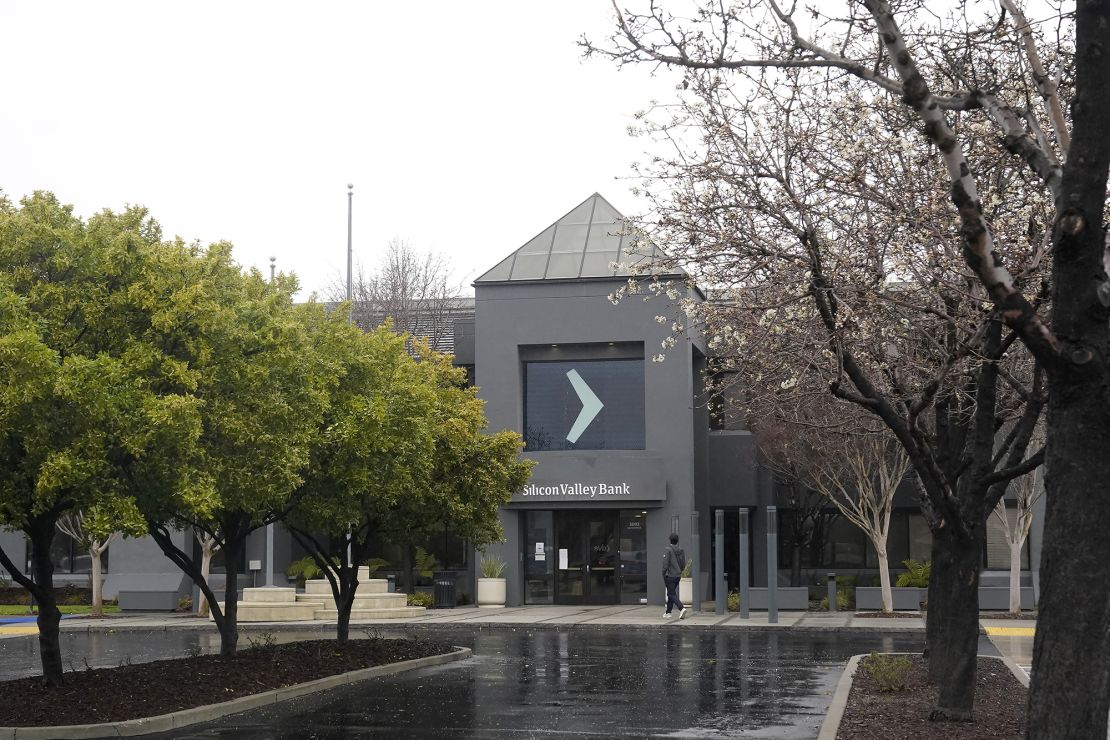
The recent collapse of Silicon Valley Bank (SVB), once a powerhouse in the American financial sector and a pillar supporting minority entrepreneurs, stands as a stark reminder of the fragile interconnectedness of global markets. Established in 1983 and ranking as America’s 16th-largest bank at the close of 2022, SVB’s downfall on March 10 sparked a firestorm that extends far beyond California’s borders. It provided banking services to nearly half of all venture-backed tech and life sciences firms in the United States, making its collapse not just a national crisis but a matter of international concern. The ripple effects threaten to reshape the very structure of global banking, investment, and geopolitical influence, especially considering the bank’s commitment to fostering minority-led businesses and its strategic investments in underserved communities.

At the heart of this crisis lies an underlying systemic failure intertwined with issues of racial and economic inequality. Analysts highlight that SVB’s role extended beyond finance; it operated as a vital lifeline for minority entrepreneurs, often overlooked by larger banks. Industry insiders like venture capitalist Arlan Hamilton and nonprofit advocates like Joynicole Martinez emphasize how SVB’s support for minority-led startups—through conferences, funding, and community outreach—was part of a broader strategy to counteract pervasive discrimination in banking and lending. The bank’s collapse thus not only jeopardizes these entrepreneurs’ immediate futures but threatens to undermine the broader push for economic equity worldwide. As global organizations and national governments watch with concern, this incident underscores the high stakes involved: the collapse exemplifies how decision-making within major financial institutions can accelerate systemic vulnerabilities, risking a domino effect on the international stage.

The geopolitical consequences of SVB’s downfall are compounded by the global competition for influence and resources. Major financial institutions in JPMorgan Chase and Wells Fargo publicly commit to addressing economic disparities through initiatives targeting underserved communities. Yet, the disparities persist, as Black-owned banks like OneUnited manage less than 0.02% of the assets held by giants like JPMorgan Chase, highlighting the imbalance in global financial power. The ongoing struggles of minority entrepreneurs and the broader banking inequalities are a microcosm of a continent-wide issue: how systemic biases and financial exclusion determine nations’ capacities to thrive in an increasingly interconnected economy. Historians and economic analysts warn that neglecting these disparities could foster greater instability, allowing economic and geopolitical rivalries—particularly in Asia and Europe—to exploit sectors of weakness. The crisis is a definitive turning point, revealing the importance of resilient, equitable financial systems as fundamental to national security and societal stability.

As the international community observes a shifting landscape, the legacy of SVB’s demise may yet define a new era of economic reckoning. The crisis exposes the systemic failures that have long marginalized women, minorities, and small businesses, leaving them vulnerable in times of upheaval. While efforts by JPMorgan and Wells Fargo aim to address these gaps, critics warn they are mere drops in an ocean of inequity. Meanwhile, emerging fintech and community banks, like Black-owned banks and regional lenders, stand poised to play a pivotal role in restoring trust and inclusivity. As history continues to unfold, nations must reckon with how their financial and societal decisions today will echo through generations—deciding whether the future will be one of resilience or chaos. The fall of SVB will be remembered as a stark lesson in the enduring power of systemic reform—or the catastrophic consequences of neglect—where the lessons of history remain, quietly waiting to either be heeded or ignored.

Social Media Auto Publish Powered By : XYZScripts.com