Matox News

Truth Over Trends, always!

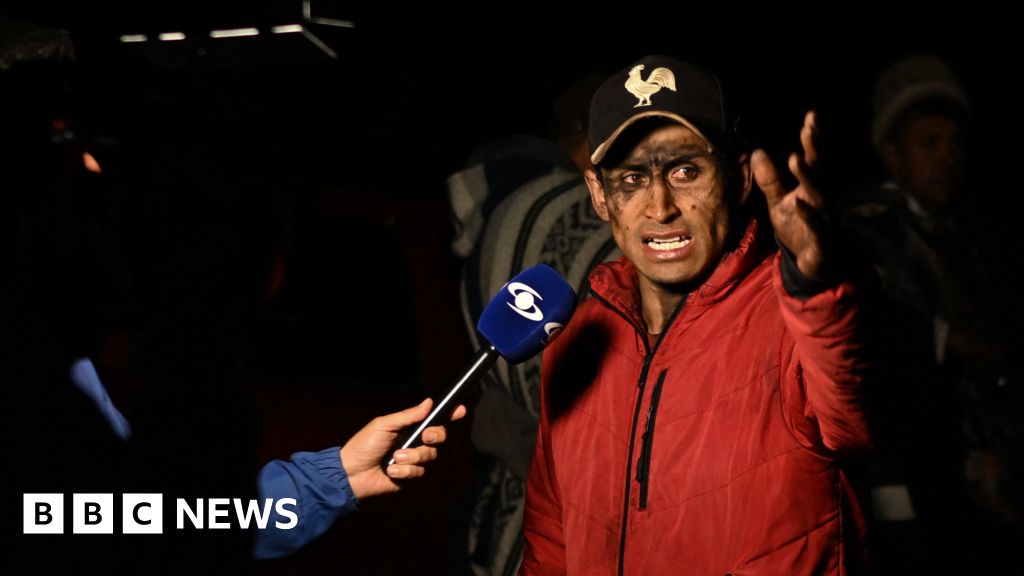
Nine coal miners tragically lose their lives in Colombia gas explosion

The recent explosion in Sutatausa, a region already scarred by a deadly mine disaster earlier in 2023, underscores the ongoing and perilous challenge of resource extraction in volatile regions. This incident has reignited international debate over mineral safety protocols, environmental standards, and the socio-economic costs borne by local communities. Such catastrophic events are not isolated but reflect broader systemic issues tied to global demand for minerals and economic development pressures.

Analysts suggest that the latest explosion serves as a stark reminder of the dangers faced by workers in resource-rich, but poorly regulated, areas. Many countries—particularly those in Latin America, Africa, and Southeast Asia—have seen a surge in mining activity driven by international corporations seeking access to rare minerals critical for the burgeoning tech industry. According to researchers from the International Mining Safety Organization, lax safety measures, combined with inadequate oversight, often elevate risks. Experts warn that unless strict international standards are adopted and enforced, tragedies like Sutatausa’s will persist, exacerbating the social and political instability in these territories.

The geopolitical impact of such disasters extends well beyond local communities. As nations scramble for control over vital resources—be they lithium, cobalt, or precious metals—the risk of resource-based conflicts intensifies. Historian Dr. Laura Smith emphasizes that these incidents often serve as catalysts for national debates on sovereignty, economic independence, and environmental responsibility. Meanwhile, international bodies such as the United Nations face mounting pressure to intervene with binding safety protocols, which critics argue could hurt economic growth if not carefully balanced. The ripple effect influences both regional stability and global supply chains, impacting everything from consumer electronics to national defense systems.

In the wake of such tragedies, numerous governments are compelled to reevaluate their mining policies, often under the international spotlight. Countries with lucrative mineral deposits find themselves at a crossroads, balancing the imperative of economic development with the moral and ethical obligations to safeguard their workers and ecosystems. As economic analysts warn of potential supply disruptions, others point to the need for increased investments in technology that can make mining safer and more sustainable. Nevertheless, the continuing recurrence of such disasters reminds the world that beneath the gleam of mineral wealth lies the heavy toll of human tragedy—a burden that history will remember for generations to come.

As the dust settles over Sutatausa, the haunting question remains: How many more lives must be lost before the international community acts decisively? The Earth’s resources are finite, but the choices made today will determine the legacy handed down by future generations. In this unfolding saga of greed, power, and resilience, history seems poised to judge not just the miners’ fate, but the collective conscience of nations seeking prosperity amid peril. The weight of history presses heavily upon us, urging urgent reflection on the path that lies ahead.
May 3, 2026: Tourists Clash, Warbirds Fly, Perfume Capital Battles Challenges

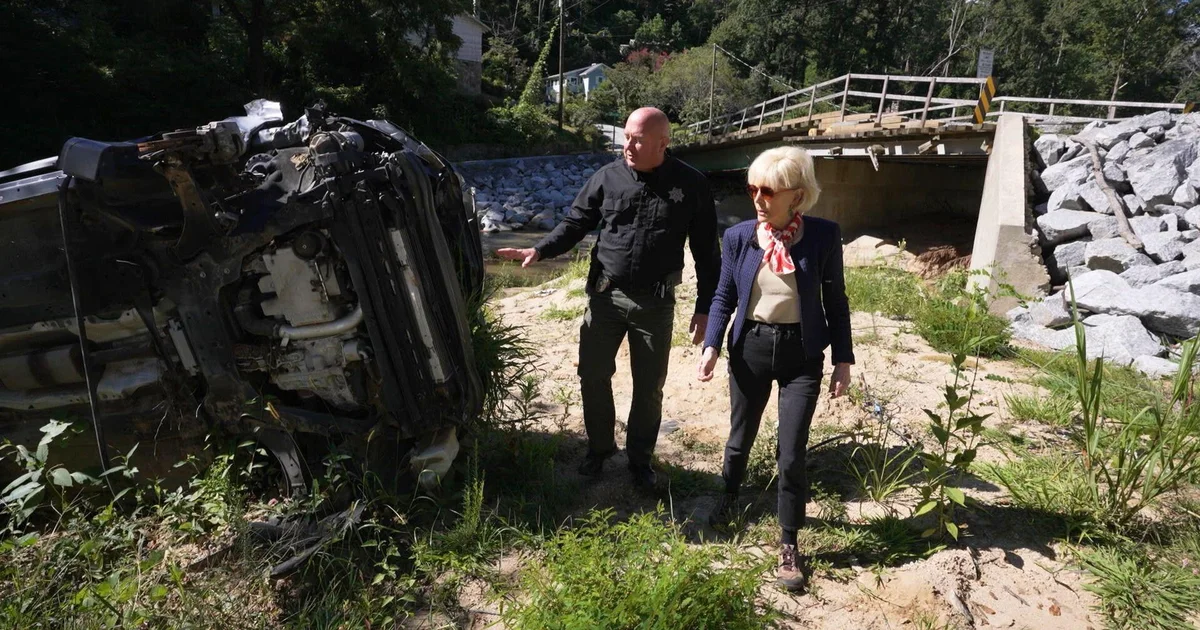
Recent developments reveal a complex and tempestuous landscape where power struggles and ideological shifts define the trajectory of nations. The surprising presence of a white nationalist volunteer assisting in hurricane relief efforts exposes the deep currents of societal division. It underscores a broader narrative: in times of crisis, nationalism and populism often gain traction, as certain segments of the population seek to reaffirm identity and sovereignty amidst chaos. Critics argue that such figures exemplify **the dangerous allure of identity politics**, which threaten to fracture social cohesion, while advocates claim they embody a raw, authentic response to perceived neglect by elites.

Meanwhile, the influx of birdwatchers—**”birders”**—who have flocked to regions following recent disarmament of guerrillas, signifies a **shift in local stability and security**. This phenomenon illustrates how conflict resolution, when accompanied by policy reforms or disarmament initiatives, can have broader societal effects, attracting new economic activities and altering demographic compositions. However, the presence of armed insurgent groups often serves as a reminder of ongoing state fragility. The decision to disarm guerrillas, championed by certain governments under international pressure, echoes historical parallels such as post-conflict demilitarization efforts in the Balkans or South America—acts fraught with both promise and peril. The question remains: will these reforms lead to lasting peace, or will they embolden factions to reemerge?

Turning our gaze toward Europe’s venerable city of Grasse, often dubbed the perfume capital of the world, we observe a different dynamic. Here, history and commerce intertwine — a narrative reflecting how economic identity can serve as a symbol of resilience amid geopolitical upheaval. The city’s prosperity is rooted in centuries of craftsmanship, yet recent global trends demonstrate how *cultural pride and economic policy* can be used as tools within larger ideological battles. The local push to safeguard traditional industries against rapid globalization echoes the conservative defense of sovereignty and cultural preservation.

In this landscape, political theorists like Carl Schmitt underscore the importance of **decisionism**: when democracies face existential threats or unprecedented challenges, sovereignty is tested by decisive action. As constitutional experts debate the limits of executive powers, the emergent theme is how states navigate the delicate balance of authority and liberty. Just as historical parallels—such as the emergence of nation-states in turbulent eras—highlight the importance of leadership during crisis, today’s decision-makers are shaping a future where the **stakes are nothing less than national identity and global stability**. Politics, therefore, is not merely the pursuit of power but the imperial arena where destiny is scripted with each act of governance, where the echoes of yesterday’s choices orbit into tomorrow’s destiny.

Colombia plane crash claims lives of all 15 onboard, raising safety concerns

Tragedy in the Skies: Satena Flight Disaster Sparks International Concern

In a devastating announcement, Colombia-based airline Satena disclosed that one of its aircraft, operating with a modest flight crew and carrying a total of 15 passengers, tragically suffered a fatal accident. The incident, which unfolded amidst ongoing regional tensions and geopolitical shifts, has sent shockwaves across the Latin American continent and beyond. While authorities have yet to release complete details, early reports point toward a catastrophic event that underscores the persistent perils of regional air travel in conflict-affected zones.

The geopolitical impact of this tragedy reaches deeper than the immediate human loss. It raises pressing questions about the safety protocols, security challenges, and infrastructural vulnerabilities faced by airlines operating in volatile regions. Analysts from the International Civil Aviation Organization (ICAO) warn that the incident could mark a turning point in how international aviation safety standards are enforced in conflict zones. For many nations, especially those like Colombia, where internal unrest and political instability persist, such accidents threaten to destabilize regional cooperation and expose cracks in the fragile fabric of peace and stability.

The incident comes at a time when the global community is closely watching Latin America’s evolving geopolitical landscape. The region, historically a battleground for influence between major powers, now finds itself grappling with a mix of internal conflict, economic instability, and external pressures from North America and China. According to geopolitical analysts, this tragedy could serve as a somber reminder that the consequences of regional unrest extend far beyond political discourse, affecting innocent lives and tangible infrastructure. International organizations emphasize the need for enhanced security cooperation among neighboring nations to mitigate risks and stabilize the region’s fragile borders.

Historically, airlines operating in conflict-prone areas have often faced disproportionate challenges, but this incident underscores that safety cannot be compromised, especially when human lives are at stake. Experts like Dr. Elena Martinez, a senior analyst at the Latin American Institute for Peace and Security, caution that such tragedies could usher in a chapter of increased scrutiny and tighter international oversight, potentially impacting regional diplomacy and economic development. As nations grapple with whether to prioritize security measures over economic activity, an evolving battlefield of geopolitical interests takes shape. How governments and international agencies respond in the coming days will shape regional stability for years to come.

In this chapter of ongoing crises, history’s pen remains poised. The weight of countless lives lost in moments of sudden disaster reminds the global community that the unfolding war of geopolitics is not only written in treaties and speeches but also etched into the very skies where countless flights, innocent and unknowing, still voyage through the chaos of our changing world. As nations mourn, prepare, and respond, the haunting question persists: how many more stories of tragedy must be written before the lessons of safety, stability, and international responsibility are truly heeded?

Venezuelan Gang Leader Busted in Colombia: Justice Wins Again

In an unprecedented joint operation, Colombia, the United States, and the United Kingdom have successfully apprehended José Antonio Márquez Morales, alias Caracas, the alleged leader of the armed wing of Venezuela’s notorious criminal organization, Tren de Aragua. This coordinated effort marks a significant escalation in the fight against transnational organized crime in Latin America, particularly in the context of the escalating U.S.-Venezuela conflict. The arrest, which took place in Valledupar, underscores the international community’s increasing willingness to collaborate across borders in handling threats that threaten regional stability and safety.

The significance of this operation extends well beyond the capture itself. According to Colombia’s National Police, Márquez Morales was a critical figure responsible for managing logistics, finances, and operational coordination—covering drug trafficking, extortion, and smuggling. The arrest was facilitated through an Interpol Red Notice, a powerful tool aimed at ensuring the continued pressure on high-profile crime figures worldwide. As noted by international law enforcement officials, this operation not only disrupts the capabilities of Tren de Aragua but also sends a clear message about the increased cooperation and resolve among governments confronting these dangerous organizations.

Meanwhile, the arrest arrives amidst heightened tensions between the United States and Venezuela, centered on the U.S. government’s aggressive anti-drug trafficking policies in Latin America. Under the Trump administration, the U.S. deployed warships into the Caribbean, and last month, authorized military actions against vessels suspected of drug smuggling originating from Venezuela. President Trump’s rhetoric has often accused Venezuelan President Nicolás Maduro of colluding with drug cartels, offering a $50 million bounty for information leading to his capture—an unprecedented move that intensifies the geopolitical standoff.

Analysts from organizations like the Council on Foreign Relations warn that these tensions threaten to compound regional instability. The narrative forwarded by U.S. officials labels Maduro as a key player in the drug trade, an assertion vehemently denied by Caracas, which has condemned Washington’s accusations as politically motivated. The broader geopolitical impact is profound: Latin America finds itself at a crossroads where criminal networks and state actors intertwine, destabilizing entire nations and society. Historically, such conflicts highlight how external interventions can sometimes exacerbate regional peril, emphasizing the urgency of diplomatic rather than military solutions.

As the shadows of this ongoing struggle lengthen, the arrest of Márquez Morales represents a pivotal but fragile victory in a saga defined by intertwined themes of crime, sovereignty, and international power plays. With Venezuela and the region’s stability hanging in the balance, the world watches as history writes the next chapter—one where choices made today will echo through future generations, shaping the geopolitical landscape of Latin America and beyond. The question remains: will this be a turning point towards genuine change, or another fleeting moment in a relentless battle for control? The sands of history are still shifting, and the stakes could not be higher.

Social Media Auto Publish Powered By : XYZScripts.com