Matox News

Truth Over Trends, always!

France to summon US ambassador over comments on far-right activist's death
France to summon US ambassador over comments on far-right activist’s death

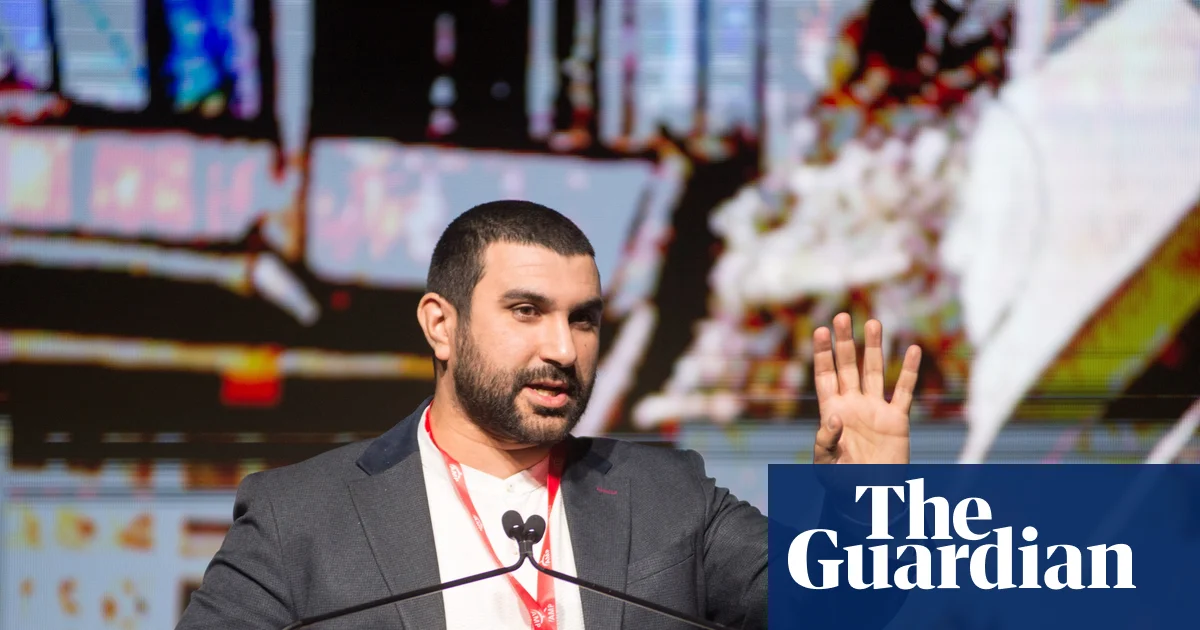
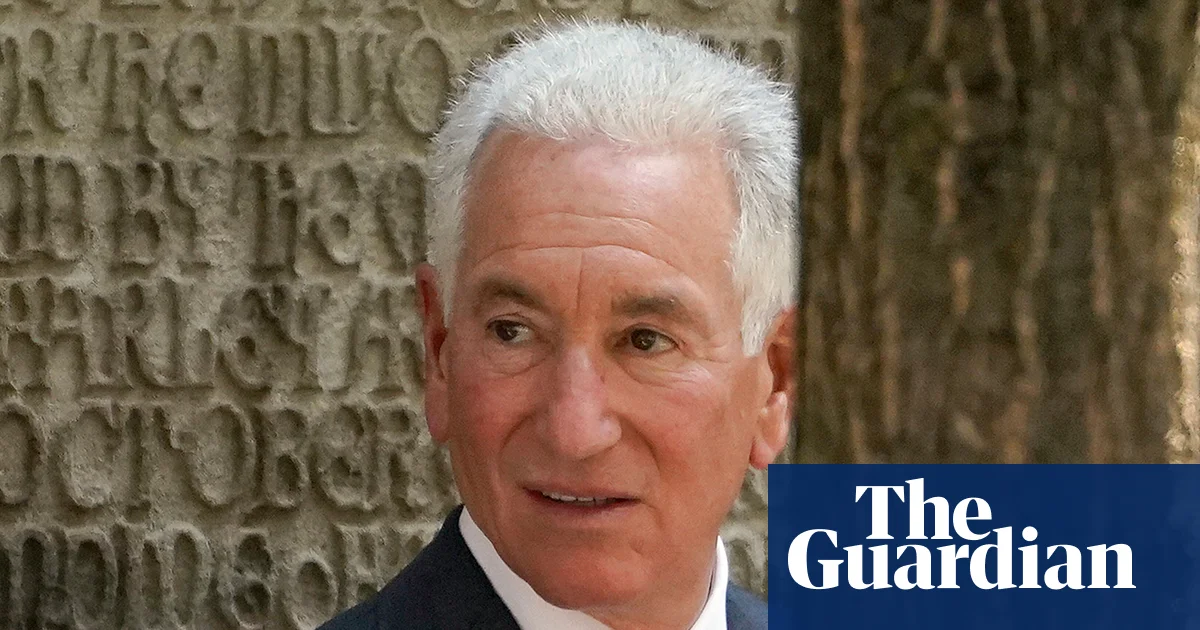
In a move indicative of escalating international diplomatic tensions, France is signaling a serious escalation with the United States following recent incendiary comments by U.S. ambassador Charles Kushner. French Foreign Minister Jean-Noël Barrot announced plans to summon Kushner over remarks concerning the brutal murder of Quentin Deranque, a prominent far-right activist. Deranque’s death in Lyon last week, during a violent confrontation with alleged hard-left militants, has ignited a firestorm of political and diplomatic reactions.

The incident, already fraught with ideological polarization, is being closely monitored by international bodies and analysts, who warn of the dangerous implications behind the rhetoric. Both the U.S. State Department’s Bureau of Counterterrorism and the American embassy in France issued statements on X—formerly Twitter—highlighting the perceived rise of violent radical leftism as a threat to public safety. These comments have fueled fears that evolving narratives could deepen the divide, exacerbating political polarization and social unrest across transatlantic relations. As historian Dr. Anne Richter notes, “Such inflammatory discourse not only worsens diplomatic strain but also emboldens ideological extremism.”

For Paris, this incident underscores a broader geopolitical landscape marked by mounting ideological conflicts and shifting alliances. The French government, historically rooted in preserving civic order amid rising populism, perceives the U.S. comments as interference—a dangerous precedent that could threaten sovereignty and domestic stability. Meanwhile, Washington’s emphasis on the threat of “radical leftism” appears to reflect a broader American political strategy, aimed at framing internal dissent as an external security concern. This international discourse aligns with the warnings by organizations such as the European Council and International Crisis Group, which warn that such rhetoric risks fueling ideological conflicts that transcend national borders, endangering democracy itself.

As nations grapple with the repercussions of inflammatory speech and rising violence, the case of Quentin Deranque serves as a stark reminder: decisions taken today will define the geopolitical landscape for generations to come. The unfolding crisis in France not only tests bilateral diplomacy but also questions the very fabric of societal cohesion in an era rife with ideological upheaval. The narrative remains unwritten, but history’s watchful eye tells us that the coming days will be pivotal—once again illustrating that in geopolitics, the line between dialogue and discord is often razor-thin.

Jim Ratcliffe Apologizes for Comments Blaming Immigrants for ‘Colonising’ UK

In a development that underscores the deepening divides both within Britain and across the United Kingdom, billionaire industrialist and Manchester United co-owner Jim Ratcliffe has ignited a fierce political and cultural controversy. His recent comments, where he accused the UK of being “colonized” by immigrants, have sparked widespread condemnation from government officials, sports organizations, and civil society. Ratcliffe’s statement, which relied on outdated and inaccurate statistics, exemplifies how inflated narratives can influence public sentiment and cause societal rifts at a critical juncture for the nation’s identity and future.

Global analysts and historians have long warned that inflammatory rhetoric around migration can exacerbate societal divisions. The Office for National Statistics notes that the UK’s population reached approximately 67 million by 2020, with an increase largely driven by natural growth and legal immigration, rather than a “colonization.” Yet, Ratcliffe echoed alarmist language reminiscent of misused far-right narratives, painting a picture of an invasion that threatens the fabric of society. Such rhetoric, especially from a figure with close ties to economic and sporting institutions, carries a profound geopolitical impact—not just fueling domestic unrest but also affecting Britain’s international reputation. The backlash from politicians, including Labour leader Keir Starmer, highlighted the perceived hypocrisy of Ratcliffe, a man who moved his tax domicile to Monaco to avoid £4 billion in taxes but now seeks to lecture the nation on economic and social stability. This glaring disparity has only stoked fears of a disconnect between the elite and ordinary citizens, an issue that analysts argue complicates Britain’s social cohesion in an era of global uncertainty.

Moreover, the controversy extends far beyond politics and into the realm of sports and societal values. Manchester United fans and anti-racism advocates have condemned Ratcliffe, claiming his comments expose a troubling alignment with far-right narratives and demonstrate a lack of sensitivity to the diversity and inclusivity that the club and Britain itself purportedly champion. Campaign groups like Kick It Out and local supporters’ organizations have accused Ratcliffe of undermining unity, emphasizing that the strength of the nation and the sporting community lies in its diversity. The Football Association is now scrutinizing whether his comments could have disreputable impacts on the reputation of English football, which prides itself on inclusivity and multiculturalism.

The international community and policymakers watch with concern as Britain faces this internal fracture, warning that such rhetoric could embolden more extreme forces. Many international observers consider this controversy a symptom of a broader global trend—where economic pressures, cultural fears, and political populism intertwine to stoke societal tensions. The actions and words of influential figures like Ratcliffe are exposed as catalysts capable of inflaming or calming these divisions. Historians emphasize that history has shown the significance of language used by elites; it can either foster resilience or catalyze conflict on a national scale. As Britain navigates its post-Brexit identity shift, decisions made in the coming months—and the narratives they promote—could shape the nation’s trajectory for decades.

The legacy of today’s political and cultural struggle remains unwritten, but one thing is clear: the choices of leaders and influential figures now will echo through the halls of history. As society pauses to reflect on whether it will succumb to divisive narratives or forge a path of unity rooted in shared values and mutual respect, the true test of Britain’s resilience looms. Will the nation’s future be defined by the rhetoric of fear and separation, or by the courage to uphold its diversity and inclusive spirit? The weight of history hangs heavy, its unfolding story still in the balance, awaiting the verdict of a nation that stands at a crossroads toward either division or renewal.

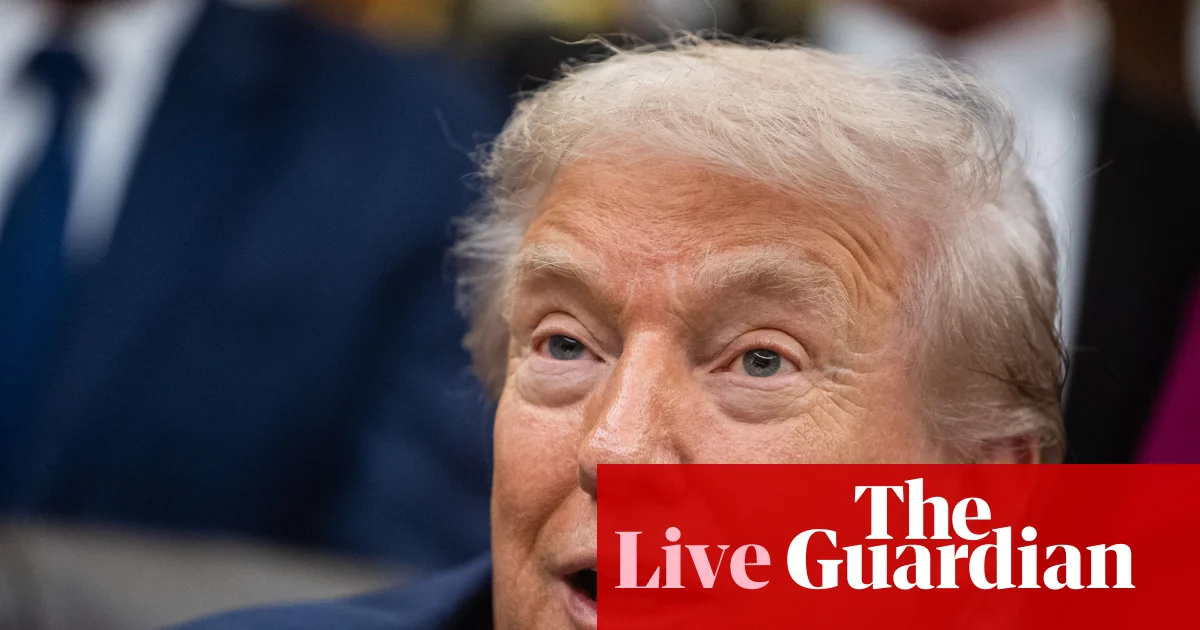
Trump faces backlash over controversial comments on Rob Reiner and wife Michele – latest updates

The international stage continues to unravel in a complex tapestry of diplomacy, conflict, and political posturing. The recent developments surrounding Ukraine and U.S. negotiations underscore the persistent drive for peace amid ongoing territorial disputes. According to Ukraine’s top negotiator, Rustem Umerov, there have been “constructive and productive” talks, with hopes of forging a lasting peace. Yet, behind these diplomatic efforts lie intractable issues, notably the contested control of Donetsk and Luhansk regions, which remain pivotal in the broader conflict. Analysts from various think tanks and international organizations warn that unresolved territorial disputes could prolong the war, with repercussions that ripple far beyond Eastern Europe.

Meanwhile, the U.S. continues to exert influence over Ukraine’s territorial negotiations, demanding that Kyiv cede control of the Donbas regions as a precondition for peace talks. Reports from Reuters and AFP reveal that US negotiators are maintaining this stance, asserting that Russia’s primary objective is to reclaim territory—an assertion that Kyiv vehemently rejects. This insistence by Washington reflects a deeper strategic positioning, revealing how geopolitical interests are entwined with territorial sovereignty. In stark contrast, Russian President Vladimir Putin is said to prioritize territorial expansion, seeking to consolidate control over areas critical to Russia’s national security. The conflicting demands exemplify a broader chess game involving multiple nations, each vying to shape the future of a region that increasingly symbolizes the battleground of post-Cold War influence.

The European leaders, led by Friedrich Merz of Germany, actively participate in these talks, hosting discussions with Ukrainian President Volodymyr Zelenskyy and other key figures. The presence of Trump’s envoy, Steve Witkoff, and Jared Kushner underscores the continued interest from U.S. factions seeking a role in resolving the conflict — although their involvement is contentious amidst concerns over biases and diplomatic effectiveness. This dynamic illustrates the shifting boundaries of influence and the perilous dance of diplomacy in a Europe teetering on the edge of prolonged instability.

Simultaneously, domestic policy debates in America reveal a nation deeply divided on how to approach foreign conflicts and internal crises. Notably, the rhetoric of Donald Trump and Ilhan Omar exemplifies the tumult within U.S. politics—ranging from accusations of “disgusting” statements to allegations of government overreach. Recent reports highlight Trump’s plans to sign executive orders reclassifying marijuana, signaling a possible pivot that could reshape America’s drug policy landscape. Yet, as analysts warn, these decisions carry profound implications for international perceptions of U.S. stability and leadership in safeguarding democratic values.

In this ever-unfolding chapter of history, the fate of nations hangs precariously in the balance. As Ukraine‘s leaders wrestle with territorial sovereignty and U.S. policymakers grapple with internal divisions, the echoes of past conflicts and missed opportunities reverberate across continents. The meticulous power struggles and diplomatic negotiations of today are but threads woven into the larger fabric of history—each decision, each bold move, shaping the future of global stability. As world leaders convene in Berlin and elsewhere, the question remains: how long can the fragile veneer of peace hold before the next chapter of conflict demands its place in the annals of history?

UK Commentator Detained Over Israel Comments to Be Released, Family Confirms

The recent developments surrounding British political commentator Sami Hamdi underscore the escalating tensions between free speech and U.S. immigration policy amid rising geopolitical conflicts. Hamdi, who was detained by US Immigration and Customs Enforcement (ICE) at San Francisco international airport in late October, faced accusations linked to his critiques of Israel during a tour in the United States. His detention, initially characterized by the Department of Homeland Security as a security concern rooted in alleged ties to terrorism, highlights the complex interplay of domestic policy and international diplomacy—particularly in an era marked by intense scrutiny of political expressions related to Middle East conflicts. As his family reports that he will soon be released, the incident raises fundamental questions about the limits of free speech within the context of national security and the influence of diplomatic narratives on domestic policy.

While government officials framed the detention within the context of preventing threats to American national security, civil rights organizations, such as the Council on American-Islamic Relations (CAIR), condemned the move as an obvious suppression of dissent. CAIR publicly denounced what they called a “blatant affront to free speech,” emphasizing how such actions serve as a warning to critics of government foreign policy. Analyses from international organizations suggest that the case exemplifies a broader shift in U.S. policy—one that increasingly conflates political criticism with security threats, especially when it involves contentious issues like U.S. support for Israel and Palestinian rights. Historically, similar incidents have often been used to shape international perceptions, portraying critics as security risks—thus, influencing diplomatic relations across the globe, particularly in Middle Eastern and Muslim-majority countries.

In the context of ongoing conflicts such as the Hamas attacks and the subsequent escalation in regional tensions, Hamdi’s case carries significant geopolitical impact. It underscores how domestic actions in Western powers are often scrutinized through international lenses, impacting perceptions of free expression and foreign policy credibility. International analysts warn of a potential “chilling effect” on political discourse, as governments tighten restrictions while global institutions like the United Nations and European Union observe with concern. Furthermore, this incident exemplifies how decisions made in Washington could influence alliances—potentially prompting Muslim nations to reassess trust in Western democracy’s commitment to free speech, especially when critics articulate views that challenge mainstream narratives regarding conflicts in Palestine and the broader Middle East. As historians note, the narrative shaping these incidents feeds into a global contest over the values of liberty versus security, with each side claiming moral high ground.

As the saga unfolds, the weight of history being written in real time remains palpable. The release of Sami Hamdi, coupled with the controversy that swirled around his detention, marks only a transient moment in a larger struggle—one that transcends individual cases and probes the core principles of sovereignty, free expression, and national security. The world watches as nations navigate the treacherous waters of diplomacy, ideology, and internal security. Whether this incident becomes a turning point or a cautionary tale, it leaves us with a stark reminder: the decisions made today will echo through history, shaping the fate of societies and the contest over truth and liberty for generations to come.

Social Media Auto Publish Powered By : XYZScripts.com