
Matox News

Truth Over Trends, always!

Royal commission hears shocking tales of antisemitism targeting Australian Jewish youth

Rising Anti-Semitism in Australia Sparks International Concern

Australia is experiencing a troubling surge in antisemitic attitudes and violence, according to recent testimonies at a royal commission hearing. Jewish families across the country report a pervasive atmosphere of hostility, with instances of graffiti, hate speech, and violence becoming ubiquitously normalized. A mother known publicly as Dina depicted her community as living through a “very different reality,” citing the bloody Bondi massacre in December, where 15 individuals were murdered in a deliberate act of extremism, as emblematic of growing dangers.

Historians and analysts underline that antisemitism’s resurgence in Australia signifies a broader shift that extends beyond national borders, reflecting a concerning global trend. Dr. Thomas Keller, a geopolitical analyst, emphasizes that “rising hate crimes and rhetoric are not isolated incidents but part of an international wave fueled by extremist ideologies and social polarization.” The Australian Jewish community feels increasingly under siege, with children witnessing swastikas, Nazi salutes, and hearing hateful rhetoric daily. The testimony from families reveals how such exposure has deeply affected the psyche of young Jewish Australians, with some fearing for their lives, and others contemplating whether they are safe in their own country.

Implications for Social Cohesion and Foreign Policy

The international community, particularly United Nations officials and human rights organizations, are watching Australia’s internal struggles with growing concern, as they interpret these developments as part of a wider pattern of declining social cohesion and a resurgence of extremist ideologies. Many analysts warn that unchecked antisemitism signifies vulnerabilities within national security frameworks, demanding closer international cooperation and proactive measures. “The normalization of hate speech and violence jeopardizes not just minority communities but the social fabric at large,” argues a UN report published last year. It highlights how domestic policies must evolve to combat the root causes of hate and intolerance, which are often amplified by online platforms and political rhetoric.

For Australia, the escalation raises questions about its diplomatic stance and internal policy priorities. Critics argue that recent government inaction has emboldened extremists, creating a fertile ground for further violence. Yet, some see this as an opportunity for Australia to reaffirm its commitment to counter-terrorism and hate speech, aligning more closely with international efforts to combat racial and religious intolerance. The challenge lies in balancing free speech with effective suppression of hate, a dilemma faced by many democracies now wrestling with their identity and values amidst a polarized global climate.

Looking Ahead: A Moment of Reckoning for Society and Leadership

As the hearing concludes, the weight of history presses heavily upon Australia’s shoulders. With the echoes of World War II and the Holocaust warnings still resonant, many analysts ponder whether the nation is buckling under the pressure of resurgent hatred or if it can forge a path toward resilience and understanding. The testimonies, filled with trauma and fear, serve as stark reminders that the battle against prejudice is ongoing and requires unwavering vigilance. Leaders are now called upon to confront these challenges decisively, lest the darkness of hatred once again risks plunging society into chaos. Deeper questions remain: Will Australia’s political will be enough to stem the tide of antisemitism, or will the events of recent months become a chapter in a history of societal failure? The answer, as history shows, will shape not just the future of Australia but will echo across the global landscape, testing whether humanity can learn from its darkest hours before they consume it entirely.
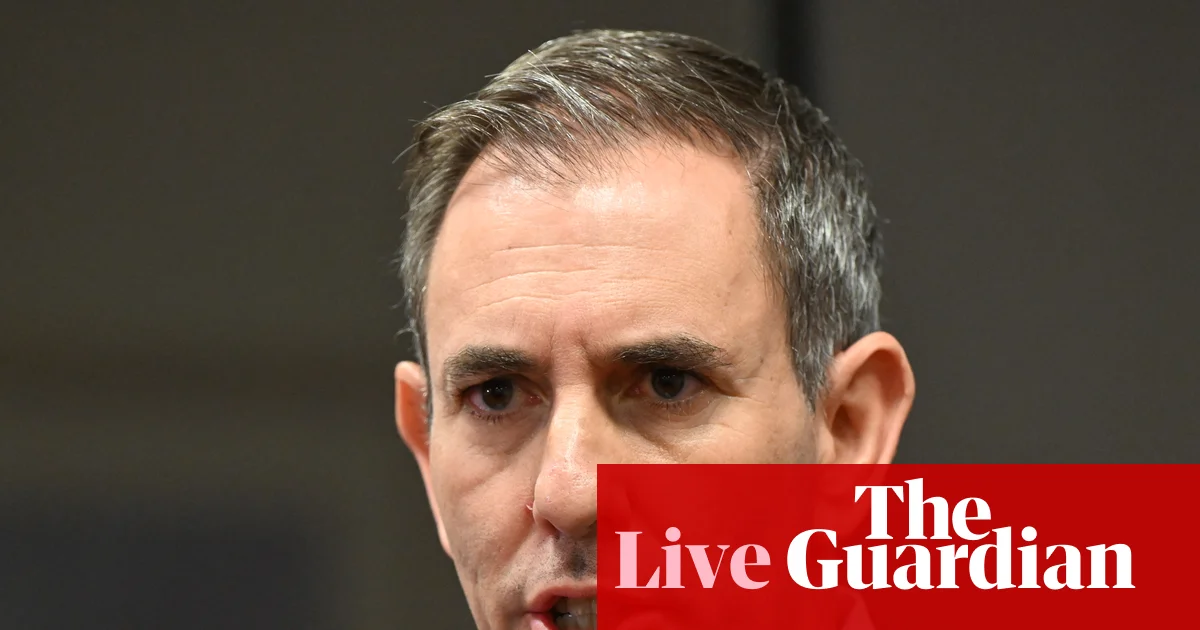

Australia News Live: Chalmers vows to cut debt; Bondi shooting families prepare to speak at royal commission

Global Geopolitical Shifts: Australia’s Budget and International Tensions

As the world witnesses a flurry of geopolitical developments, Australia finds itself navigating a complex landscape of international diplomacy, economic recalibration, and internal social challenges. The Australian government, under the stewardship of Prime Minister Anthony Albanese, is making headlines with its commitment to responsible fiscal management amid a turbulent global economy. Jim Chalmers, the Treasurer, asserts that the upcoming budget will be the most restrained in recent memory, emphasizing an approach that prioritizes debt reduction over expansive spending. This fiscal stance coincides with ongoing diplomatic efforts to maintain stability in critical regions, notably the Strait of Hormuz, a vital corridor for global energy supplies. Australia’s engagement with international partners underscores its strategic awareness of how decisions made today will ripple across future geopolitical landscapes.

In tandem with fiscal restraint, Australia is actively participating in diplomatic dialogues concerning regional security. Tensions surrounding the Strait of Hormuz, where US-led efforts to escort ships amidst escalating Iran conflicts unfold, have caught the attention of Prime Minister Anthony Albanese. According to Australia’s Foreign Minister Penny Wong, the nation is engaged with the United Kingdom, France, and the United States in negotiations aimed at ensuring the strait’s open passage—an essential element for global energy markets. This diplomatic tug-of-war highlights how decisions in one region can cascade into global economic repercussions — influencing oil prices, inflation, and even the cost of living for ordinary citizens worldwide. Historical analysts warn that such conflicts over strategic choke points could ignite broader confrontations, especially as major powers prioritize their geopolitical interests. The stakes are high, and the unfolding efforts to keep the waterways open reflect a broader international struggle for influence and stability.

Meanwhile, in domestic spheres, Australia is confronting social challenges that threaten to fracture societal cohesion. The royal commission into *antisemitism* has commenced public hearings, spotlighting the troubling rise of discrimination and the impact it has on Jewish Australians. Families of victims, such as the relatives of Reuven Morrison, have expressed outrage over the delayed condemnation of *terrorist* acts and the broader issue of Israel’s blockade on Gaza. These internal conflicts reveal how ideological and humanitarian disputes can influence international perceptions and diplomatic relations. Historians suggest that how Australia manages these domestic issues will significantly influence its standing on the world stage, affecting diplomatic leverage and its commitment to social justice.

Adding to the international web of tensions, Sanae Takaichi, Japan’s newly elected Prime Minister, arrived in Canberra on a historic visit to bolster energy and defense partnerships. As the first Japanese leader to visit Australia since 2022, her trip commemorates the 50th anniversary of the *Nara Treaty*—a key agreement that formalized diplomatic relations amid the 1973 oil crisis. Her visit occurs against the backdrop of ongoing Middle East conflicts, specifically the US-led war on Iran, which has exacerbated energy supply concerns across the Indo-Pacific. Analysts argue that this renewed diplomatic engagement between Australia and Japan is a strategic maneuver to counterbalance rising regional threats, especially from China and North Korea. How these alliances evolve will shape an Indo-Pacific order increasingly dominated by great-power competition, where every move could tip the regional balance of power.

As history continues to unfold with each diplomatic handshake, economic policy, and societal debate, the global order hangs in a fragile equilibrium. Decisions made within the corridors of Canberra, Washington, and Tokyo will set precedents, influence alliances, and define the enduring contest for influence in the 21st century. The world watches closely, for in these pivotal moments, the course of history is being written—one summit, one budget, and one conflict at a time. The question remains: in the fog of power and ideology, which nations will forge a sustainable future, and which will be swept away by the tides of change?

Richard Desmond sues UK Gambling Commission for £1.3bn over lottery dispute

In a case that underscores the intense complexities of national regulation mingled with high-stakes capitalism, Britain’s judiciary is set to scrutinize a legal battle involving Richard Desmond, a billionaire media tycoon renowned for his ownership of outlets such as the Daily Express. This dispute, centered around a £1.3 billion damages claim against the Gambling Commission, exemplifies how private interests can clash with public regulatory frameworks, shaping the geopolitical landscape of economic sovereignty and regulatory integrity. What is at stake extends far beyond Britain’s borders—reflecting broader international tensions over regulatory oversight, market fairness, and the costs of political influence.

Desmond’s legal challenge alleges manifest errors in the competitional process that awarded Britain’s largest public sector lottery contract to Allwyn, a Czech-backed entity controlled by billionaire Karel Komárek. His lawyers contend that procedural flaws, including a changed contract after the award—an accusation that hints at underhanded manipulations—justify rerunning the bidding process. The legal confrontation reveals not only a dispute over billions in potential damages but also highlights the vulnerability of national regulatory agencies to private legal maneuverings. This case could set a precedent on how courts interpret regulatory fairness and transparency, influencing how governments across the globe craft engagement rules and safeguard their economic interests.

From an international perspective, the case holds profound geopolitical significance. It serves as a stark reminder of the geopolitical influence wielded by wealthy global financiers, such as Komárek, and the potential for foreign capital to sway national policy and economic outcomes. Analysts like those from the International Economic Forum warn that escalating legal challenges like this threaten to undermine the independence of national regulatory agencies, fostering an environment where political and economic meddling could increasingly dictate market access—for better or worse. Such disputes also illuminate the broader contest for control over lucrative industries—particularly in gambling and finance—that are fueling national debts and social policy debates worldwide.

At the heart of this legal drama lies a broader societal question: how do nations balance the need for fair, transparent regulation with the influence of wealthy private interests? The potential costs of a win for Desmond could extend beyond the courtroom. A payout exceeding the lottery fund—estimated at approximately £30 million weekly—might necessitate taxpayer-funded compensation. This unfolding saga mirrors the wider pressures faced by governments faced with privatization, regulation, and the delicate dance of protecting societal interests while fostering economic competitiveness. As international organizations such as OECD and World Bank continue to emphasize transparency and accountability in governance, legal battles like this serve as a warning of the power struggles threatening to tip the scales in favor of the well-connected elite.

In an era riddled with economic uncertainty and geopolitical tension, the unfolding legal contest in Britain is more than a national dispute—it is a reflection of a world where the lines between sovereignty, capitalism, and influence are increasingly blurred. The decisions made in this courtroom could ripple across borders, echoing in the halls of power and markets worldwide, as each side stakes its claim to a slice of global economic dominance. With history at a crossroads, the outcome may well define not just the fate of a British lottery but the very fabric of international regulation—leaving the world to watch as, once again, the future is written in the ink of legal battles and the shadows of unearthed influence.

Social Media Auto Publish Powered By : XYZScripts.com



