Matox News

Truth Over Trends, always!

UN Climate Talks Fail to Deliver New Fossil Fuel Commitments

Global Climate Diplomacy Faces Standoff at COP30 in Belém

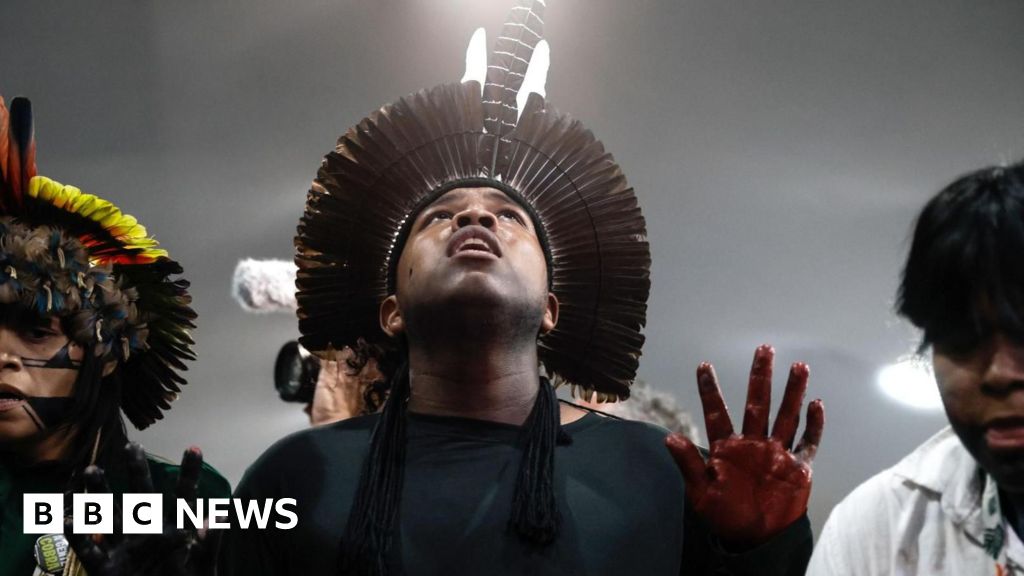
As the United Nations Climate Summit COP30 wrapped up in Belém, Brazil, a palpable sense of frustration and disillusionment echoed across the international community. Despite weeks of tense negotiations, the final deal—dubbed the Mutirão—failed to include a direct reference to the core issue gripping sky-high global temperatures: the reliance on fossil fuels. This outcome underscores a deepening divide between developed nations and oil-producing countries, revealing the entrenched interests that threaten serious climate action.

The summit, taking place amid a backdrop of chaotic protests, devastating weather, and even a fire in the venue, was marked by a struggle of ideals and power. Over 80 countries, including the UK and sweeping European Union, had sought commitments to accelerate reductions in oil, coal, and gas use. However, the fierce resistance from OPEC nations like Saudi Arabia and major fossil fuel exporters meant that those calls were ultimately sidestepped. A clear shift in diplomatic tone became evident: the large oil-producing nations insist on their “sovereign right” to exploit fossil fuel reserves, branding such pursuits as essential for their economic growth. This stance has sparked intense scrutiny from historians and analysts, many warning that these fixed positions threaten the very fabric of future international climate policies.

Notably, the absence of a delegation from the United States—after President Trump’s declaration to withdraw from the Paris Agreement—symbolized a troubling trend of American retreat. While many nations, like India, praised the outcome as “meaningful,” the global effort to limit warming to 1.5°C remains elusive. The UN itself expressed concern that current trajectories jeopardize this target, highlighting that global efforts are “failing.” Meanwhile, representatives of poorer nations, especially small island states, emphasized that the final agreement’s promises to bolster climate finance—like the newly established Tropical Forests Forever Facility—are crucial for their survival. The geopolitical impact of this exchange is clear: the world’s poorest are demanding recognition and assistance, yet the divisions over fossil fuel exploitation threaten to deepen inequalities.

The Belém summit was plagued not only by diplomatic stalemates but also by logistical chaos—outdated infrastructure, weather disruptions, and even security breaches temporarily overshadowed the proceedings. As the summit drew to a close, a common thread emerged: nations are increasingly driven by self-interest rather than collective action. While countries like India advocate for “meaningful” progress, and a coalition of small island states push for urgent deforestation action, the larger geopolitical chess game continues. The global community stands at a crossroads—an inflection point where the choice to forge a sustainable, equitable future or succumb to the entrenched interests of fossil fuel dominance will define a new chapter of history. The weight of these decisions echoes loudly, leaving us all to wonder: will this be the moment that global climate action finally takes root, or are we merely witnessing a prolongation of the same deadly game, with the planet paying the highest price?

Gaza Palestinians with Australian visas stuck as Israel tightens borders—what's happening to our immigration commitments?
Gaza Palestinians with Australian visas stuck as Israel tightens borders—what’s happening to our immigration commitments?

Gaza’s Humanitarian Crisis Sparks Global Reflection on Geopolitics

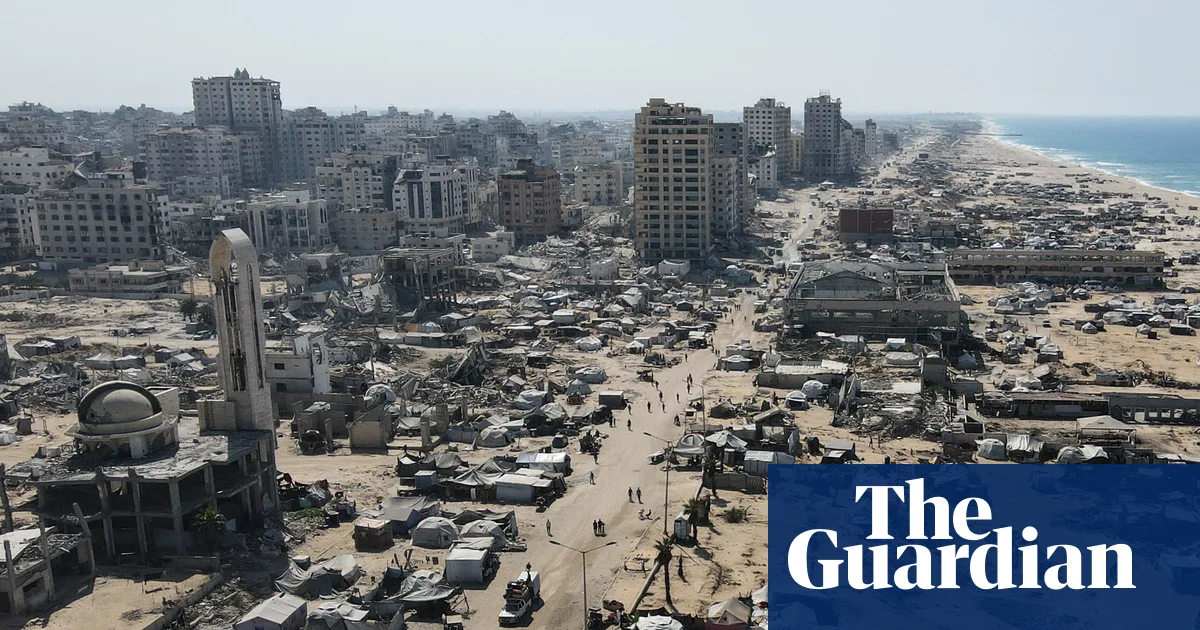
The conflict in Gaza continues to cast a shadow over international stability, revealing a complex web of humanitarian and geopolitical tensions. Despite a tentative ceasefire, the region remains a battleground of broken borders and unfulfilled promises. Notably, Australian visa holders trapped within Gaza epitomize the international system’s fractured response to the ongoing conflict and displacement crisis. As borders remain sealed and evacuation efforts stagnate, the situation underscores how decisions made in distant capitals — or inaction— deeply affect vulnerable societies and reshape regional alliances.

Since the outbreak of violence, an estimated 600 to 700 individuals with Australian-issued visas remain stranded in Gaza amid a deadly stalemate. Their plight is a stark illustration of the failed international mechanisms to safely evacuate civilians from war zones. The Australian government claims it is doing “all it can” to support its citizens and their families, yet the reality on the ground paints a different picture. Many, like Ahmed Abumarzouq, a Palestinian-Australian living in Perth, see their relatives—particularly teenagers and those in split-family situations—caught in a cycle of bureaucratic limbo, unable to escape the chaos and destruction wrought by escalating military operations.

How international decisions shape refugee flows and societal fractures

Analysts warn that international diplomacy is at a crossroads. The ceasefire agreement has merely provided a fragile pause in hostilities, not a resolution. As the U.N. and regional powers debate the long-term stability of peace accords, families in Gaza face relentless hardship. The refusal or inability of border crossings—primarily controlled by Israel—to reopen hampers evacuation efforts, fostering a humanitarian crisis that threatens to spill into neighboring regions. Historicians like Mark LeVine caution that prolonged exposure to war will deepen societal divisions and embolden radical factions, reshaping the geopolitical landscape for generations. Meanwhile, Australian officials admit that the “difficulties” of exit highlight flaws within political and diplomatic frameworks designed to protect citizens abroad.

The world’s failing response: a test of international morality

Palestinian organizations and refugee advocates emphasize that many in Gaza are unwillingly displaced—forced from their homes by relentless violence and the strategic might of powerful states. Rasha Abbas, founder of Palestine Australia Relief and Action, reflects this sentiment: “It’s forced displacement. Israel has taken away all security, all safety, and there’s nothing in terms of basic life needs.” With hospitals destroyed, food supplies exhausted, and safety absent, the conflict has become a battleground for global morality. Countries like Australia, the United States, and European Union grapple with their responsibilities and the perception that geopolitical interests often override humane considerations. International organizations warn that, unless collective action is taken, the entrenched suffering will entrench regional instability and fuel future conflicts—destined to echo through history’s corridors as a failure of moral leadership.

The plight of Gaza’s displaced and stranded exemplifies how international decisions—whether to engage, to support, or to turn away—*shape societies*. The current crisis challenges the international community’s capacity to uphold humanity amidst the chaos. As nations weigh strategic interests against moral imperatives, history continues to unfold — a narrative where hope flickers, shadows deepen, and the weight of unresolved conflicts remains heavy upon the pages of history.

Social Media Auto Publish Powered By : XYZScripts.com


