Matox News

Truth Over Trends, always!

Bondi Attack: Communities Ignite Menorahs, Stand Together in Resilience and Hope

Australia Confronts Heartbreaking Terror Attack: A Reflection on Geopolitical Implications and Societal Resilience

In a striking illustration of the precarious global landscape, Australia has recently endured a harrowing act of terrorism at Bondi Beach, claiming the lives of 15 innocents during a Hanukkah celebration. This tragedy underscores the persistent threats that nations face even amidst democratic resilience—issues that transcend borders and demand unwavering international vigilance. The attack, perpetrated by a father-and-son pair motivated by an “extreme perversion of Islam,” has provoked widespread mourning, but also reignited debates over security, societal cohesion, and the capacity of political institutions to respond decisively.

The immediate aftermath has seen a surge of national unity. The Prime Minister Anthony Albanese dismissed initial claims linking the suspect to an ISIS terror cell, emphasizing that “there is no evidence” for such allegations. This stance underscores the importance of precise intelligence and calibrated responses in an era where misinformation can be as destabilizing as the violence itself. Nevertheless, the government announced a commitment to tighten Australia’s already strict gun laws, with lawmakers pledging to restrict firearm licenses more stringently, acknowledging that radicalization and security vulnerabilities are increasingly complex issues requiring comprehensive solutions. Such legislative measures demonstrate an understanding that decisions on gun control significantly affect national security and civil liberties, shaping the societal fabric in the process.

Amidst the tragedy, stories of heroism and solidarity have emerged. Ahmed al Ahmed, a Muslim father-of-two, became a symbol of resistance when he disarmed one of the gunmen, risking his own life in the process. Donations exceeding A$1.3 million highlight the collective recognition of ordinary citizens acting in extraordinary circumstances. Leaders from Sydney’s diverse communities, including Rabbi Gabi Kaltmann and others, organized vigils and public Hanukkah events to honor the victims, reinforcing the vital importance of multicultural unity. Sources like international analysts and local historians point out that these acts of communal solidarity serve as a bulwark against the divisive forces of hate, demonstrating that societal resilience can outshine darkness—if only united against such evil.

Nevertheless, critics argue that authorities had warning signs and failed to prevent the tragic events, a concern reflecting broader international discourse on how governments manage the rise in hate crimes and extremist ideologies. Critics reference Australia’s earlier enactment of an antisemitism strategy, which some now deem insufficient, while others, including PM Albanese, vow to intensify efforts to stamp out anti-Semitism. This echoes global concerns that national responses must evolve, incorporating intelligence, community engagement, and legislation—elements that together shape the geopolitical response needed to combat the far-reaching tentacles of radicalism. As history continues to write itself, the weight of this moment presses heavily: how nations respond now will influence societal stability and international perceptions for generations to come.

In the shadow of grief and resolve, the question remains: how will the international community forge a path that balances security with liberty, unity with vigilance? As the world watches, the story of Australia’s response to this tragedy will be etched into the annals of history—an enduring testament to the enduring struggle between darkness and light.

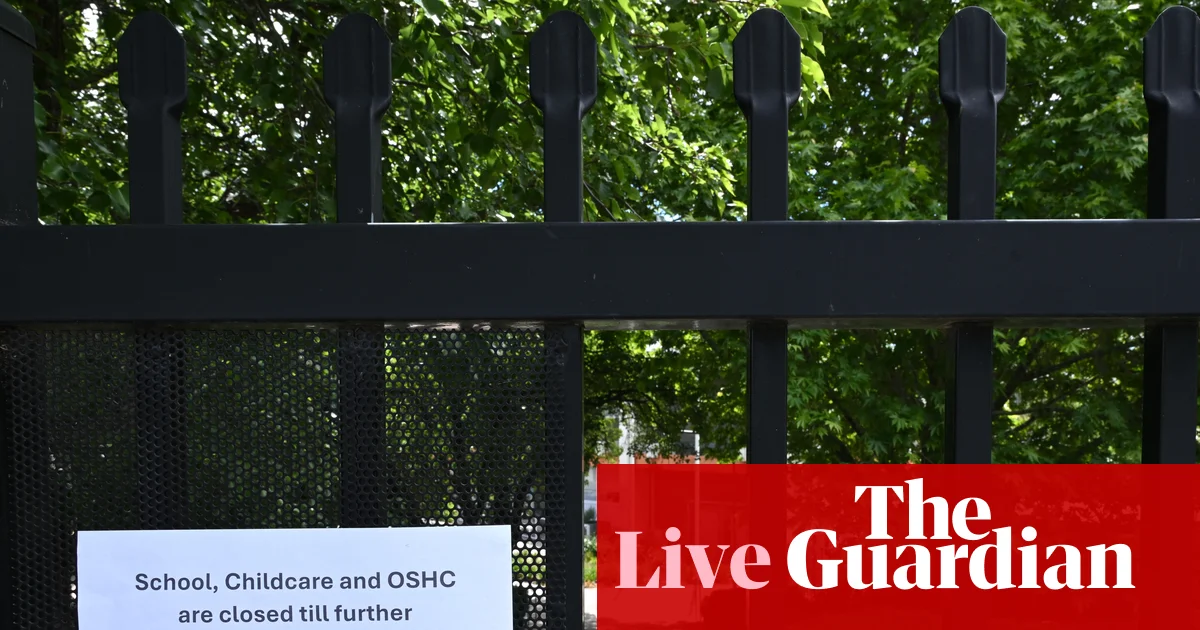
Australia News Live: ACT Shuts 71 Schools Over Sand Scare, NSW Police Crack Down on Domestic Violence—Protecting Our Communities

The geopolitical landscape is perpetually shifting, often influenced by key domestic decisions made within sovereign nations. Recently, Australia exemplifies this pattern through a series of dramatic developments that signal both internal challenges and external strategic recalibrations. The recent closure of 71 public schools in the ACT over fears of asbestos-laden children’s sand, alongside ongoing debates over immigration and energy policies, underscore how internal domestic issues can ripple outward, affecting international perceptions and alliances.

Meanwhile, in the wider global arena, significant shifts have occurred, notably with U.S. President Donald Trump signing an executive order easing tariffs on food imports, including beef and bananas. This move reflects a nuanced strategy aimed at addressing inflationary pressures domestically, but it also signals a broader tendency towards protectionism that could strain international trade networks. Patrolling these trade corridors, Australia’s Prime Minister Anthony Albanese reasserts the importance of global trade, framing it as a “bulwark against conflict”. Analysts from think tanks suggest that such rhetoric not only emphasizes economic cooperation but also highlights how trust in international partners can serve as a foundation for diplomacy, promising a buffer in times of crises.

Yet, Australia’s internal struggles — from the asbestos fears leading to school closures to contentious debates over immigration levels—a clear reflection of how decisions at home wield profound consequences for societal stability and international standing. Sussan Ley, the opposition leader, openly advocates for a reduction in immigration, citing community challenges such as transportation and infrastructure strains. Their stance, though controversial, reveals a broader tension on the alliance between open borders and national security, echoing concerns raised by historians and policy analysts who warn that unchecked demographic shifts can challenge social cohesion and political stability. Meanwhile, government funding for climate resilience projects across Australian states underscores a dual narrative: managing environmental threats while navigating economic constraints, as seen in the proposed $200 million investment in weather-resistant infrastructure.

Externally, unresolved conflicts and international economic policies intertwine with national strategies. With Australia poised at the crossroads—balancing energy independence, climate commitments, and economic revival—its path forward will inevitably influence regional stability and global alliances. The decision to support, or oppose, transitioning toward renewable energy sources and industrial resilience could determine whether Australia becomes a reliable partner or an unpredictable actor on the world stage. Historic analysts warn that in a world where “trust” is becoming a scarce commodity, the decisions of now will shape the geopolitical order of decades to come, a story still being written with each policy choice and international shift.

Hurricane Melissa Leaves Devastation in 'Ground Zero'—A Stark Warning for Our Communities
Hurricane Melissa Leaves Devastation in ‘Ground Zero’—A Stark Warning for Our Communities

The recent devastation wrought upon Black River has sent shockwaves across the international community, serving as a stark reminder of the fragile state of stability in our interconnected world. Witnessed firsthand by BBC correspondent Will Grant during an aid helicopter flight, the destruction reveals a landscape scarred by conflict, neglect, and the unpredictable fallout of geopolitical tensions. This tragic event underscores the profound consequences for local populations and the far-reaching ripple effects on regional security.

The core of the crisis lies in a complex web of geopolitical instability, where the strategic interests of major powers intersect with ongoing civil unrest. Analysts emphasize that the devastation is not merely a natural disaster but also a consequence of failed governance and fragile peace agreements. According to reports from international organizations, including the United Nations, this disaster could catalyze a new wave of displacement, human suffering, and diplomatic tensions. Historians warn that such moments often serve as catalysts for broader conflicts, highlighting the importance of swift international cooperation and decisive action.

  • The destruction in Black River exposes underlying vulnerabilities in regional security arrangements.
  • Failed peace initiatives and military interventions have hampered reconstruction efforts.
  • Global institutions are urging immediate humanitarian aid while balancing geopolitical interests.

Furthermore, how nations respond in this critical period may determine future stability or chaos. Many experts assert that the impact of these decisions extends beyond borders, shaping the geopolitical landscape for decades to come. Credible voices like the International Crisis Group warn that ignoring these warnings could lead to prolonged instability, fostered by politicized aid and strategic manipulations. The crisis in Black River stands as a poignant illustration of the ongoing struggle between sovereignty and international intervention—an age-old debate that remains unresolved.

As the world watches, the question remains: will this tragedy galvanize efforts toward genuine peace and reconstruction, or will it be exploited as a pawn amid greater geopolitical games? History shows that moments of profound upheaval often serve as turning points—either for collective resilience or as preludes to further chaos. With each passing day, the weight of history presses down, reminding us that the choices made today will echo through generations, defining the course of nations long into the future. The unfolding story of Black River is still written in real time, and its final chapter has yet to be penned.

Spain Apologizes for Past Wrongs Against Mexico’s Indigenous Communities

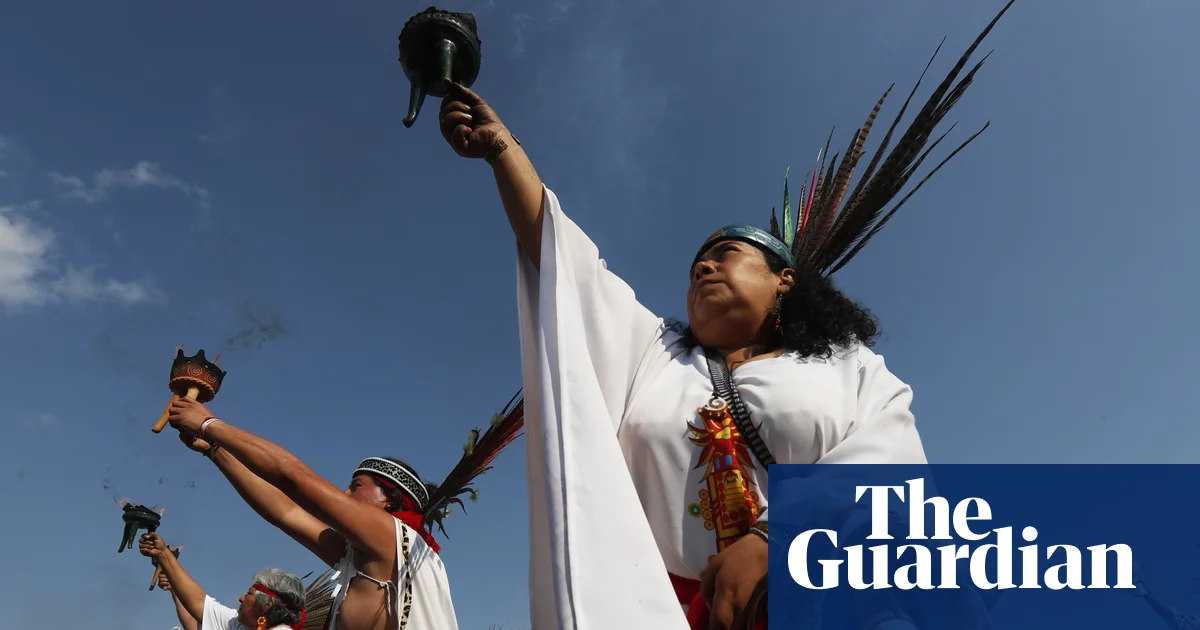
In a significant development that underscores the ongoing recalibration of historical narratives and diplomatic relations, Spain has publicly expressed remorse for the pain and injustice inflicted upon the Indigenous peoples of Mexico during its colonial conquest. This shift in tone marks a departure from years of diplomatic tensions and denotes a broader reconsideration of colonial histories that have long haunted international relations. After years of reluctance, Spain now acknowledges its role in a painful chapter of world history—an acknowledgment that many analysts see as an attempt to soften its global image and reinforce diplomatic ties within Latin America and beyond.

This time, the gesture comes amidst renewed calls from Mexico’s President Claudia Sheinbaum for a formal apology. In March 2019, Mexico’s then-president, Andrés Manuel López Obrador, had urged King Felipe VI and Pope Francis to address the atrocities committed during the conquest, including massacres and systemic oppression. Four years later, the Spanish Foreign Minister, José Manuel Albares, has responded with a more conciliatory tone. During an exhibition inauguration dedicated to Indigenous Mexican women, Albares reflected on “the countries’ joint history”—a statement that political analysts interpret as a strategic recalibration amidst shifting regional dynamics.

Global institutions have started to weigh in on the matter, recognizing the importance of historical memory in shaping contemporary geopolitics. While some see statements of remorse as symbolic gestures, others argue that such apologies serve to build a platform for future collaboration, countering rising anti-colonial sentiments and fostering political stability.

  • Key events include Mexico’s 2019 appeal for an apology, and the recent Spanish acknowledgment that emphasizes “a first step” towards reconciliation.
  • International repercussions involve potential shifts in diplomatic alignments, especially as Spain seeks to bolster its influence within Latin America, where indignation over colonial abuses remains strong among growing youth populations.
  • The consequences for societal perception are profound, as recognition of past wrongs can catalyze debate about justice, reparations, and the legacy of colonialism in shaping modern identities.

Historically, the conquest of Mexico in 1519 marked the beginning of centuries of Spanish dominance, characterized by conquest, cultural upheaval, and the forced conversion of Indigenous populations. Yet, as international organizations like UNESCO and historians worldwide document this era, a new narrative emerges—one that calls for accountability, acknowledgment, and a reevaluation of what it means to belong to a shared history. The recent overtures by Spain, though symbolic, hint at an underlying shift in the geopolitical landscape—where past injustices are no longer hidden beneath diplomatic silence but are brought into the light of contemporary dialogue.

As global powers navigate this fragile terrain, the weight of history presses inexorably forward. Spain’s admission of guilt is not merely a historical footnote; it is a turning point that reverberates across borders, igniting debates about justice and sovereignty. With each diplomatic gesture, the past and present intertwine, shaping the future of international relations. In this unfolding story of reconciliation, history’s pen continues to write, leaving us to ponder: How will this chapter be remembered in the annals of a world still finding its moral compass? The answer remains unwritten, and the shadow of history continues to cast its long, indelible shadow across the pages of history’s ongoing narrative.

Exposing the Hidden Dangers of Illegal HMOs in Our Communities

Across communities in Britain today, a disturbing pattern emerges—one that reveals the deep-seated failures of our social and political systems. Within these neighborhoods, demographic shifts and increasing housing insecurity have paved the way for the proliferation of illegal houses in multiple occupation (HMOs), a practice that exposes families and individuals to deplorable living conditions. These properties, often hidden from view, are frequently managed by private landlords and housing associations with little regard for regulation, safety, or human dignity. As detailed in recent reports and firsthand accounts, such as those shared by residents and social commentators, the consequences extend far beyond individual discomfort, striking at the core of community stability and family well-being.

The plight of residents living alongside unchecked overcrowded HMOs underscores a broader societal issue: the failure of local authorities and government agencies to effectively regulate and enforce standards. As sociologist Dr. Mark Granovetter once argued, social networks and trust are vital for the cohesion of communities; yet, when residents face persistent neglect, broken infrastructure, and unhygienic conditions, that trust erodes. For many families, especially those with children, these environmental hazards—cockroaches, broken furniture, and urine-soaked mattresses—are no longer isolated incidents but symbols of neglected social responsibility. The impact on families includes not only physical health risks but also psychological stress, which impairs educational attainment and emotional development for children growing up in these neglected environments. The presence of these poor conditions often breeds a cycle of despair and social marginalization, undermining the very fabric of society.

Addressing this crisis demands strict enforcement of housing standards, a stance supported by experts and social commentators alike. One proposed solution involves the confiscation of properties that fail to meet minimum health and safety requirements, with the proceeds reinvested into community regeneration and affordable housing initiatives. Such measures would not only remove hazardous dwellings but also serve as a deterrent to unscrupulous landlords seeking to profit from neglect. Coupled with properly funded courts capable of expediting legal proceedings, this approach would restore accountability. At the same time, reforms such as allowing tenants to claim rent repayment orders for unlicensed HMOs serve as counterbalances, creating tangible disincentives against unregulated practices. These solutions are grounded in the pressing moral duty to protect the most vulnerable among us—those who find themselves trapped in a system that prioritizes profit over human dignity.

Yet, it is essential to recognize that the social issues surrounding housing are deeply intertwined with broader societal complacency. As historian Dr. David Starkey noted, the decline of our shared moral commitments and a focus on individual gain have led to a deterioration of community bonds. The decline of underfunded local authorities, overwhelmed judicial systems, and a political environment that treats housing as a commodity rather than a human right create a perfect storm—one where neglect becomes normalized. We must consider how, as a society, we uphold the values of equity and fairness, ensuring that every family has access to safe, dignified shelter. When society ignores these injustices, it does so at its peril—losing sight of the moral foundation that holds us together.”

Reflecting on these challenges, society is confronted with a poignant choice: continue to tolerate the squalor that taints our cities or commit to a future where dignity and fairness reclaim their place at society’s center. Like a battered but resilient tree, the hope lies in regeneration—if we dare to nurture and protect the roots of our communities. Out of these darkened streets and broken homes, the seeds of societal renewal may yet blossom—if only we prioritize justice over profit, compassion over indifference. The question remains whether enough of us will heed this call before the last vestiges of community integrity are lost, leaving behind an underclass alienated and forgotten, a silent testament to a society that chose neglect over nurture.

Protect Our Homes: Wake Up to Flood Risks Threatening Our Communities

The Hidden Crisis Beneath Our Feet: Paving Over Gardens and Rising Flood Risks

In a troubling revelation, recent RHS study uncovers that nearly half of UK garden spaces are now paved. This widespread transformation of private green spaces into concrete or asphalt not only diminishes biodiversity but also exacerbates environmental vulnerabilities, especially flooding. Such developments directly threaten families, local communities, and our future generations by undermining the natural resilience of our environment.

The impact extends beyond ecological concerns; it touches the very fabric of community safety and social cohesion. Surface-water flooding, now the most prevalent and least understood source of flood risk in England, places an estimated 4.6 million properties at imminent danger, according to recent reports from the Environmental Audit Committee (EAC). As climate patterns grow increasingly unpredictable, the urgent need for proactive and coordinated flood management becomes undeniable. Sociologists and environmental experts argue that the current reactive strategies are inadequate, and that the nation must adopt a comprehensive approach rooted in foresight and resilience.

Policy recommendations from the EAC and the Institution of Civil Engineers (ICE) propose tangible steps to address these escalating dangers. Among these is the establishment of a single national flood reporting and information service to enhance transparency and swift response. Furthermore, the call for a widespread flood-awareness campaign aims to educate communities about risks and necessary precautions. Central to these strategies is the implementation of Schedule 3 of the Flood and Water Management Act 2010, making sustainable drainage systems (SuDS) mandatory in all new developments. Such measures are designed not merely as reactions to crises but as preventive solutions that prioritize community safety and environmental sustainability.

These issues underscore a profound challenge: the erosion of cultural values tied to our natural environment. While policymakers grapple with infrastructure and flood mitigation, society must also confront a deeper cultural shift—recognizing that urbanization and paving over green spaces are not benign acts but choices that threaten long-term stability. For families, especially those in vulnerable communities, this means securing a future where nature and human life coexist harmoniously. For educators and community leaders, it presents an opportunity to instill values of conservation and resilience in the next generation. As sociologist Dr. Amina Patel reminds us, “A society’s strength is measured not only by its infrastructure but by its capacity to adapt and preserve its natural heritage.”

Finally, society stands at a crossroad. The decisions we make today—whether to pave over every inch of green or to invest in sustainable, community-centered solutions—will shape the landscape of tomorrow. As the shadows of increased flooding threaten our homes and our sense of safety, hope persists in the collective effort to mend what has been broken. Through resilience, innovation, and a renewed respect for nature’s delicate balance, communities can forge a future where danger gives way to hope, and chaos to order—transforming society into a resilient, cohesive whole that values both progress and preservation.

Mine blast at Cobar claims two lives — a tragic blow to our far west communities

Tragedy Strikes In Australia: Deadly Mine Explosion Raises Safety Concerns and Geopolitical Implications

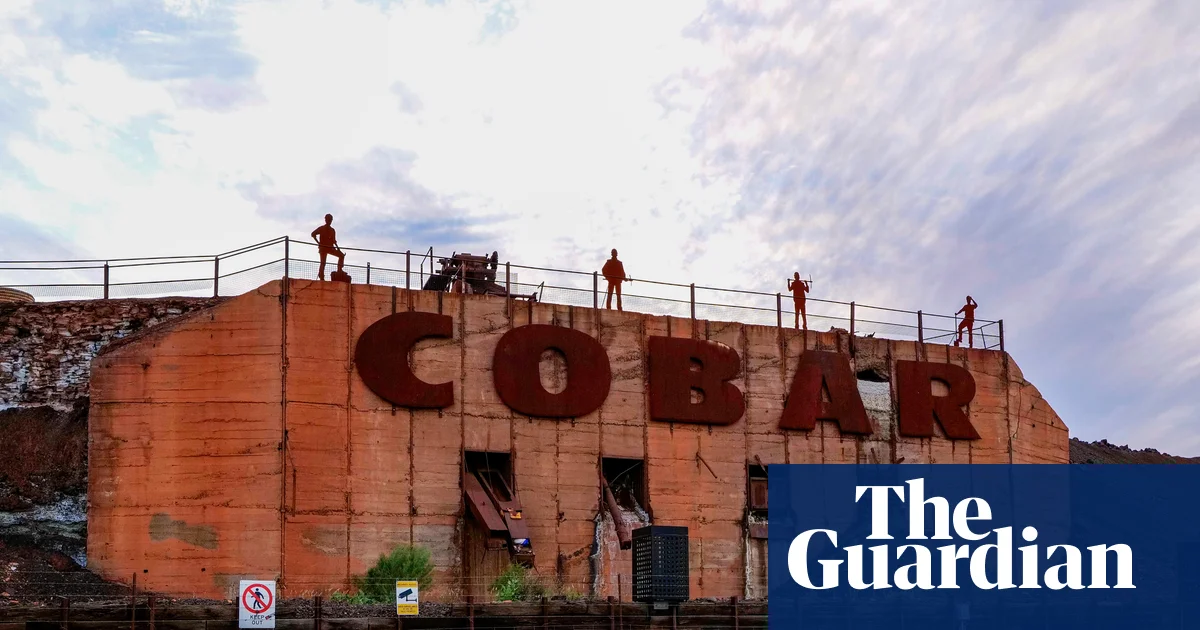
In a devastating incident in the Cobar region of Australia, two workers lost their lives following an underground explosion at the Endeavour Mine. This catastrophe underscores the persistent risks associated with resource extraction industries, even as technological advancements claim to improve safety protocols. According to authorities, emergency services responded swiftly after being alerted early Wednesday morning; however, the magnitude of the explosion resulted in one confirmed death on-site and the subsequent death of a woman who was initially rescued. The incident also left another woman hospitalized with hearing damage and shock, highlighting the ongoing danger faced by miners in hostile underground environments.

How decisions and safety regulations impact nations and societies

This tragedy in Australia resonates beyond local concerns, echoing a broader global discussion on the safety standards within resource-dependent nations. Australian authorities, including NSW Premier Chris Minns and state Minister Courtney Houssos, have expressed their heartbreak and solidarity with affected families. These events serve as a harsh reminder that even in countries with improved safety protocols, vigilance remains vital. As some analyses suggest, the mining sector is a cornerstone of Cobar’s economy, primarily supporting copper, gold, zinc, and lead extraction—industries that are vital for local employment and regional economic stability. Yet, each accident risks not only human lives but also threatens the societal fabric, stirring political debates about regulatory oversight and corporate responsibility.

Geopolitical and economic dimensions of resource security

The incident’s international implications lie in how resource security and safety standards influence global geopolitics. Countries that rely heavily on mineral exports such as Australia find that mining accidents can ripple through global supply chains, affecting industries ranging from electronics to automotive manufacturing. Moreover, Australia‘s role as a strategic resource provider heightens the stakes, especially as global demand for critical minerals surges—driven by alternative energy initiatives and technological innovation. Historically, mining tragedies have occasionally spurred reforms and heightened regulatory scrutiny, but they also underscore the fragility of mining infrastructure amid economic pressures to maximize output.

Experts from international organizations warn that such incidents can undermine critical diplomatic relationships, especially if safety lapses are perceived as neglect or intentional cost-cutting. The World Bank and International Labour Organization have long championed stricter safety standards, but enforcement often falls short amid rising global competition for mineral wealth. While Australia remains a key player in this geopolitical chess game, the incident at the Endeavour Mine might influence future negotiations on trade, labor rights, and environmental regulations, prompting nations to reassess their own resource policies.

Conclusion: The weight of history and the future that remains unwritten

As the dust settles over the incident at Cobar, the broader narrative unfolds—a narrative of human resilience, regulatory challenges, and the relentless pursuit of progress at a cost. History has shown that each tragedy on the frontier of resource extraction leaves an indelible mark on national consciousness and international policy. With the investigation ongoing, the mining industry and governments worldwide are reminded that beneath the surface of prosperity lies a fragile balance, one that must be guarded jealously. In the shadows of these dark events, the true test lies not only in justice for the fallen but in the unwavering resolve to forge safer pathways into the future, lest we forget the lessons written in the scars of history.

Aid Cuts Threaten to Bring Back Malaria Crisis — Time to Prioritize Our Communities

The Hidden Crisis of Malaria: A Societal Wake-up Call

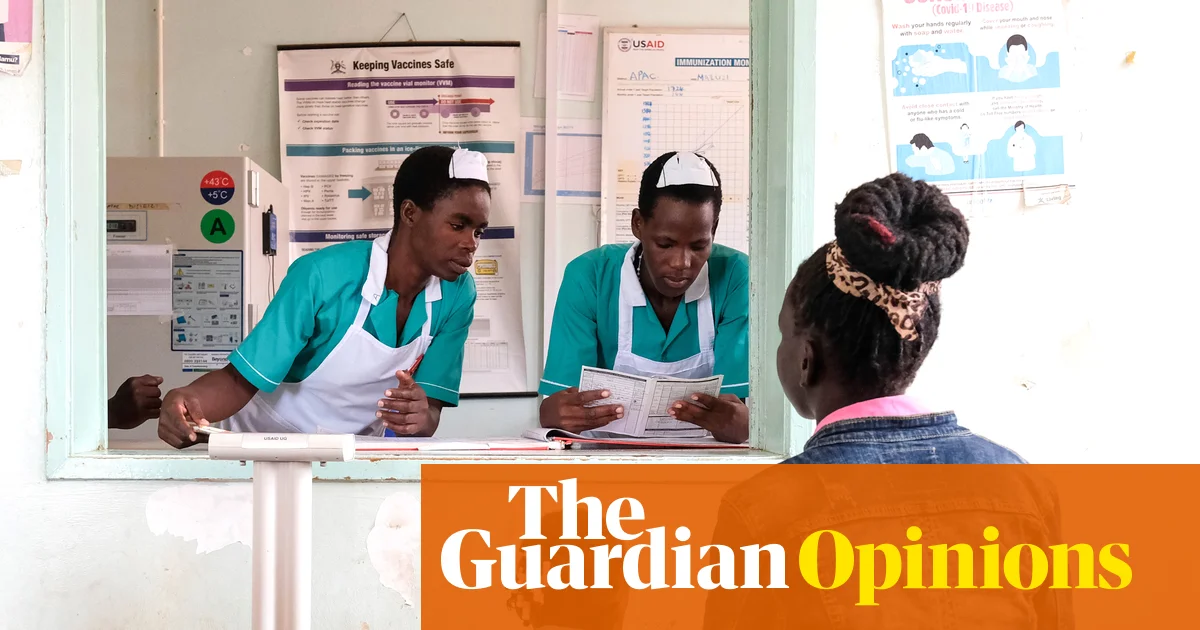
Malaria, a deadly infectious disease primarily impacting communities in Africa, continues to exact an unacceptably high toll on the most vulnerable—small children and expectant mothers. Responsible for nearly 600,000 deaths annually, this disease remains a stark reminder of how neglect, environmental changes, and waning international aid converge to threaten lives and societal stability. Despite ongoing promises to eradicate malaria, recent cuts in funding and global health aid are undoing decades of progress, pushing millions closer to death and disrupting families’ pursuit of security and prosperity.

The role of families and communities in combating malaria is profound, yet they are often the first casualties of the social and economic fallout when aid dwindles. Programs run by the Global Fund to Fight AIDS, Tuberculosis, and Malaria have historically been the backbone of efforts to control the disease. However, with its recent funding shortfalls—especially significant cuts from countries such as Germany and rumoured reductions from the UK—the capacity to deliver essential prevention tools, like bed nets and vaccines, is dwindling. These aid reductions threaten to reverse gains, with the potential to cause nearly a million additional deaths by the end of the decade, according to health experts.

Environmental and Demographic Shifts: Compounding the Crisis

Environmental degradation and climate change are intensifying malaria’s reach. Altered rainfall patterns and rising temperatures are expanding mosquito habitats, making eradication increasingly difficult. The resistance of parasites such as Plasmodium falciparum to existing drugs exacerbates the challenge, echoing past cycles where previously effective medicines—chloroquine and artemisinins—lost their potency. While vaccines offer hope, their limited protective scope and inability to stop transmission mean that without sustained, comprehensive control measures, malaria’s grip will tighten. Social commentator Dr. Robert M. Kaplan warns that these environmental and biological shifts threaten a “perfect storm” that could undo decades of hard-won progress, leaving vulnerable families to face devastation once again.

Importantly, the ripple effects extend beyond health, crippling economies and undermining social cohesion. The economic analysis emphasizes that maintaining the 2030 funding targets could save 1.86 million lives and catalyze an economic surge of $231 billion in African GDP. Conversely, a 20% funding cut could lead to approximately 82,000 additional deaths and a GDP decline nearing $5 billion, underscoring how intertwined health and economic wellbeing are. Families, often already strained by poverty, are pushed further into hardship when preventable deaths occur, eroding the moral fabric of societies built on hope and resilience.

Social Reflection and the Call for Action

As nations face tight budgets and competing priorities, it is crucial to recognize that the fight against malaria is ultimately a matter of moral urgency. The ethical responsibility rests not only with governments but with global society to prioritize life-saving interventions for the voiceless—children and pregnant women—whose futures hang in the balance. Historians and social theorists like Albert O. Hirschman have long argued that societal strength depends on caring for its most vulnerable. If this principle is abandoned, the fabric of our shared humanity frays, and inequalities deepen.

In this moment of crisis, society must reflect on the true meaning of progress. Does it mean just economic growth, or does it encompass the health, dignity, and future of all its members? The challenge lies in restoring faith in collective action, rekindling a spirit of global solidarity capable of rallying resources, innovation, and moral resolve. As society stands at this crossroads, the hope remains—like a flickering flame— that through determined effort, equitable investment, and environmental stewardship, the silent sufferers of malaria can be freed from their suffering. Society’s capacity for compassion and resilience might yet turn the tide, transforming despair into hope and death into life, one village at a time.

Over 1,000 illegal guns and parts taken in Australia and New Zealand crackdown—protecting our communities from crime

International Security Shaken as Australia and New Zealand Combat the Spread of Illicit Weapons

In a decisive move that echoes beyond its borders, Australia and New Zealand have launched an extensive transnational operation aimed at curbing the proliferation of illicit firearms. Over the course of a week, authorities seized more than 1,000 firearms and firearm parts, including weapons manufactured through sophisticated methods such as 3D printing. These efforts resulted in the arrest of over 180 suspects across multiple states and territories in both nations, signaling a critical focus on tackling the rising threat posed by untraceable, homemade firearms in the Indo-Pacific region. This crackdown underscores a pressing concern: how the dissemination of illicit weapons directly threatens the safety and sovereignty of countries committed to rigorous gun control regimes.

How Technology and Global Networks Fuel the Firearms Crisis

  • Authorities uncovered multiple 3D printers in New South Wales alongside Glock-style pistols, magazines, and holsters, revealing how technological advancements are transforming the landscape of illicit weapon manufacturing.
  • Investigations highlight the gradual evolution of these homemade firearms—from rudimentary, almost one-shot weapons to higher-quality, more deadly arms, often rivaling commercially manufactured guns in reliability.
  • Online communities and international retailers play a pivotal role in this expansion, consistently providing blueprints and parts that bypass traditional import controls. Many of these components, often ordered from overseas, assemble into weapons that are difficult to trace, challenging law enforcement agencies around the world.

According to analysts and historians tracking this wave of illicit arms, the trend reflects a dangerous convergence of technology and organized crime. The transnational nature of the trade compromises local and regional security, threatening to destabilize societies that have invested heavily in strict firearm control measures. The rise of 3D-printed weaponry symbolizes a turning point—where the digital revolution democratizes arms manufacturing and complicates international efforts to contain illegal firearms. International organizations warn that these developments threaten to nullify decades of progress in gun safety, creating a new battleground in the war against lawlessness.

Implications for International Security and Sovereignty

The geopolitical impact of the crackdown reverberates globally; it signals a renewed urgency for international cooperation to combat arms trafficking that infringes on national sovereignty. Countries like Australia, which has historically championed gun control, now face an evolving threat: clandestine networks operating across borders, often facilitated by the dark web, and technological advancements that unlock new avenues for illegal manufacturing. This dynamic sparks a debate among security experts about the adequacy of existing treaties and the need for enhanced cooperation, data sharing, and technological oversight.

In response, Australian Border Force officials report detecting over 8,000 illegal firearms, parts, and accessories at customs last year alone, emphasizing how international import routes are exploited by traffickers. For example, the seizure of a flame-thrower and other dangerous items in remote Australian locations underscores how porous borders have become in the face of evolving technology. These seizures demonstrate that, despite formidable regulations, illicit networks are adapting swiftly, pushing nations into a fierce race against time to restore control and safeguard their populations.

Critical voices in the international community, including security analysts and historical experts, continue to warn that neglecting this crisis could leave nations vulnerable to new forms of violence and destabilization. As smugglers and traffickers leverage online platforms and unregulated markets, the threat is no longer confined to a single country but is a shared peril to regional stability and global order. With each seized weapon, the weight of history reminds us: the ongoing battle to preserve sovereignty and public safety is far from over, and the choices made today will shape the security landscape for generations to come.

Conclusion: The Unfolding Battle for the Future

As justice authorities in Australia and New Zealand intensify their efforts, the broader implications for global security become painfully clear. The relentless tide of illegal firearms, fueled by technological ingenuity and transcontinental networks, underscores a stark reality: the fight against weapons proliferation is a battle waged not only on borders but across the digital universe and through the corridors of power itself. The pages of history continue to turn, each chapter woven with the stories of resilience, tragedy, and the indomitable quest to protect societies from chaos—a story still very much written, as the weight of the future hangs in the balance.

Alaska Communities Face Years of Struggle After Devastating Storm

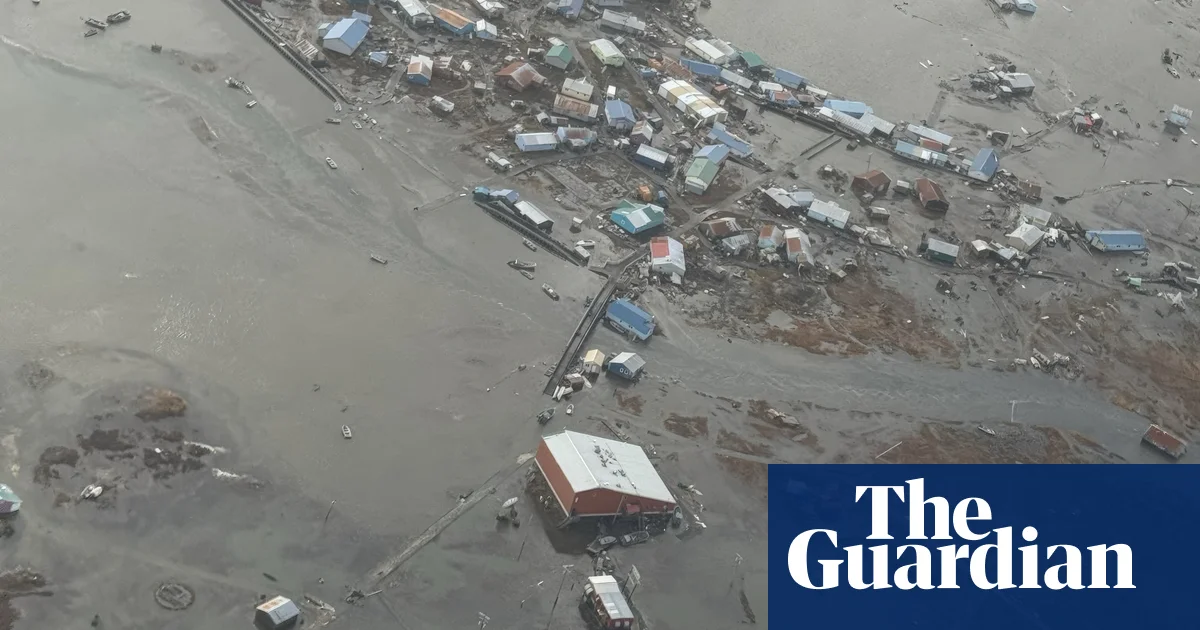
The recent devastating storm in Alaska exemplifies the escalating toll of climate-related disasters and highlights the precarious balance between national preparedness and federal support. The storm, fueled by the remnants of Typhoon Halong, battered remote communities, leaving over 1,500 residents displaced, human casualties, and extensive infrastructural destruction. Local officials, including Senator Lisa Murkowski and Governor Mike Dunleavy, have issued stark warnings about the prolonged recovery process, with Dunleavy predicting it could take up to 18 months for many communities to restore basic livelihoods. Their appeals for urgent federal aid underscore the critical geopolitical issue that arises when a nation faces natural calamities that outstrip regional capabilities.

This crisis not only exposes the vulnerability of Alaska—a state already at the forefront of climate change’s tangible impacts—but also sparks a broader conversation about how the United States manages its resources and its strategic role in disaster response. The decision by the Trump administration to cancel a $20 million EPA grant aimed at coastal erosion and flood prevention in Kipnuk in May raised eyebrows, especially as climate experts warn of increased storm intensity and rising sea levels. Critics argue such cuts reflect a dangerous underestimation of the threat, highlighting a pattern where fiscal austerity and political ideology often undermine preparedness. An international analysis by think tanks underscores that climate-related disasters like this do not respect borders and signify a geopolitical challenge that demands sustained, proactive intervention more than reactive measures.

Moreover, the incident in Alaska reverberates beyond local borders, pressing into international terrain as global climate policies and U.S.-China rivalry on environmental issues come into play. While the Biden administration has signaled a renewed focus on climate resilience, critics argue that actual policy shifts lag behind the rhetoric, leaving vulnerable regions exposed. As United Nations-backed organizations and climate analysts warn of escalation, the importance of strategic alliances and technological innovation in disaster mitigation becomes undeniable. How the most powerful nation in the world responds to natural crises now will shape geopolitical stability for decades—whether it emerges as a leader in resilience or retreats into neglect.

This ongoing saga reminds us that climate disasters are intertwined with geopolitical uncertainties and societal resilience. As winter looms and Alaska struggles to rebuild amidst limited transportation and broadband connectivity, the weight of history presses heavily—signaling that decisions taken today will echo through generations. Will this moment serve as a wake-up call, prompting renewed commitment and strategic foresight? Or will it be just another chapter in the slow unraveling of governance amid global crises? The Earth’s climate and geopolitical landscapes are shifting rapidly, and the world watches keenly as the pages of this unfolding story are written with the stakes of all humanity in mind.

Social Media Auto Publish Powered By : XYZScripts.com